
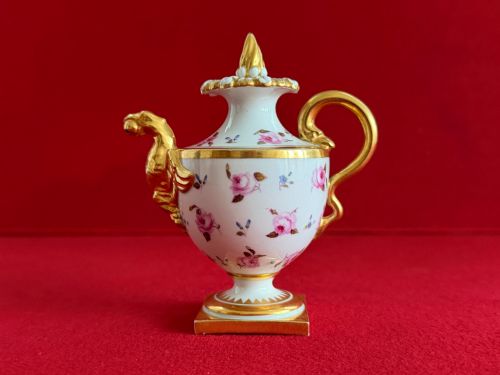
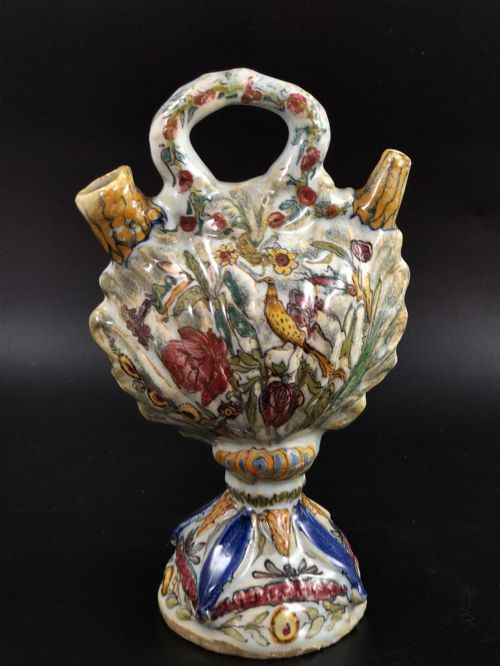
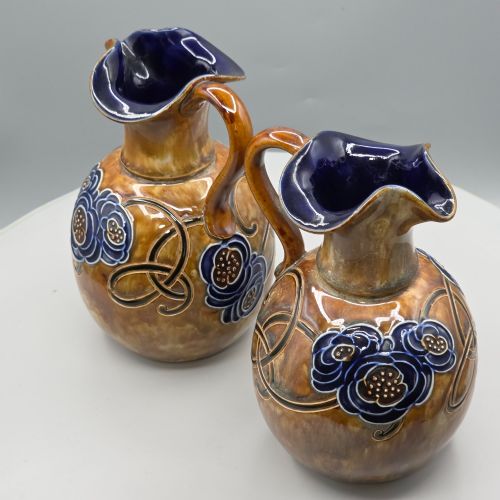
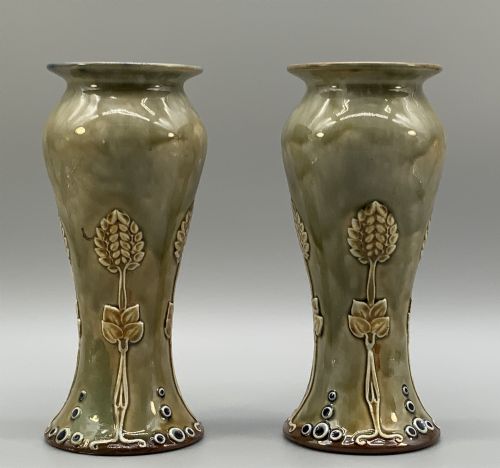
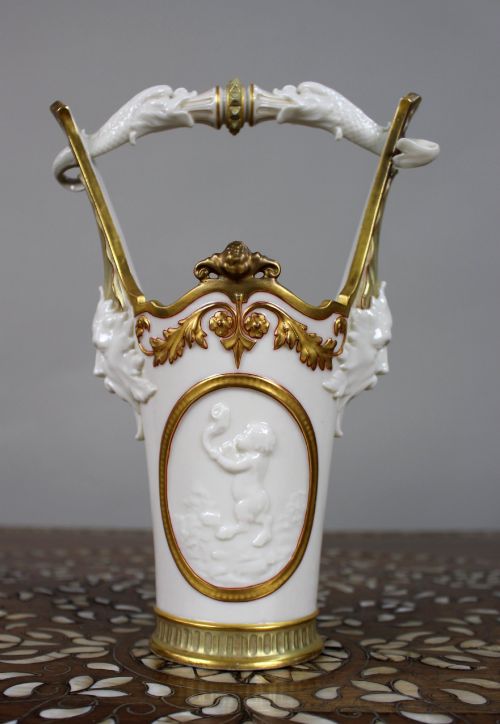
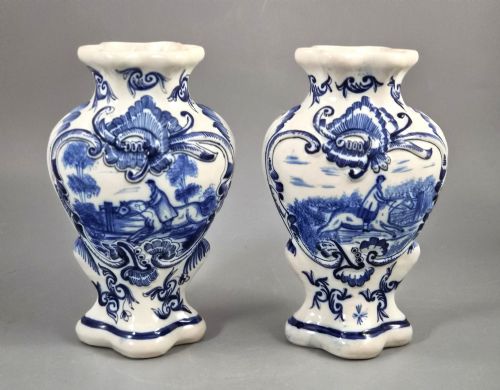
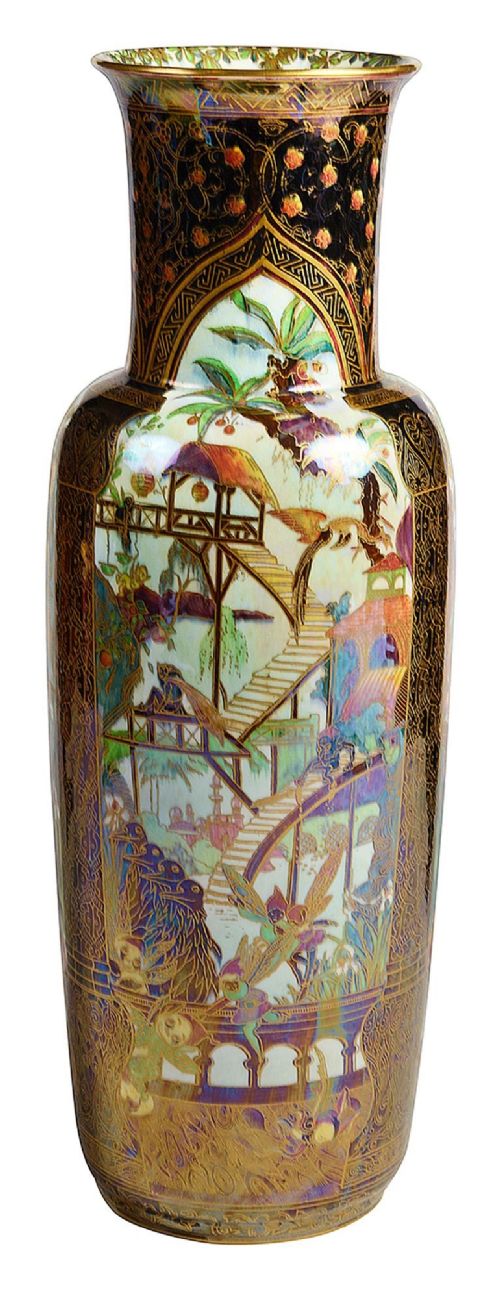
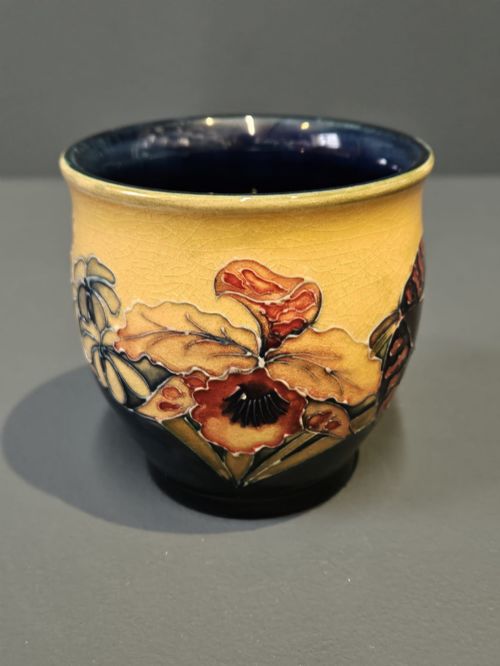
Antique Ceramic Decorative Vases
These antique ceramic decorative vases span Victorian domestic interiors and continental workshops, offering rich glazes, hand-painted motifs, and sculptural earthenware forms.
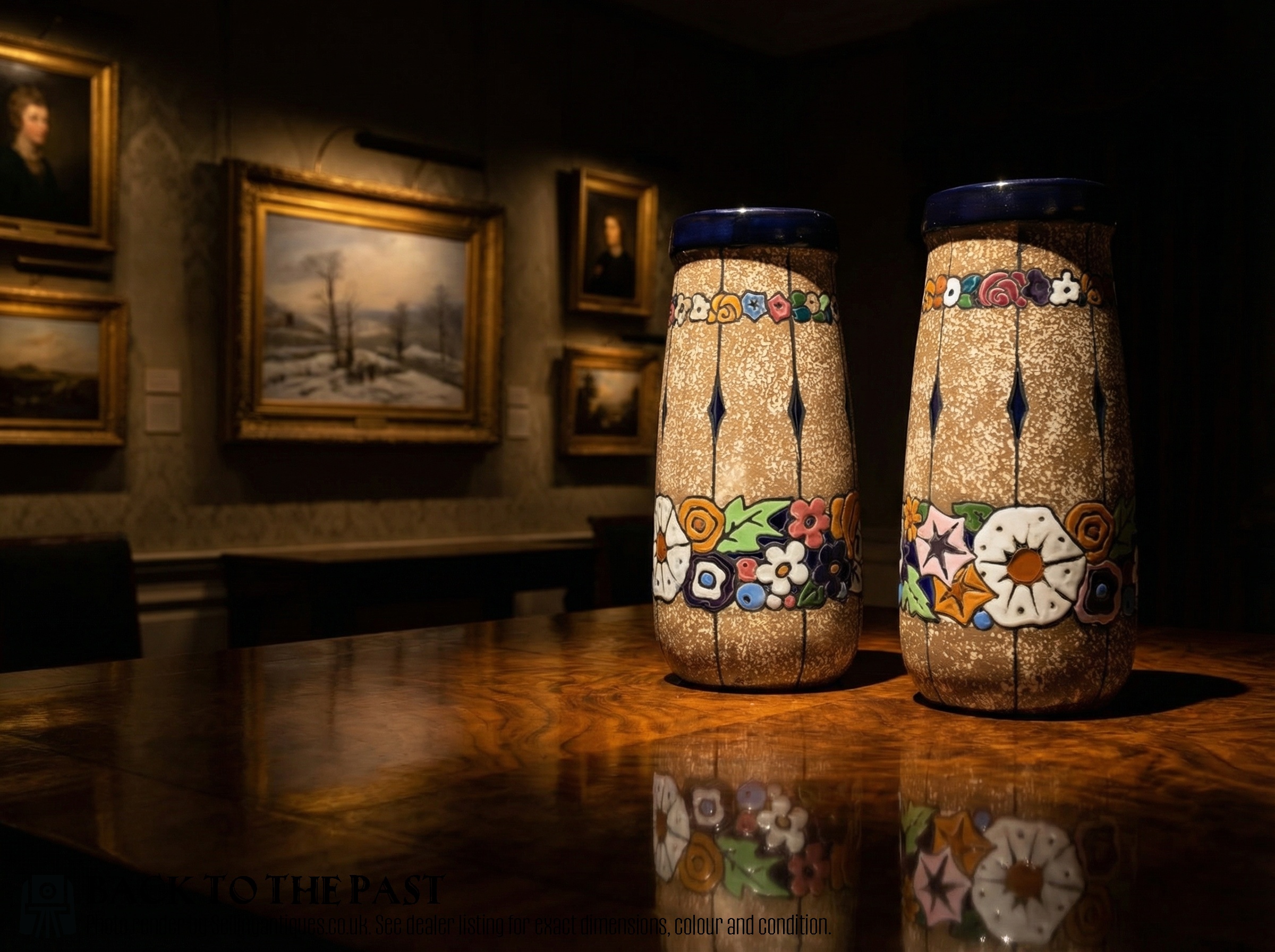
Antique Ceramic Decorative Vases
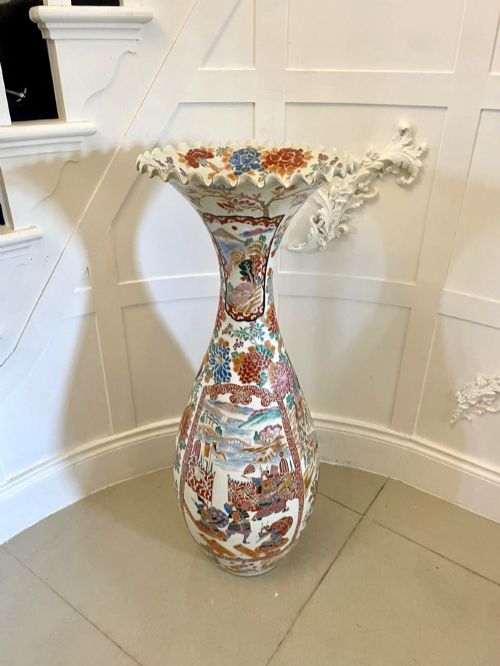
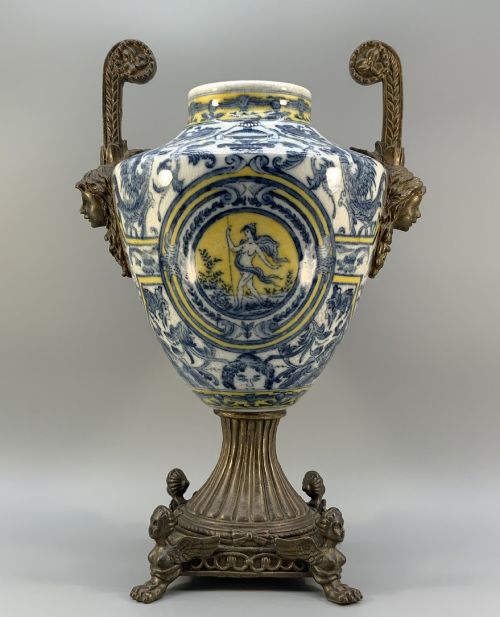
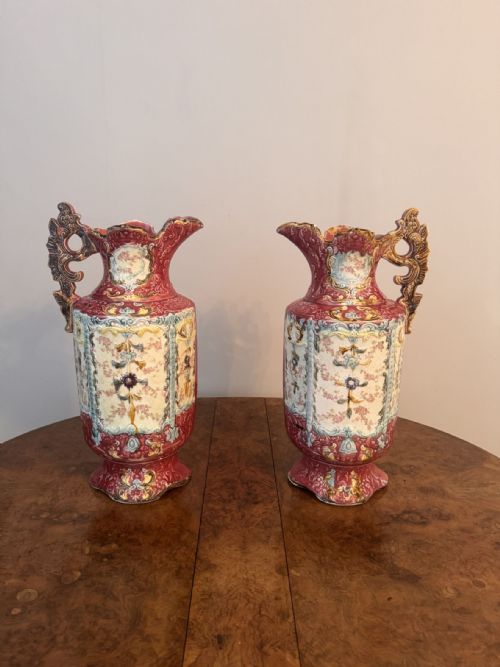
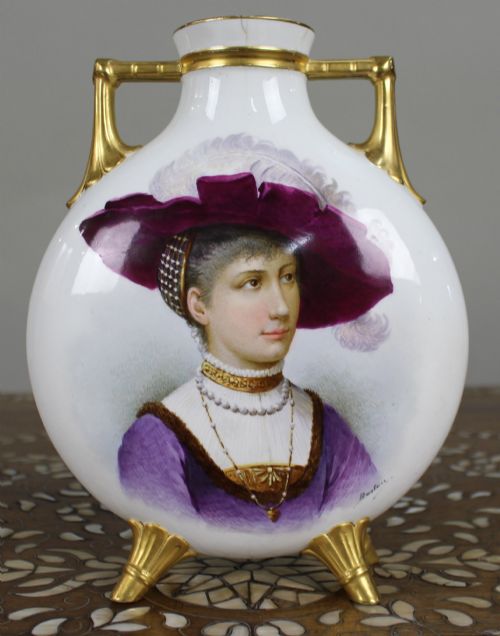
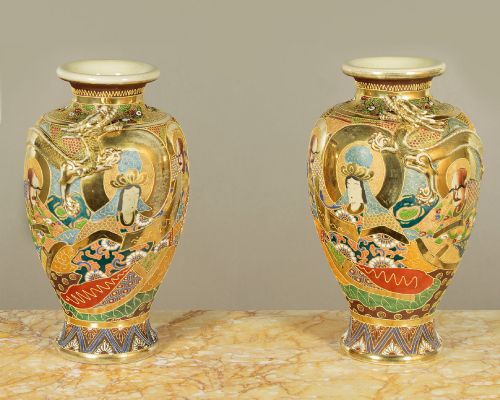
When you search for antique ceramic decorative vases, you encounter diverse forms ranging from large Japanese floor standing examples and Satsuma garnitures to English stoneware jugs, faience ewers, and porcelain moon flasks. The items on this page primarily date from the nineteenth century through the early decades of the twentieth century, reflecting periods such as Victorian, Edwardian, Art Nouveau, and Art Deco. Forms vary from simple baluster shapes to elaborate twin-handled urns, pilgrim flasks, and ginger jars.
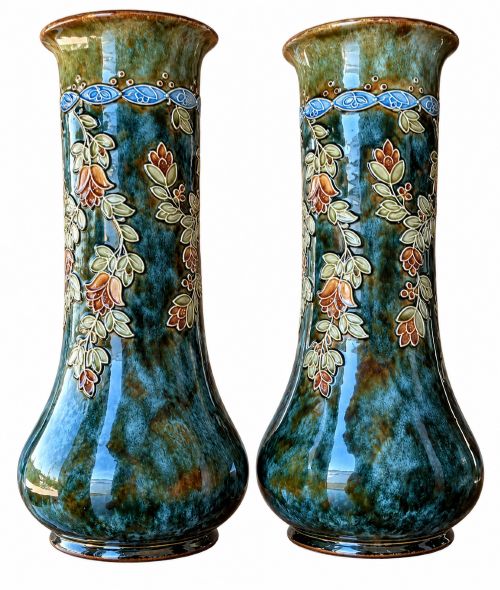
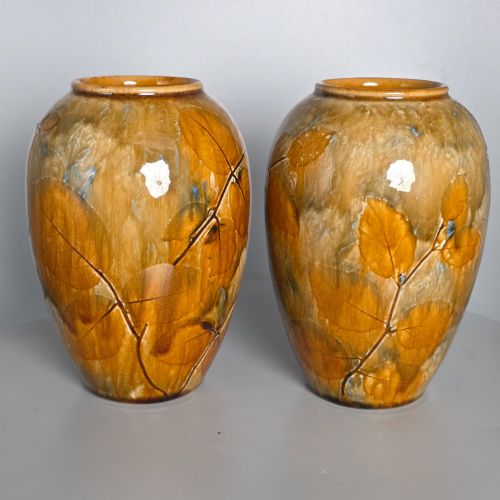
The materials and bodies span earthenware, stoneware, and porcelain, carrying surface treatments that include intricate enamel work, gold leaf, and metallic mounts. Many of these pieces were produced by notable potteries and individual artists working within specific stylistic revivals, such as Renaissance Revival or Arts and Crafts. You will find both single display vessels and matched pairs intended for formal mantelpieces and side tables.
How they were made
Potters shaped these vessels using traditional throwing and moulding techniques, working with local clays, fine stonewares, and soft or hard-paste porcelain bodies. Once formed, pieces received careful applications of glaze, enamel colours, and slip to build up depth and texture before firing in kilns.
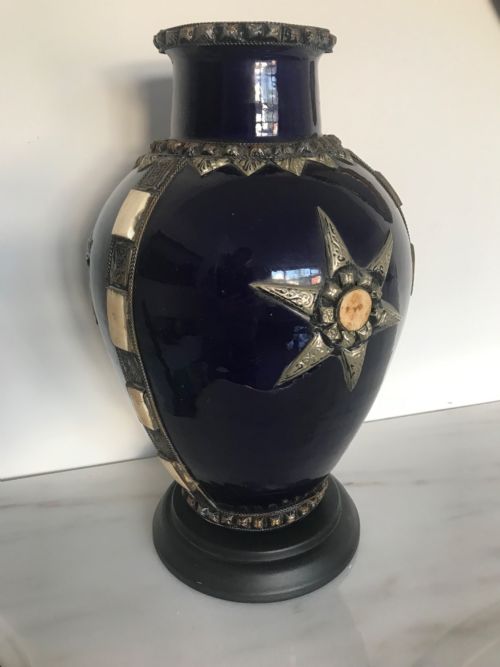
Decoration often involved hand-painting, transfer printing, or the addition of raised enamels, metal leaf, and bronze or silver mounts. Workshops utilised specialised techniques like lustre glazes, copper effects, and jewelled cabochons to create the distinct surface finishes seen across different periods.
Several ceramic ginger jars and urns spent decades moonlighting as table lamps before reclaiming their status as decorative vases.
What varies in quality
Quality rests upon the precision of the modelling, the clarity of the painted or printed decoration, and the depth of the glaze. Finer examples display meticulous hand-painted detail, even glazing without excessive pooling, and well-integrated metal mounts or handles that fit the ceramic body securely.
The reputation of the pottery or the individual artist significantly influences the standing of a piece, alongside the integrity of any applied gilding or enamel work. Well-preserved matched pairs and items retaining original lids or specialist finishes generally represent higher tiers of craftsmanship.
Royal Doulton·Royal Worcester·Wedgwood·Moorcroft McIntyre·Samson Paris
The Antique Ceramic Decorative Vases Glossary
- Earthenware
- Porous pottery fired at lower temperatures, requiring a glaze to hold liquids. It forms the base for many majolica and faience pieces.
- Stoneware
- Dense, impermeable pottery fired at higher temperatures until vitrified. It provides a robust body for heavy utilitarian and decorative vessels alike.
- Porcelain
- A fine, translucent ceramic made from kaolin and petuntse fired at high heat. It is distinguished by its white body and smooth, glassy finish.
- Majolica
- Tin-glazed earthenware decorated with brightly coloured metal oxides. This technique produces vibrant surfaces popular in revivalist decorative wares.
- Lustre
- A metallic surface sheen achieved through a specialised second firing that deposits a thin layer of metal film. It creates an iridescent visual effect.
Antique Ceramic Decorative Vases: Frequently Asked Questions
How were decorative vases used historically?
These vessels served primarily as ornamental centrepieces on mantelpieces, sideboards, and occasional tables within affluent homes. Larger floor-standing examples filled empty architectural corners in Victorian and Edwardian drawing rooms.
Many pieces were also adapted later as lamp bases, a practice that converted decorative items into functional domestic lighting while retaining their original ceramic artistry.
How do I distinguish between earthenware and porcelain?
Earthenware possesses a more porous, opaque body that is fired at lower temperatures and often feels heavier or thicker in the hand. It frequently underpins colourful majolica and faience designs.
Porcelain is a vitrified, hard material that often exhibits translucency when held to the light. It provides a smoother, whiter ground for delicate hand-painted floral or figural scenes.
What defines Art Nouveau ceramic vases?
Art Nouveau pieces showcase organic, flowing lines inspired by natural forms, featuring stylized floral motifs, winding stems, and asymmetrical profiles. Makers utilised matte glazes and iridescent surfaces to complement these sinuous shapes.
These designs often incorporate copper effects, metallic mounts, and whiplash curves that distance them from earlier geometric Victorian styles.
How should I care for antique ceramic vases?
Keep delicate ceramics away from direct sunlight to prevent fading on hand-painted enamel and gilt surfaces. Dust them gently with a dry, soft cloth rather than using liquid cleaners.
Avoid submerging pieces with metal mounts, bronze trim, or applied gilding in water, as moisture can degrade adhesives and tarnish delicate metal elements.