
Antique Ceramic Cabinet Display
These pieces for antique ceramic cabinet display span centuries of porcelain and earthenware plates, dishes, and small display cabinets.
Antique Ceramic Cabinet Display
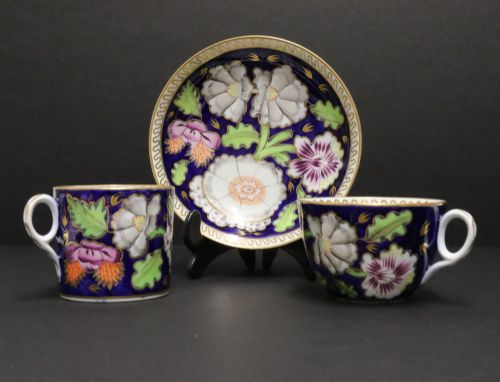
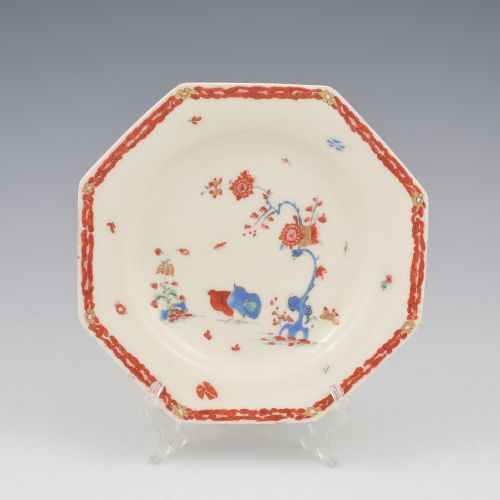
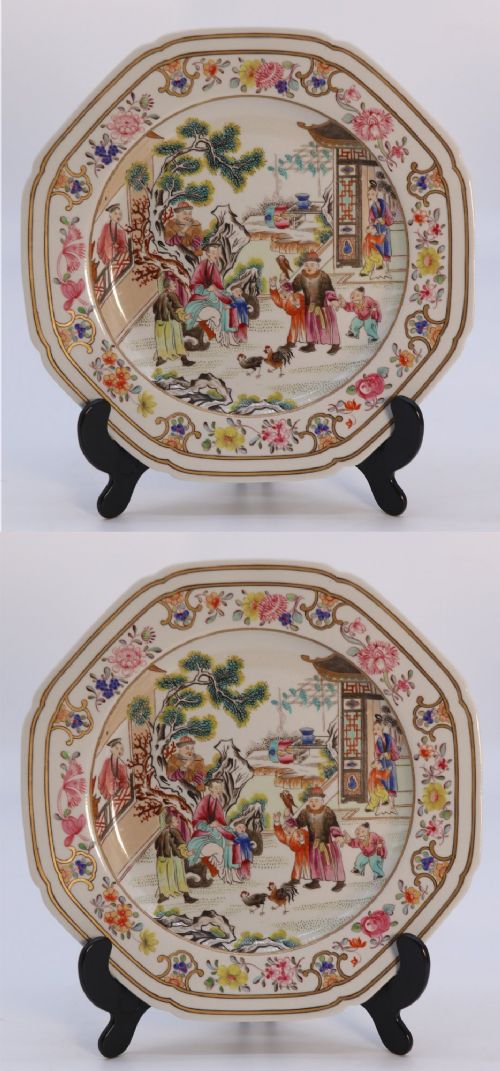
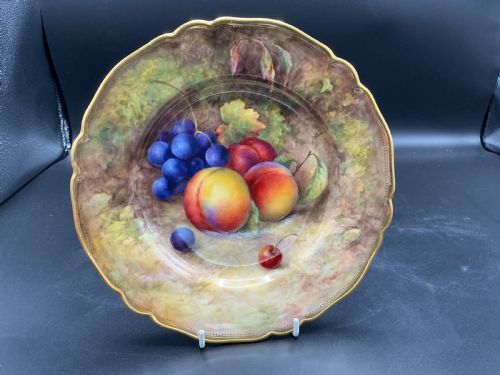
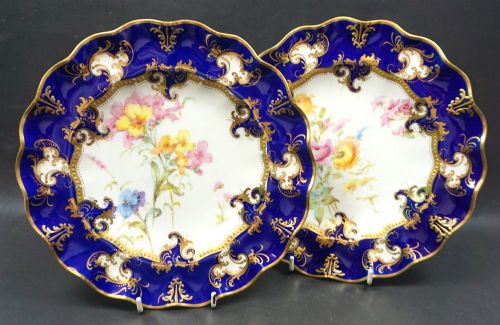
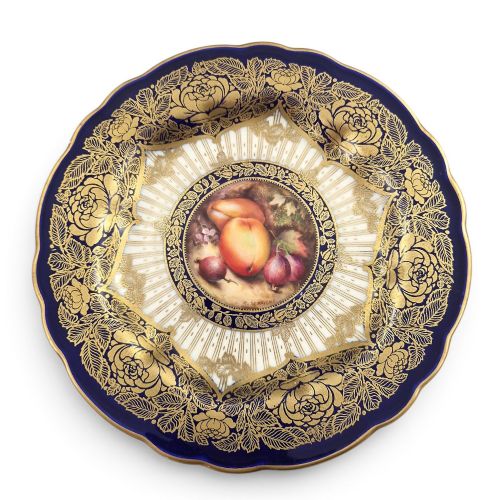
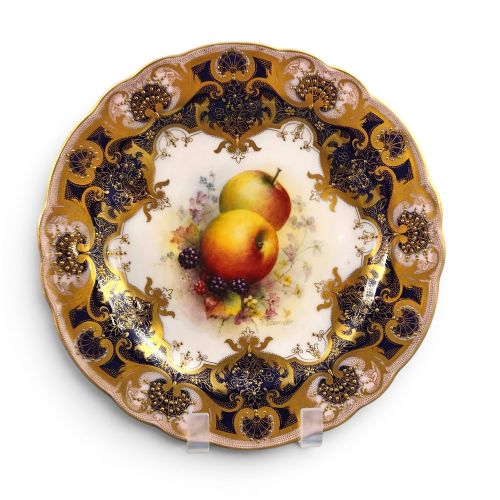
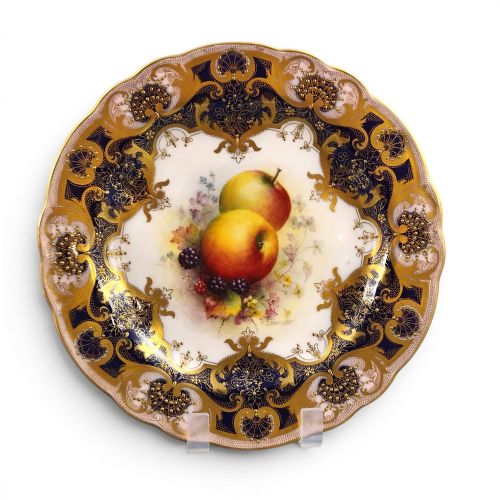
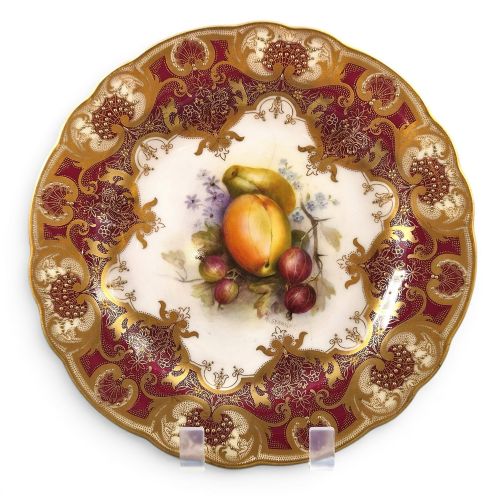
When you search for antique ceramic cabinet display, you encounter a selection centred heavily on cabinet plates, decorative dishes, and occasional display cabinets made to house them. The forms range from 18th-century porcelain octagonal plates to early 20th-century fruit-painted dessert pieces.
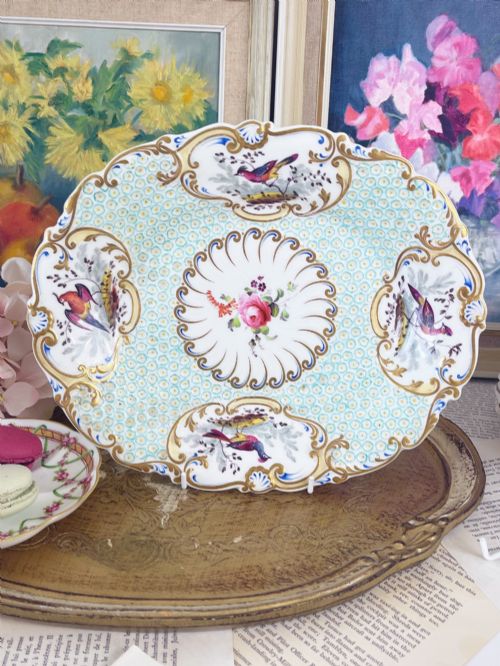
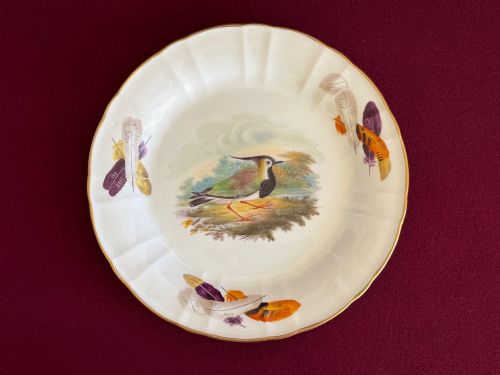
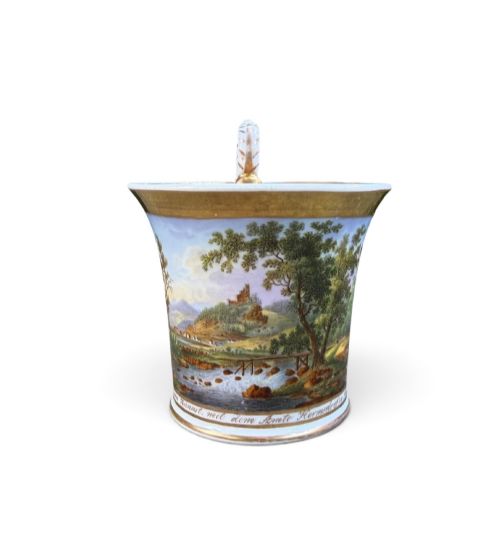
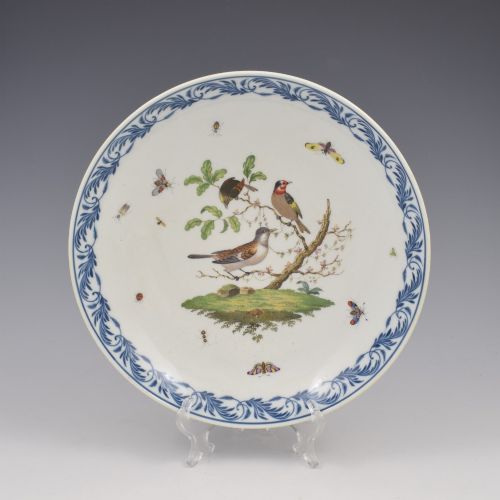
The objects frequently cross paths with prominent periods like the Georgian, Regency, and Victorian eras, alongside specific regional outputs such as English bone china and French porcelain. Plates bearing hand-painted birds, armorial crests, and topographical scenes dominate the selection.
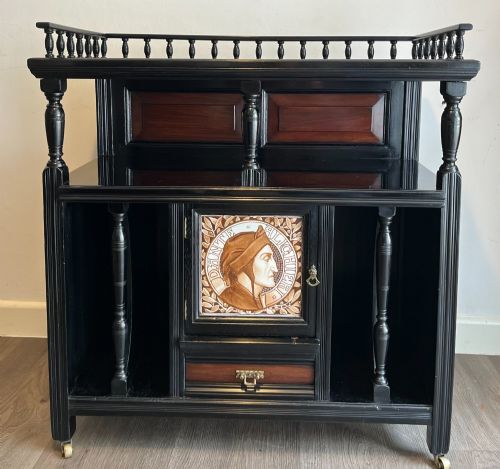
Beyond wall-hanging or table-resting plates, the listings include specialised furniture such as satinwood display cabinets designed specifically to showcase fragile ceramics behind glass. These combined offerings allow collectors to assemble both the display pieces and the vitrines that protect them.
Materials and production techniques
The physical construction relies heavily on fine porcelain, bone china, earthenware, and ironstone, shaped into plates, trays, and plaques. Makers utilised specialised glazes and enamel painting, often enhanced with gold leaf and gilding to accentuate the painted motifs.
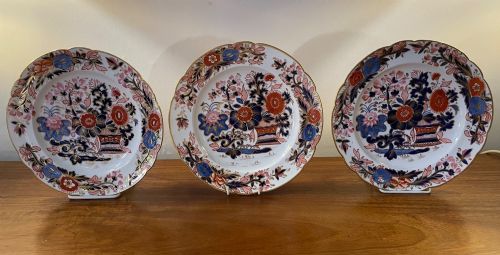
Decoration required skilled hands to apply intricate handpainted details, from ornithological bird studies to floral sprays and Japanese Imari patterns. Firing techniques across the 18th, 19th, and early 20th centuries yielded durable stoneware bases and translucent porcelain bodies.
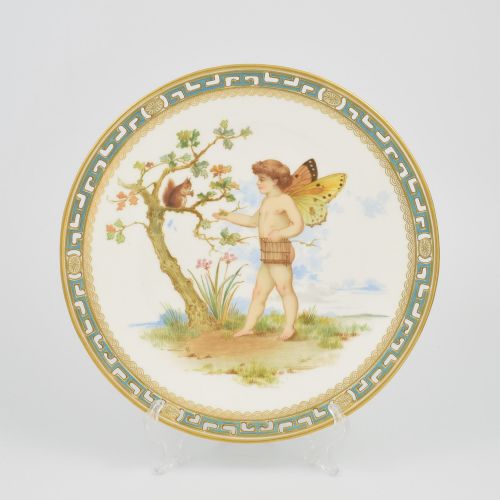
Squirrels, fairies, and quails frequently peer out from the painted brushwork of Victorian porcelain plates.
Evaluating quality in display ceramics
Quality rests significantly on the precision of the hand-painted artistry, distinguishing factory production work from signed pieces by known painters like Richard Sebright or David Dewsberry. Finer items exhibit superior brushwork control, particularly in complex subjects such as portraits, topographical scenes, and detailed bird plumage.
The crispness of gilding and the preservation of enamel colours over time also separate standard utilitarian wares from superior cabinet specimens. Furthermore, the complexity of the porcelain body, including reticulated pierced borders and armorial crests, marks the higher tiers of production.
H and R Daniel·Royal Worcester·Royal Crown Derby·Meissen·Minton·Maple and Co·Royal Doulton·John Ridgway·Barr Flight and Barr·Sevres
The Antique Ceramic Cabinet Display Glossary
- Cabinet plate
- A decorative plate intended strictly for display in a cabinet or on a stand rather than for dining use. These often feature elaborate hand-painted scenes and gilded borders.
- Bone china
- A type of soft-paste porcelain incorporating bone ash, developed to provide high strength, durability, and a characteristic milky translucency.
- Imari palette
- A decorative colour scheme utilising underglaze blue, iron red, and gold, inspired by traditional Japanese export porcelains.
- Reticulated
- Describes ceramic work featuring an openwork or pierced pattern cut into the rim or body of the piece during manufacture.
- Ironstone china
- A patented type of durable earthenware developed in the 19th century as a tougher alternative to porcelain.
Antique Ceramic Cabinet Display: Frequently Asked Questions
What is a cabinet plate?
A cabinet plate is a decorative ceramic piece manufactured primarily for visual exhibition rather than everyday dining use. They frequently feature intricate hand-painted artwork, gilt borders, and armorial details.
Because they were meant to be kept in display cases or mounted on walls, these plates often survive in cleaner condition than standard tableware.
How do I identify the period of an antique plate?
Dating ceramic pieces involves examining the factory marks stamped or painted on the underside, the style of the glaze, and the painting technique. Stylistic cues like Rococo Revival curves or Aesthetic Movement motifs offer strong clues to the decade of manufacture.
Reference books and maker mark guides help match specific ciphers to exact manufacturing years.
How should I display antique porcelain safely?
Antique porcelain and bone china require stable environments away from direct sunlight, which can fade delicate enamel colours over time. Utilising proper plate stands or dedicated glazed display cabinets protects them from accidental knocks and dust.
Ensuring that furniture is level prevents plates from shifting or sliding off display ledges.