



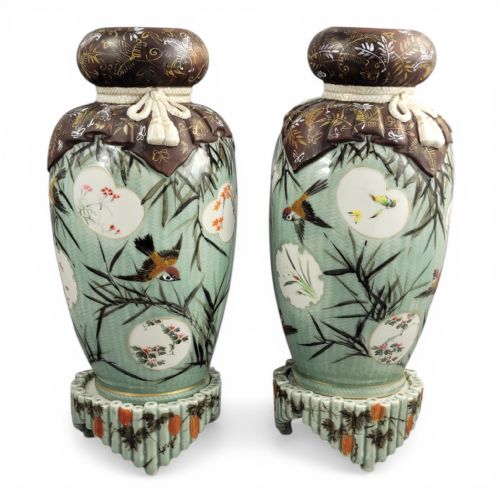


Antique Ceramic Bird Pair
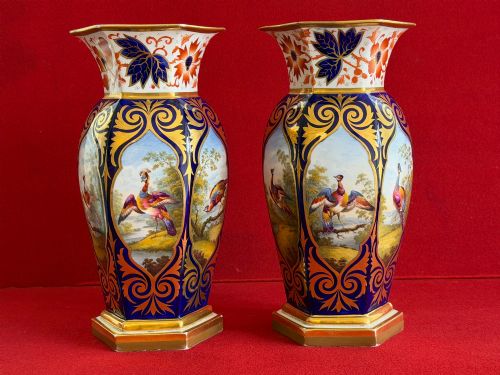
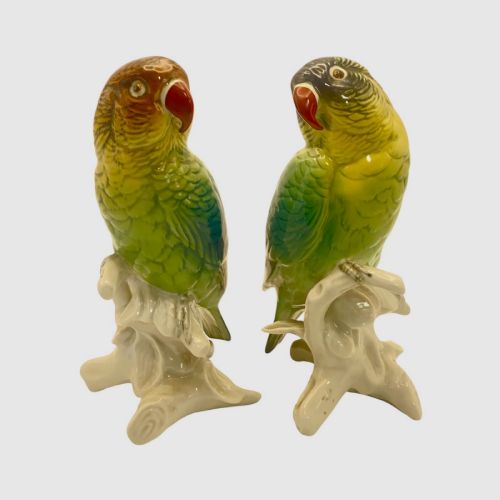
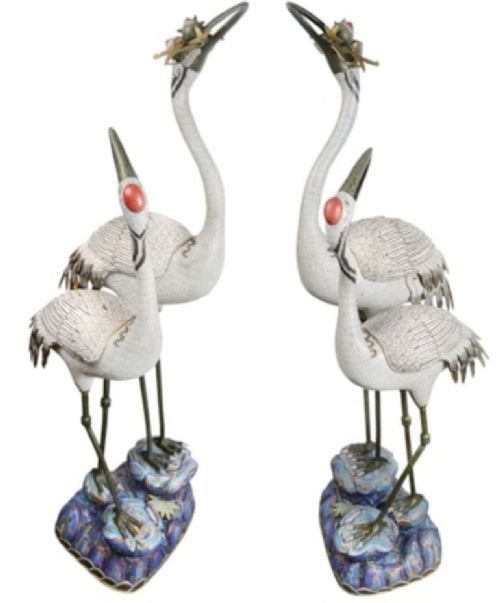
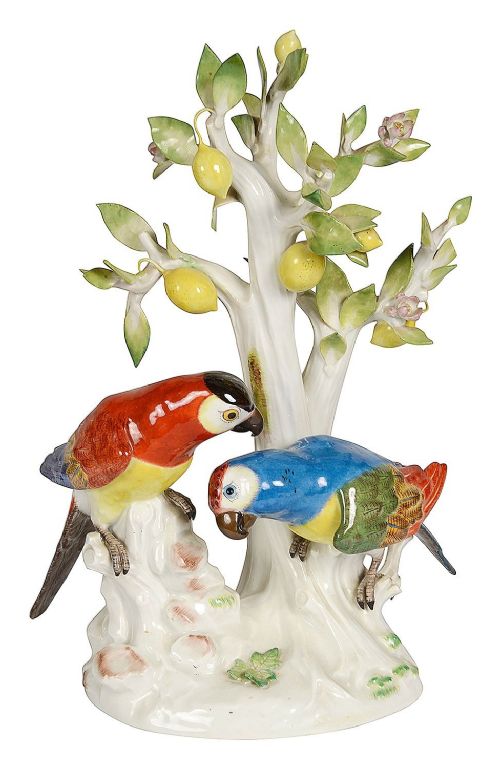
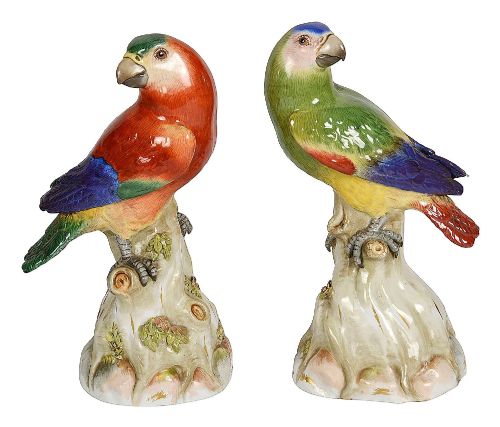
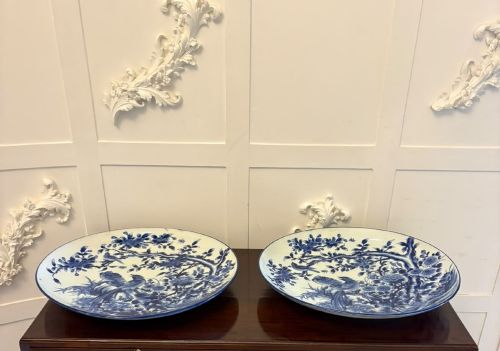
These antique ceramic bird pair selections bring together matched figurines, vases and dishes shaped as parrots, cockatoos, cockerels and cranes from European and Asian kilns.
Antique Ceramic Bird Pair
An antique ceramic bird pair brings together matching vessels, plates, centrepieces or sculptural figures decorated with avian motifs or modelled directly as birds. The selections span centuries of ceramic production across Europe and Asia, featuring forms from English porcelain vases and cream tureens to Japanese Imari chargers and Satsuma vessels.
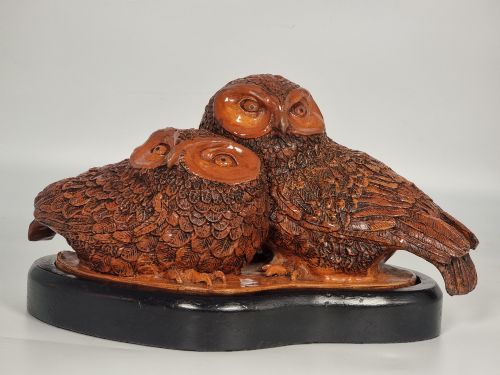
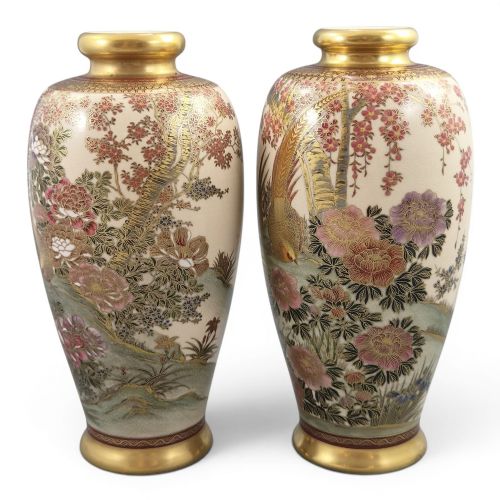
Buyers encountering this group will frequently meet 19th century European porcelain figures and Japanese earthenware or porcelain vases bearing hand-painted or enamelled bird subjects. The grouping includes works modelled as specific species such as parrots, cockatoos, hoopoes and cockerels alongside pieces painted with exotic birds and peonies.
Objects range from Regency Worcester porcelain and Meissen figures to Japanese Meiji period Arita, Imari and Satsuma wares. Each pair demonstrates the historical demand for balanced decorative symmetry in domestic interiors.
Materials and production methods
Maker's workshops utilised porcelain, earthenware, terracotta, and faience, shaping the clay through throwing, moulding or slip casting before kiln firing. Many pieces received a vitreous glaze to seal the body, providing a smooth surface for subsequent decoration.
Hand-painted polychrome enamels, underglaze blue, iron red, and gold leaf or gilding were applied over or under the glaze. Surface detailing often included intricate shallow relief moulding, particularly on Japanese dishes and Chinese porcelain vases.
Listings span multiple centuries, incorporating 18th-century earthenware and porcelain alongside 19th-century Japanese Satsuma and European figures.
Distinctions in quality
Quality rests upon the crispness of the modelled form and the precision of the hand-painted brushwork applied to the feathers and surrounding flora. Superior examples demonstrate naturalistic proportions and confident, detailed pigment application without muddiness in the enamel colours.
The sophistication of the kiln firing also dictates worth, separating pieces with clean, even glazes and stable gilding from those with firing blemishes or distorted shapes. Maker attribution and the retention of original matching stands further elevate the standing of a pair.
Flight, Barr and Barr·Karl Ens·Meissen·Manpei·Kinkōzan·Kato Sanhei·Makuzu Kozan II·Mason’s·Bretby·Hododa·Alcora·Rozenburg·Fukagawa·Royal Worcester·Kizan
The Antique Ceramic Bird Pair Glossary
- Imari
- A style of Japanese porcelain decorated in underglaze blue, iron red, and gold, named after the port from which the wares were shipped. The palette creates a vibrant, contrasting surface decoration.
- Satsuma
- A type of Japanese earthenware featuring a pale, ivory crackle glaze decorated with enamel colours and gilding. These pieces were often produced for export during the Meiji period.
- Faience
- European tin-glazed earthenware produced with an opaque white glaze that serves as a ground for painted decoration. The technique allows for bright polychrome designs fired directly onto the surface.
- Tureen
- A deep covered vessel originally used for serving soups or sauces, often fashioned in matching pairs as decorative table ceramics. Eighteenth and nineteenth-century examples sometimes took the sculptural form of birds.
- Ironstone
- A type of durable earthenware patented in the nineteenth century to rival porcelain. It provides a robust body suited to heavy domestic use and detailed transfer-printed or hand-painted ornamentation.
Antique Ceramic Bird Pair: Frequently Asked Questions
What are these ceramic bird pairs?
These items are matching sets of plates, vases, tureens, and sculptural figures from European and Asian potteries, decorated with avian subjects.
They represent centuries of ceramic artistry, capturing species ranging from parrots and cockerels to cranes and hoopoes.
How were these bird ceramics used?
Many served as decorative garnitures on mantelpieces and tabletops, designed to bring symmetrical balance and colour to formal rooms.
Some items, such as tureens, plates, and cream vessels, also served practical dining functions alongside their decorative appeal.
How do I care for antique ceramics?
Keep delicate glazed surfaces away from direct sunlight to preserve hand-painted enamel colours and delicate gilding.
Dust gently with a dry, soft cloth and avoid using harsh chemical cleaners or submerging porous earthenware bodies in water.
How do I identify different ceramic periods?
Study the base for factory marks, mon symbols, or handwritten signatures that link the piece to specific historical eras like the Meiji period or Regency.
Material composition, such as the heavy body of ironstone versus the translucency of porcelain, also helps determine the date.