




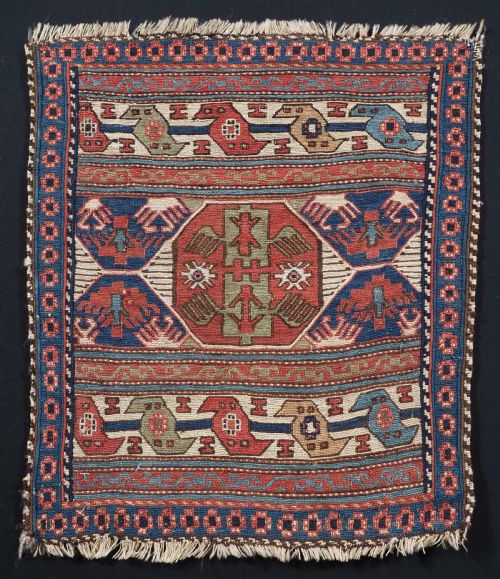
Antique Caucasian Soumak
When you search for antique caucasian soumak, you uncover flat-woven rugs and storage bags prized for their intricate geometric motifs and rich historic character.
Antique Caucasian Soumak
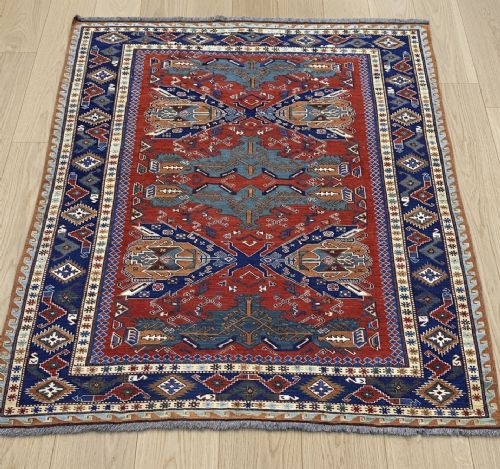
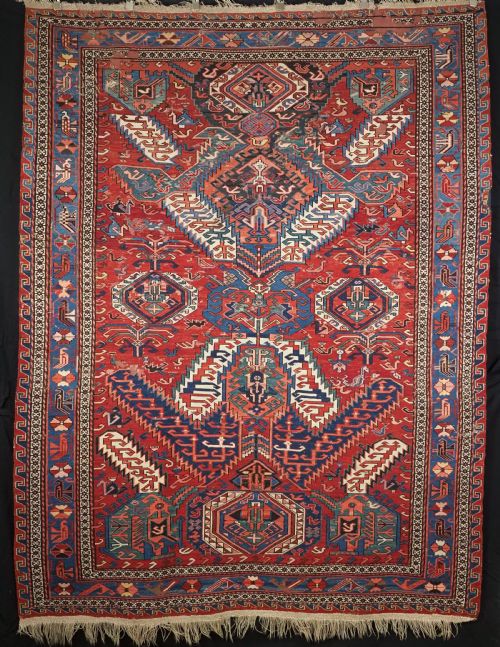
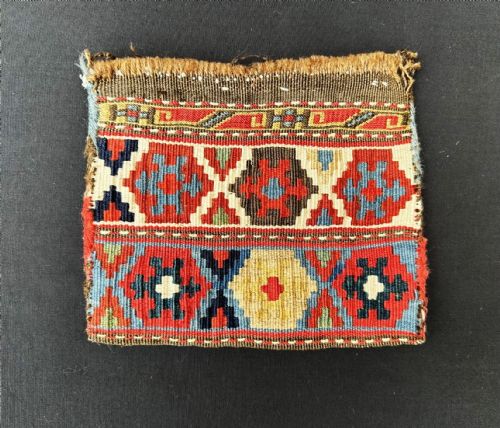
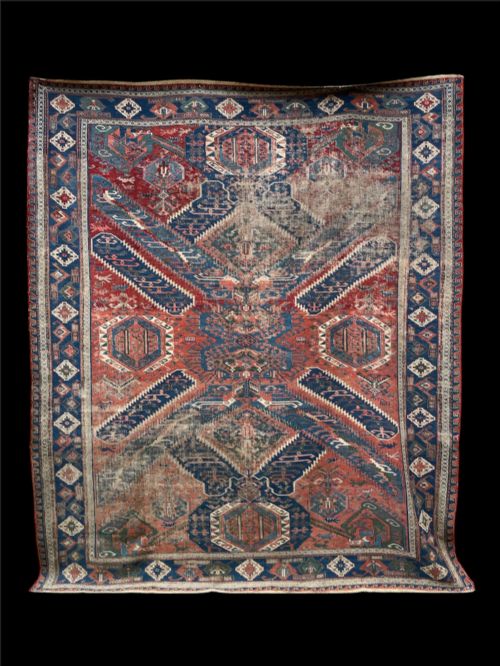
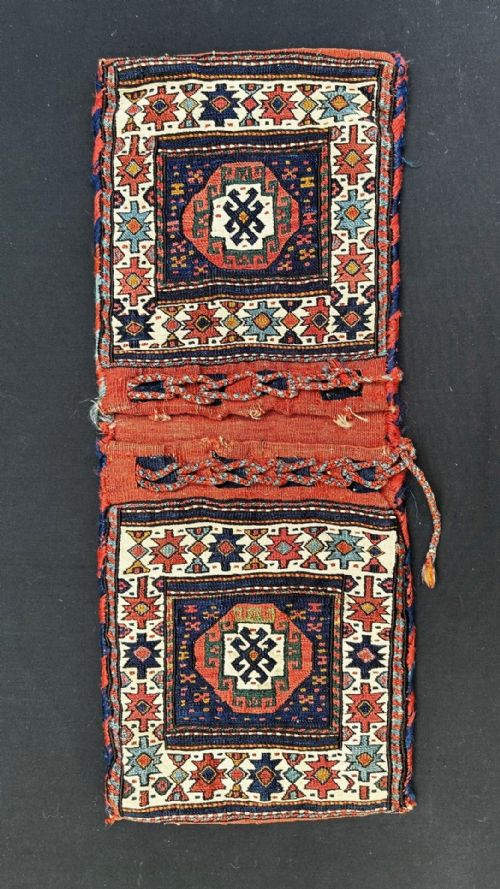
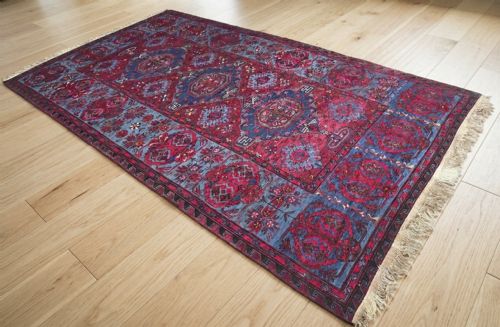
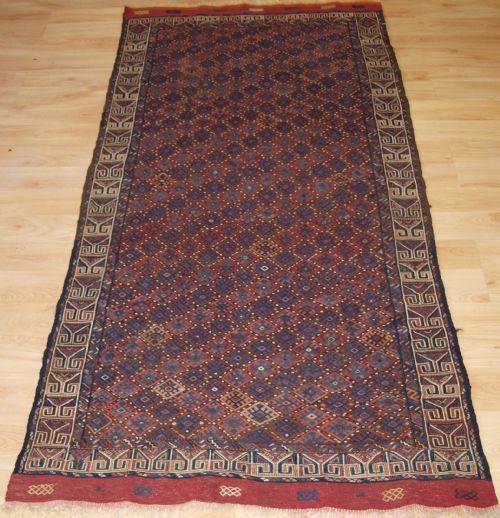
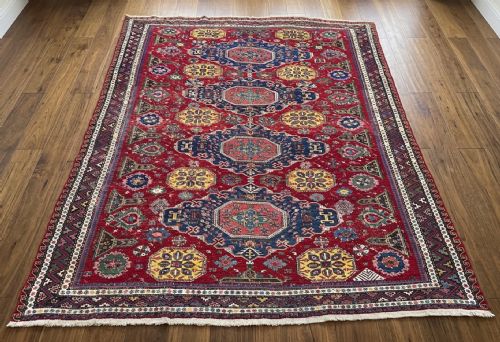
An antique caucasian soumak represents a distinct class of flat-woven tribal textiles originating from the Caucasus region and associated groups such as the Shahsevan nomads. These pieces range from substantial carpets featuring triple medallion designs to smaller utilitarian forms like vanity bags, saddlebags, and mafrash storage panels.
The aesthetic bridges several regional traditions, encompassing Daghestan, Kuba, and the Moghan region in Azerbaijan, alongside Kurdish influences. Buyers frequently encounter nineteenth-century examples dated from the eighteen-fifties through to nineteen-hundred, displaying motifs that include birds and dragons.
Forms vary from complete storage containers and bag faces to larger floor coverings and wall panels. Each object reflects the nomadic or tribal background of its makers through specific regional patterns and traditional weaving structures.
Materials and construction
Weavers constructed these textiles primarily using hand-spun wool, applying a flat-weave technique where coloured weft threads wrap over and under the warp threads. This wrap-and-weft method creates a durable fabric with a textured face and distinct structural integrity.
The palette relies on natural and vegetable dyes to achieve deep colour saturation across the wool fibres. These organic colourants produce rich tones on yellow ground borders and field patterns that age with a harmonious patina.
Antique Caucasian Soumak Retail Price Guide 2026
Typical asking prices for caucasian soumak among the pieces listed under this phrase on Sellingantiques today, from the lower quarter to the upper quarter. They describe what is for sale here now, not the wider market.
Materials documented across the inventory consist entirely of wool, hand-spun wool, natural dyes, and vegetable dyes.
Distinctions in quality
The standard of an antique caucasian soumak depends on the precision of the flat-weave structure and the complexity of the design layout. Pieces displaying scarce motifs like dragons or multi-tiered medallions demonstrate superior artistic ambition from the weaver.
The integrity of the hand-spun wool and the depth of the natural or vegetable dyes dictate the visual richness of the surface. Surviving examples that retain complete storage bag construction or crisp bag faces hold greater historical substance than fragmentary panels.
The Antique Caucasian Soumak Glossary
- Soumak
- A flat-weave textile technique where supplementary weft threads wrap around the warp threads to create a textured, durable surface. This method produces a sturdier fabric than standard tapestry weaving.
- Mafrash
- A large rectangular storage chest or bedding bag made by nomadic groups, often assembled from four separate decorative panels and a base. These pieces served practical domestic functions within nomadic tents.
- Khorjin
- A traditional pair of saddlebags used for transport on animals during tribal migrations. They are frequently encountered today as single bag faces or complete twin pouches.
- Shahsevan
- A confederation of nomadic and semi-nomadic tribes inhabiting northwestern Iran and the southern Caucasus. They are renowned for producing finely worked soumak storage bags and panels.
- Daghestan
- A mountainous region in the eastern Caucasus known for distinctive weaving styles and geometric rug designs. Pieces originating here often display crisp medallion formats.
Antique Caucasian Soumak: Frequently Asked Questions
What is a soumak weave?
A soumak weave is a flat-weaving technique where coloured weft threads wrap horizontally around the vertical warp threads. This wrapping action leaves floating threads on the reverse and creates a ribbed, durable surface on the front.
Unlike standard kilims, soumak textiles possess extra structural weight and thickness. This makes them resilient enough for floor use while retaining fine detail in geometric patterns.
How were storage bags used?
Nomadic tribes utilised storage bags like mafrash panels and vanity bags to transport and store household goods, bedding, and personal belongings. They formed an essential part of daily domestic life in portable dwellings.
When loaded onto pack animals or stacked inside tents, these colourful textiles combined practical utility with tribal identity. Today, collectors preserve them as wall hangings or decorative flat-weaves.
Where did these pieces originate?
These textiles originate from the Caucasus region, encompassing areas like Daghestan, Kuba, and the Moghan region in Azerbaijan. Various tribal groups, including the Shahsevan nomads and regional Kurds, produced them.
Each geographic area developed particular colour combinations and design vocabularies. Recognising these regional traits reveals the specific cultural background of individual weavings.