





Antique Cast Iron Scraper
An antique cast iron scraper is a sturdy threshold fixture designed to clear mud from footwear before entering the house.
Antique Cast Iron Scraper
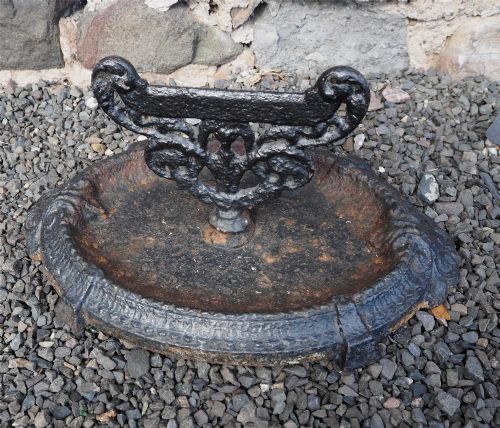
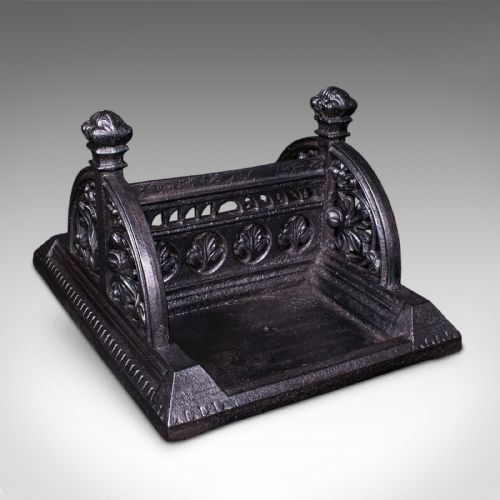
An antique cast iron scraper stands at the threshold of historic houses, designed to clean mud and dirt from boots before entering. These utilitarian pieces range from simple street-level town house fixtures to ornate country house models incorporating boot pulls.
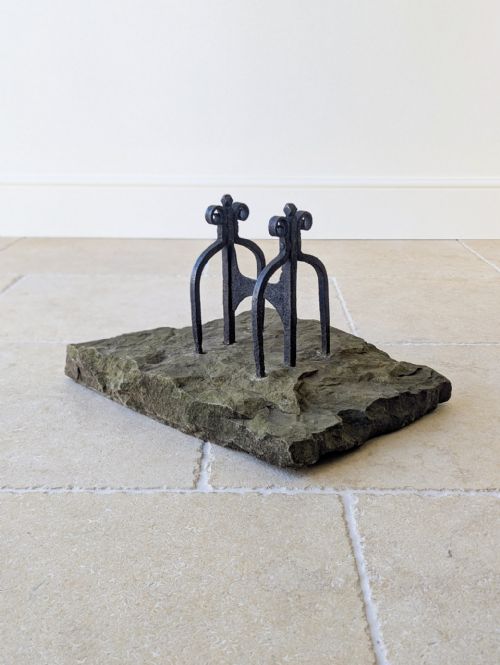
Most examples you will encounter date from the Georgian and Victorian periods, reflecting the heavy foot traffic of unpaved nineteenth-century streets. They frequently appear as standalone iron blades or inset into heavy stone bases.
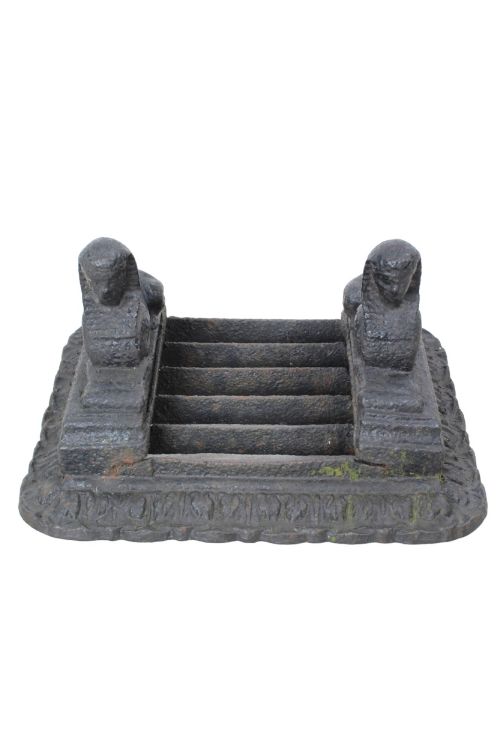
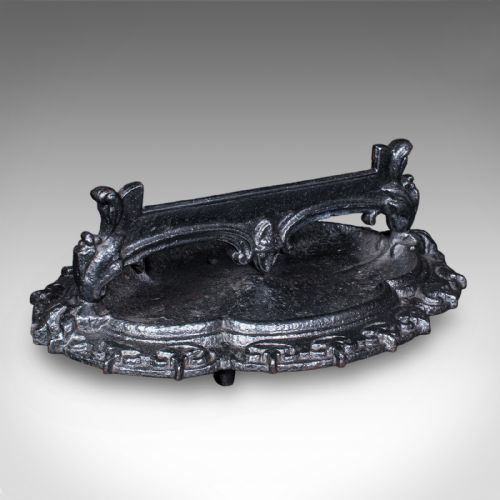
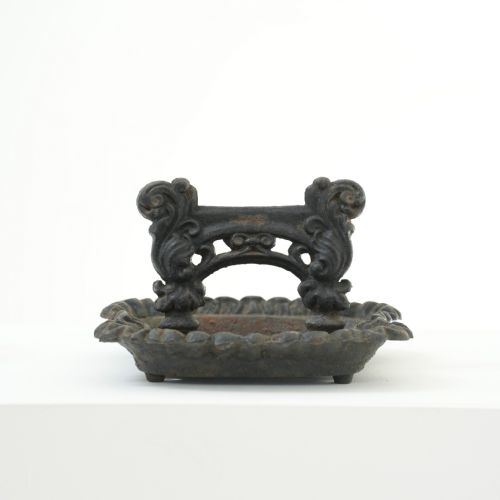
Forms vary from plain utilitarian panels to decorative pieces featuring Gothic Revival, Regency, and Egyptian Revival motifs. Some include integrated handles or loops designed to help pull off muddy riding boots.
How they were made
Makers utilised traditional foundry techniques to pour molten metal into moulds, creating crisp architectural details and robust blades. Wrought iron elements and fixings were frequently combined with the cast metal for added structural strength.
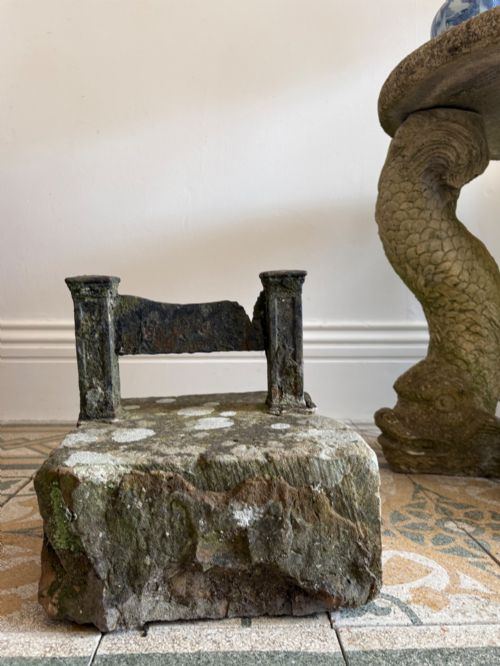
Many heavy examples were permanently anchored into natural stone blocks, including Yorkstone and Bath stone, to provide stability during vigorous use. This heavy stone foundation kept the scraper firmly upright against the repeated downward pressure of heavy footwear.
Period styles found across the inventory range from Georgian and Regency through to Victorian Gothic Revival and Egyptian Revival.
What varies in quality
Quality rests in the crispness of the foundry casting and the architectural ambition of the design, distinguishing standard utilitarian hardware from decorative country house pieces. Elaborate stylistic details, such as Gothic arches or Egyptian motifs, indicate superior craftsmanship.
The choice of foundation material also elevates a piece, with heavy hewn stone bases demonstrating a higher tier of production than simple floor-fixed blades. Original pairings of cast iron with matching stone blocks represent the more substantial end of surviving examples.
Coalbrookdale
The Antique Cast Iron Scraper Glossary
- Cast Iron
- An iron-carbon alloy poured into moulds to create rigid shapes. It provides the heavy, durable material necessary for withstanding outdoor weathering.
- Wrought Iron
- Tough, malleable iron worked by hand with a hammer and anvil. It is often found alongside cast elements in structural supports and pulls.
- Yorkstone
- A tough British sandstone used traditionally for paving and architectural blocks. Scrapers were frequently inset directly into blocks of this durable stone.
- Boot Pull
- An integrated handle or loop designed to leverage off muddy boots. It allows the user to steady their foot while scraping the sole.
Antique Cast Iron Scraper: Frequently Asked Questions
Where were boot scrapers originally placed?
These fixtures were traditionally positioned directly outside front doorways, beside the entrance steps of townhouses and country estates.
Their location ensured visitors and residents could clear heavy mud from their footwear before stepping onto interior carpets or floors.
What is the difference between Georgian and Victorian scrapers?
Georgian examples often feature simpler, functional lines or restrained Regency and early Gothic influences suited to period townhouses.
Victorian models tend to display heavier ornamentation, including ornate cast decoration and distinct revival styles like Egyptian or Gothic Revival.
How do I clean an iron scraper?
Maintenance typically involves gently removing surface dirt with a soft brush and applying a protective wax or oil finish.
Harsh chemical cleaning should be avoided to preserve the historic dark surface and natural patina accumulated over centuries.
Can these scrapers still be used outside?
These robust iron objects remain structurally suited for exterior placement beside modern doorways.
Their durable metal composition and heavy stone bases allow them to withstand weathering much as they did in the nineteenth century.