

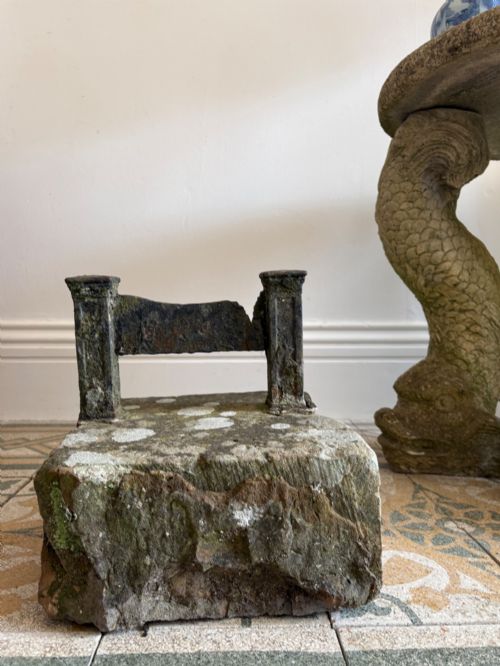


Victorian Door Scraper
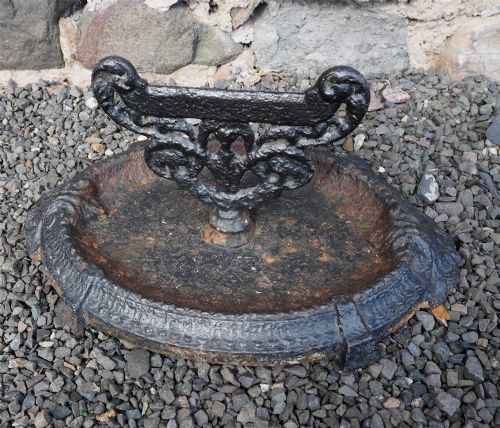
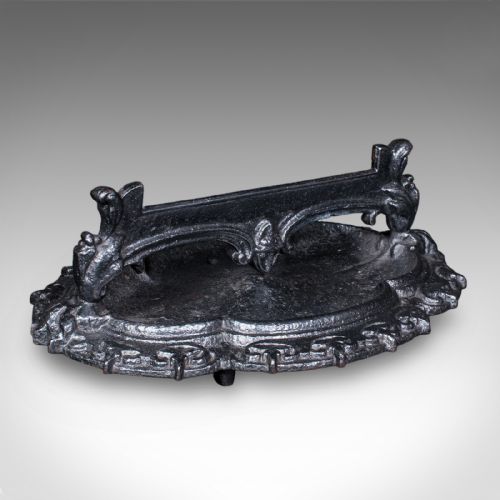
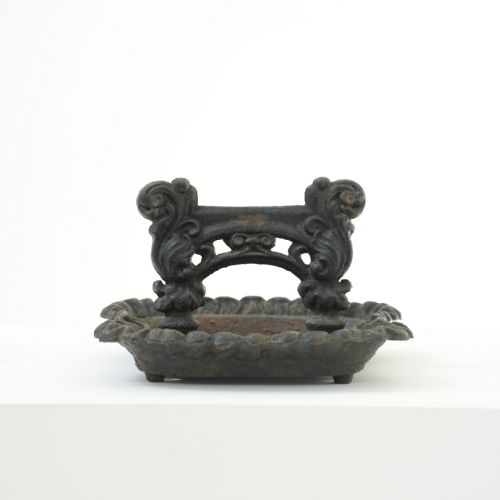
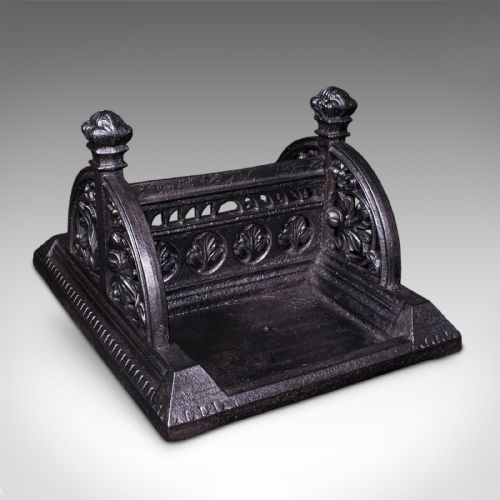
These Victorian door scraper examples are heavy functional ironwork designed to clear mud from footwear before entering the house.
Victorian Door Scraper
A Victorian door scraper is a utilitarian entrance fixture designed to clean heavy mud and dirt from boots and shoes before entry. The examples seen here range from simple townhouse models to decorative forms created during the nineteenth century.
Most pieces on this page are constructed from durable cast iron, occasionally paired with hewn stone blocks for stability at the threshold. Forms vary from straightforward boot scrapers to those incorporating shoe pulls or ornamental lion designs.
How they were made
Foundries utilised traditional sand casting techniques to produce the robust iron frames required to withstand heavy daily use outside doorways. Molten metal was poured into moulds to create both the plain utilitarian scrapers and the ornate Gothic Revival patterns.
Heavier iterations were secured directly into hewn stone blocks or doorstep mounts to anchor the scraper firmly against the force of scraping boots. Ironwork from makers such as Coalbrookdale demonstrates the fine detail achievable in nineteenth-century metal production.
Victorian Door Scraper Retail Price Guide 2026
Typical asking prices for victorian door scraper among the pieces listed under this phrase on Sellingantiques today, from the lower quarter to the upper quarter. They describe what is for sale here now, not the wider market.
Some Victorian door scrapers double as fierce iron lions, guarding the threshold from mud with unblinking metallic resolve.
What varies in quality
Quality in a Victorian door scraper rests upon the crispness of the casting and the presence of decorative architectural detailing. Plain utility models differ significantly from ornate Gothic Revival pieces or those featuring sculptural elements like lions.
The integrity of the material and the survival of the original mounting stone or base distinguish superior examples from standard utilitarian survivors. Finer specimens display sharper surface relief and retain substantial weight in the iron blade.
Coalbrookdale
The Victorian Door Scraper Glossary
- Cast iron
- A strong, hard iron-carbon alloy produced by pouring molten metal into a mould. This material forms the primary structure of nearly all nineteenth-century boot scrapers.
- Gothic Revival
- An architectural and decorative style drawing inspiration from medieval forms. Pieces in this style often feature pointed arches and decorative tracery.
- Boot scraper
- An outdoor fixture placed near a doorway for cleaning mud off footwear. These fixtures were essential outside nineteenth-century townhouses and country houses.
- Shoe pull
- An integrated feature designed to assist with removing boots. Found alongside scraper blades on certain townhouse models.
Victorian Door Scraper: Frequently Asked Questions
What is a Victorian door scraper?
A Victorian door scraper is an iron fixture traditionally mounted outside a doorway to remove mud and dirt from footwear. These heavy implements were essential domestic accessories during the nineteenth century.
They range from simple functional blades to decorative Gothic Revival pieces and sculptural forms designed for grand townhouses.
Where were door scrapers placed?
These scrapers were installed directly outside front doors, often inset into stone steps, thresholds, or paved pathways. Their placement ensured visitors cleaned their shoes before stepping inside.
Many examples remain attached to heavy hewn stone blocks intended to keep the iron blade stable during use.
How do I date a door scraper?
Dating relies on stylistic clues such as Gothic Revival ornament or specific nineteenth-century manufacturing traits in the cast iron. The presence of registration marks or known foundry attribution also helps determine age.
Most surviving pieces date from the Victorian era, particularly the middle and late nineteenth century.
What materials were used?
Cast iron is the primary material used for the blades and decorative frames due to its strength and durability. Some examples are combined with hewn stone bases for added weight and stability.
Iron components were left unpainted or treated to resist outdoor weathering.