

Antique Carved Storage Cabinet
An antique carved storage cabinet brings both solidity and history to a room, offering practical concealment for household belongings behind period timber.
Antique Carved Storage Cabinet
When buyers search for an antique carved storage cabinet, they encounter a diverse assembly of timber furniture designed to hold domestic goods while displaying period craftsmanship. The selection spans robust early oak pieces to refined walnut and mahogany forms from later centuries.
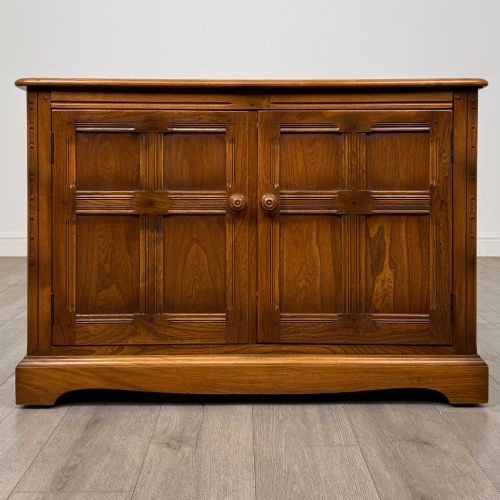
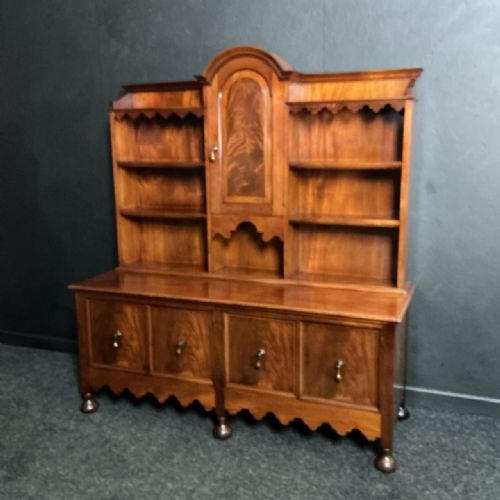
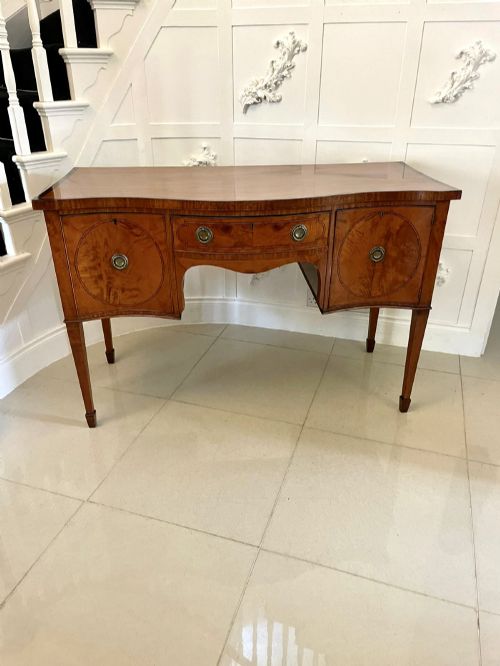
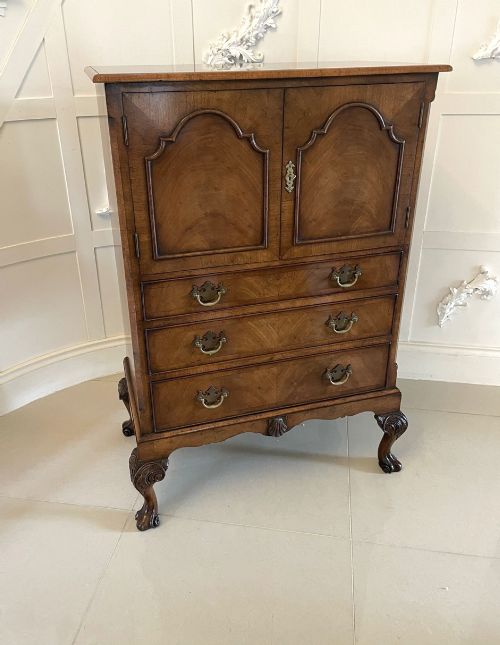
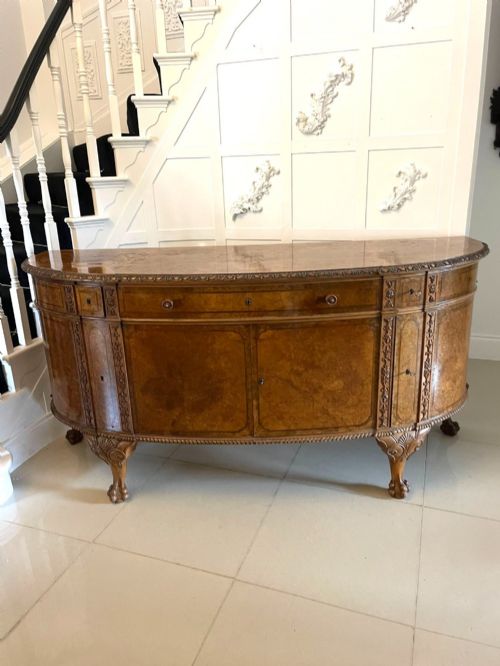
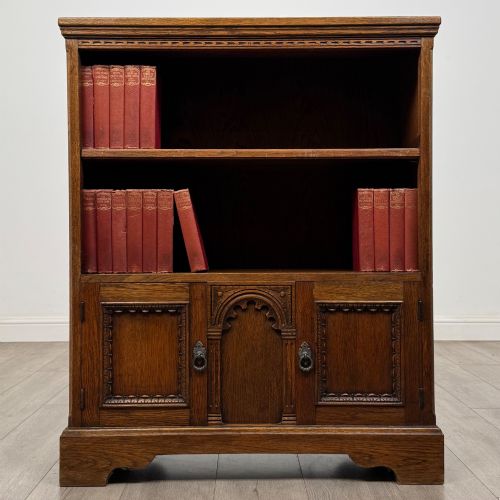
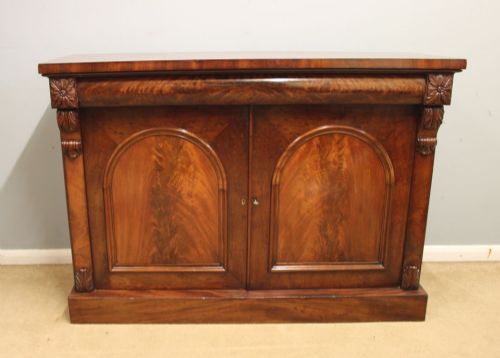
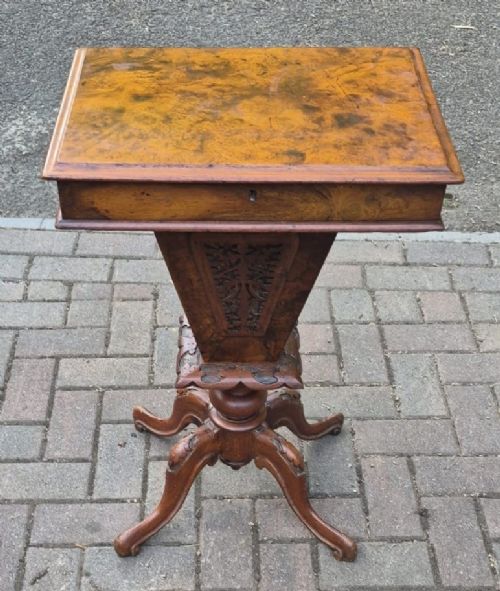
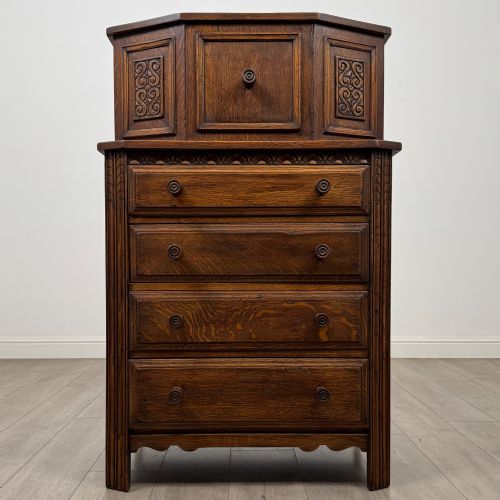
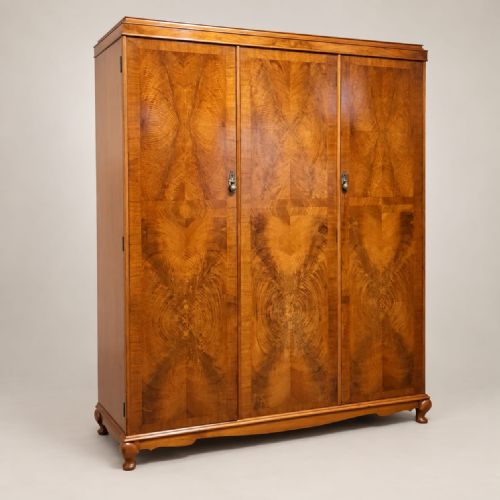
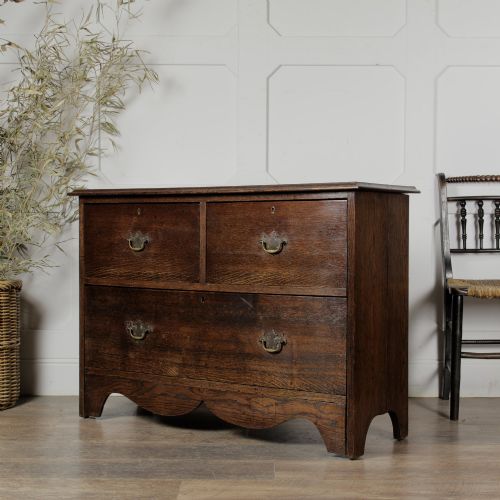
The pieces appearing on this page take various functional shapes, ranging from court cupboards and armoires to sideboards, dressers, and bedside cabinets. Oak examples from the seventeenth and twentieth centuries often dominate, alongside walnut and mahogany iterations from the Victorian and Edwardian eras.
Buyers frequently find that these items combine enclosed shelving with drawers or hanging space, serving both display and functional storage needs. Regional variations also emerge, including French provincial armoires and English court cupboards.
Distinctions in craftsmanship and preservation
The standard of carving determines much of the visual distinction between pieces, with sharper, deeply undercut foliage and linenfold panels marking out superior workshops from routine commercial production. Timber selection also dictates grade, particularly where figured burr walnut or carefully matched oak boards are employed.
Originality of surface and hardware remains central to evaluation, distinguishing items retaining their period brass handles, hinges, and patinated finish from those altered by modern interventions. The crispness of internal joinery and the survival of original fitted interior elements separate standard utility furniture from finer commissions.
Listings feature items spanning from the 17th century through to the Edwardian period, constructed in oak, walnut, mahogany, and pine.
Shoolbred & Co.·Denby & Spinks
The Antique Carved Storage Cabinet Glossary
- Court cupboard
- A heavy seventeenth-century storage unit featuring an upper recessed section supported by columns above a lower enclosed cupboard. These pieces were traditionally used for displaying plate and storing dry goods.
- Linenfold
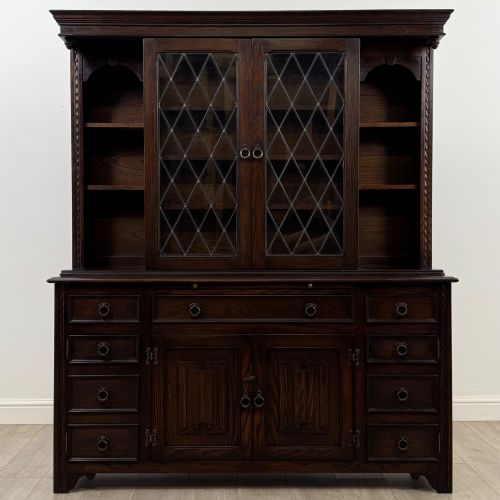
- A style of wood carving that mimics the appearance of folded linen fabric, frequently seen on Tudor and revival oak panels. This technique creates a textured, rhythmic surface across cabinet doors.
- Armoire
- A large freestanding wardrobe or cupboard originating in France, typically enclosed by one or more doors. They provide deep internal storage and often feature prominent carved pediments.
- Chiffonier
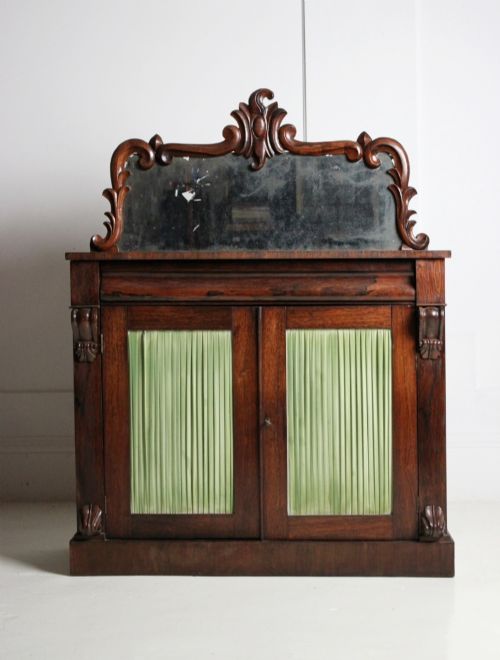
- A low sideboard or cabinet developed during the nineteenth century, often fitted with small drawers and shelves above or enclosed cupboards below. They served as versatile serving and storage pieces in dining rooms.
- Serpentine
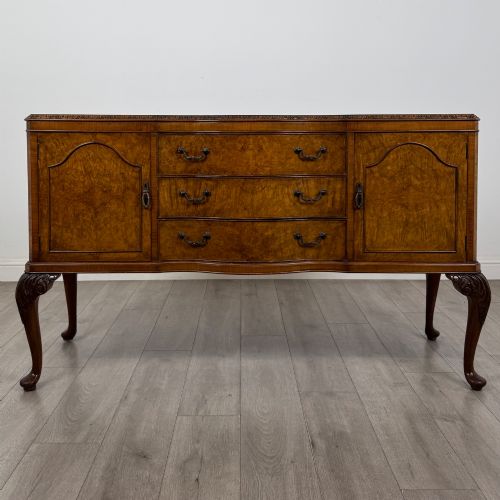
- A curved shape characterised by a convex centre flanked by concave ends, found along the front edges of superior sideboards and cabinets. This contour requires skilled woodworking to achieve precise alignment.
Antique Carved Storage Cabinet: Frequently Asked Questions
What is an antique carved storage cabinet used for?
These cabinets serve as practical storage furniture for dining rooms, hallways, and living spaces, offering enclosed shelving, drawers, or hanging space for household items.
Historically designed for linen, tableware, or books, they allow modern owners to conceal clutter while adding period character to an interior.
How do I date an oak storage cabinet?
Dating relies on examining construction methods, timber selection, and decorative motifs such as linenfold panels, chip carving, or geometric mouldings.
Early pieces from the seventeenth century often utilise joined oak construction with pegged joints, whereas twentieth-century revival pieces display more uniform machine-finished timber.
Are these cabinets suitable for modern homes?
Their enclosed storage makes them highly adaptable for modern living, fitting easily into hallways as linen cupboards or into living rooms as media and display units.
Buyers should measure available floor space and ceiling height carefully, as older armoires and court cupboards can be exceptionally tall and heavy.
What is the difference between a cupboard and a sideboard?
Cupboards are primarily vertical storage units enclosed by doors, intended for general utility items, linens, or books.
Sideboards are lower, horizontal furniture pieces traditionally placed in dining rooms to serve food and store tableware within drawers and lower cupboards.