

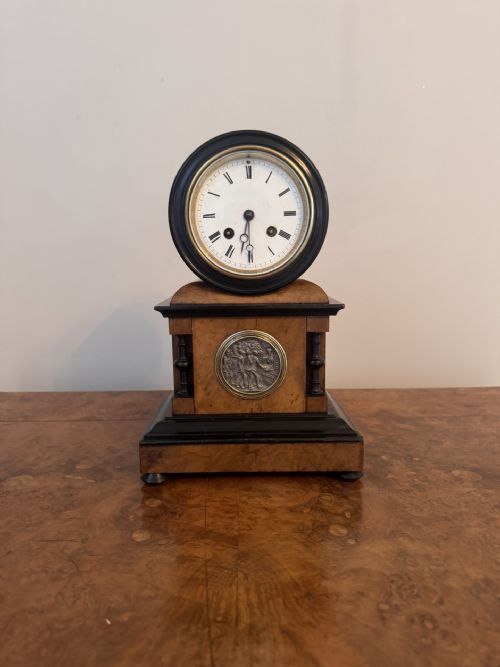
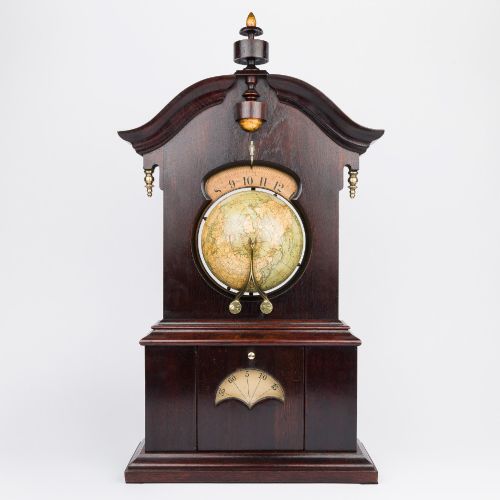
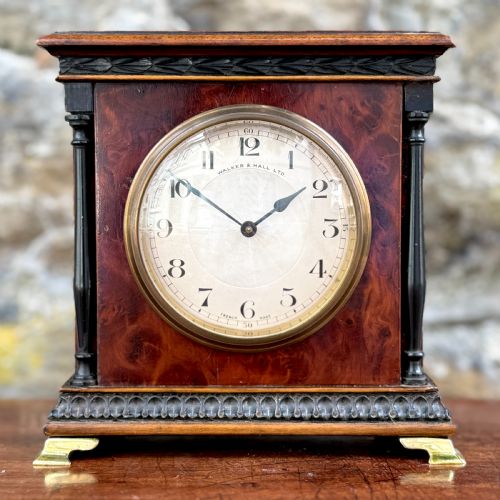
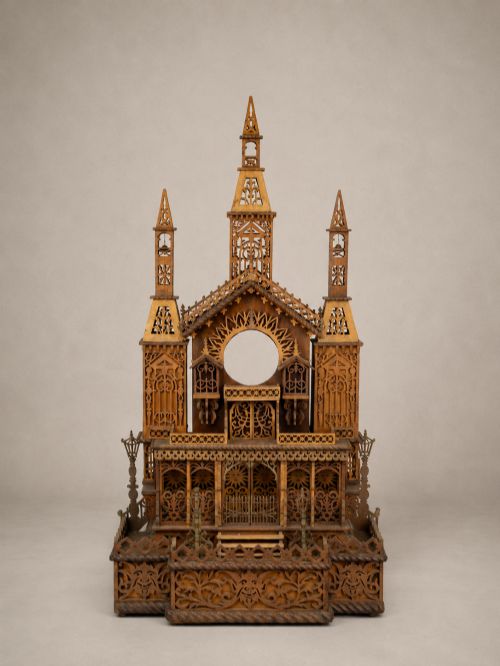
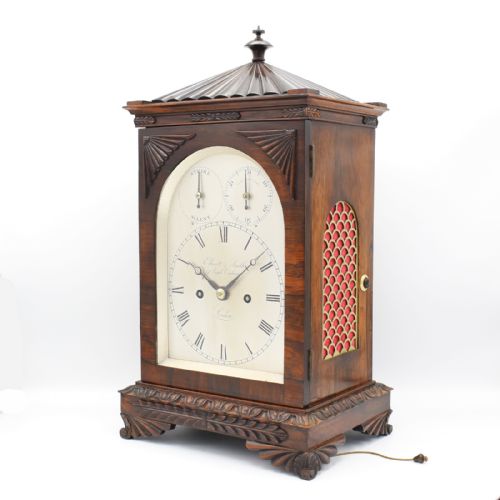
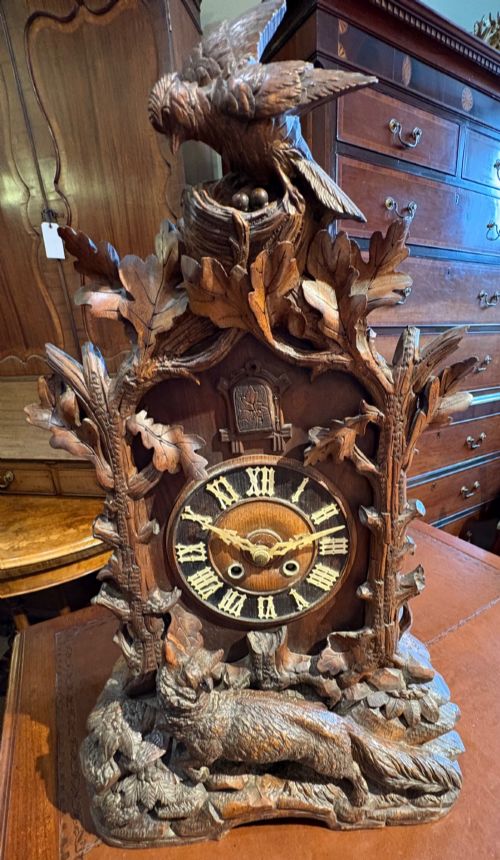
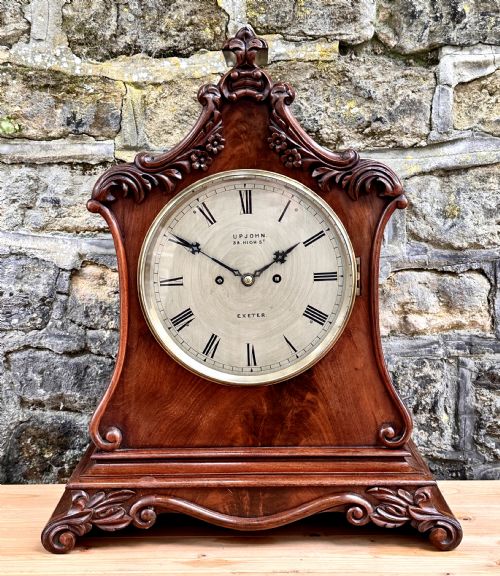
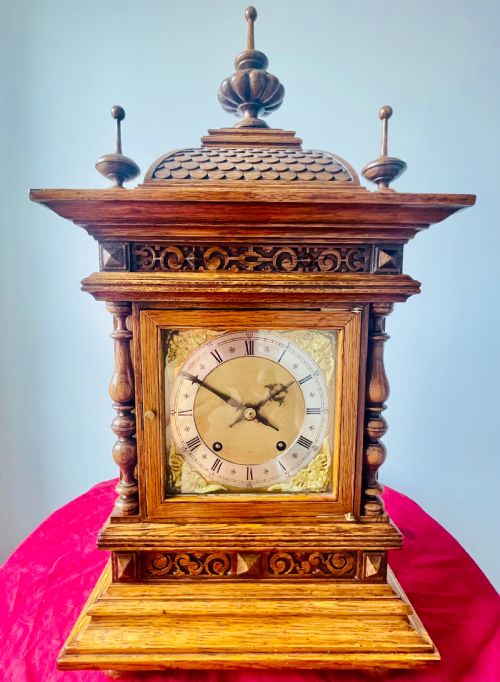
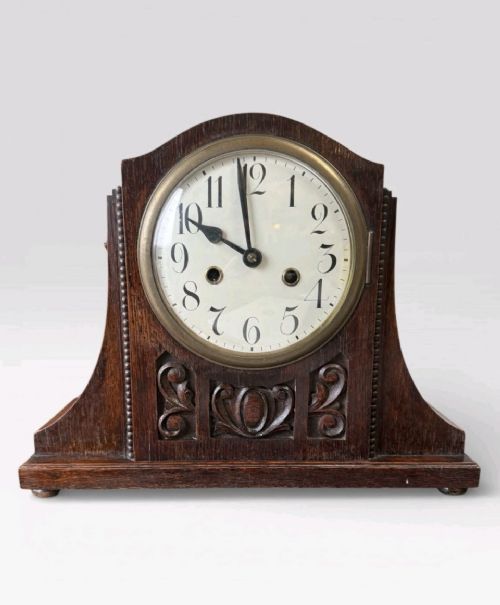


Antique Carved Mantel Clock
These pieces are antique carved mantel clocks, satisfying collectors with their blend of precise timekeeping and sculptural woodwork.

How They Were Made
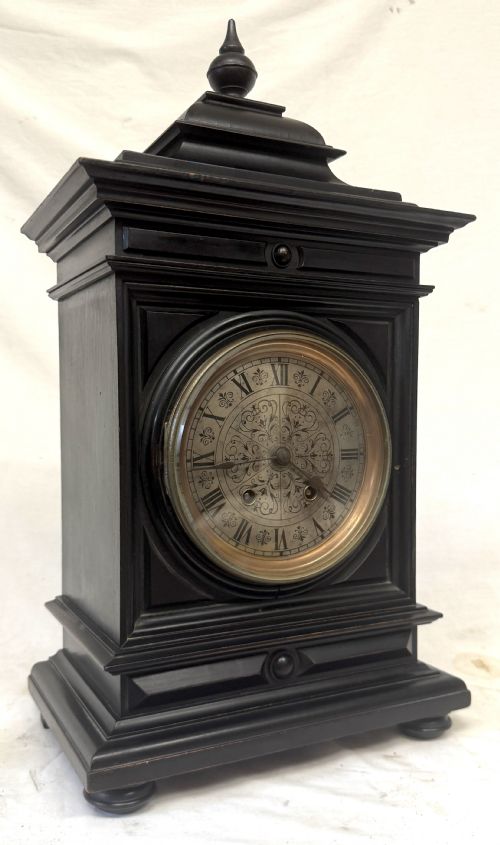
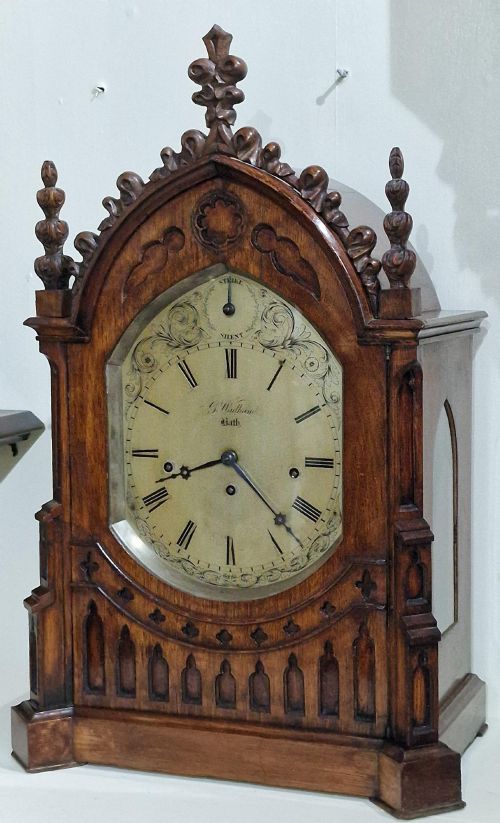
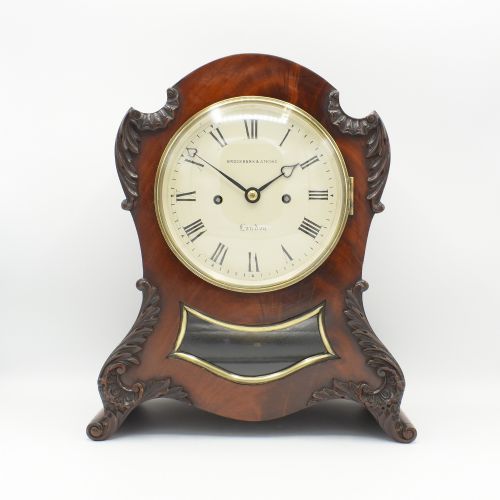
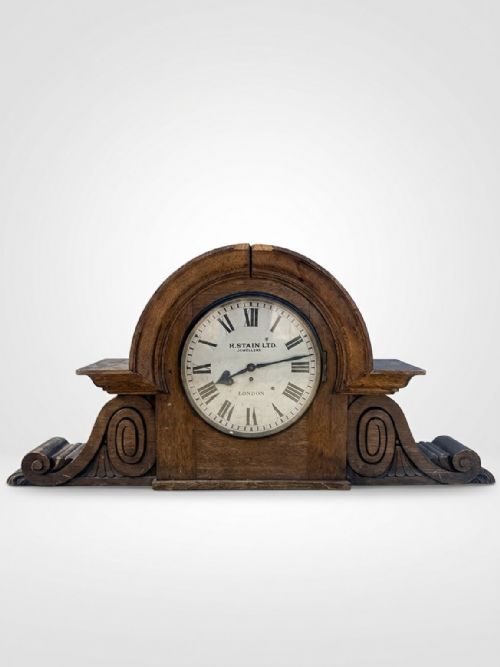
Cabinetmakers constructed the wooden cases from dense hardwoods like mahogany, walnut and oak, often employing ebonising or fine inlays of contrasting timbers. Carvers worked these materials by hand, chiselling intricate architectural mouldings, pagoda tops or organic Black Forest motifs directly into the solid wood or applied veneers.
Movements were engineered from brass and steel, incorporating delicate gear trains, silvered dials, and enamel chapters. Fusee movements and striking mechanisms required skilled horological assembly to regulate tension evenly across the duration of the run.
What Varies in Quality
The distinction between ordinary production and superior work lies in the depth and crispness of the wood carving, where hand-tooled execution displays sharper undercut details and smoother organic flow than mechanically stamped alternatives. Fine proportioning of the architectural case and the integrity of the original movement components elevate the piece further.
Materials also signal grade, with select figured mahogany, rich walnut, or tortoise-shell veneering paired with fire-gilded ormolu mounts indicating higher workshop standards. Engraved silvered dials and signed movements by known makers separate exhibition-grade timepieces from standard commercial stock.
Listings feature mahogany, oak, and walnut cases housing brass and enamel components across the Victorian, Edwardian, and Regency periods.
Brockbanks And Atkins·Winterhalder And Hofmeier·Sir John Bennett·Joseph Windmills
The Antique Carved Mantel Clock Glossary
- Fusee
- A conical pulley used in better-quality clocks to maintain equal force on the gear train as the mainspring unwinds. This mechanism ensures more accurate timekeeping throughout the duration of the wind.
- Bracket clock
- A portable spring-driven clock originally designed to sit on a wall bracket to project sound more effectively. These pieces eventually became standard mantel ornaments.
- Ebonised
- Timber treated to imitate ebony, usually through chemical staining or painting of fruitwood or mahogany. This finish was widely utilised in Victorian and revivalist case designs.
- Silvered dial
- A brass clock face treated with a silver solution to create a matte, reflective surface that is subsequently engraved with numerals. This treatment offers high legibility against dark wooden cases.
- Quarter repeating
- A complication mechanism that sounds the hours and quarters when a cord or lever is activated. This allowed owners to check the time in darkness.
Antique Carved Mantel Clock: Frequently Asked Questions
How do I wind a mechanical mantel clock?
Most spring-driven clocks require a specific winding key inserted into the dial holes to tension the mainsprings. Care must be taken not to overwind the mechanism.
Heavier fusee movements often require winding via the side or back door, ensuring the line remains properly seated on the conical drum.
Where should I place a mantel clock?
These clocks require a stable, level surface away from direct sunlight, excessive moisture and sudden temperature changes. Placing them on a solid mantel or sideboard helps prevent vibrations that can interfere with the pendulum or balance wheel.
Ensuring the surface is completely flat is essential for maintaining an even beat and accurate timekeeping.
How do I identify the period of a carved clock?
Dating relies on stylistic clues, such as the heavy geometric proportions of Victorian mahogany cases versus the lighter ornamentation of Edwardian satinwood or the rustic foliage of Black Forest linden wood.
Movement signatures, dial construction, and wood selection provide further physical evidence to narrow down the decade of manufacture.
Do these clocks run on batteries?
None of these traditional pieces utilise batteries, relying entirely on mechanical gear trains driven by weights or wound springs. Escapements regulate the release of stored energy to turn the hands.
Antique movements require periodic professional cleaning and oiling to function correctly without modern power sources.