


Antique Carved Coffer
When you want an antique carved coffer, you look for solid timber, sturdy pegged joints and relief work that tells the story of early domestic storage.
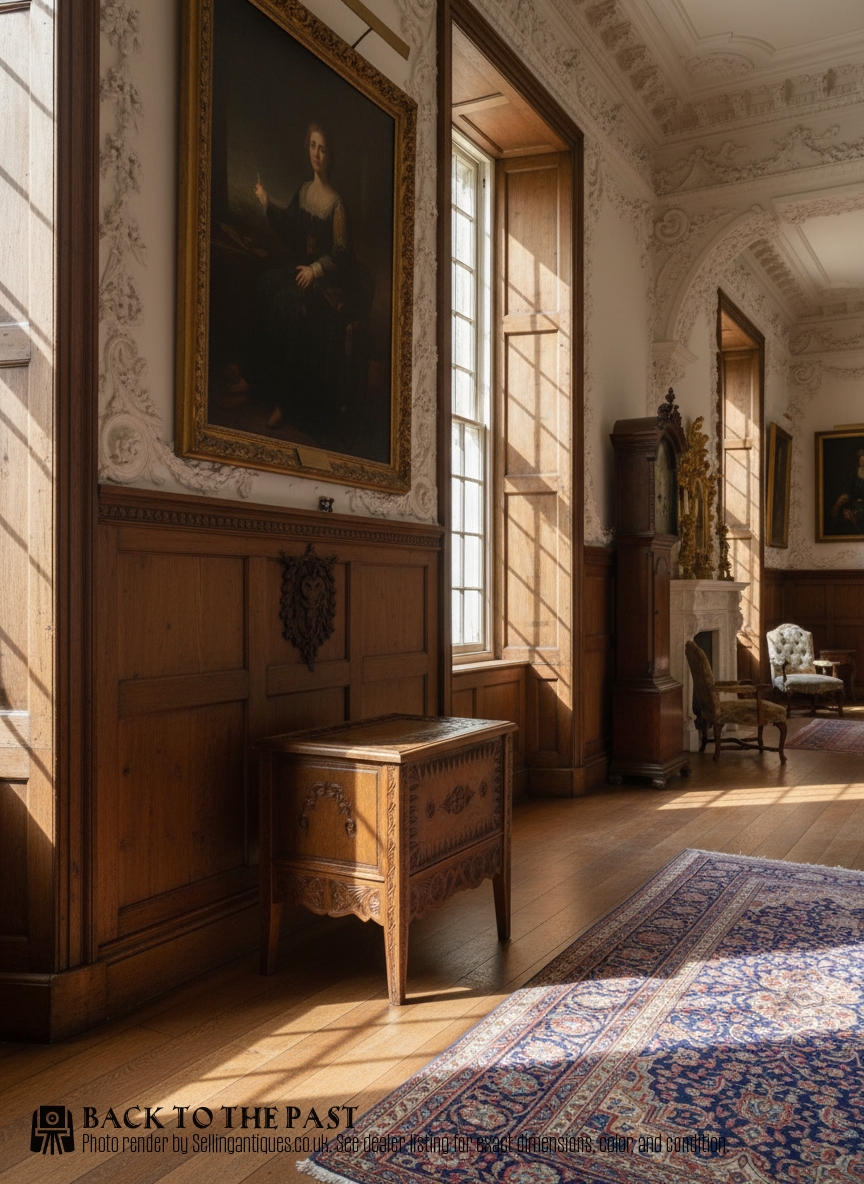
Antique Carved Coffer
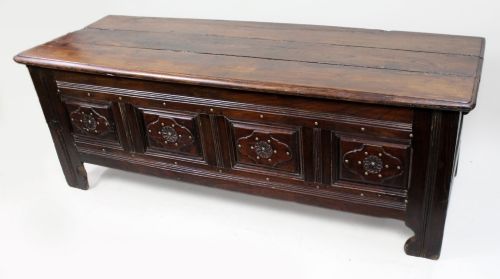
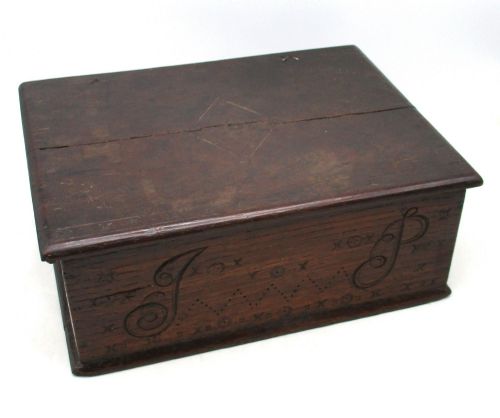
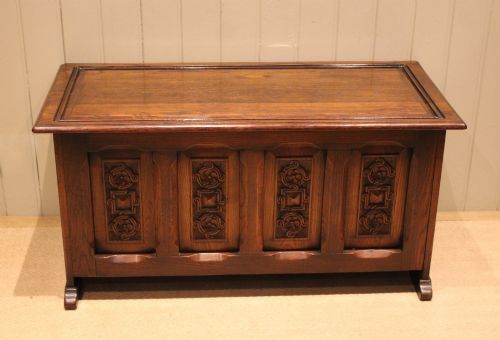
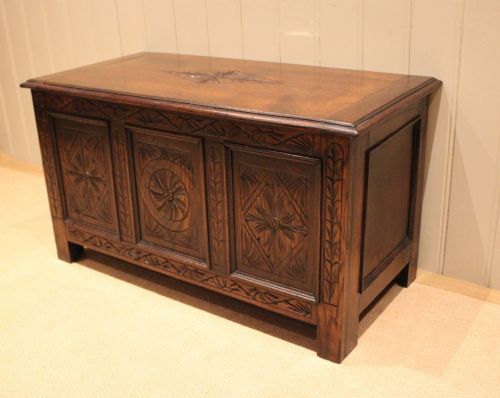
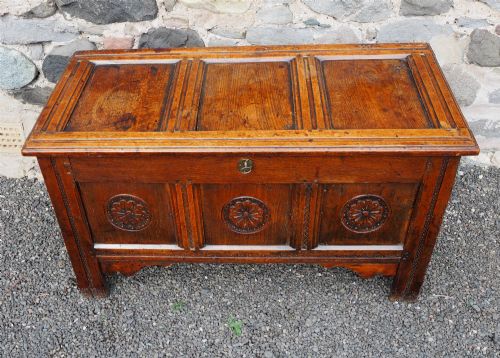
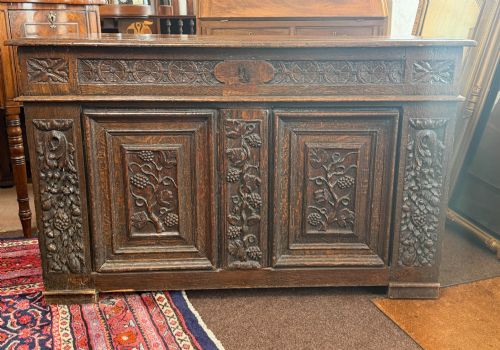
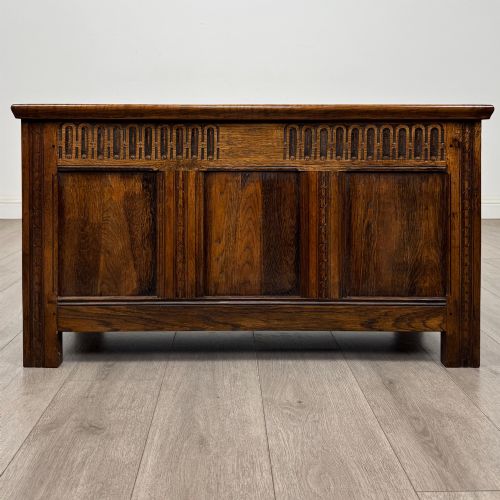
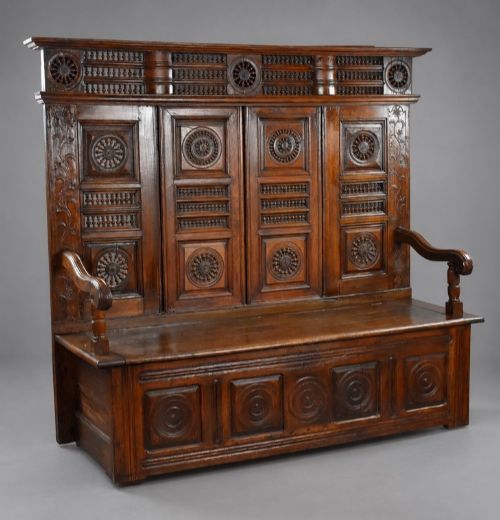
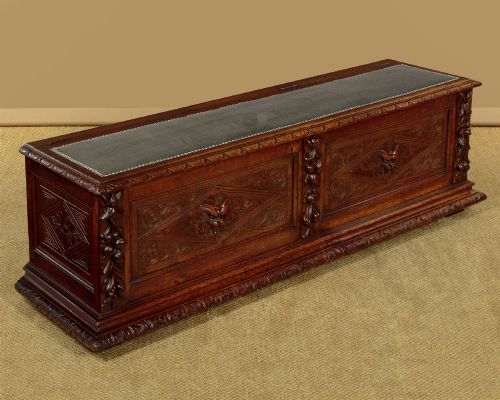
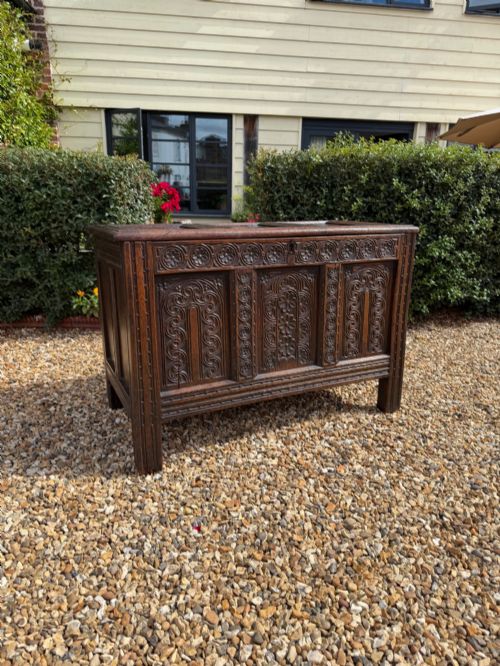
An antique carved coffer is a heavy wooden chest built for domestic storage, often adapted over centuries into benches and settles with lift-up seats. The examples found here span from sixteenth-century panels to twentieth-century revivals, with seventeenth- and eighteenth-century oak pieces forming the core of the selection.
Buyers meet regional variations such as Welsh Gower pieces and French provincial examples alongside standard English joined chests. Forms range from miniature document boxes to large blanket chests and high-back box settles.
These pieces served households as secure containers for linen, silver and documents before fitted wardrobes and drawers became common. Today, they function as practical storage furniture that anchors a hallway or living space.
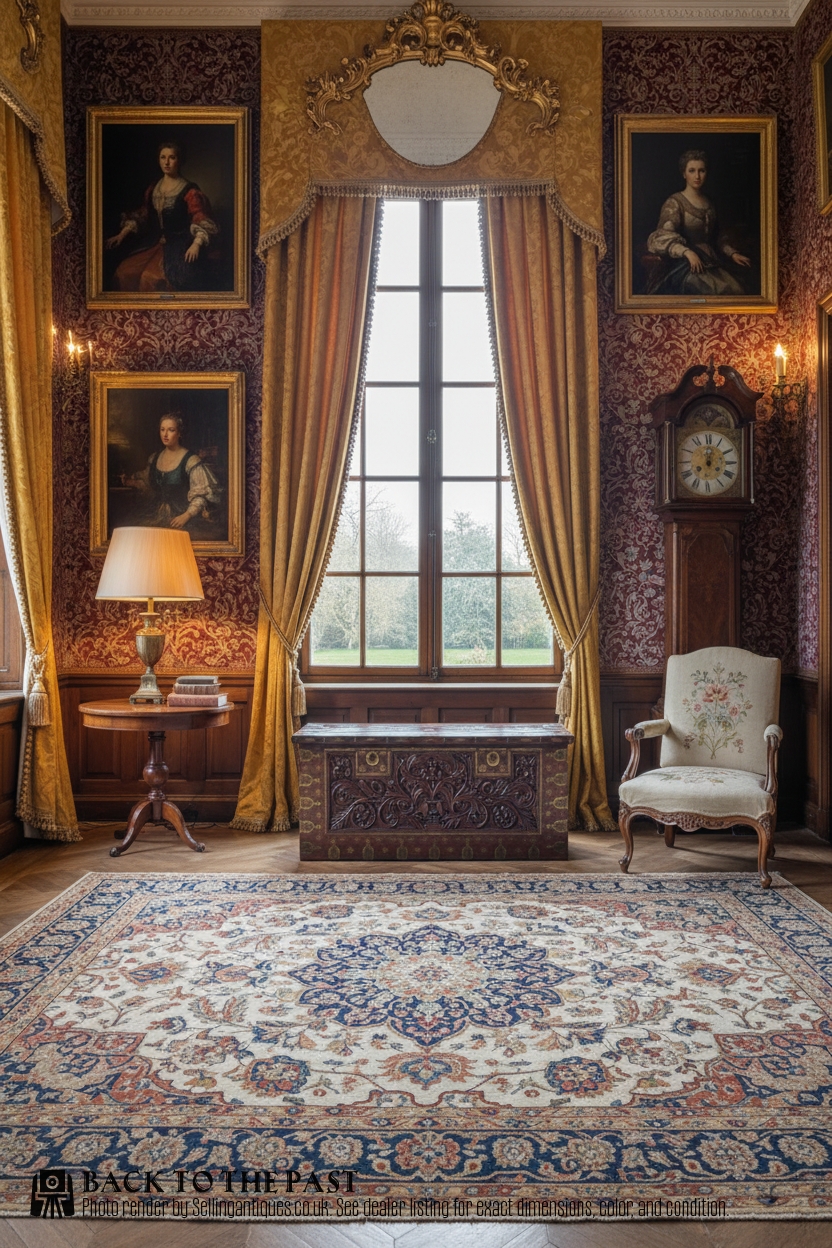
How They Were Made
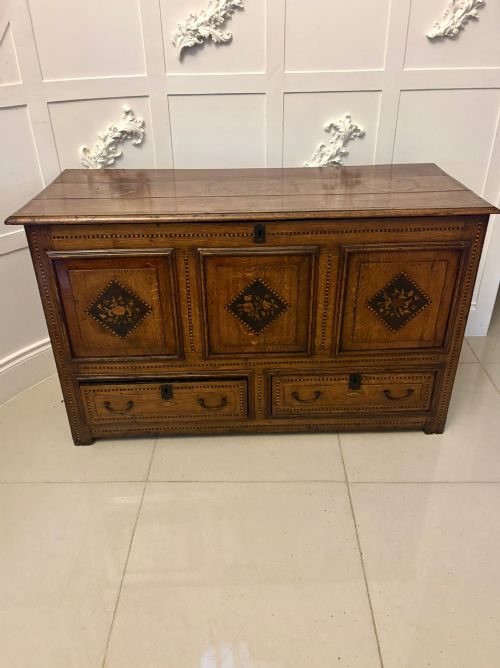
Makers built these chests primarily using solid oak, working with joined panel construction rather than modern laminates. Wrought iron and brass provided hinges, locks and strapwork, while decorative elements relied on wood inlay, marquetry inlay and mother-of-pearl.
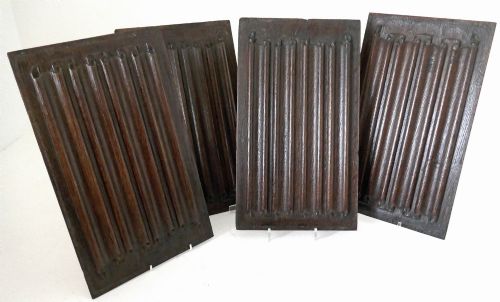
Carpenters shaped the timber using hand chisels for high-relief carvings, linenfold patterns and geometric strapwork. Surfaces finished with wax or left natural display the grain and tool marks of early cabinet makers.
Some seventeenth-century coffers feature secret compartments hidden beneath internal floorboards for stashing family gold.
What Varies In Quality
Quality rests in the depth and crispness of the hand-carved panels, where sharply defined motifs show superior craftsmanship compared to shallow, hurried incisions. The integrity of the joined frame, including original pegged joints and timber stability, dictates how well the structure survives.
Proportion and regional character elevate certain pieces, particularly smaller chests or those retaining original iron locks and keys. Alterations to lids, bases or hinges alter the historical standing of the chest.
The Antique Carved Coffer Glossary
- Coffer
- A heavy wooden chest with a hinged lid, used historically for storing valuables and household goods. These storage pieces form the foundation of early domestic furniture.
- Linenfold
- A style of carved wooden panelling that resembles folded fabric, popular during the Tudor and Elizabethan periods. This decorative motif gives flat panels a textured, textile-like appearance.
- Marquetry
- The art of applying pieces of veneer to a structure to form decorative patterns and pictures. Craftsmen utilise various coloured woods to create detailed geometric or floral designs.
- Mule chest
- A traditional storage chest featuring one or two drawers beneath the main lift-up compartment. This hybrid form bridges the gap between the simple coffer and the modern chest of drawers.
- Settle
- A wooden bench with high backrests, solid arms and a closed base that often doubles as a storage chest. These seating units were placed near hearths to block draughts in early homes.
Antique Carved Coffer: Frequently Asked Questions
What did people store inside an antique carved coffer?
Households used these heavy chests to safeguard valuable textiles, household linen, silver and important legal documents. Because homes lacked fitted closets, the coffer kept belongings secure and dry.
Over time, owners also stored woollens, garments and blankets inside, utilising the heavy lid as a barrier against moths and dust.
How do I tell a 17th-century coffer from a later revival?
Seventeenth-century pieces typically utilise hand-split oak with pegged mortise and tenon joints, displaying tool marks and natural timber movement. The timber feels dense and carries the minor irregularities of early hand carpentry.
Later Victorian and Edwardian revival pieces often use machine-cut components, tighter uniformity, and standardised fixings that differ from seventeenth-century construction methods.
Can I use an antique coffer as a coffee table?
The sturdy flat lid makes these chests suitable for use as low tables in living rooms while providing hidden storage for blankets and books. You should measure the height of your seating to ensure the chest sits at a comfortable level.
Protect the waxed or polished wood surface from moisture and heat rings by using coasters and trays.
What is the difference between a coffer and a mule chest?
A standard coffer consists of a single compartment accessed exclusively through the hinged lid on top. This design requires lifting the entire contents to reach items at the bottom.
A mule chest incorporates one or more drawers beneath the main chest cavity, allowing access to stored items without lifting the lid.