
Antique Card Gaming Table
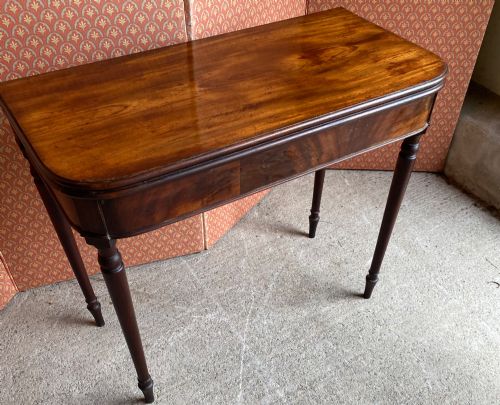
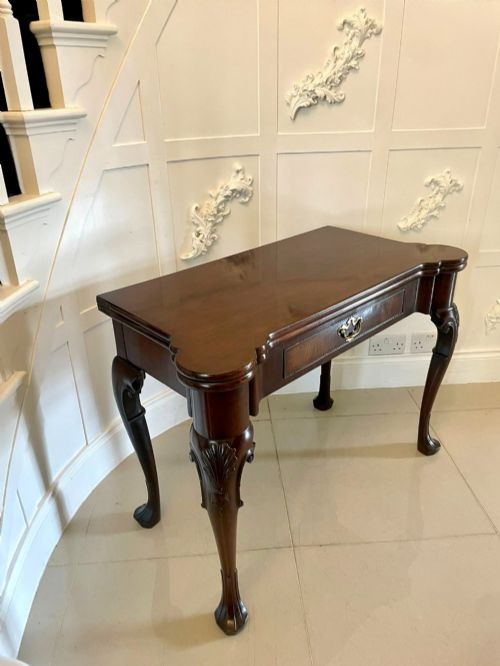
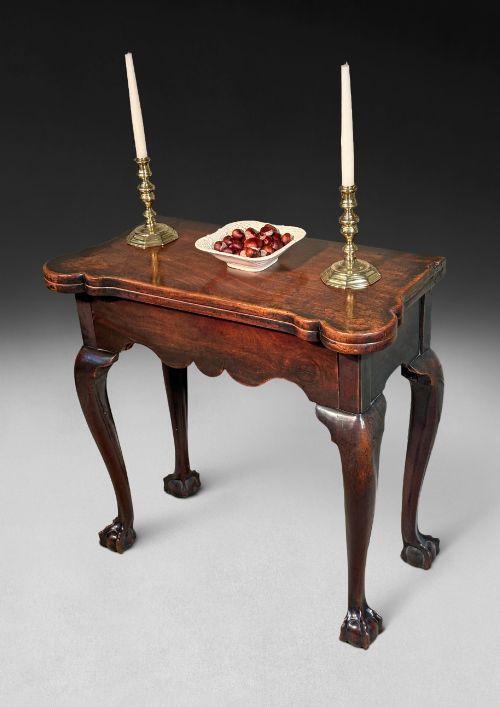
An antique card gaming table is a fold-over or swivelling piece of functional furniture designed for parlour games and entertaining.
Antique Card Gaming Table
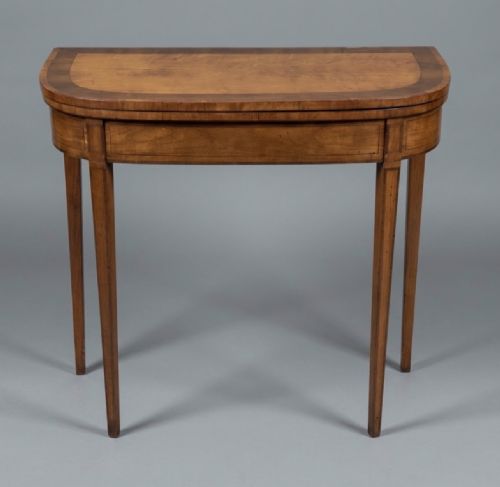
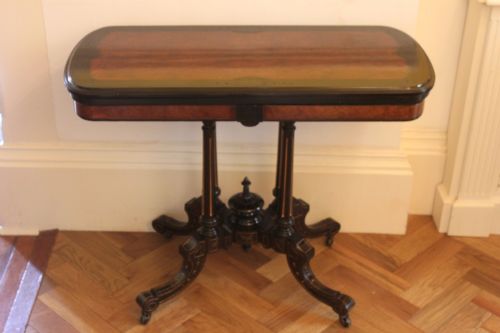
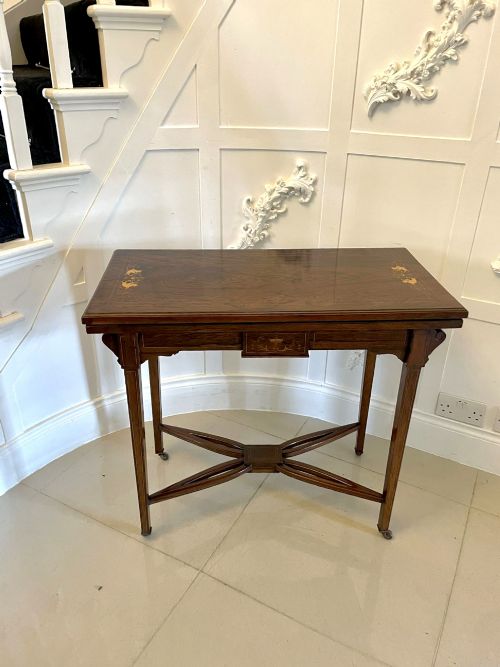
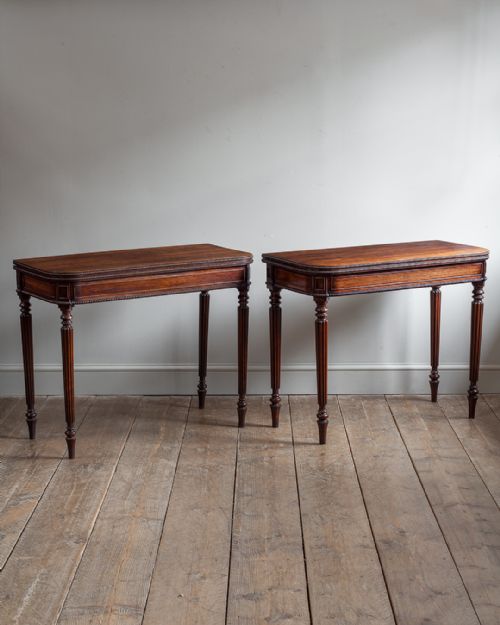
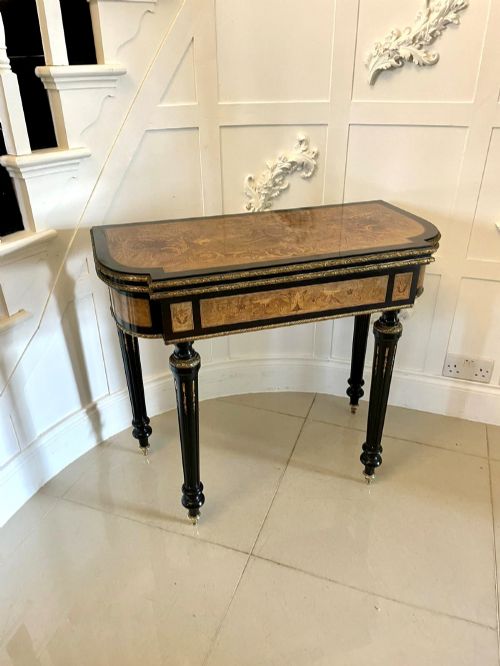
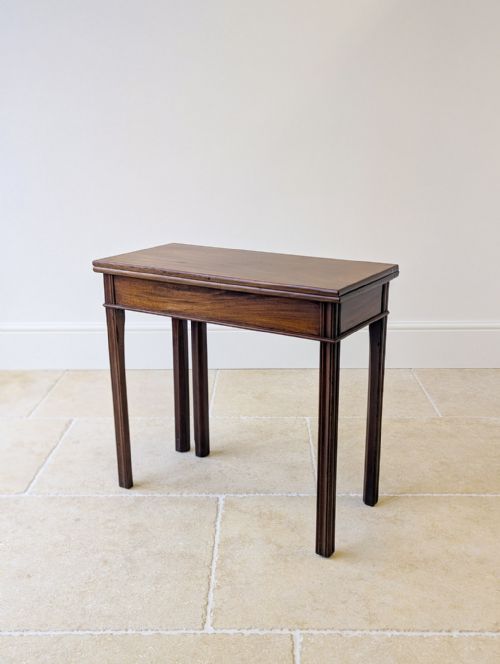
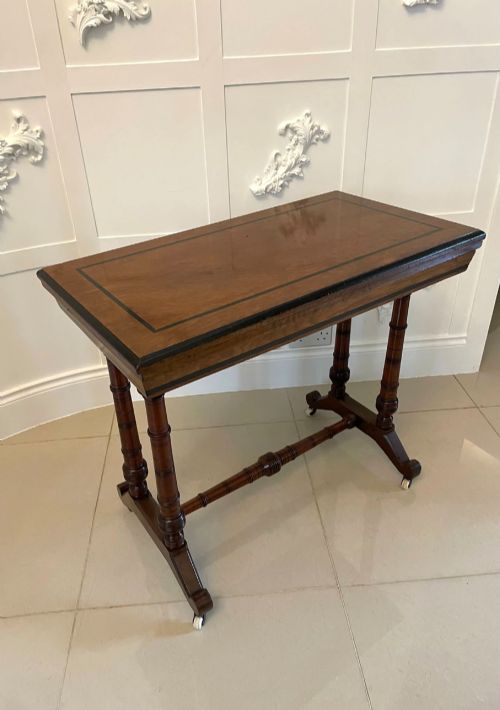
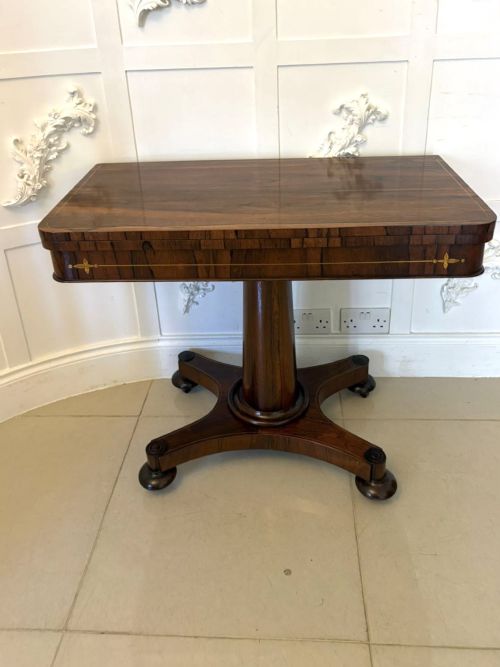
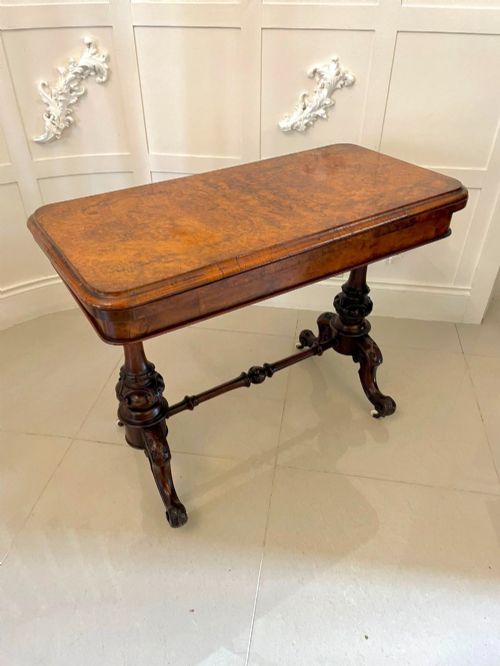
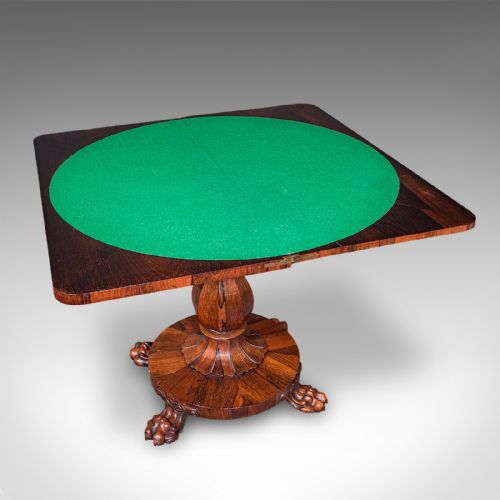
An antique card gaming table serves as a dual-purpose piece of furniture that functions as a console or side table when closed and opens to reveal a baize-lined playing surface. You will frequently encounter forms dating from the Georgian, Regency, and Victorian periods, constructed with folding leaves or rotating tops to conceal the gaming surface when not in use.
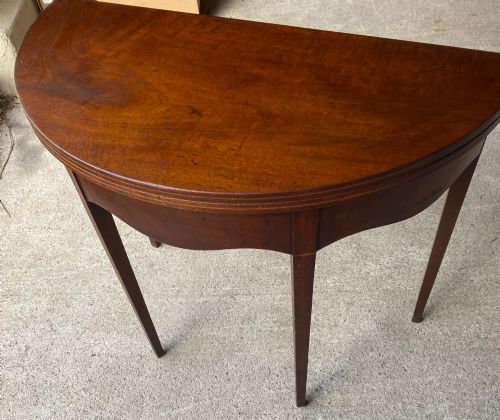
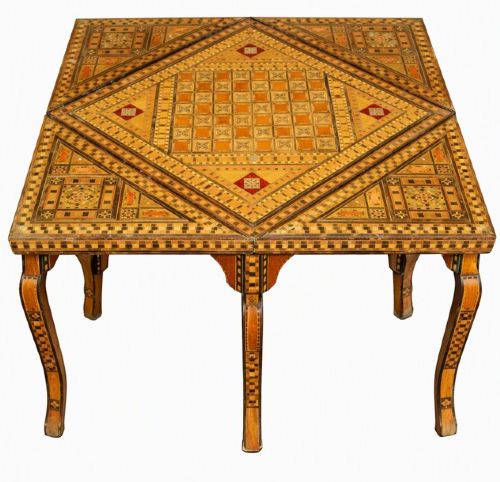
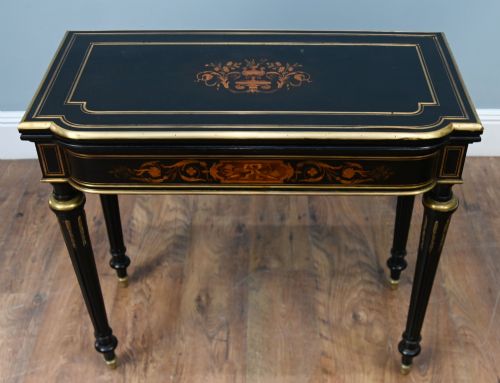
The objects span multiple styles including William IV, Edwardian, and French Louis XV Revival, often doubling as tea or occasional tables. Variations include concertina actions, pedestal bases, and specialised shapes such as demilune and envelope tops designed for bridge or chess.
How they were made
Cabinetmakers utilised dense timbers such as mahogany, rosewood, and walnut for the structural frames and tabletops, frequently applying decorative veneers like burr walnut, satinwood, and kingwood. Surface ornamentation often incorporates contrasting boxwood stringing, brass inlay, and marquetry details.
Joinery techniques focus on sturdy pivot mechanisms, fold-over hinges, and concertina frames to support the open leaf without straining the structure. Mounts in ormolu and carved wooden pedestal bases provide stability and decorative finish to the heavier nineteenth-century examples.
Listings feature mahogany, rosewood, walnut, and satinwood across eighteenth- and nineteenth-century periods.
What varies in quality
The refinement of the timber figure and the precision of the crossbanding separate standard workshop output from exceptional examples. Cabinetmakers who selected highly figured flame mahogany or burr yew achieved a superior visual depth across the folding top.
The execution of brass inlay, marquetry, and carved wooden details dictates the tier of the piece. Smooth operation of the swivel or concertina action, alongside balanced proportions when the table is open, marks the work of skilled makers.
George Bullock·Gillows
The Antique Card Gaming Table Glossary
- Demilune
- A half-moon shape used for tabletops that sit flat against a wall when closed. This form is common in Georgian and Regency satinwood designs.
- Concertina action
- An expanding frame mechanism that pulls outward to support a fold-over tabletop on four legs rather than a central pillar. It offers stability during play.
- Envelope table
- A square table with four triangular flaps that fold inward to cover the playing surface in the shape of an envelope. These are typical of the Edwardian period.
- Crossbanding
- A strip of veneer applied to the border of a tabletop with the grain running perpendicular to the centre panel. It creates a defined visual frame.
- Marquetry
- The art of forming decorative patterns using fitted pieces of various coloured woods and veneers. It appears frequently on finer French-influenced tables.
Antique Card Gaming Table: Frequently Asked Questions
How do you open a fold-over table?
The top leaf rotates on a pivot or lifts upward on hinges, swinging through ninety degrees to rest upon the extended frame or support leg.
Opening the leaf often reveals a concealed storage well beneath the top for cards and gaming counters.
What were these tables used for?
These pieces served households as social hubs for evening entertainment, accommodating card games, chess, and backgammon in the drawing room.
Between games, the folded top functioned as a standard side or console table against the wall.
How do I care for the wood surface?
Keep the timber away from direct sunlight and heat sources to prevent the veneers from drying out and lifting.
Apply traditional beeswax polish sparingly and buff with a soft cloth to maintain the finish without building up residue.
How do I tell periods apart?
Georgian and Regency examples rely on clean architectural lines, mahogany or satinwood veneers, and subtle brass inlay. Victorian pieces tend to be heavier with burr walnut, carved pedestal bases, and ornate serpentine forms.
Edwardian tables often feature lighter proportions with delicate stringing and envelope tops.