


Antique Cane Rack
An antique cane rack keeps walking sticks and umbrellas tidy in a hallway, offering practical organisation with period charm.
Antique Cane Rack
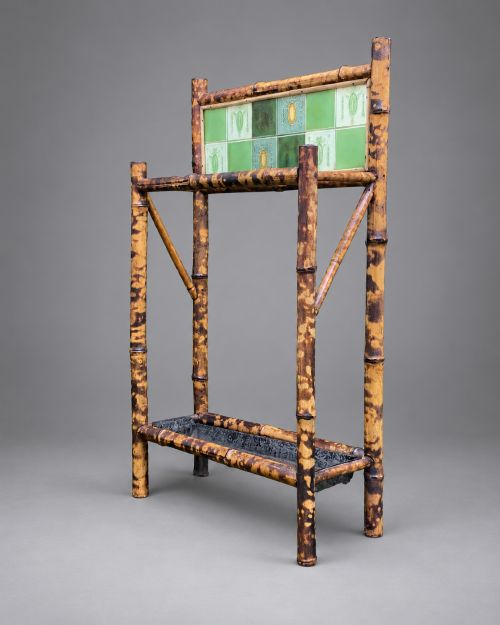
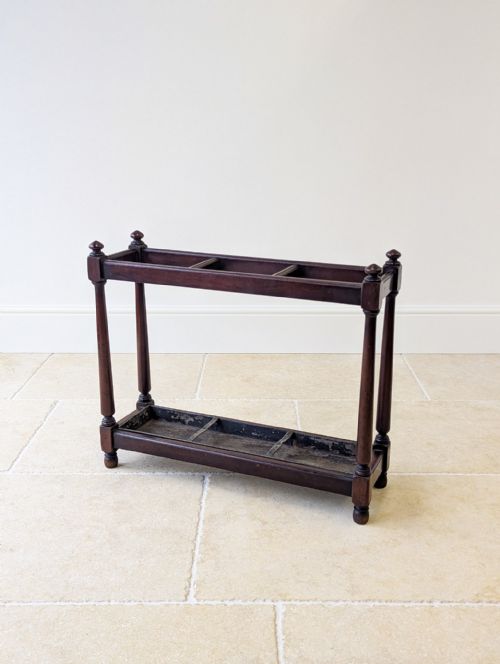
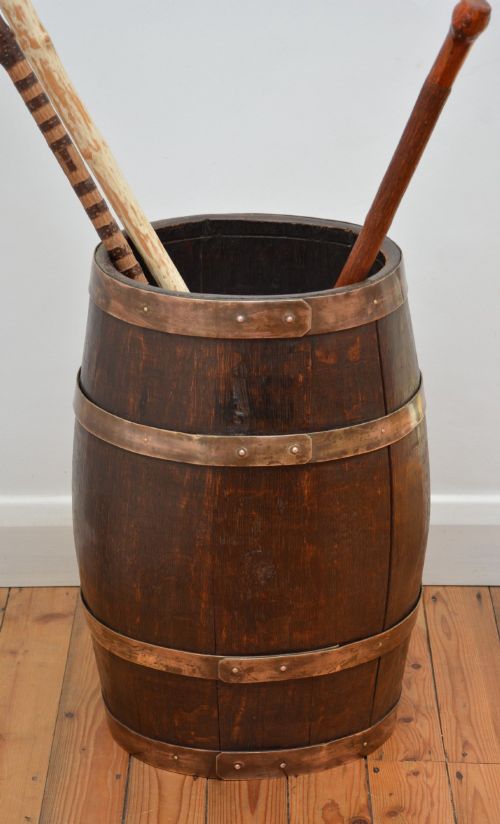
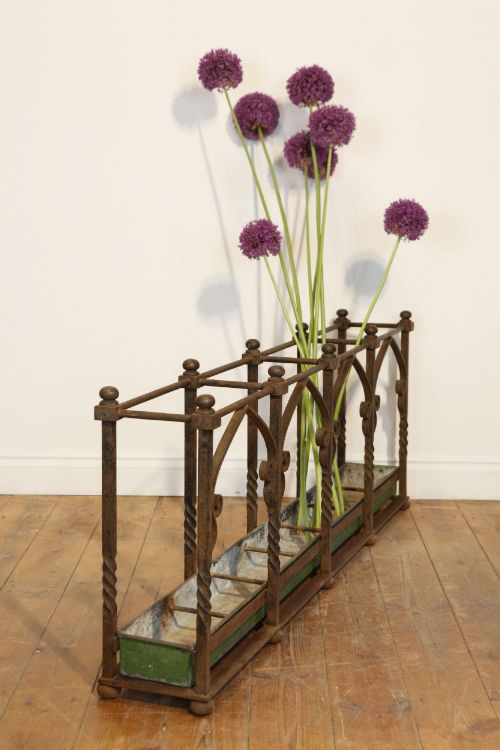
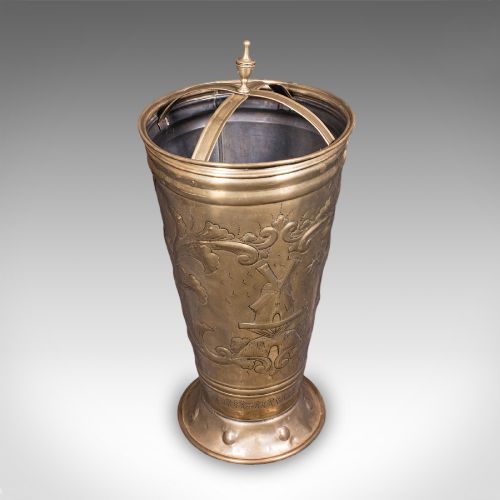
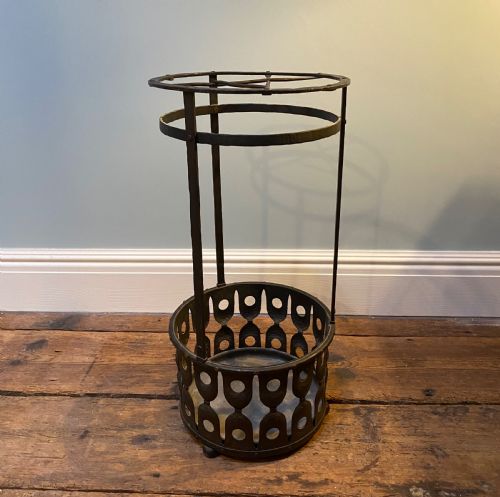
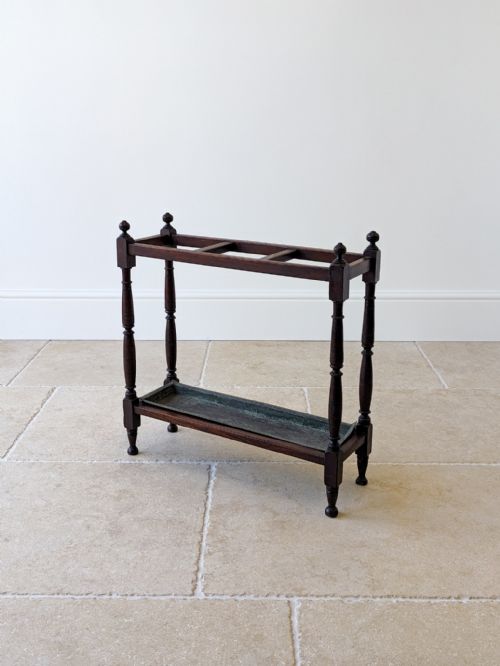
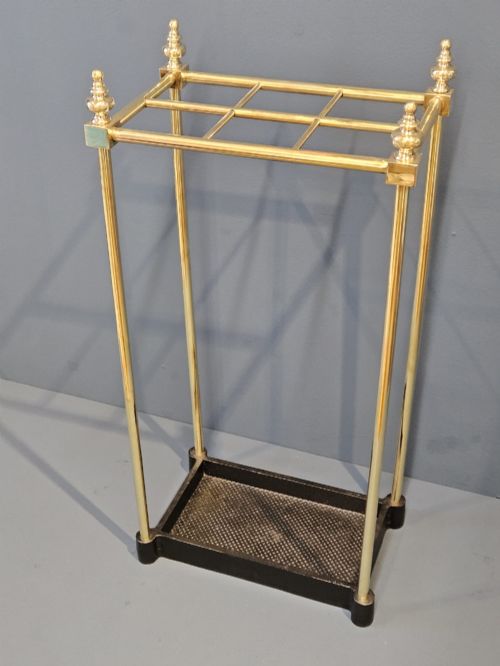
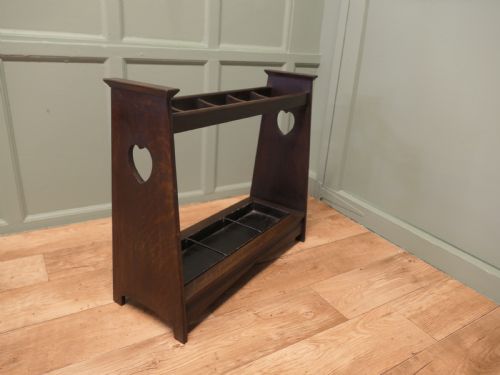
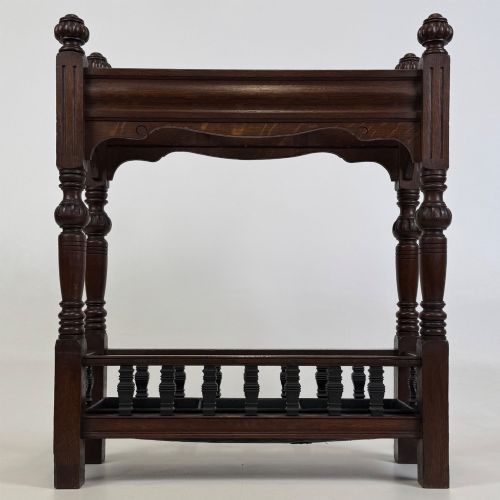
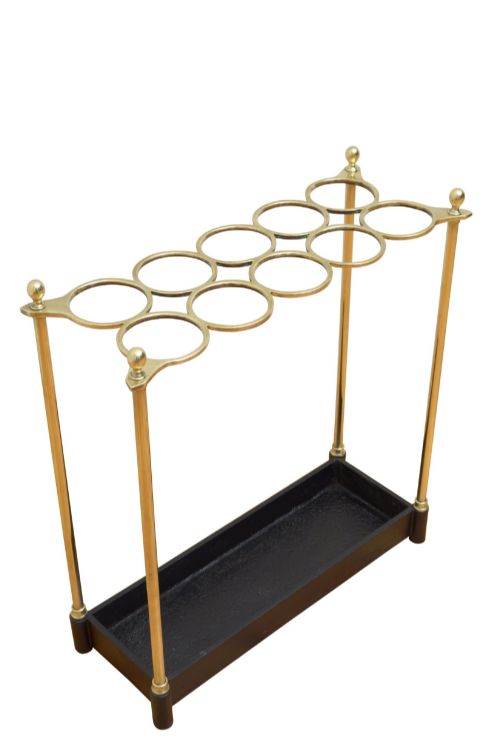
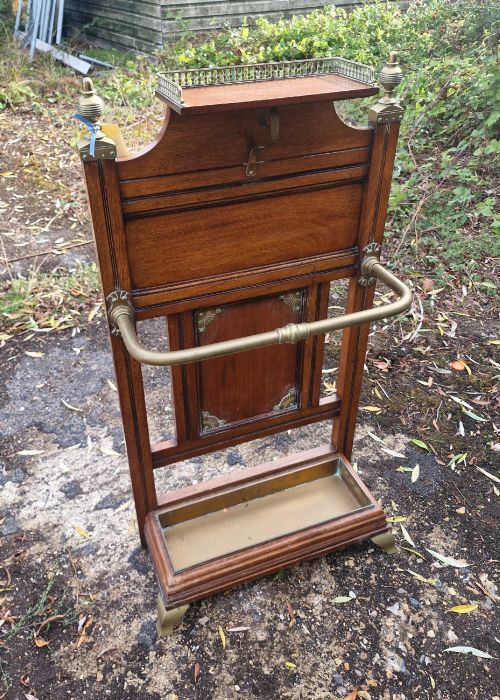
When you search for an antique cane rack, you are looking at hallway furniture designed to hold walking sticks, canes and umbrellas upright. The pieces on this page appear primarily as umbrella stands, stick stands and combined hall stands dating from the Victorian and Edwardian eras.
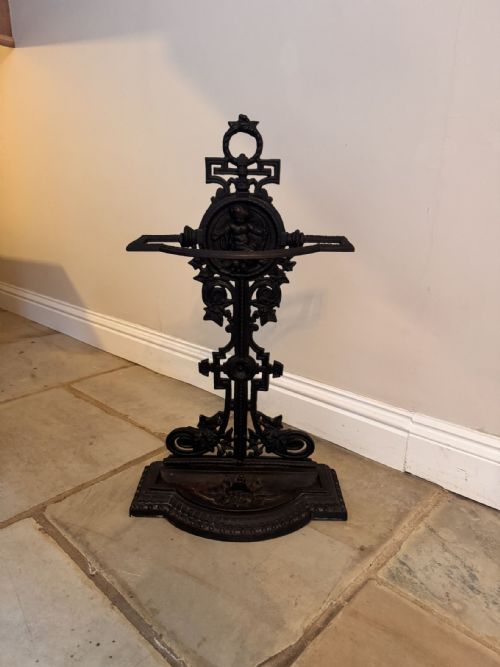
Most examples you will meet are floor-standing furniture pieces rather than wall-mounted racks. They take forms ranging from heavy cast iron frames to quarter-round demi-lune oak designs suited for corners and narrow spaces.
Makers and designers from the Aesthetic Movement, Arts and Crafts and Art Nouveau periods adapted these utilitarian hall items into decorative focal points. You will encounter models made for everyday household use alongside novelty designs.
How they were made
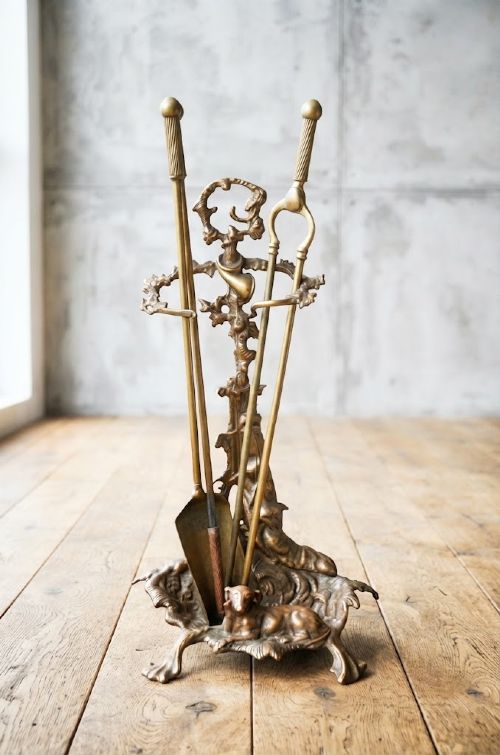
Makers utilised a mix of cast iron, brass, nickel plating and zinc to construct the rigid frames and drip trays that could withstand wet weather and heavy wooden sticks. Cast iron versions often utilised detailed moulds to create patterned grilles, faux bois bamboo textures or figural scenes.
Wooden examples rely upon oak, mahogany and bentwood, frequently shaped with steam or joined with mortise and tenon techniques. Brass components, including ball finials, rods and bun feet, were cast or turned to add polish and contrast against the timber bodies.
Antique Cane Rack Retail Price Guide 2026
Typical asking prices for cane rack among the pieces listed under this phrase on Sellingantiques today, from the lower quarter to the upper quarter. They describe what is for sale here now, not the wider market.
What varies in quality
The distinction between ordinary and superior pieces lies in the crispness of the casting detail and the integrity of the materials. Fine metal stands display sharp relief work without surface pitting, while quality wooden racks show careful timber selection and sturdy joinery.
Completeness of original elements separates standard items from the best examples. The presence of a matching removable drip tray or zinc liner demonstrates original design integrity rather than later replacement parts.
Coalbrookdale·Thonet·Heals of London·Liberty
The Antique Cane Rack Glossary
- Demi-lune
- A half-moon shape designed to fit flat against a hallway wall or neatly into a corner. This footprint was especially popular for brass and iron umbrella stands.
- Drip tray
- A metal base pan situated beneath the stick holders to catch water from wet umbrellas. These are frequently made from zinc, brass or painted iron.
- Faux bois
- A decorative finish that imitates the natural texture and appearance of wood. In these listings, it appears cast into iron stick stands to resemble bamboo.
- Finial
- A decorative ornamental crowning element, often spherical or acorn-shaped, used on the tops of brass uprights and rails.
Antique Cane Rack: Frequently Asked Questions
Where should I place a stick stand?
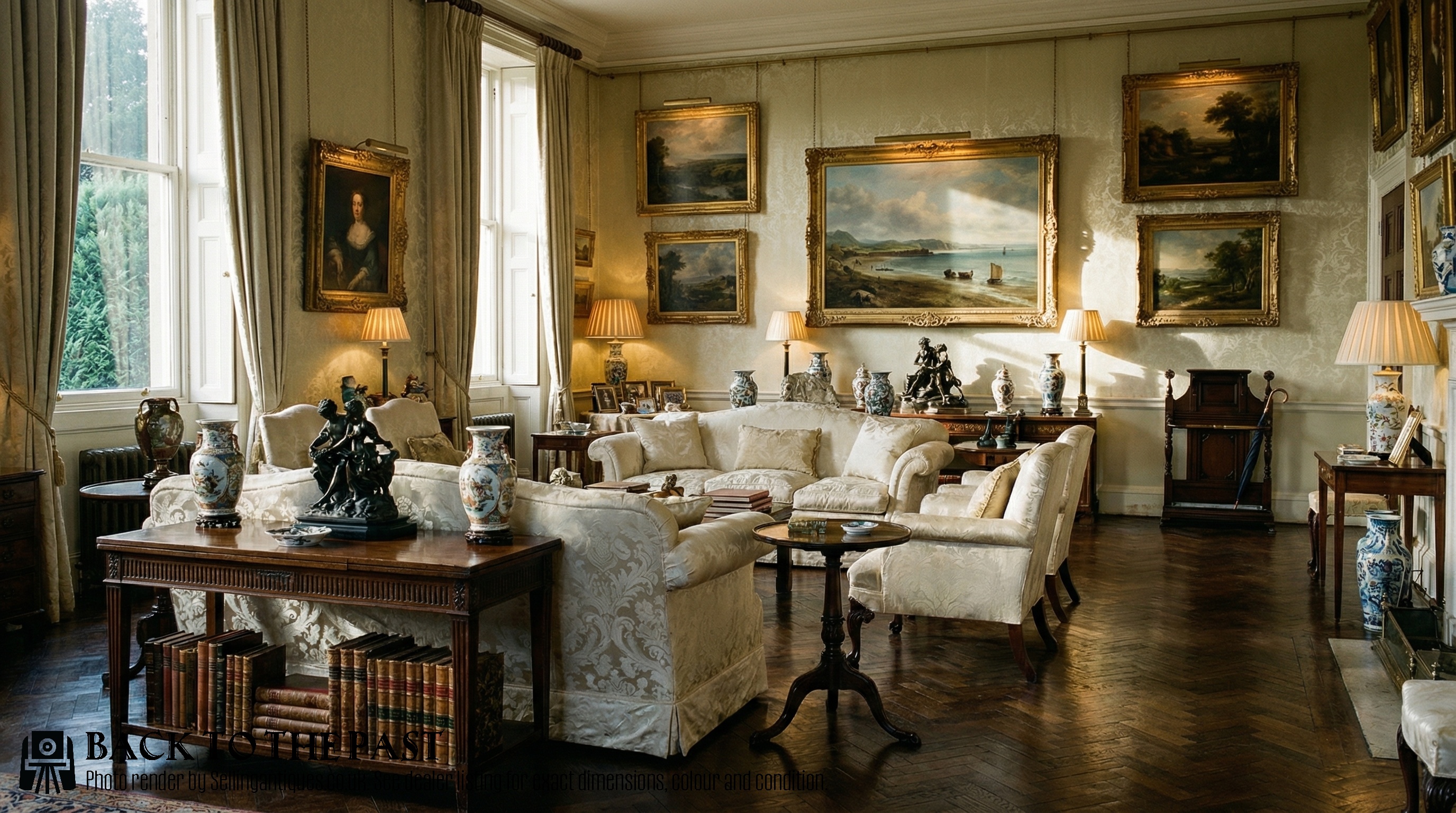
These pieces belong in an entrance hall, porch or boot room where guests arrive and depart. Their upright footprint allows them to occupy narrow spaces beside a doorway without blocking foot traffic.
Positioning them on hard flooring rather than deep carpet helps manage any moisture dripping from umbrellas stored within the frame.
How do I care for cast iron stands?
Cast iron requires minimal maintenance beyond regular dusting with a dry cloth. Avoid using harsh chemical cleaners that might strip painted or enamelled surfaces.
Periodically checking and emptying the lower drip tray prevents moisture accumulation from causing rust around the base of the metal frame.
What is the difference between an umbrella stand and a cane rack?
While the terms are often used interchangeably today, traditional umbrella stands feature wider divisions designed for thicker handles and wet canopies. Cane and walking stick racks typically provide tighter vertical spacing for slender shafts.
Many surviving pieces accommodate both functions through partitioned metal rings or wooden grilles.