
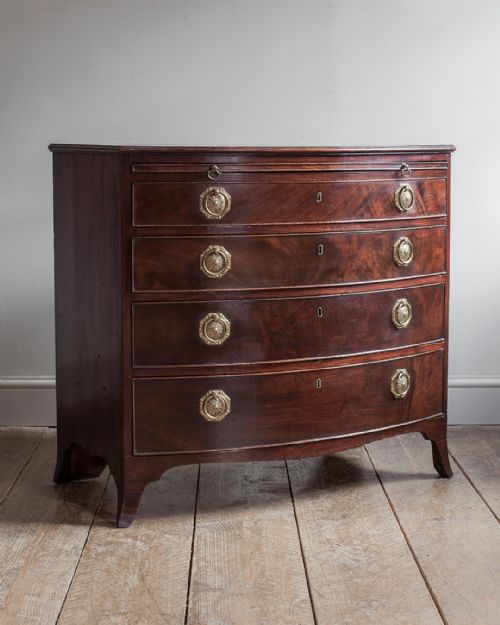
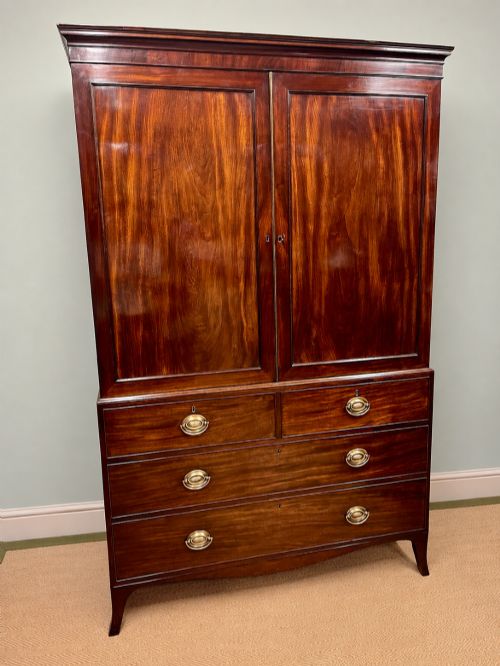
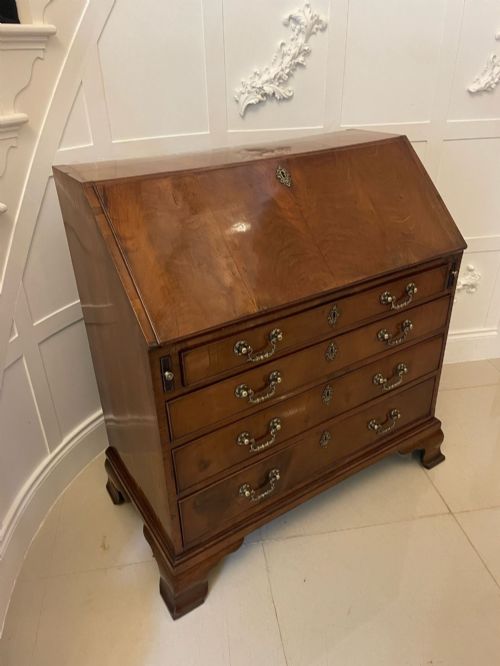
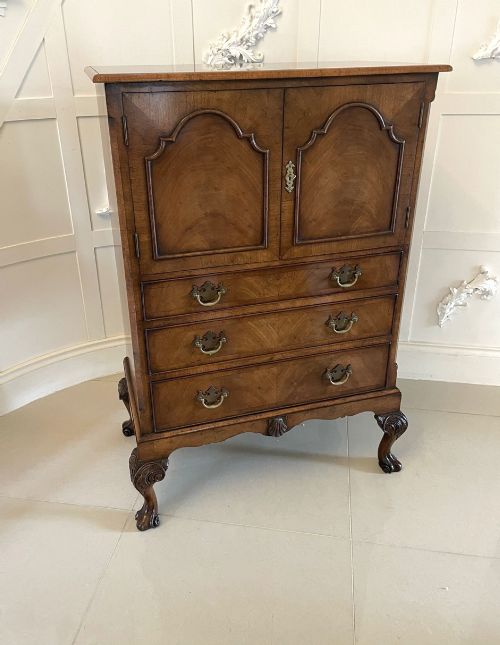
Antique Cabinet on Chest
An antique cabinet on chest combines display space and storage into a towering statement piece, perfect for anchoring a formal room.

What They Are
An antique cabinet on chest pairs an upper display section or enclosed cupboard with a lower chest of drawers, creating a substantial dual-purpose item. Buyers searching for an antique cabinet on chest encounter substantial forms rooted in seventeenth, eighteenth, and nineteenth century traditions.
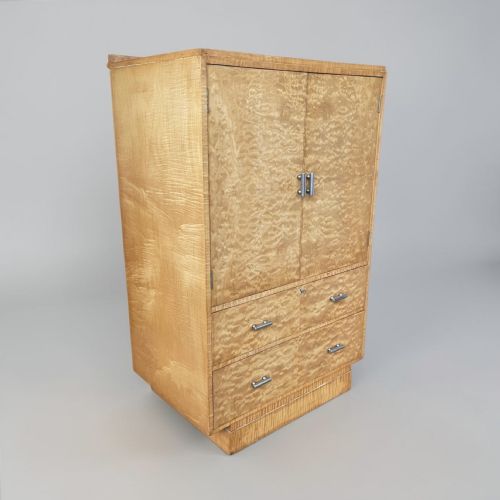
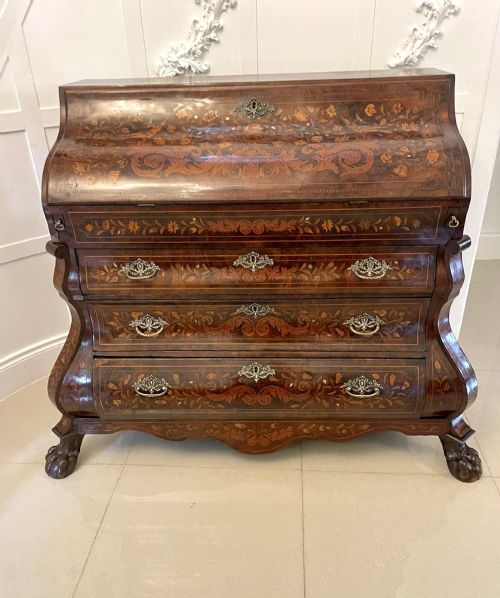
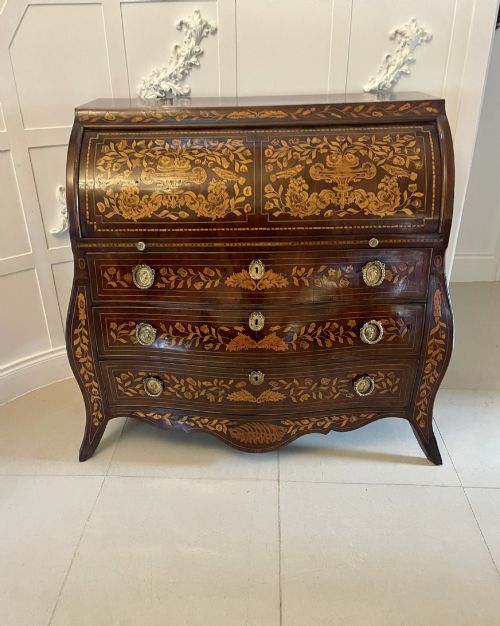
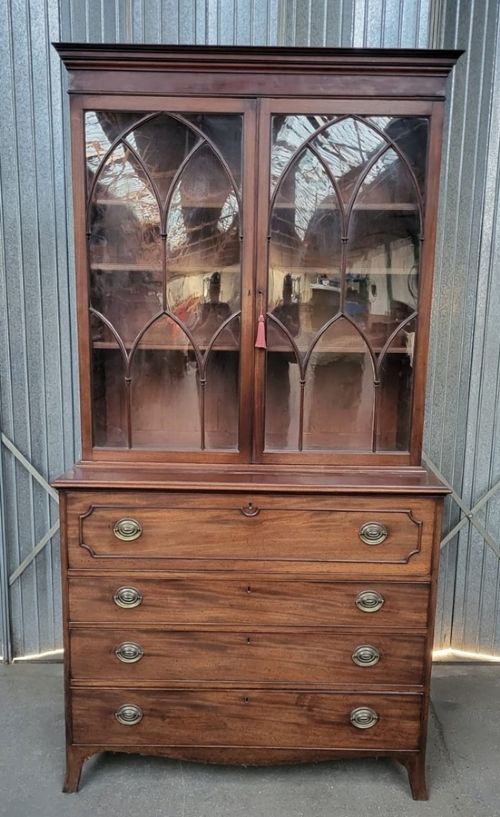
The upper portion often takes the form of a glazed vitrine, display cabinet, or panelled cupboard doors, while the lower base provides functional drawer storage. Walnut, burr walnut, and mahogany dominate the physical evidence, often enhanced by intricate marquetry or rich veneer work.
Dutch Baroque, William and Mary, and Georgian styles appear frequently among these combined forms, alongside later nineteenth and twentieth century interpretations. Pieces range from formal walnut display formats to utilitarian filing and collector designs.
How They Were Made
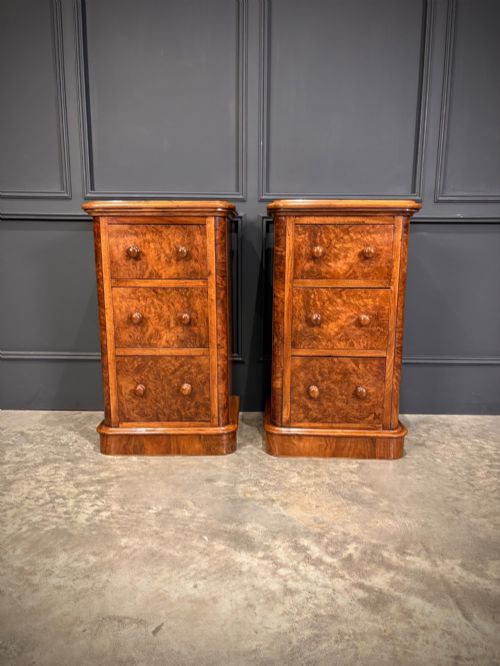
Cabinet makers utilised solid timbers such as oak, mahogany, walnut, and pine as structural foundations, applying decorative veneers across visible surfaces. Burr walnut and burr amboyna veneers provide complex, figured grain patterns that catch the light.
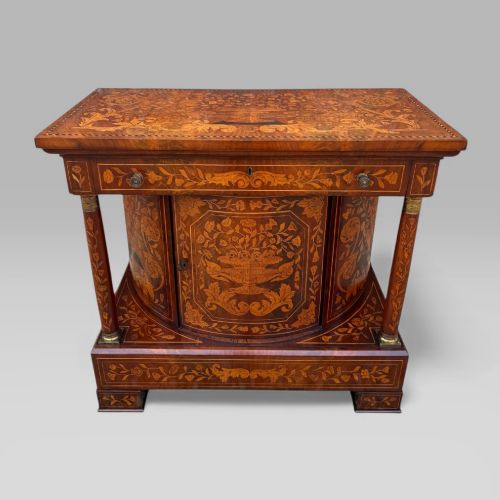
Marquetry inlay incorporates fruitwoods and specialised brass hardware to accent doors and drawer fronts. Glazed glass panels enclose upper display sections, while ormolu mounts occasionally provide decorative highlights on revival pieces.
Retail Price Guide 2026
Typical UK retail prices for cabinet on chest, calculated from the Sellingantiques database of over a million retail prices indexed since 2003. This retail price guide relies exclusively on Sellingantiques data; no external sources or auction records are used, so the figures do not describe the wider market.
Some nineteenth century examples hid specialised slots for sheet music and solicitors' indices behind unassuming drop-front drawers.
What Varies in Quality
The selection and matching of burr walnut or flame mahogany veneer dictate the visual impact of the upper cabinet and lower chest. Superior examples display continuous grain patterns across multiple drawers and doors, showing careful planning by the maker.
Complexity of construction separates standard storage furniture from high-status display pieces, particularly where intricate floral marquetry or specialised specialist compartments are integrated. The integration between the upper cabinet and lower chest requires precise proportion and stable joinery.
The Antique Cabinet on Chest Glossary
- Marquetry
- Decorative veneer work arranged in pictorial or geometric patterns using various coloured woods. Craftsmen cut contrasting timbers like fruitwood and walnut to form elaborate floral or scroll designs across the cabinet facade.
- Vitrine
- A glass-fronted display cabinet designed for exhibiting porcelain, curiosities, or fine books. These glazed upper sections allow light to circulate around fragile collected items.
- Burr Walnut
- Timber taken from a tree growth or excrescence, yielding highly figured, swirling grain patterns. Highly prized by cabinet makers for creating dramatic surfaces on high-status furniture.
- Ormolu
- Gilded bronze ornamentation applied to furniture for decorative effect. This technique appears on revival styles to accentuate corners, feet, and key escutcheons.
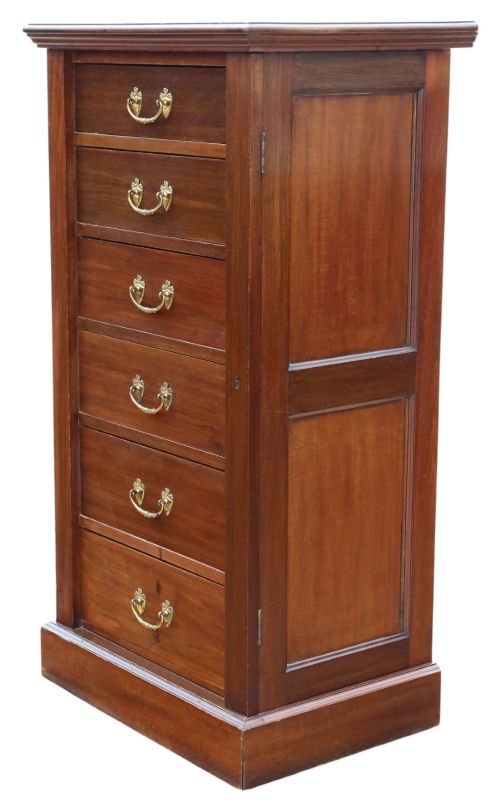
- Wellington Chest
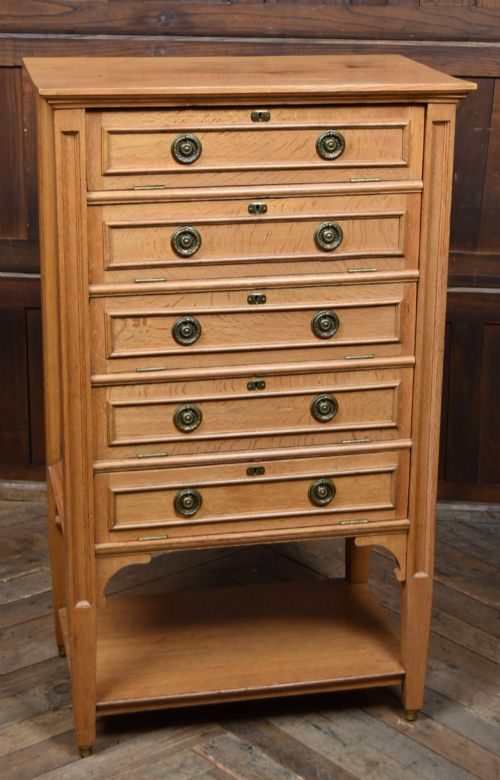
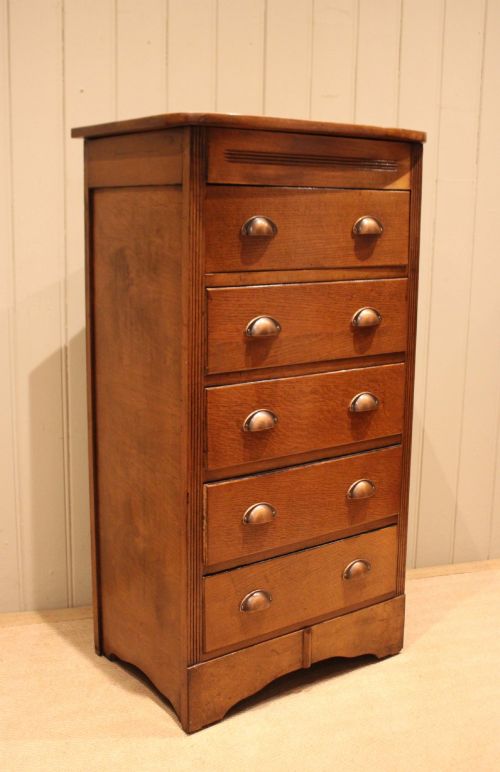
- A tall, narrow chest of drawers secured by a hinged locking side pilaster. This form frequently overlaps with specialist collector and filing cabinets.
Frequently Asked Questions
How do I date an antique cabinet on chest?
Dating relies on examining timber selection, construction methods, and stylistic vocabulary such as Dutch Baroque marquetry or Georgian proportions. Secondary woods used inside drawers and back panels often provide crucial clues to the regional origin and period.
Hardware styles, dovetail construction, and veneer thicknesses also help distinguish seventeenth and eighteenth century examples from later nineteenth century revival pieces. Comparing the specific decorative motifs to documented eras clarifies the timeline.
How were cabinets on chests used historically?
These pieces functioned as grand storage units in formal rooms, housing precious tablewares, writing materials, or collector specimens. The upper section protected delicate items behind glass or panelled doors, while the lower chest held bulkier possessions.
Wealthy households utilised them in parlours and studies to display refined tastes while keeping everyday clutter concealed. Their imposing vertical presence commanded attention in traditional domestic interiors.
Where should I place a cabinet on chest?
Position a cabinet on chest against a sturdy wall in a principal reception room, dining area, or wide hallway where its height can be appreciated. Ensure the floor is level to prevent stress on the stacked joints between the upper cabinet and lower chest.
Keep the piece away from direct sunlight and strong heat sources to protect delicate veneers like burr walnut or mahogany from drying out. Adequate clearance allows glazed doors and lower drawers to open fully.