

Antique Cabinet of Curiosities
An antique cabinet of curiosities brings together natural wonders and craftsmanship to display remarkable specimens from the natural and human worlds.
Understanding the antique cabinet of curiosities
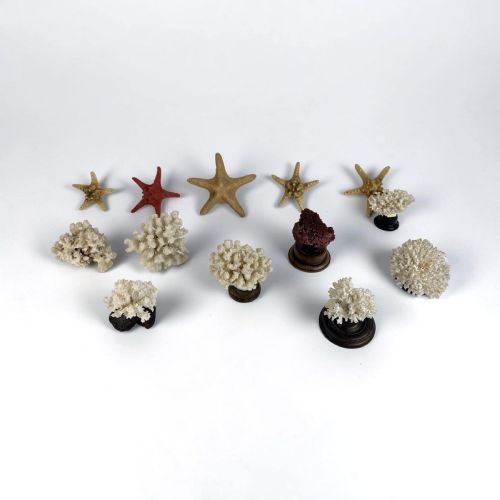
An antique cabinet of curiosities represents a fascinating tradition of collecting and displaying unusual specimens, scientific models, and natural wonders. These items reflect the historical desire to gather and exhibit the extraordinary within domestic spaces.
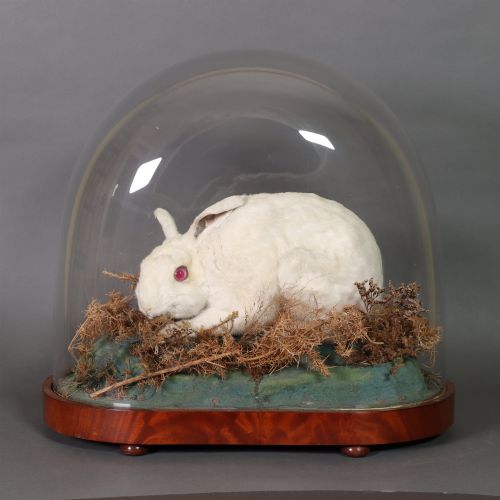
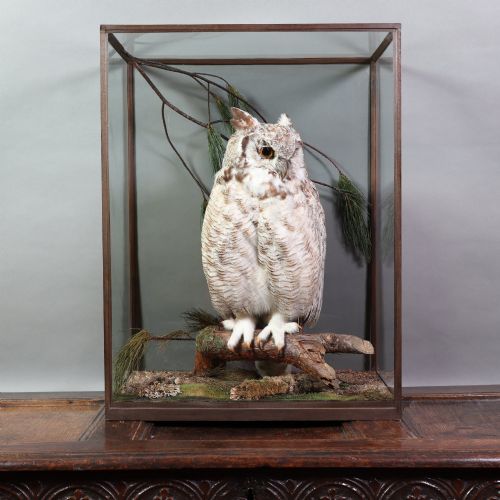
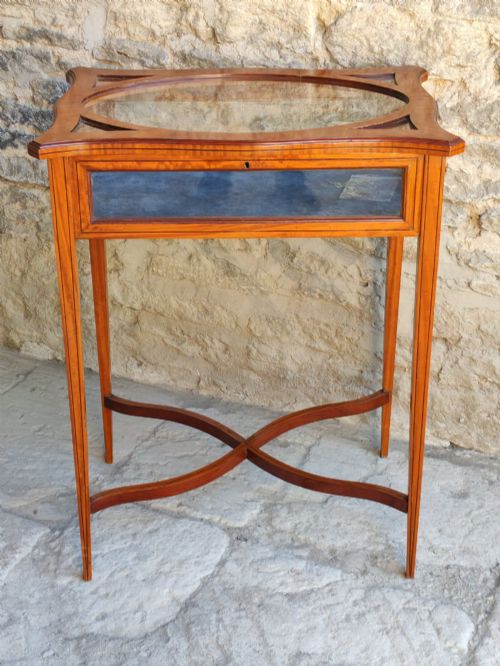
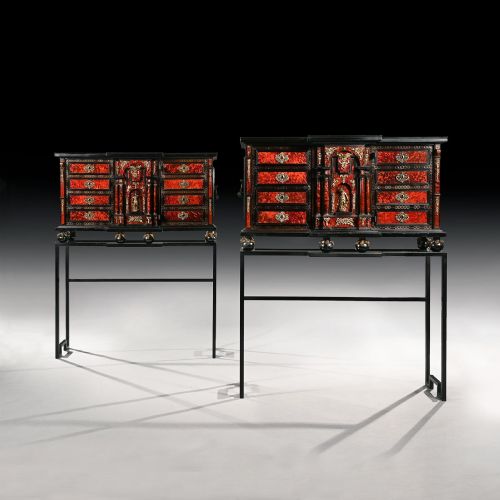
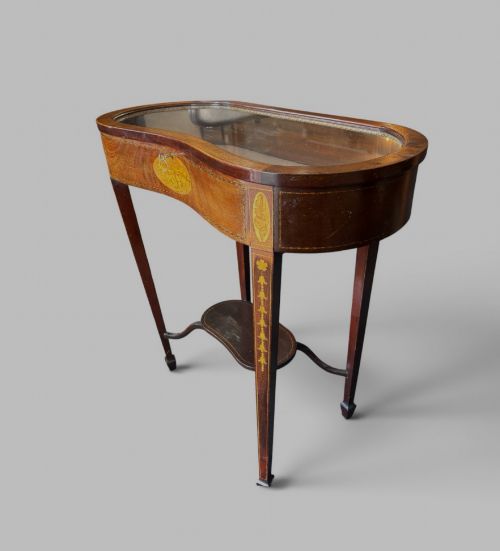
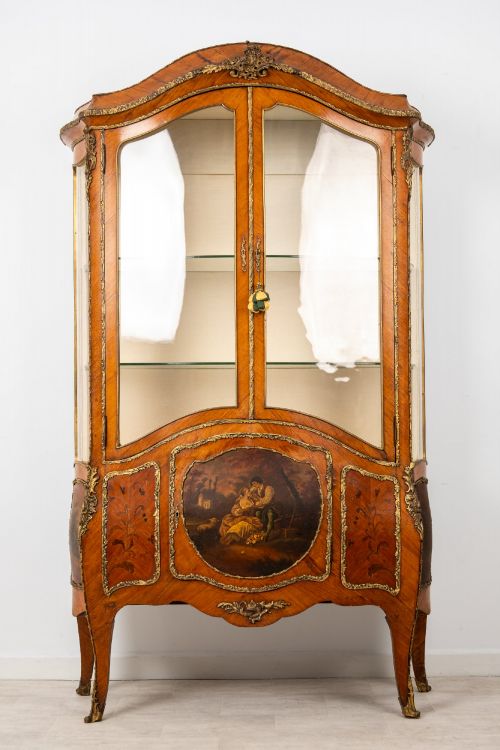
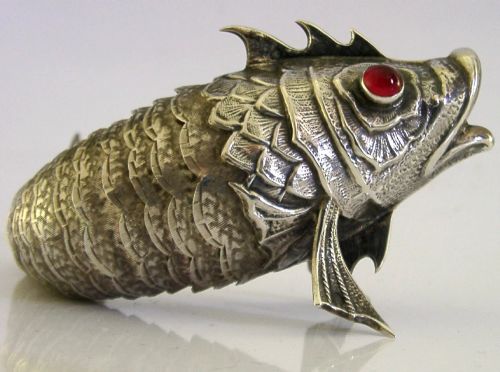
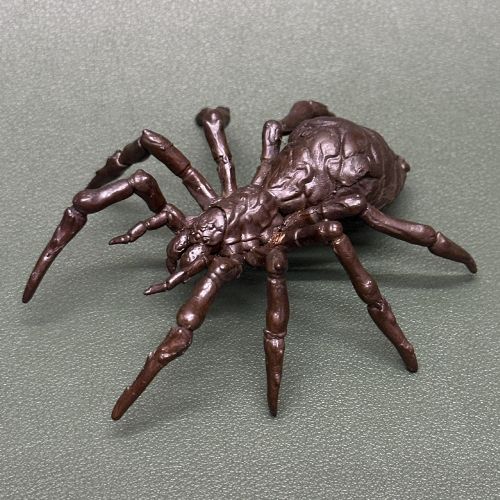
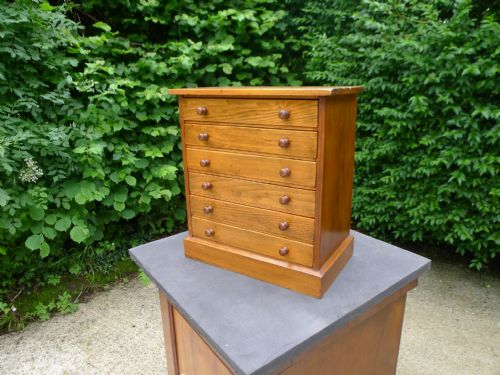
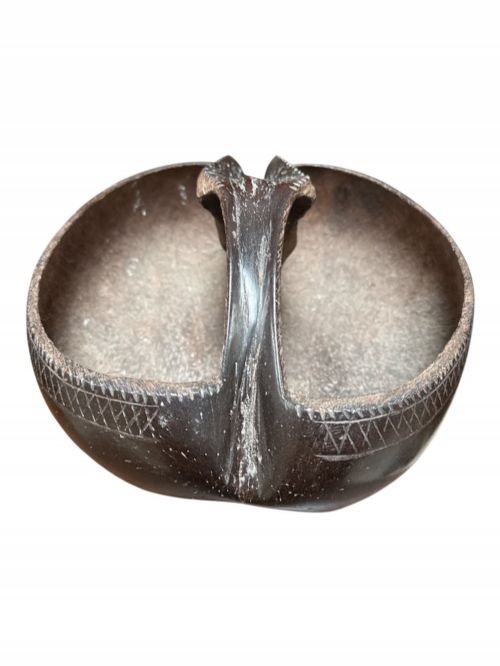
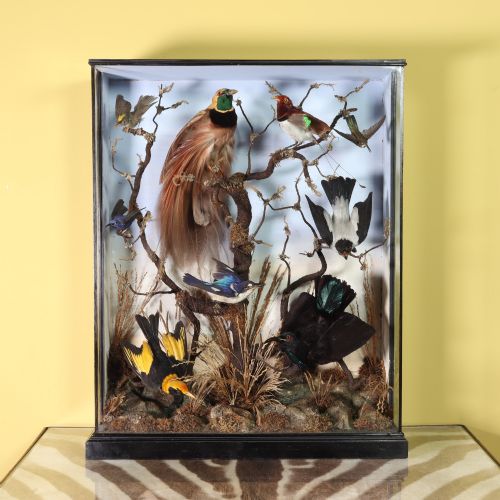
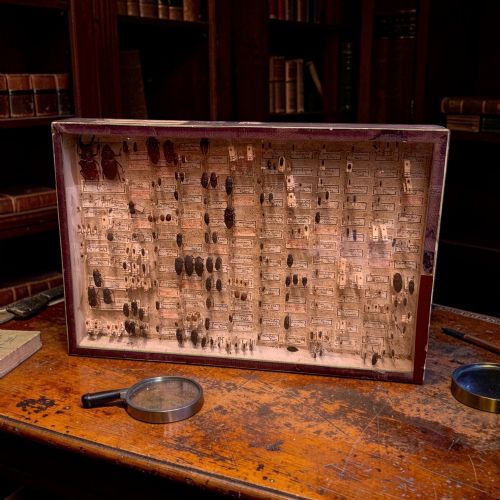
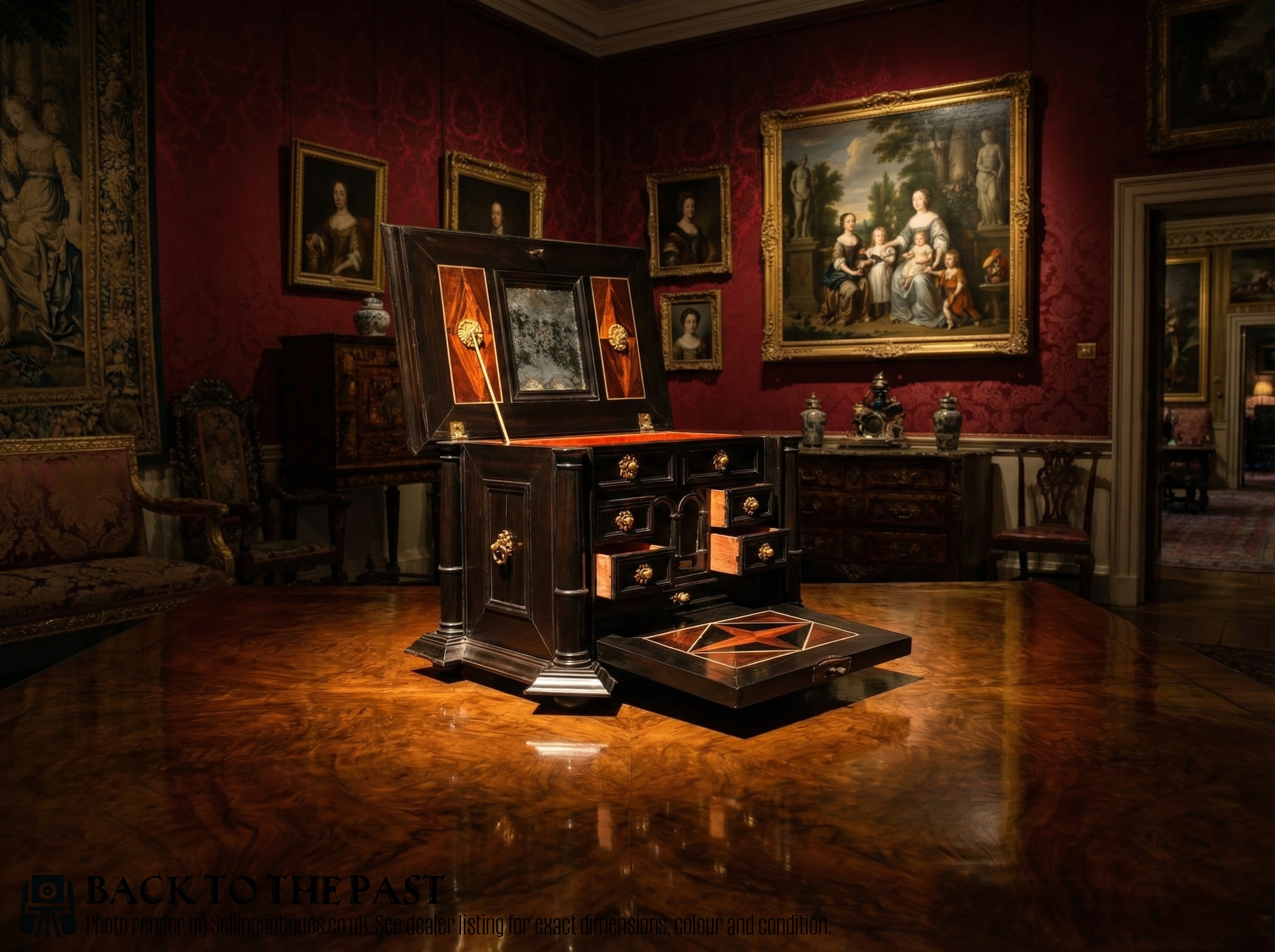
The pieces available here include table cabinets and specialised display items that showcase this diverse collecting tradition. Examples range from structured wooden table cabinets to biological and natural history specimens protected by glass domes.
Origins span distinct historical periods, featuring items from the seventeenth century through the late nineteenth century. Victorian pieces sit alongside earlier Flemish baroque examples, demonstrating the enduring appeal of cabinet collections.
Materials and construction
Makers utilised fine hardwoods such as ebony and kingwood to construct sturdy table cabinets, often employing ebonised wood finishes for a dramatic appearance. Brass hardware provides functional structural detailing on these wooden enclosures.
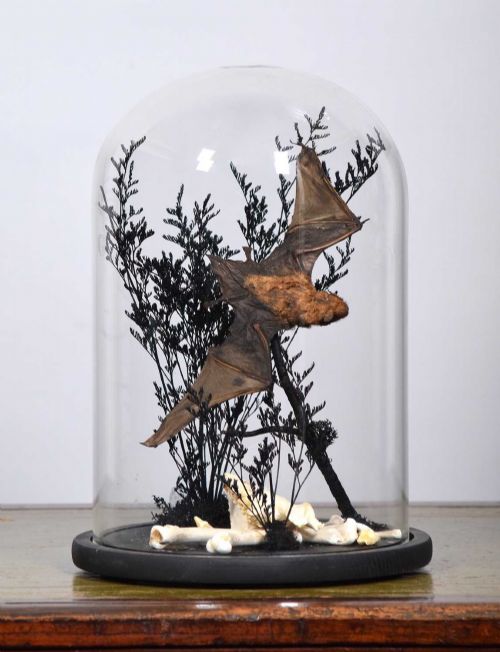
Display enclosures incorporate clear glass domes and protective wire framing to safeguard fragile contents. Taxidermy specimens and botanical materials like moss are arranged internally to create lasting miniature environments.
Some nineteenth-century natural history specimens spent more time under glass domes than their wild counterparts ever spent in the sky.
Evaluating quality and execution
Superior examples demonstrate exceptional joinery and precise material selection, using dense timbers like ebony alongside carefully figured kingwood veneers. Finer table cabinets display meticulous proportion and harmonious decorative accents true to their period origins.
Natural history specimens vary in preservation and taxidermy skill, where superior taxidermy captures natural posture and biological accuracy. The integration of protective glass and housing structures also distinguishes more accomplished museum-grade examples from simpler items.
The Antique Cabinet of Curiosities Glossary
- Ebonised Wood
- Timber treated with a dark stain or finish to imitate expensive ebony. This technique allowed cabinet makers to achieve a sophisticated, uniform black surface on more accessible woods.
- Kingwood
- A dense, heavy Brazilian timber with distinctive dark violet-brown and golden striping. It was frequently used for high-end decorative veneers on seventeenth-century and later furniture.
- Taxidermy Dome
- A glass cover mounted on a base designed to protect and display stuffed birds or specimens. These enclosures kept dust and moisture away from delicate organic materials.
- Flemish Baroque
- An elaborate artistic style originating in Flanders during the seventeenth century. It emphasises rich materials, dramatic contrast, and ornate structural detailing.
Frequently Asked Questions
What is a cabinet of curiosities?
A cabinet of curiosities is a specialised container or display enclosure used to house unusual natural history specimens, scientific instruments, and exotic objects. These collections served as miniature museums for scholars and collectors.
Over centuries, the form evolved from large rooms into table cabinets and glass-domed displays designed to showcase individual items of wonder.
How do I care for fragile specimens?
Preserved biological specimens and taxidermy require stable indoor environments away from direct sunlight and high humidity to prevent material degradation. Glass domes should remain sealed to protect vulnerable contents from dust and handling.
Gentle dusting of exterior glass and wooden frames is sufficient for routine maintenance without disturbing delicate interior arrangements.
How can I tell the period of a cabinet?
Dating relies on identifying the construction techniques, timber choices, and stylistic traits characteristic of specific eras like the seventeenth century or the Victorian period. Hardware types and finishing methods also offer reliable clues to an object's age.
Comparing known historical examples helps establish the manufacturing timeframe for both wooden cabinets and glass-enclosed specimens.