

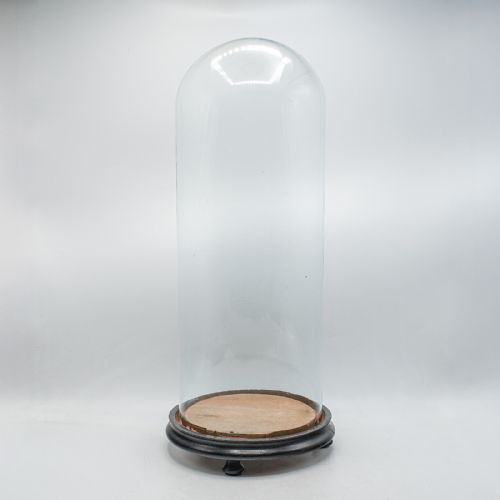


Ebonised Wood Base Taxidermy
These ebonised wood base taxidermy specimens beneath glass domes bring Victorian natural history straight into the modern room.
Ebonised Wood Base Taxidermy
When you search for ebonised wood base taxidermy, you encounter glass domes and display cases housing preserved specimens. These pieces primarily date from the Victorian and Edwardian periods, including specific examples from around eighteen eighty.
Makers such as James Gardner produced notable examples during the nineteenth century, establishing high standards for taxidermy presentation. The combination of glass, timber and taxidermy specimens creates a distinct decorative object rooted in historical collecting habits.
Materials and construction
Makers constructed the bases from timber treated to achieve a dense black ebonised finish, providing a dark contrast to the specimens inside. Glass domes were hand-blown, resulting in characteristic variations in thickness and subtle surface bubbles.
Interiors often incorporate fabric, felt and moss to recreate natural environments for birds and botanical specimens. Wood and timber form the underlying structural support for the display cases and clock-style bases.
Ebonised Wood Base Taxidermy Retail Price Guide 2026
Typical asking prices for ebonised wood base taxidermy among the pieces listed under this phrase on Sellingantiques today, from the lower quarter to the upper quarter. They describe what is for sale here now, not the wider market.
Victorian professors clearly loved a tall glass dome for showing off their favourite stuffed birds.
Assessing quality and craftsmanship
The quality of ebonised wood base taxidermy rests upon the clarity of the blown glass dome and the condition of the ebonised timber base. Superior pieces feature well-preserved specimens arranged with botanical context by skilled practitioners.
Proportion and scale distinguish finer examples, particularly in tall or wide domes that maintain structural integrity across the glass and wooden elements. The precision of the joinery on the timber base and the condition of interior linings further indicate the grade of the piece.
James Gardner
The Ebonised Wood Base Taxidermy Glossary
- Ebonised wood
- Timber treated with a dark stain or finish to imitate ebony. This dark surface creates a sharp visual contrast with the glass and specimens above.
- Display dome
- A blown glass cover designed to protect fragile objects. These covers rest upon matching wooden or ebonised bases.
- Taxidermy specimen
- A preserved animal subject prepared for display. In these listings, birds and natural history specimens form the primary focus.
- Diorama
- A three-dimensional scene enclosed within a glass case or dome. These arrangements often incorporate moss and fabric to simulate a natural habitat.
- Cloche
- A bell-shaped glass cover used for display. The term derives from the French word for a bell.
Ebonised Wood Base Taxidermy: Frequently Asked Questions
What periods do these domes come from?
The pieces originate from the Victorian and Edwardian eras, spanning the latter half of the nineteenth century into the early twentieth century. Specific dates indicated in the evidence include eighteen sixty, eighteen seventy, and around nineteen hundred and five.
These dates reflect the height of natural history collecting in England when display domes became popular household ornaments.
What are ebonised bases made from?
The bases utilise timber treated with a black finish to resemble ebony wood. This dark wooden foundation supports the glass dome and anchors the interior display.
Underneath the ebonised surface, materials typically include pine or other standard woods used by nineteenth-century cabinet makers.
How were these specimens displayed originally?
Victorian and Edwardian collectors placed these glass domes on mantelpieces, tabletops, and dedicated display cabinets. They served both educational purposes and decorative display within middle-class and scholarly homes.
The glass covers protected delicate feathers and botanical elements from dust and damage in coal-heated rooms.
How do I care for antique glass domes?
Keep the glass clean using a soft cloth and mild cleaner while avoiding pressure on the blown glass surface. Lift the dome only with proper support under the wooden base to prevent accidents.
Position the piece away from direct sunlight to protect the fabric, moss and taxidermy specimens contained inside.
What types of specimens are included?
The listings feature birds, including Indian stuffed specimens, alongside general botanical displays. These are arranged over felt, fabric, and moss inside the glass enclosures.
Professor and collector cases also appear, highlighting specimens gathered for scientific and educational study.