

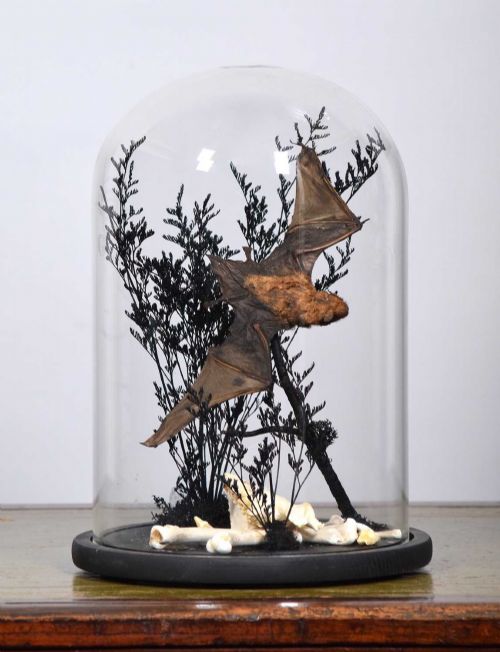
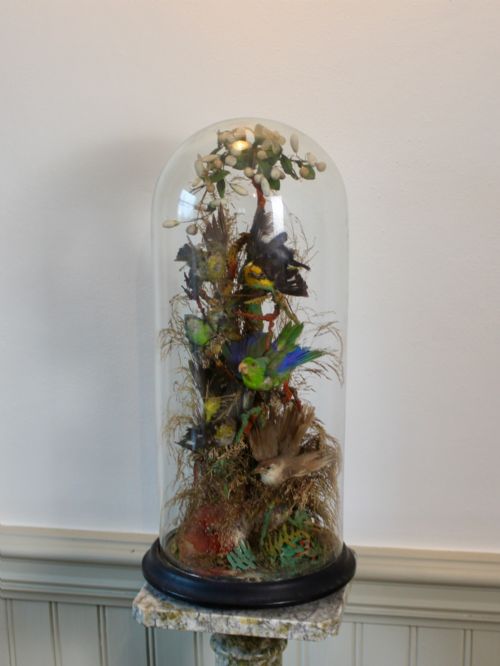


Victorian Glass Dome Taxidermy
When you search for victorian glass dome taxidermy, you enter a parlour world where preserved animals and birds stand under blown glass covers.
Victorian Glass Dome Taxidermy
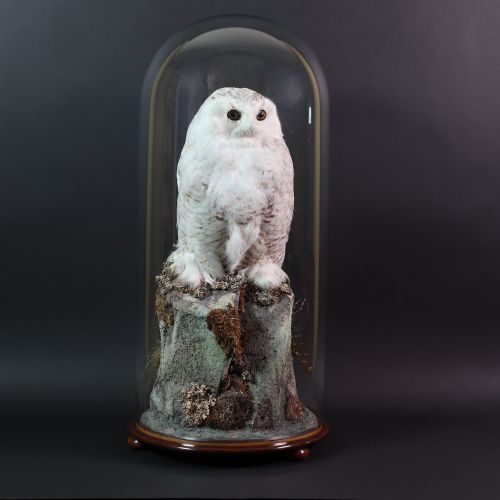
Victorian glass dome taxidermy pieces combine blown glass covers with preserved specimens mounted on bases of ebonised wood, mahogany, or pine. Buyers frequently encounter single birds like owls, woodpeckers, and squirrels, alongside complex compositions of colourful exotic birds or snow buntings.
The objects range from compact small displays to tall, wide, or ovoid showcase domes originating in the Victorian and Edwardian eras. These domestic display cases functioned as parlour ornaments and natural history showcases for collectors.
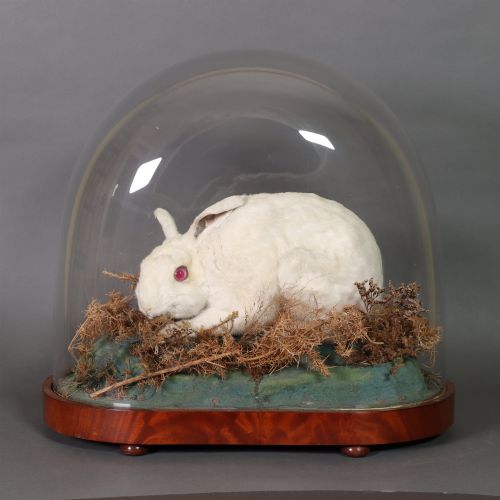
Examples often incorporate internal groundwork utilising fabric, velvet, felt, feathers, and marquetry to imitate natural habitats. Collectors find both round and flat-sided domes designed to sit upon mantelpieces or tables.
Materials and Construction Techniques
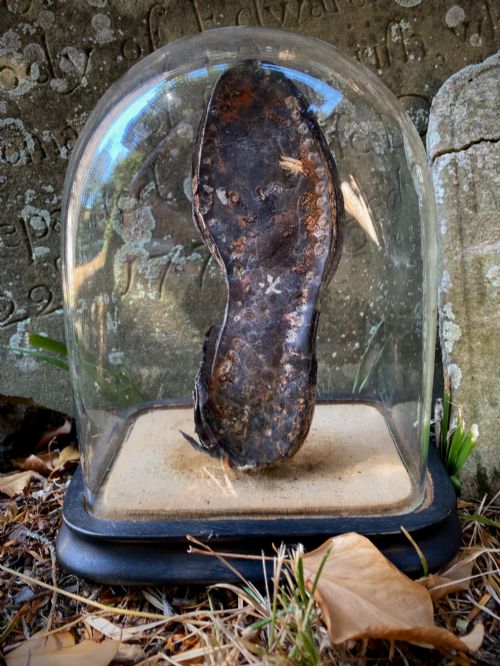
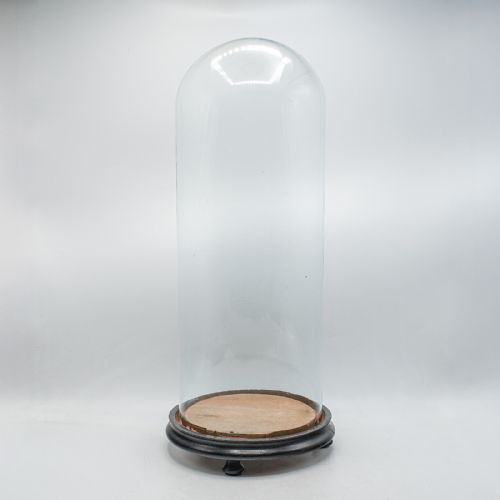
Makers formed the transparent covers using blown glass, creating tall, ovoid, or clock-style bell shapes to protect delicate contents from dust. These glass covers rest upon sturdy wooden bases shaped from ebonised timber, oak, mahogany, or pine.
Inside the glass, taxidermists arranged preserved birds, bats, and mammals amidst fabric, velvet, felt, and feathers. Base details frequently include marquetry work and natural groundwork to anchor the specimens securely.
Victorian Glass Dome Taxidermy Retail Price Guide 2026
Typical asking prices for victorian glass dome taxidermy among the pieces listed under this phrase on Sellingantiques today, from the lower quarter to the upper quarter. They describe what is for sale here now, not the wider market.
Pipistrelle bats and snow buntings frequently share parlour shelf space with birds of paradise under these towering glass covers.
Factors Affecting Quality
Quality separates ordinary enclosures from masterwork displays through the complexity of the taxidermy composition and the clarity of the blown glass cover. Elaborate arrangements featuring multiple exotic birds or named practitioner provenance command greater attention than standard single-specimen cases.
The craftsmanship of the wooden base, whether simple ebonised pine or finely turned mahogany with marquetry detailing, dictates the overall refinement of the piece. Intact, original glass covers free from heavy distortion also define superior examples.
James Gardner of London·Henry Ward London·A Pollard·Hutchings of Aberystwyth·Davis and Co Bristol
The Victorian Glass Dome Taxidermy Glossary
- Cloche
- A bell-shaped glass cover used to protect delicate ornaments and specimens. This transparent housing keeps dust away from fragile interior arrangements.
- Ebonised wood
- Timber treated with a dark stain or finish to imitate ebony. This dark base material provides a stark contrast to colourful feathers and bright specimens.
- Marquetry
- Decorative inlay work using various woods applied to a base. Artisans utilised this technique to adorn the wooden stands of display cases.
- Ovoid
- Egg-shaped in outline. This specific glass contour offers distinctive visual refraction for the taxidermy within.
- Taxidermy specimen
- A preserved animal skin mounted over an anatomical form. These preserved birds and mammals form the focal point of the display.
Victorian Glass Dome Taxidermy: Frequently Asked Questions
What animals appear under these domes?
Preserved specimens range from native British owls, kestrels, rabbits, and squirrels to exotic birds of paradise and bats. Makers arranged these creatures individually or in colourful multi-bird compositions.
Compositions often mirror natural habitats using feathers, fabric, and groundwork to recreate woodland or tropical scenes.
How were glass domes displayed historically?
Victorian households placed these display cases on parlour tables, mantelpieces, and dedicated collector cabinets. The glass protected fragile feathers and taxidermy from soot, smoke, and dust.
Their presence reflected a broader Victorian fascination with natural history, ornithology, and domestic science.
How do I distinguish Victorian from Edwardian pieces?
Victorian examples date from the nineteenth century up to 1901, often featuring heavier ebonised bases and dense, complex bird compositions. Edwardian pieces extend into the early twentieth century, tending toward simpler showcase frames and lighter woods.
Stylistic shifts also appear in the shape of the glass, moving from tall ovoid bell shapes toward broader, rectangular display proportions.