






Vintage Stuffed Bird Display
These vintage stuffed bird display pieces bring Victorian and Edwardian natural history straight into the modern room.
Vintage Stuffed Bird Display
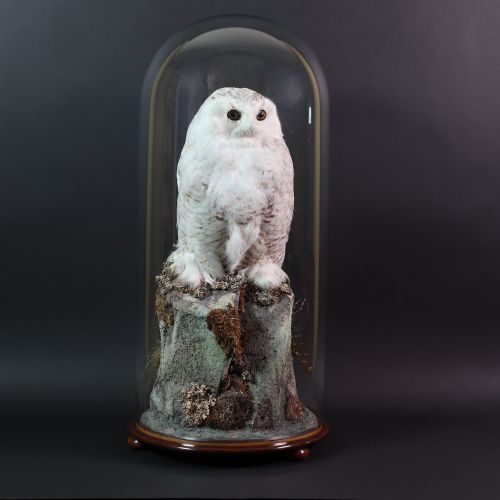
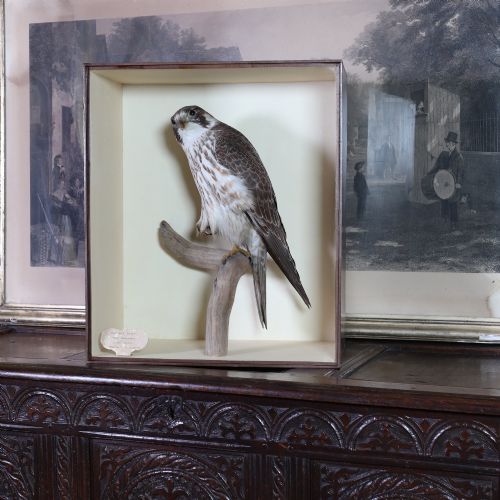
A vintage stuffed bird display captures specimens in glass domes, painted timber cases, and oak frames. These pieces stem from periods between the 1870s and 1930, reflecting the intense nineteenth and early twentieth-century interest in natural history.
Most examples found here present British or exotic birds within enclosed environments. Buyers frequently encounter Victorian domes and Edwardian cases holding single species like kestrels, kingfishers, herons, and owls, alongside complex dioramas.
The assortment ranges from single white pheasants and shoveler ducks to multi-species arrangements featuring birds from New Guinea, South America, and Australia. These displays function as distinct historical artefacts rather than mere ornaments.
How these displays were constructed
Makers built these taxidermy mounts using preserved specimens placed over simulated natural habitats composed of moss, timber, and paper. Taxidermists mounted the birds carefully to replicate lifelike postures within the confines of the enclosure.
Cases relied heavily on wood, glass, and paint to protect the delicate feathers from dust and degradation. Artisans joined timber frames securely and sealed glass domes onto wooden bases to maintain internal stability.
Vintage Stuffed Bird Display Retail Price Guide 2026
Typical asking prices for vintage stuffed bird display among the pieces listed under this phrase on Sellingantiques today, from the lower quarter to the upper quarter. They describe what is for sale here now, not the wider market.
The listings span the Victorian period, the Edwardian era, and the 1930s, utilising materials such as glass, timber, moss, and paper.
Understanding quality in taxidermy displays
Quality rests upon the preservation of the plumage and the naturalism of the taxidermy work. Superior pieces maintain vibrant feather coloration and anatomical proportions that reflect the living creature accurately.
The complexity and scale of the enclosure heavily influence the distinction between standard and exceptional pieces. Elaborate multi-species dioramas housed in painted wooden cases require greater skill than single specimens under simple glass domes.
James Gardner
The Vintage Stuffed Bird Display Glossary
- Taxidermy
- The art of preparing, stuffing, and mounting the skins of animals for display. This technique forms the foundation of every piece listed here.
- Diorama
- A three-dimensional scene in which stuffed specimens are arranged in a naturalistic setting. These often include simulated foliage like moss and painted backgrounds.
- Dome
- A circular glass cover fitted onto a base to protect delicate specimens. This method kept dust away from vulnerable feathers.
- Specimen
- An individual animal used as an example of its species for study or exhibition. Each bird in these displays serves this purpose.
- Timber
- Wood prepared for use in building and construction. Makers utilised timber to construct the protective cases holding the mounts.
Vintage Stuffed Bird Display: Frequently Asked Questions
Where were these displays originally placed?
Victorian and Edwardian households placed these natural history displays in studies, libraries, and drawing rooms. They served as conversation pieces for amateur naturalists.
Today, they occupy similar prominent positions in domestic interiors as decorative focal points.
Are these displays fragile?
The glass and internal paper components require careful handling during relocation. Feathers degrade if exposed to direct sunlight or damp environments.
Stable indoor temperatures protect both the taxidermy specimens and the wooden housing.
How do I identify a Victorian case?
Victorian examples often feature heavy timber construction, painted interiors, and handwritten specimen labels. Their styles align with nineteenth-century natural history traditions.
Later pieces from the Edwardian era and the 1930s tend toward simpler oak frames and lighter structural elements.