


Antique Burr Walnut Credenza
Burr walnut credenzas bring striking figured timber and stately presence to a room, offering both display space and generous storage.
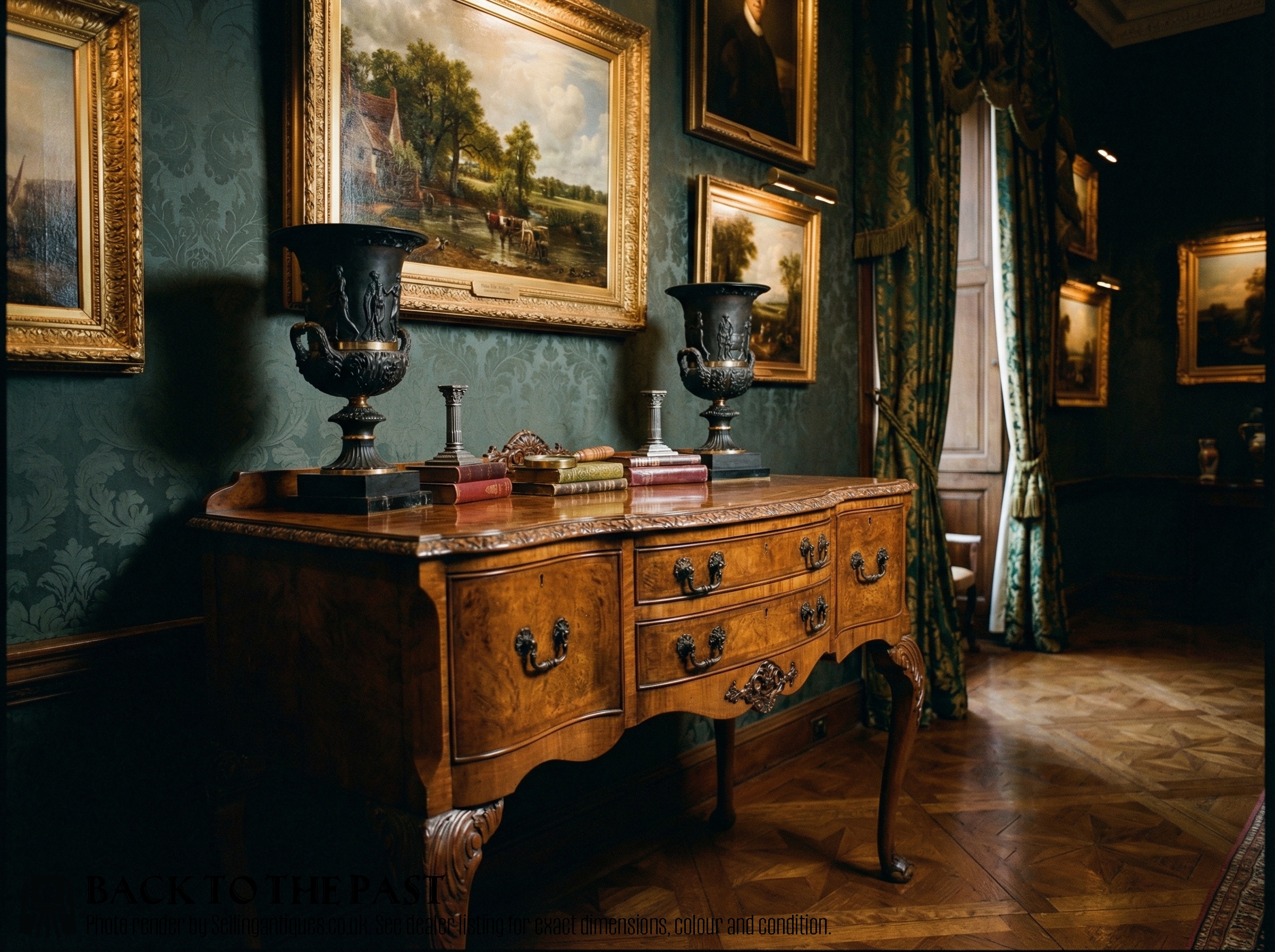
The Antique Burr Walnut Credenza
An antique burr walnut credenza is a substantial low storage cabinet designed for the principal reception rooms of fine homes. These pieces commonly double as sideboards or side cabinets, providing a broad surface top alongside enclosed shelving.
The Victorian period supplies the vast majority of examples found in these records. Buyers meet pieces dating from the mid-nineteenth century through to the 1930s Art Deco era, including revival styles and later modernist interpretations.
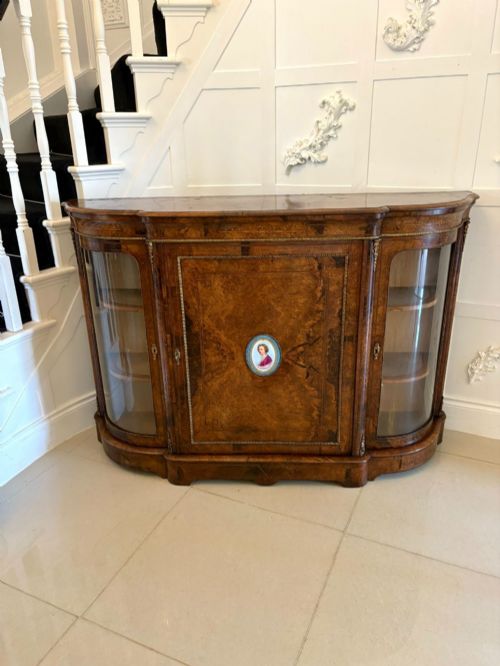
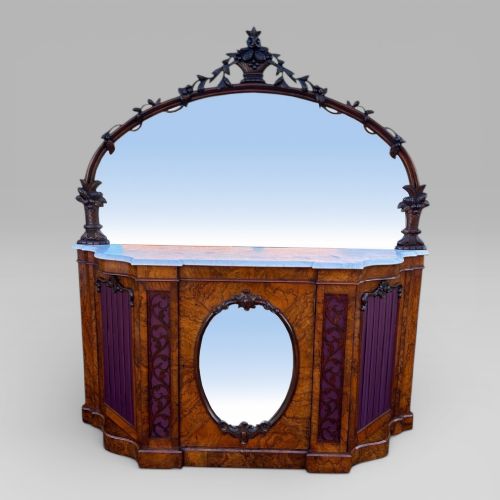
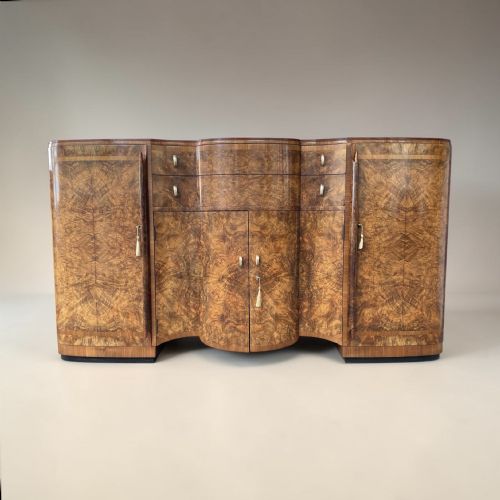
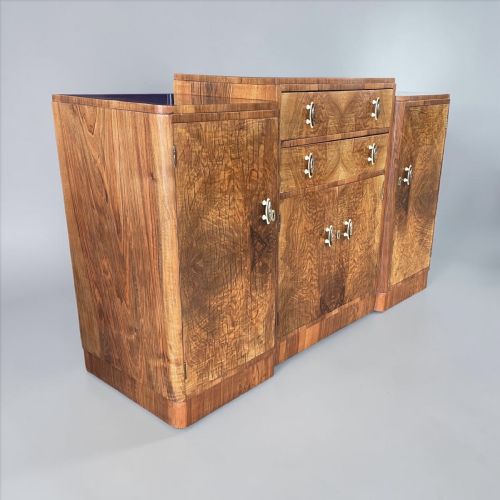
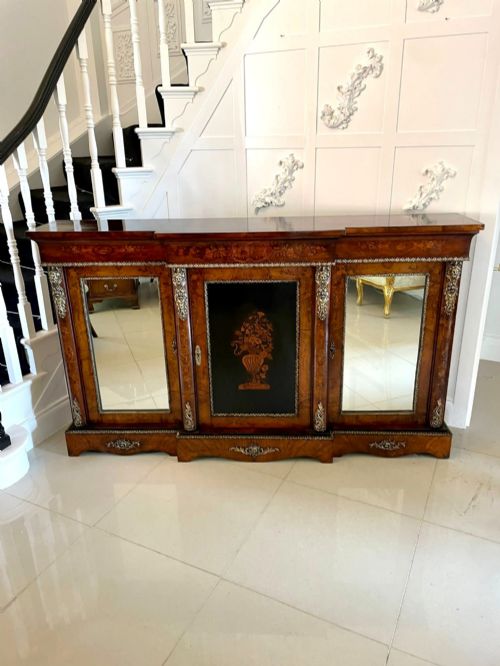
Victorian versions frequently incorporate glazed central doors flanked by curved side cabinets, while later twentieth-century interpretations from makers such as Epstein or Hamptons of Pall Mall present streamlined geometric silhouettes.
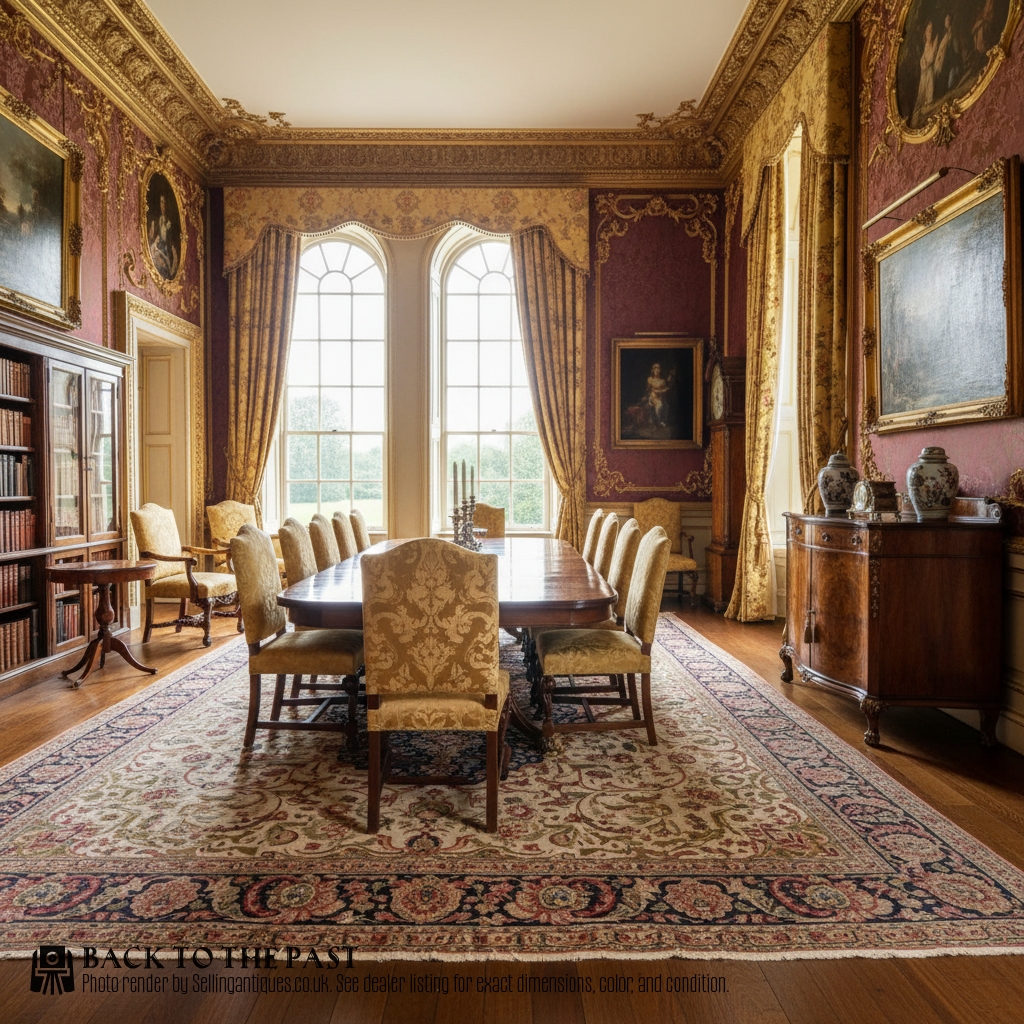
Materials and Construction
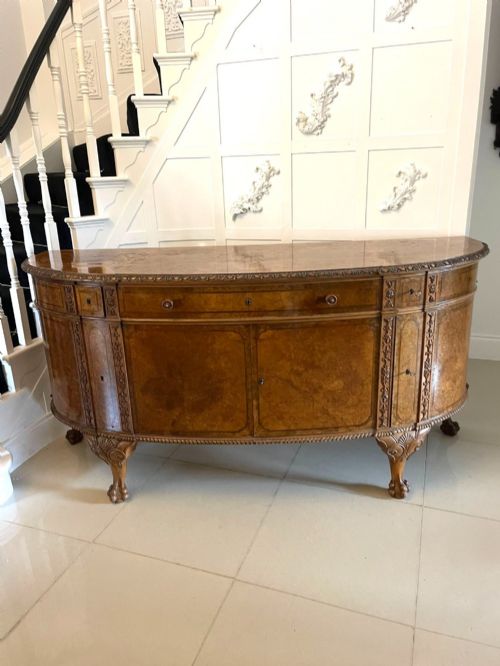
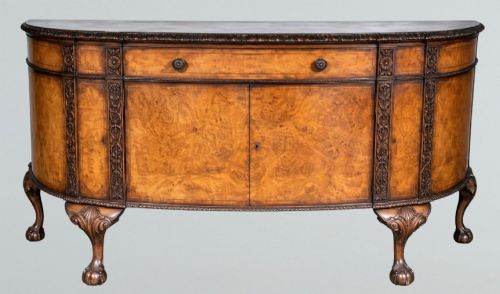
Cabinetmakers utilised timber, solid walnut and walnut veneer to build the foundational carcase. The distinctive mottled grain patterns come from burr walnut slices applied as veneers across the primary visible surfaces.
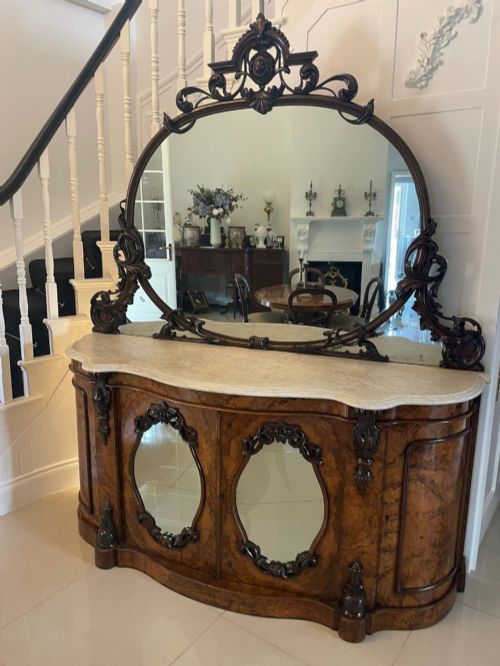
Decorative detailing relies on contrasting elements including brass mounts, ormolu accents and inset porcelain plaques. Some iterations integrate marble tops or large mirror backs framed in carved timber.
Retail Price Guide 2026
Typical UK retail prices for burr walnut credenza, calculated from the Sellingantiques database of over a million retail prices indexed since 2003. This retail price guide relies exclusively on Sellingantiques data; no external sources or auction records are used, so the figures do not describe the wider market.
Materials appearing across the archive include burr walnut, marble, mirror glass, ormolu and brass.
Evaluating Quality and Craftsmanship
The visual impact of a piece depends heavily on the selection and matching of the burr walnut veneer across the doors and panels. Symmetrical grain alignment requires exceptional skill from the cabinetmaker.
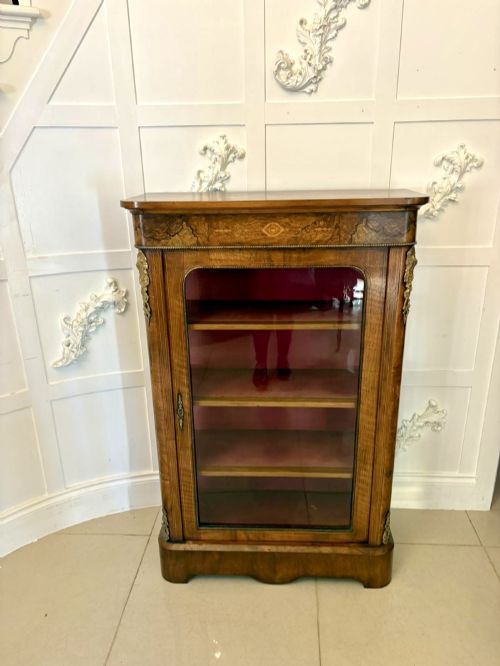
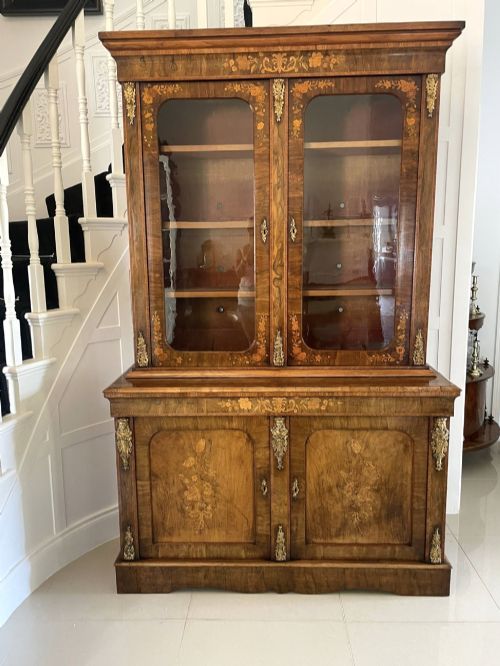
Subtle differences in hardware, such as finely cast ormolu mounts and detailed floral marquetry inlay, separate standard production items from exhibition grade cabinet work.
Hamptons of Pall Mall London·Epstein·Edwards and Roberts of London
The Antique Burr Walnut Credenza Glossary
- Burr Walnut
- A figured wood veneer taken from the gnarled growth on a walnut tree. It produces intricate, swirling patterns highly prized in cabinet making.
- Credenza
- A low cabinet or sideboard designed for dining rooms and parlours. These units traditionally combine cupboards with display sections.
- Ormolu
- Gilded bronze furniture mounts used extensively during the nineteenth century. This decorative metalwork highlights structural corners and door frames.
- Marquetry
- Intricate wood inlay work forming decorative patterns and floral motifs. Artisans fit contrasting timber veneers into precise recesses on the cabinet front.
- Chiffonier
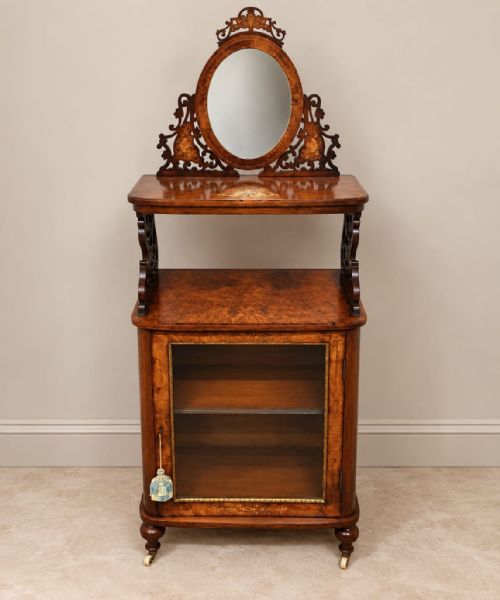
- A compact sideboard or tall cabinet equipped with drawers and shelves. Victorian versions often include raised mirror backs.
Frequently Asked Questions
What is an antique burr walnut credenza?
An antique burr walnut credenza is a low, polished storage cabinet featuring highly figured wood veneer. They served as principal display and serving furniture in formal Victorian and Edwardian rooms.
These cabinets typically combine central cupboard doors with curved side compartments and surface display tops. Many examples incorporate decorative marquetry, porcelain plaques or ormolu mounts.
How do I date an antique credenza?
Dating relies on observing structural forms, decorative motifs and secondary timbers used inside the carcase. Victorian pieces often display floral marquetry and ormolu, whereas 1930s items favour streamlined geometric walnut surfaces.
Cabinet construction methods and specific maker signatures or stamps provide further chronological indicators. Stylistic crossovers between Queen Anne revival and Art Deco also help narrow the production era.
Where should I place a credenza?
These cabinets suit dining rooms, living spaces and grand hallways as statement storage furniture. Their low profile makes them ideal for positioning against a large blank wall or beneath a hanging mirror.
Ensure the room maintains stable humidity levels to protect the delicate walnut veneer and applied ormolu mounts. Avoid placing the timber directly next to active heat sources.
What is the difference between a credenza and a sideboard?
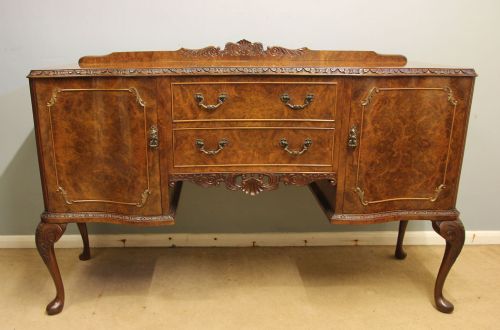
Credenzas traditionally feature enclosed cupboards across their entire low profile without high legs. Sideboards often stand on taller legs and frequently include drawers arranged beneath the main serving surface.
In antique terminology, these categories frequently overlap as cabinetmakers adapted forms for changing domestic fashions. Both types offer substantial interior shelving capacity.