

Antique Bronzed Statue
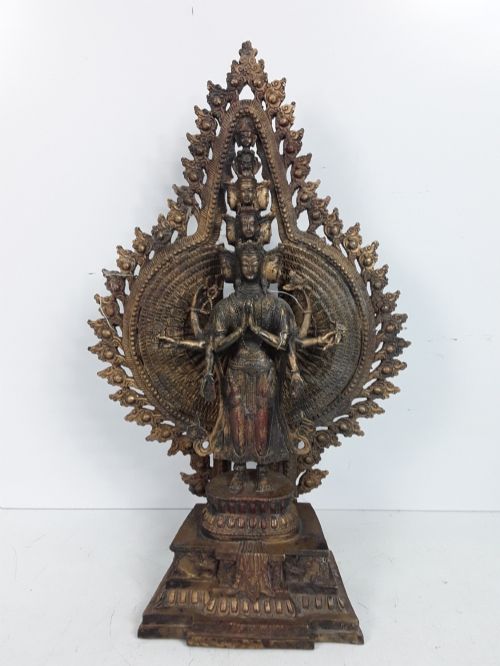
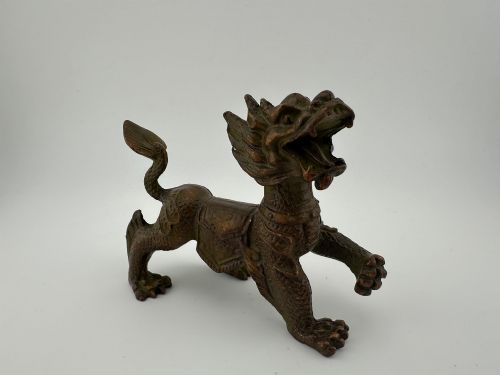
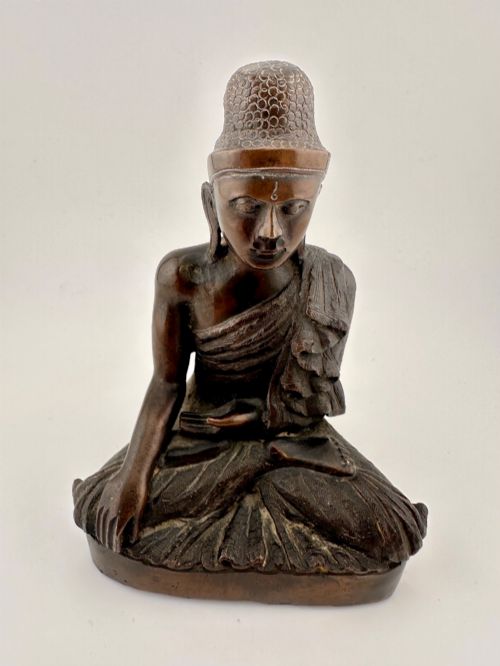
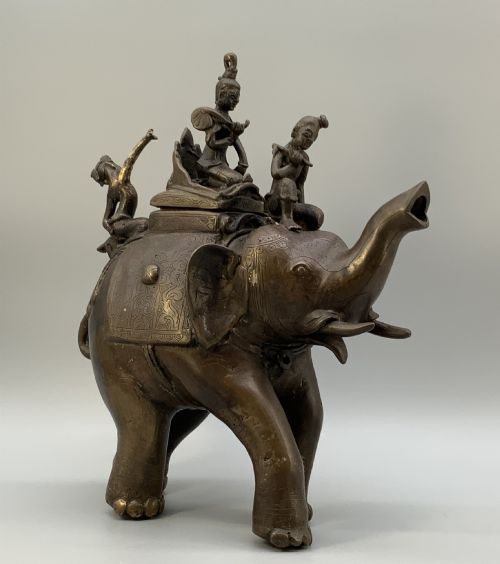
An antique bronzed statue brings classical figures, animal studies and Eastern deities into a room through lasting metalwork.
Antique Bronzed Statue
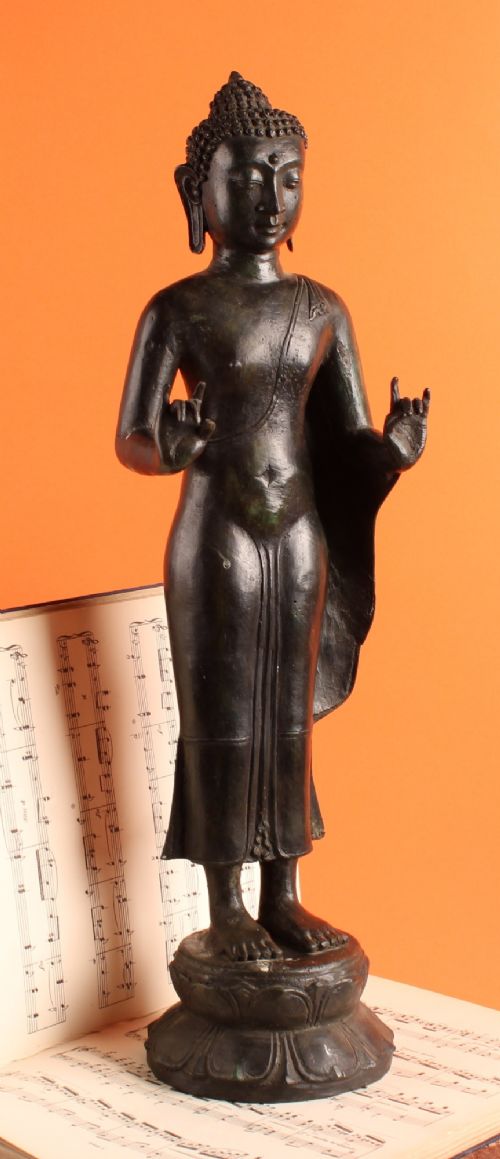
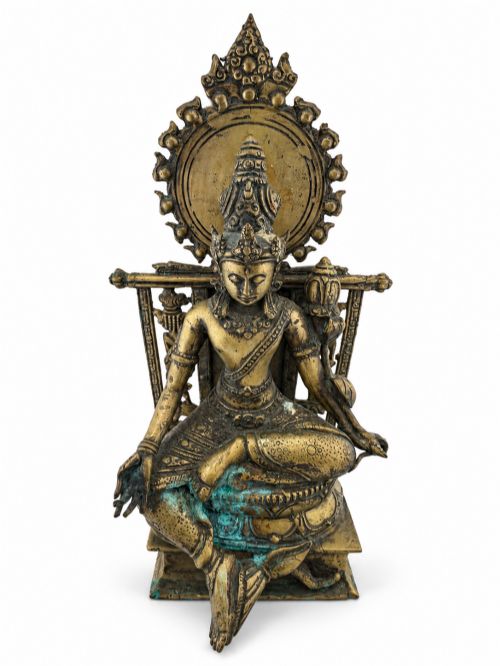
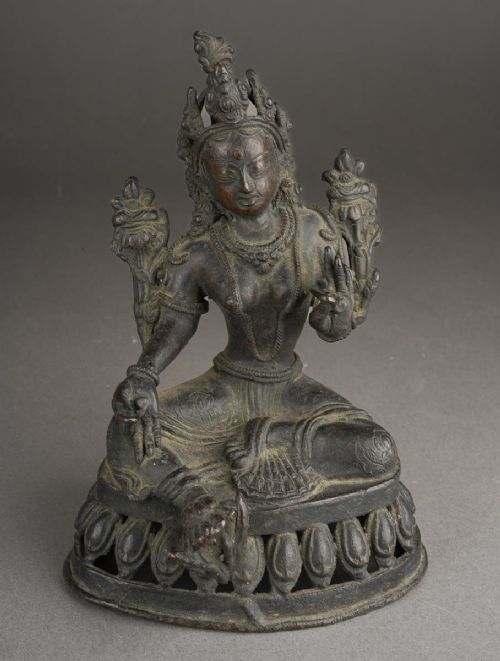
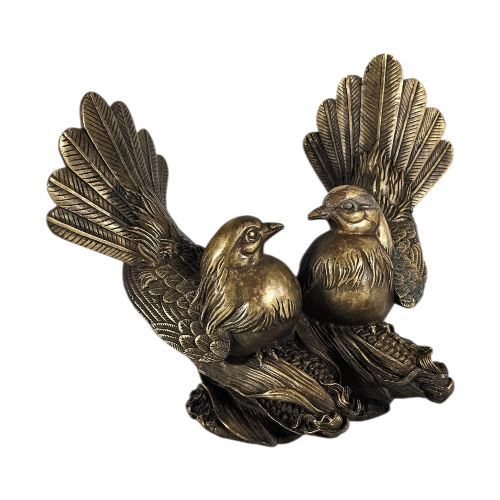
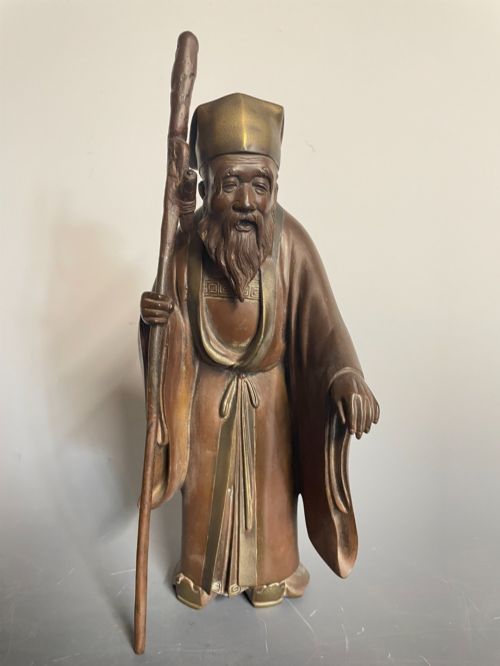
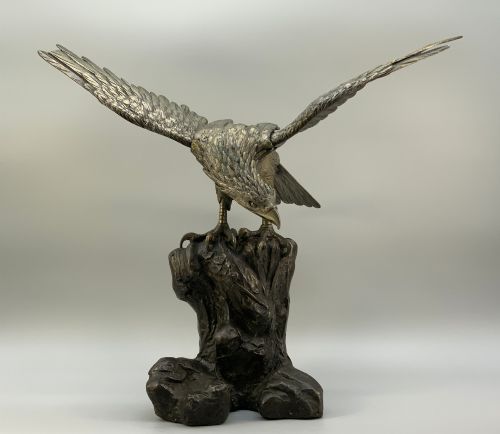
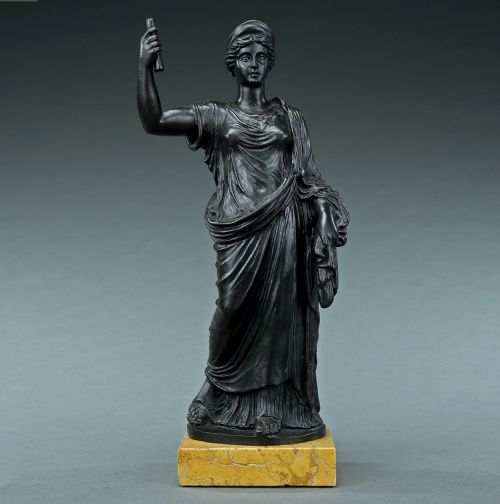
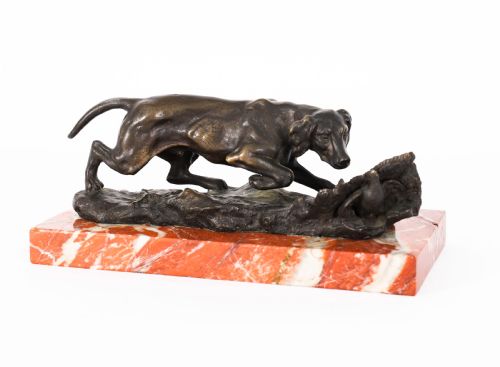
An antique bronzed statue spans figurative sculptures, animalier studies, mythological subjects and portrait busts created across the nineteenth and early twentieth centuries. When searching for an antique bronzed statue, collectors encounter diverse international traditions, from French neoclassical works and Austrian cold-painted novelties to Japanese Meiji period okimono and Burmese Buddhist bronzes.
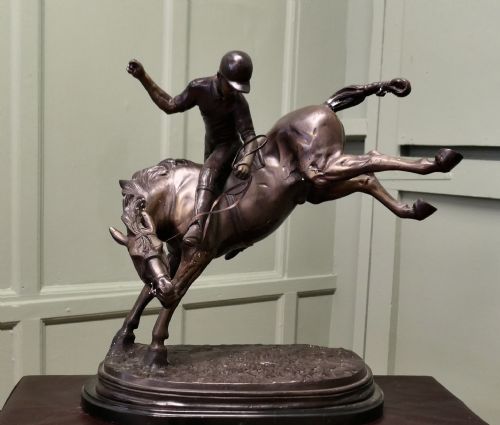
The objects take many forms, appearing as standalone sculptures on marble bases, bookends, pedestals, and decorative figures. Pieces range from small cabinet bronzes to large classical reductions, reflecting the tastes of the Grand Tour and subsequent Art Deco movements.
Materials and construction
Foundries utilised traditional casting methods, predominantly lost-wax casting, to shape molten metal into intricate forms. The primary metal is often supplemented by surface treatments such as cold-painting, gilding to create gilt bronze and ormolu, or chemical patination to achieve dark brown and green finishes.
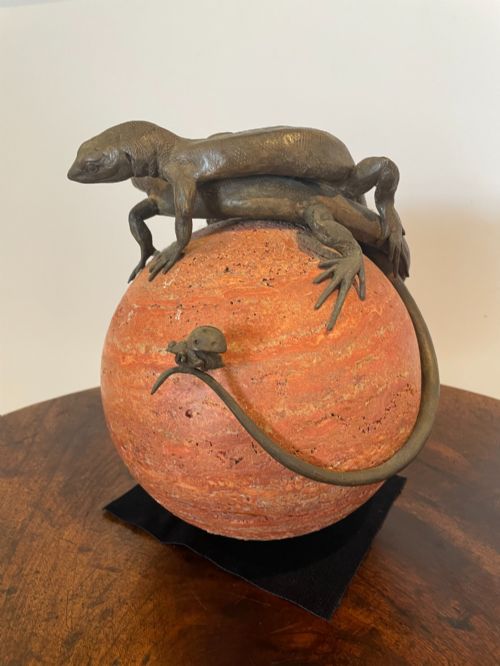
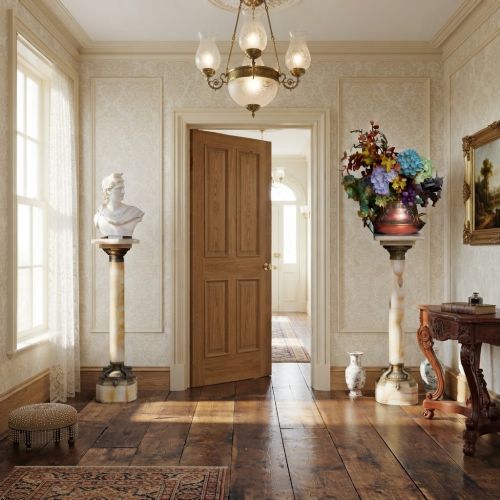
Many sculptures incorporate mixed media, mounting metal figures securely onto bases of marble, onyx, or wood. Supplementary collars and decorative mounts complete the composition, joining cast elements with secure fixings.
Anthropomorphic scholar monkeys and tiny cold-painted woodcocks prove that nineteenth-century foundries possessed a remarkably playful sense of humour.
Factors influencing quality
The refinement of the chasing and finishing work after casting separates superior examples from standard production. Artisans who meticulously hand-chiseled details into the cooled metal produced sharper hair, fabric folds, and facial expressions.
The quality of the material and the integrity of the patina or cold-painted surface dictate the visual impact of the piece. Casts that preserve the subtlety of the original model without surface pitting or clumsy repairs demonstrate higher workshop standards.
Carl Kauba·Etienne-Henri Dumaige·Charles Louis Malric·Susse Frères·Barbedienne·Rudolf Küchler·Ferdinand Barbedienne·Bruno Zach·Lemoyne·P J Mêne·Franz Bergman·Pierre le Faguays·Ferdinand Preiss·Josef Lorenzl
The Antique Bronzed Statue Glossary
- Animalier
- A nineteenth-century artistic style and genre focusing on the realistic depiction of animals, particularly predators and domestic pets in motion. Artists working in this manner studied anatomy closely.
- Grand Tour
- A cultural journey undertaken by wealthy young Europeans to visit historical sites in Italy and France, bringing home classical bronze reductions as souvenirs. These small statues reproduced famous antiquities.
- Ormolu
- Finely ground high-carat gold applied to a bronze base through a mercury amalgamation process, or simply gilt bronze used for decorative mounts. This technique prevents oxidation and creates a brilliant yellow finish.
- Okimono
- A Japanese decorative object designed for display on a shelf or in a tokonoma alcove, often carved from bronze or mixed metals during the Meiji period. These pieces depict animals, figures, and folkloric scenes.
- Spelter
- A zinc alloy frequently used as an economical alternative to bronze in the manufacture of figurative sculptures, especially during the Art Deco period. It is typically given a bronze-colored patination to mimic heavier metal.
Antique Bronzed Statue: Frequently Asked Questions
How do I clean an antique bronze?
Dust the surface gently with a soft, dry brush to remove settled particles without disturbing the underlying patination. Avoid using harsh chemical cleaners, abrasives, or water, which can strip historical finishes.
Apply a very thin coat of microcrystalline wax if the metal requires protection against humidity. Buff lightly with a clean cloth to maintain a stable, non-greasy appearance.
What is cold-painted bronze?
Cold-painting involves applying oil or enamel paints to a cold metal surface rather than firing the pigment in a kiln. This technique gained popularity in Vienna during the late nineteenth and early twentieth centuries for brightly coloured animal and human figures.
Because the paint was not high-fired, surviving pieces often show natural wear and loss to the pigment. Collectors value original, undisturbed paint surfaces over restored examples.
How can I tell bronze from spelter?
Bronze is a heavy, durable copper alloy that rings with a clear tone when lightly tapped and resists scratching. Spelter is a softer zinc alloy that feels noticeably lighter and appears duller or more brittle if exposed at a base seam.
Many spelter figures received a surface patination to imitate bronze. Examining the underside or areas where the finish has worn reveals the lighter grey metal beneath.
Why are some bronzes mounted on marble?
Marble bases provide structural stability and weight to ensure that tall or dynamic sculptures stand securely. The contrasting stone texture also frames the metalwork and elevates the visual presentation of the piece.
Mounting styles changed over time, helping to indicate the period of manufacture. Art Deco sculptures frequently utilise geometric marble or onyx plinths.