




Cast Bronze Seated Figure
A cast bronze seated figure is a sculptural work depicting a person or animal at rest, offering enduring presence and tactile weight to a room.
Cast Bronze Seated Figure
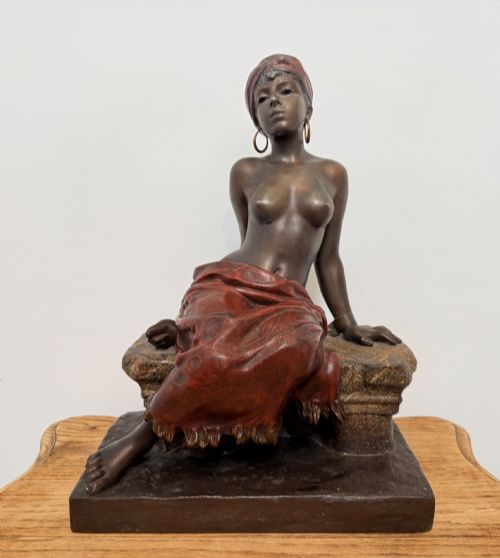
A cast bronze seated figure brings together sculptural forms from the eighteenth, nineteenth, and early twentieth centuries, spanning diverse global traditions and stylistic revivals. Buyers seeking a cast bronze seated figure encounter works ranging from classical Grand Tour reductions to Orientalist studies and animalier subjects.
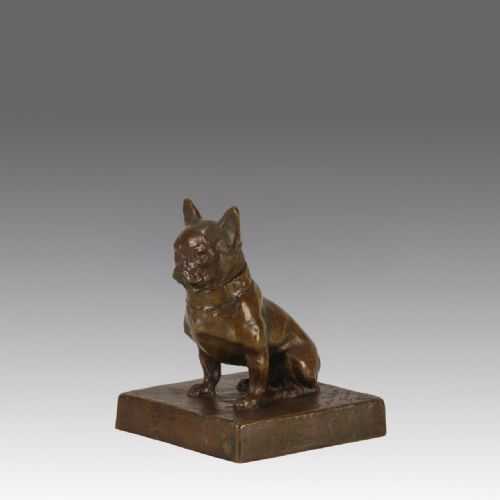
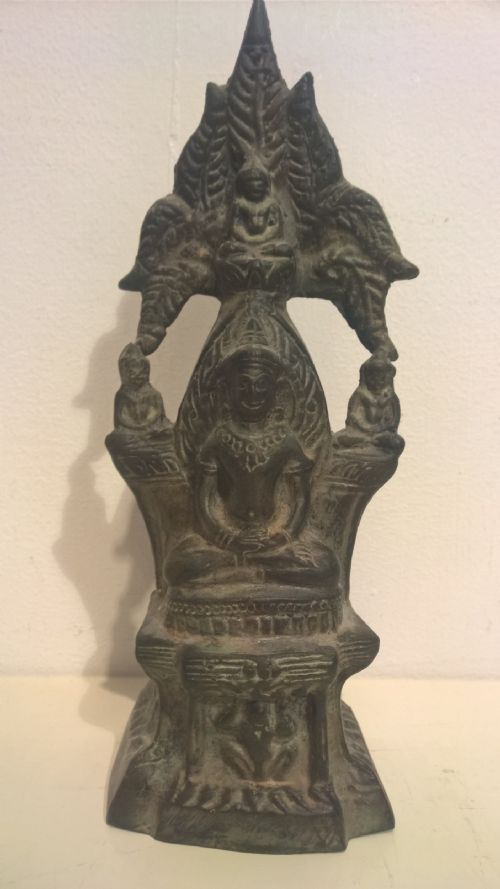
The selections on this page encompass various seated subjects, including historical figures, literary characters, animals such as dogs and lions, and spiritual icons like the Buddha. These pieces function primarily as cabinet bronzes, mantel ornaments, or cabinet sculptures suited to traditional and eclectic interiors.
Materials and construction
These works rely primarily on cast bronze, patinated bronze, and copper alloy, frequently paired with supportive elements in marble and timber. Artisans utilised traditional foundry methods to achieve detailed renderings of drapery, musculature, and facial expressions.
Surface finishes range from dark, applied patinas to lighter tones that highlight the underlying metal. The marriage of durable metal alloys with stone bases ensures structural stability for these heavy figures.
Listings feature works spanning the eighteenth, nineteenth, and twentieth centuries, utilising bronze, brass, marble, and timber.
Assessing quality
Heavier metal gauge and the complexity of the foundational design distinguish ambitious foundry work from simpler commercial productions. The depth and stability of the patina further indicate how well a surface has aged and retained its original character.
E Villanis·Dora Heber·Zoffoli
The Cast Bronze Seated Figure Glossary
- Cast bronze
- A metal alloy of copper and tin shaped via liquid pouring into a mould. This material forms the primary medium for the sculptures on this page.
- Patinated bronze
- Bronze treated with chemicals, heat, or acids to produce a specific surface colour. This process protects the metal and enhances visual depth.
- Grand Tour
- Eighteenth and nineteenth-century travel souvenirs purchased by affluent travellers in Europe. These items typically replicate ancient Roman or Greek statues.
- Animalier
- A nineteenth-century artistic style focusing on realistic depictions of animals. Sculptors in this tradition studied anatomy closely to capture creatures in lifelike poses.
- Orientalist
- Nineteenth-century artistic works depicting scenes and subjects from the Middle East and Asia. These pieces often reflect European interpretations of Eastern cultures.
Cast Bronze Seated Figure: Frequently Asked Questions
What periods do these sculptures cover?
The selection spans from the eighteenth century through the nineteenth century and into the mid-twentieth century. Pieces from the eighteen-hundreds often reflect revivalist tastes and classical antiquity.
Later twentieth-century examples demonstrate a continuation of traditional casting techniques alongside evolving artistic interpretations. Each period brings distinct patination characteristics and stylistic priorities to the sculpture.
Where should I display bronze figures?
Place these seated figures on stable surfaces such as wooden sideboards, marble mantelpieces, or secure bookshelves where their weight is fully supported. Ensure the display area remains away from direct heat sources and excessive humidity to protect any attached marble or timber bases.
Positioning the sculpture at eye level allows the viewer to appreciate the fine details of the casting and the quality of the patina. Adequate lighting from a nearby lamp or natural source enhances the sculptural contours.
How do I identify a Grand Tour bronze?
Grand Tour bronzes typically replicate famous classical antiquities seen by travellers visiting museums and excavation sites in Italy during the eighteenth and nineteenth centuries. These pieces often feature dark, rich patinas and meticulous reduction of monumental sculptures into cabinet size.
Many of these works include integral marble plinths or bases characteristic of European foundries catering to collectors. Their craftsmanship reflects a high degree of fidelity to ancient proportions and subjects.