



Antique Bronze Stallion
These antique bronze stallion sculptures capture equine power in metal, drawing collectors who value anatomical precision and sculptural history.
Antique Bronze Stallion
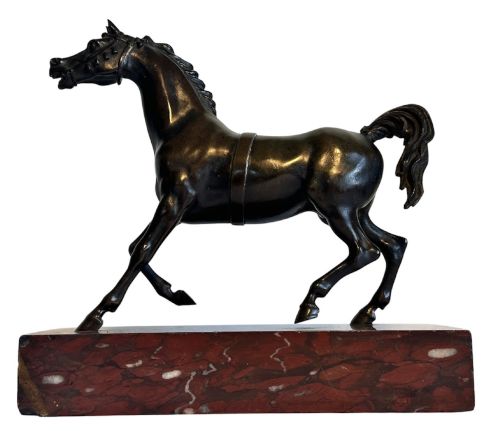
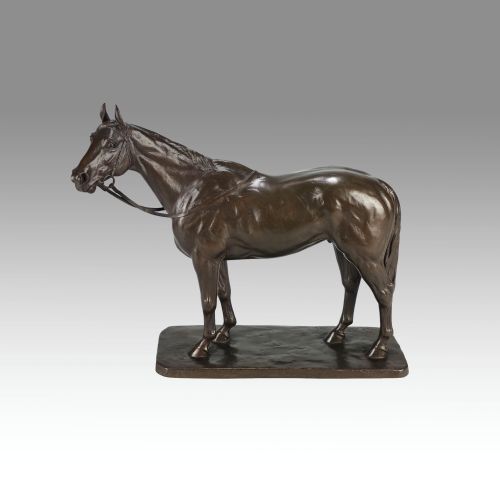
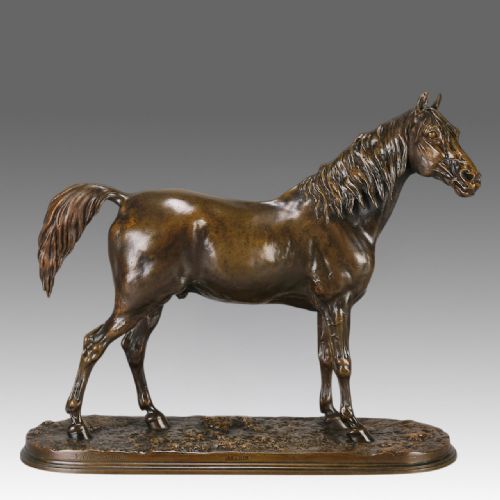
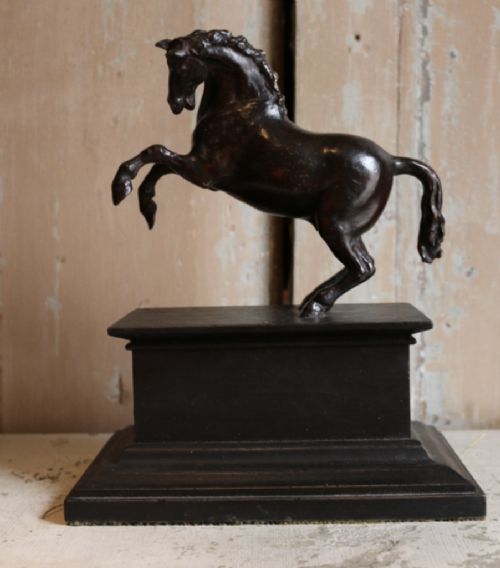
An antique bronze stallion combines metal casting with equine subject matter, ranging from tense rearing poses to steady trots. These works appear mounted on stone plinths or integrated into functional objects such as mantel clocks.
The pieces on this page span several centuries, with particular strength in nineteenth-century French and Italian foundry work. European animalier artists dominate the selection, alongside Japanese Taisho period interpretations.
Buyers encounter both standalone table sculptures and architectural figures designed for domestic display. Each example records the shifting tastes of European and Asian workshops across the seventeenth to twentieth centuries.
Materials and casting methods
Foundries utilised traditional metal casting techniques to form each bronze stallion, capturing muscle definition and flowing manes. Molten metal filled moulds before cooling into durable sculptural bronze.
Many figures feature applied patination to darken the surface and accentuate anatomical contours. Sculptors mounted finished metal casts onto bases carved from Sienna marble, onyx, or standard marble.
Arab mares and stallions frequently pose together on nineteenth-century foundry desks, reminding everyone that equine romance existed long before cinema.
Distinctions in craftsmanship
Quality rests on the crispness of the chasing work after casting, where skilled hands refined the metal surface to reveal veins, sinew, and expression. Weaker examples lose these fine anatomical details beneath heavy cleaning or hurried finishing.
The integrity of the partnership between the bronze figure and its stone base defines the piece. Superior specimens integrate the metal sculpture seamlessly with heavy marble or onyx plinths that show thoughtful geological variation.
Kunio Itô·P J Mêne·Luigi Secchi·Charles Crozatier·Isidore Jules Bonheur
The Antique Bronze Stallion Glossary
- Animalier
- A nineteenth-century artistic movement dedicated to the realistic portrayal of animals. Practitioners focused heavily on the musculature and movement of horses and hounds.
- Patina
- The surface coloration and sheen developed through chemical treatment or natural ageing on bronze. This layer protects the metal while enhancing visual depth.
- Taisho Period
- The era in Japanese history spanning from nineteen twelve to nineteen twenty-six. Metalworkers during this time produced refined bronze sculptures for international and domestic markets.
- Sienna Marble
- A rich yellowish-brown Italian marble featuring dark veining. It served as a prized decorative base for nineteenth-century European bronze sculptures and mantel clocks.
Antique Bronze Stallion: Frequently Asked Questions
How do I clean an antique bronze stallion?
Dust the bronze gently with a soft, dry microfibre cloth to remove surface particles. Avoid chemical polishes or water, which can strip the historic patina.
Maintain a stable indoor humidity level to prevent any moisture accumulation on the metal or the underlying stone base.
Where should I display my sculpture?
Place the sculpture on a sturdy piece of furniture away from direct sunlight and heat sources. This protects the stone base and prevents extreme temperature fluctuations from affecting the metal.
Ensure the display surface is level, particularly with heavier marble-mounted pieces that require balanced support.
How can I tell nineteenth-century bronzes apart?
Examine the surface for foundry marks, signature stampings, and the character of the patination. Nineteenth-century works often carry distinct chiselling marks left by the finisher.
Compare the anatomical style against known animalier school conventions from France and Italy during that era.
What is an animalier sculpture?
An animalier sculpture depicts animals in realistic, dynamic poses such as rearing or galloping. The genre gained immense popularity across Europe during the nineteenth century.
Artists studied live subjects in menageries and stables to ensure accurate proportions in their bronze casts.