





Antique Bronze Planter
When searching for an antique bronze planter, collectors encounter vessels designed to house indoor greenery, display floral arrangements, or cool wine.
Antique Bronze Planter
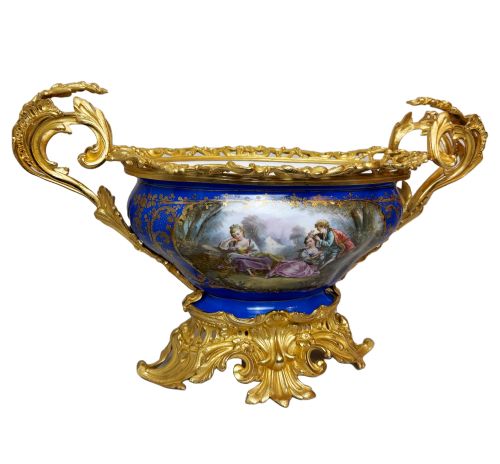
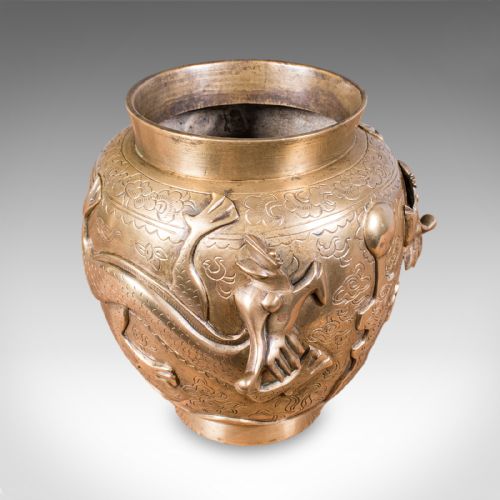
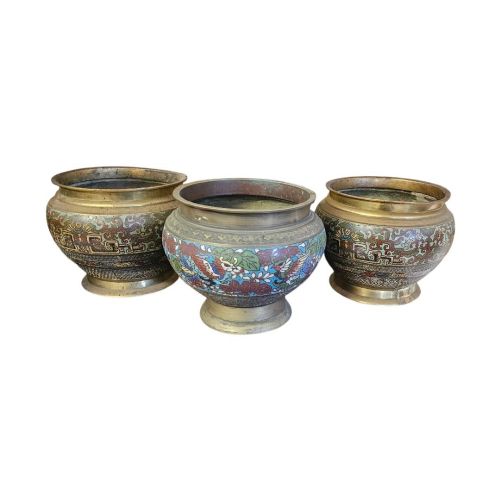
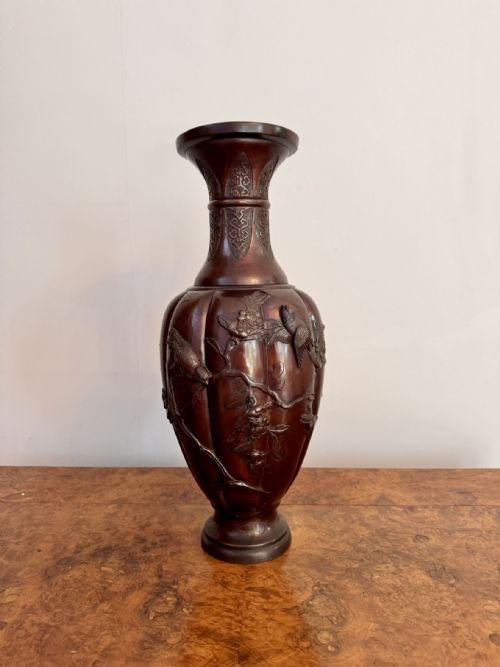
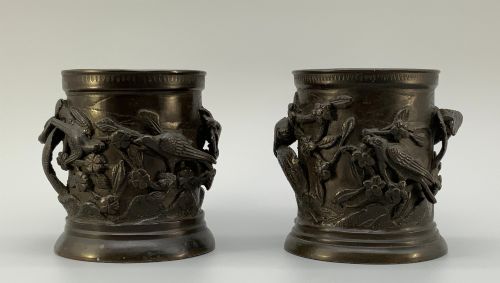
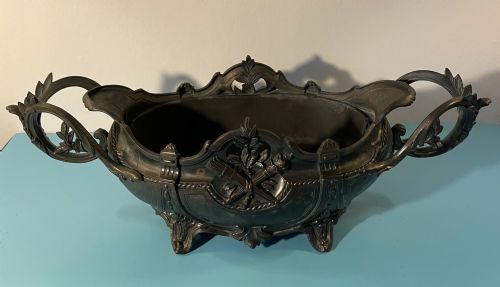
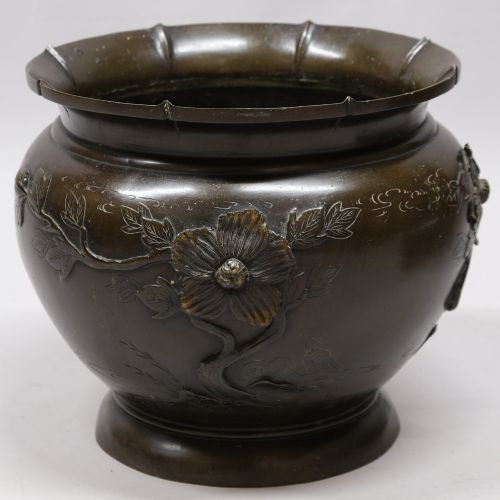
An antique bronze planter takes several forms across the selection, most frequently appearing as Japanese Meiji period bronze bowls and jardinieres alongside nineteenth-century French and Chinese vessels. Buyers typically find these items categorised as jardinieres, urns, vases, or wine coolers, reflecting their versatile historical uses.
The nineteenth century dominates the offerings, spanning Victorian interpretations, Qing dynasty works, and Edo period pieces. These vessels served wealthy households as ornamental centerpieces, garden temple vases, and display pots for prized flora.
What Varies in Quality
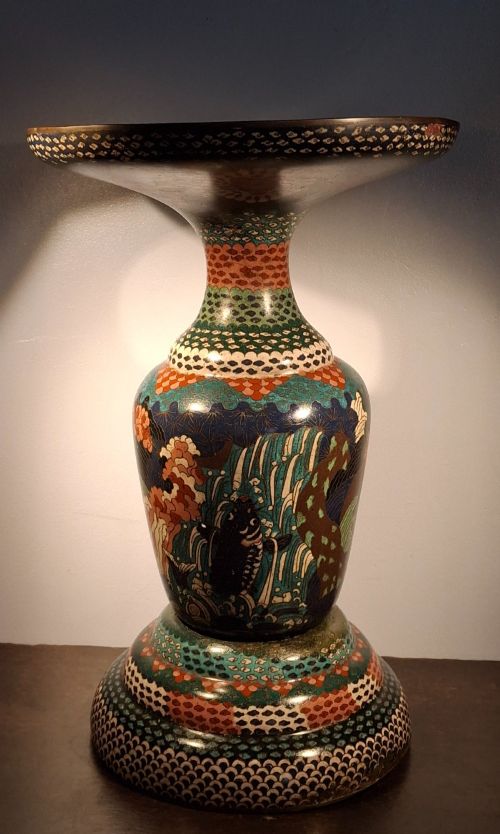
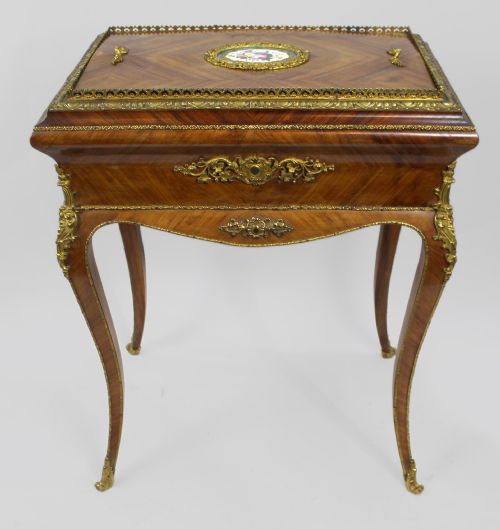
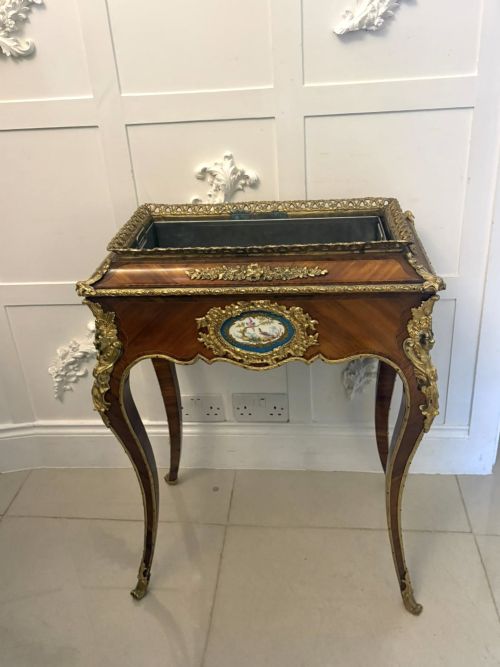
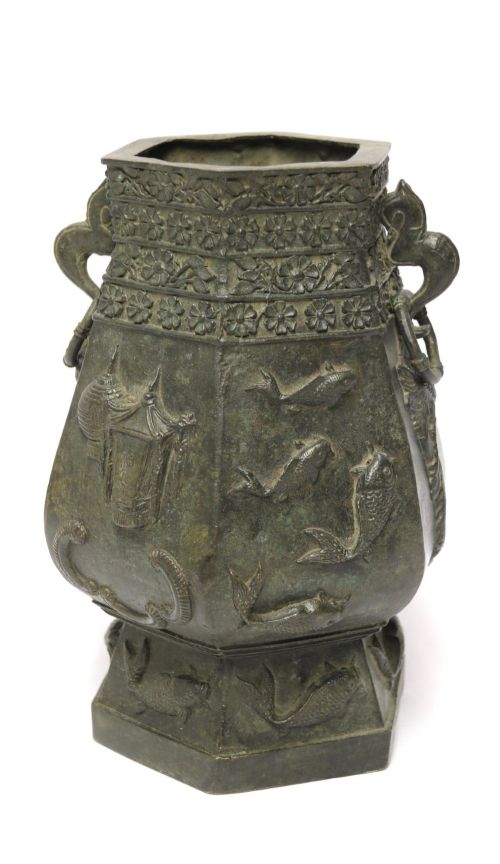
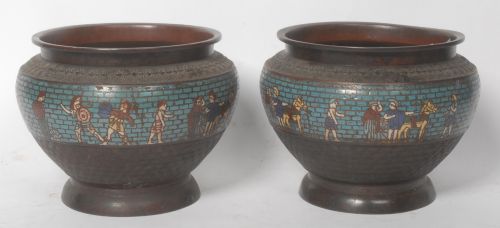
Quality depends on the crispness of the bronze casting and the depth of the hand-chased surface detail, particularly on Meiji period vessels and French ormolu mounts. Finer examples display superior weight, balanced proportions, and integrated decorative elements like cloisonne or inset ceramic plaques rather than plain surfaces.
Antique Bronze Planter Retail Price Guide 2026
Typical asking prices for bronze planter among the pieces listed under this phrase on Sellingantiques today, from the lower quarter to the upper quarter. They describe what is for sale here now, not the wider market.
Several heavy bronze vessels served double duty as grand wine coolers for thirsty Victorian dinner guests.
The Antique Bronze Planter Glossary
- Jardiniere
- An ornamental pot or stand for holding plants or flowers. Originating in France, these vessels often sit on furniture tops or floor stands.
- Ormolu
- Gilded bronze applied as a decorative mount on furniture and decorative objects. This technique gained widespread use during the eighteenth and nineteenth centuries.
- Campana
- A bell-shaped vessel form derived from classical antiquity. These urns frequently appear in Grand Tour and neoclassical designs.
- Suiban
- A shallow Japanese basin used for displaying stones or bonsai arrangements. They form a distinct subset of the bronze planter category.
- Cloisonne
- Enamelling technique where metal wire forms compartments on a bronze base. Workers fill these cells with coloured paste before firing.
Antique Bronze Planter: Frequently Asked Questions
How were antique bronze planters originally used?
These vessels held potted plants, floral bouquets, or water for arrangements within grand nineteenth-century interiors. Many double as wine coolers or decorative mantel urns.
Wealthy homeowners placed them on tables, pedestals, or within garden settings to display greenery and demonstrate status.
How do I care for an antique bronze planter?
Maintain the surface by dusting gently with a soft, dry cloth without applying modern chemical polishes. Preserve the natural patina built over the decades.
Protect interior metal or wood linings by placing a separate waterproof liner inside when holding live plants and damp soil.
How can I identify a Meiji period bronze planter?
Meiji period pieces often display signature motifs such as birds, blossoms, dragons, and intricate relief work. Japanese bronze vessels from this era frequently take the form of heavy jardinieres, suiban, or temple urns.
Craftsmen utilised advanced casting and patination techniques between the late nineteenth and early twentieth centuries.