
Antique Bronze Head
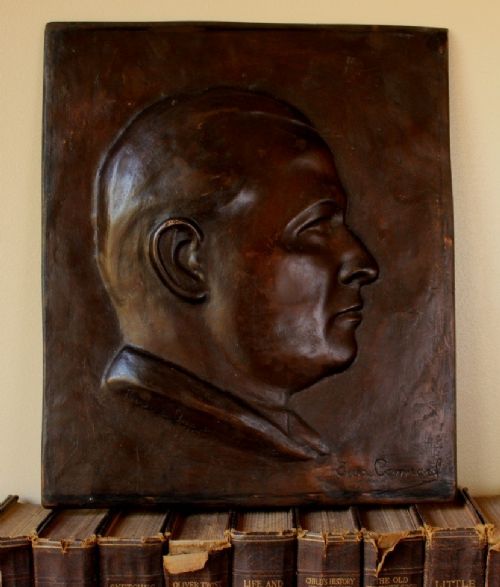
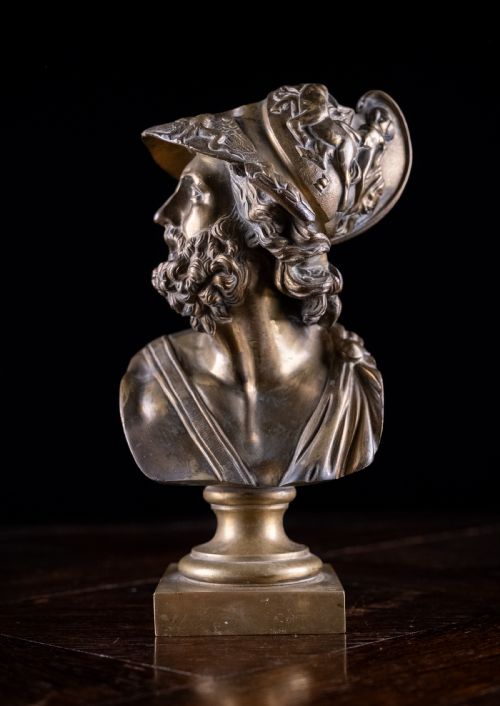
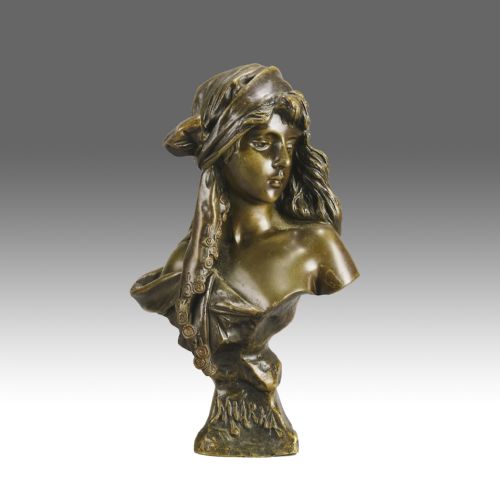
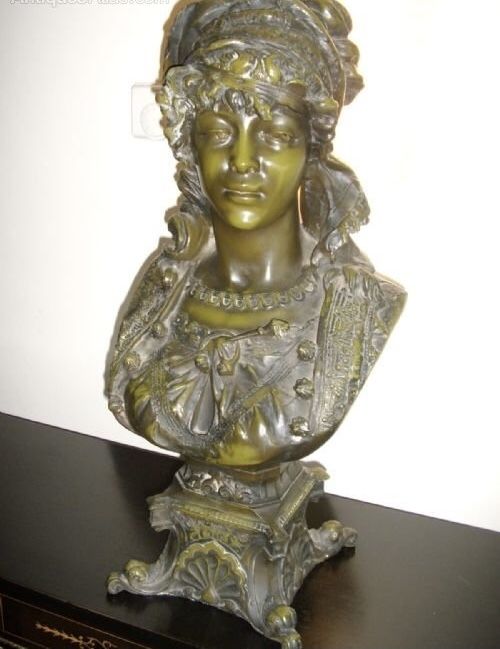
When you search for an antique bronze head, you encounter sculptural portraits, mythological figures, and functional mounts shaped from metal.
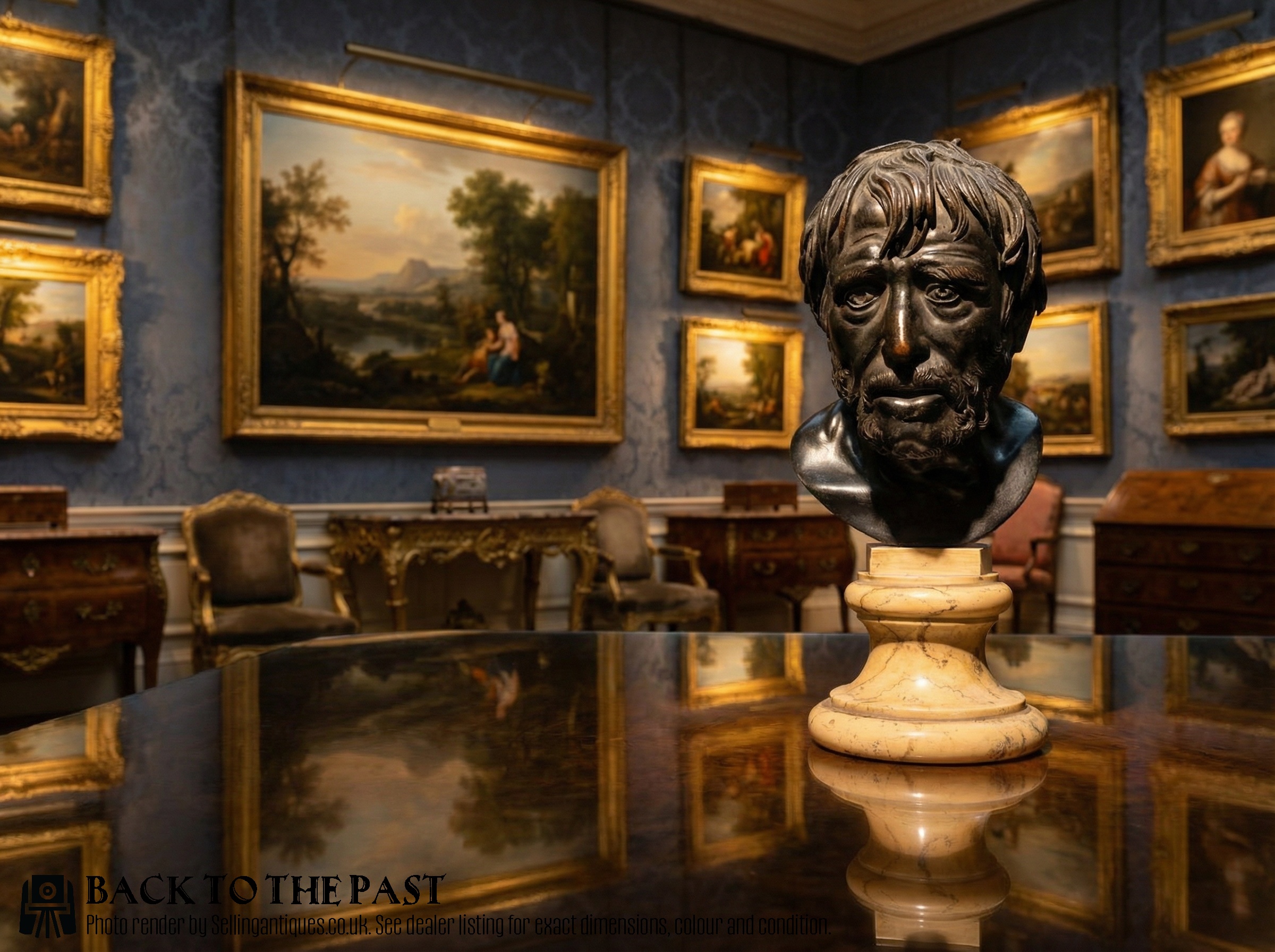
Antique Bronze Head
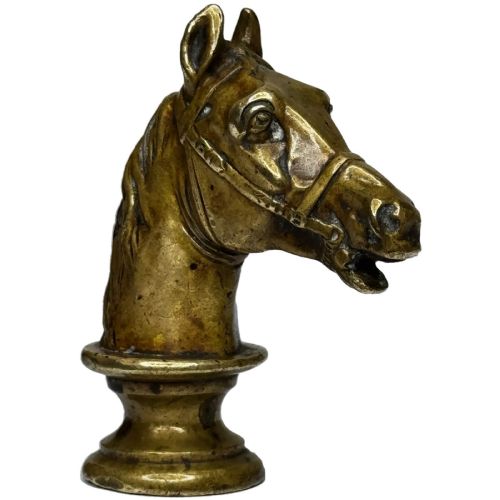
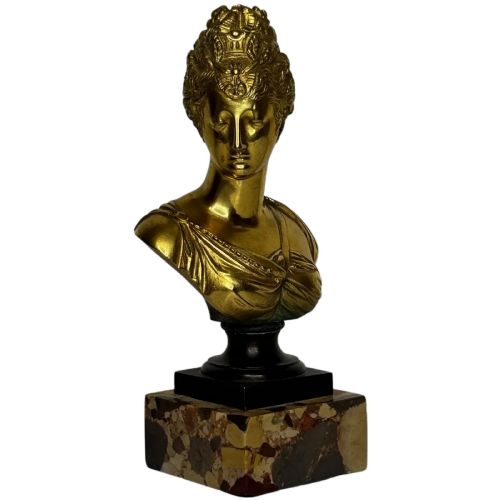
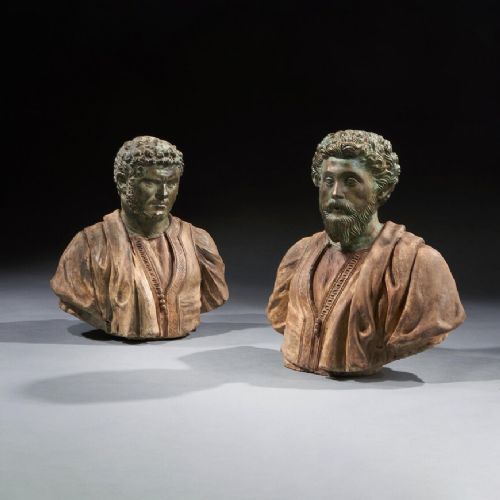
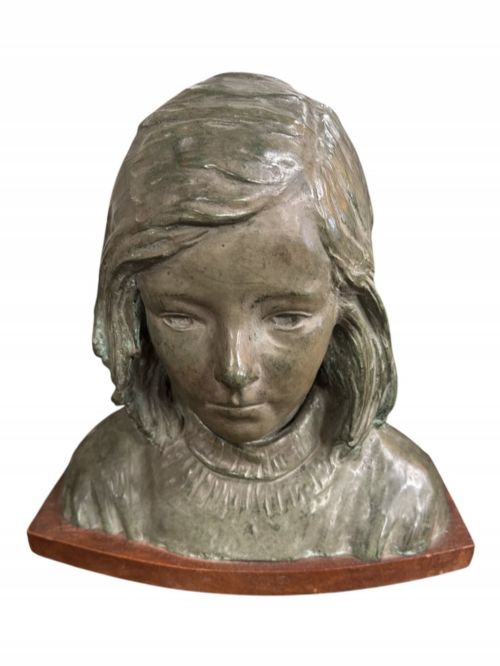
An antique bronze head encompasses portrait busts, architectural mounts, and decorative elements shaped across centuries of metalworking. Pieces range from classical revival deities and Roman emperors to specific historical figures and distinct animal forms.
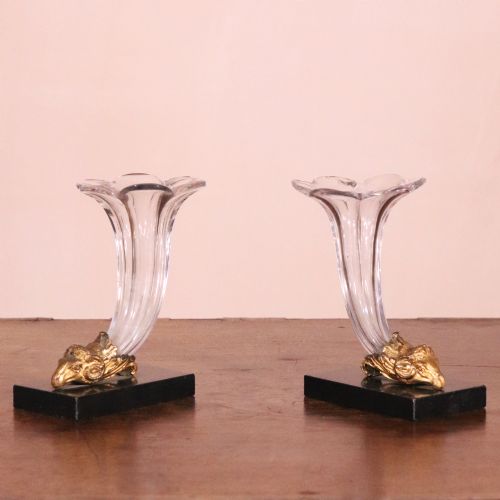
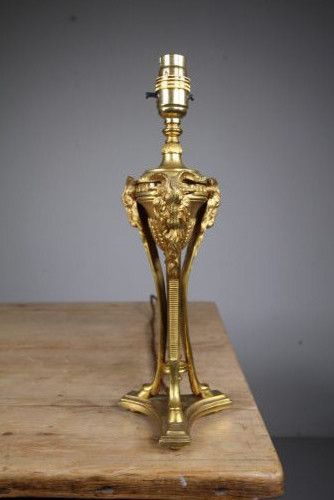
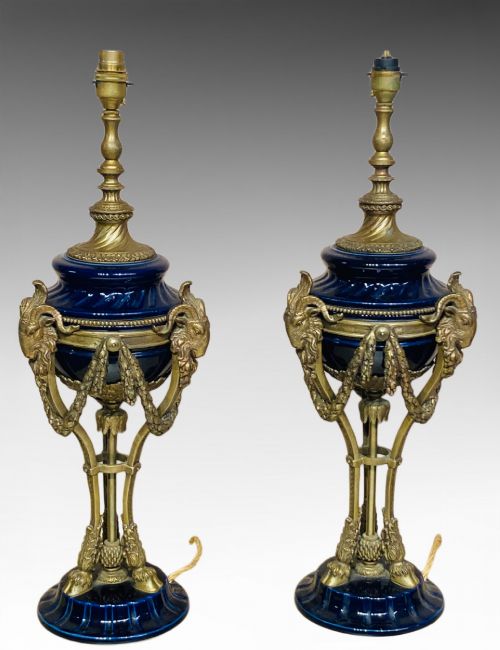
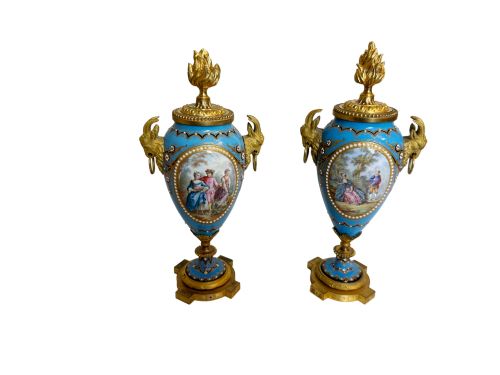
The selection frequently includes small cabinet bronzes, desk accessories, and wall sconces featuring cast animal masks like rams and lions. Portrait subjects appear alongside mythical representations, architectural spouts, and clock bezels.
Origins span European foundries, Asian workshops, and domestic English metalwork, reflecting diverse aesthetic movements from Neoclassical and Louis XVI styles to Art Nouveau and Art Deco.
How they were made
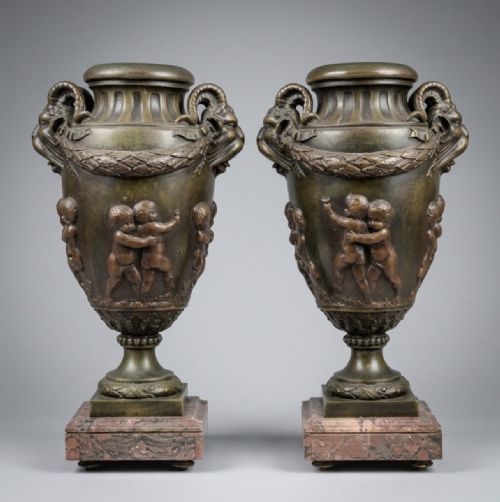
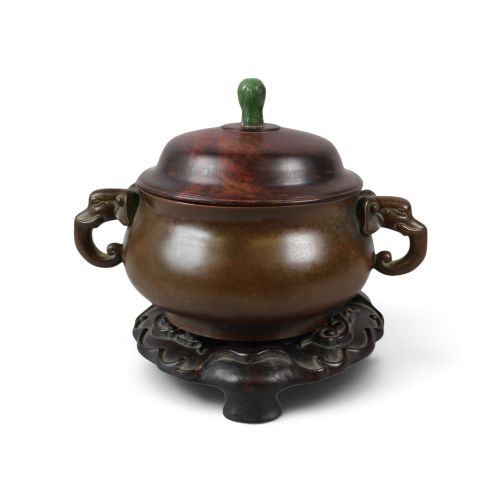
Surfaces received various treatments, including chemical patination to produce deep brown or green tones, fire gilding with mercury to create durable ormolu, and cold painting. Many portrait heads and small sculptures were mounted onto turned marble plinths or custom hardwood stands.
Antique Bronze Head Retail Price Guide 2026
Typical asking prices for bronze head among the pieces listed under this phrase on Sellingantiques today, from the lower quarter to the upper quarter. They describe what is for sale here now, not the wider market.
Listings feature portrait busts and animal masks spanning the Georgian era through the early twentieth century, utilising marble, gilt bronze, and patinated bronze.
What varies in quality
Quality rests in the crispness of the initial cast and the subsequent hand-chiselling of details like hair, expression, and musculature. Superior examples retain sharp facial definition without softness or blurring in complex areas.
The depth and uniformity of the patination or the richness of the fire gilding significantly influence the visual impact. The integrity of the attachment between the metal sculpture and its secondary material base, whether marble or wood, completes the construction.
Emmanuel Villanis·Eugene Canneel·Emile Jespers·George Minne·Giuseppe Moretti·Japy Freres·Louis Japy
The Antique Bronze Head Glossary
- Ormolu
- Gilded bronze produced by applying a mercury and gold amalgam to a bronze base and heating it. This technique creates a durable, bright golden surface commonly found on French decorative mounts and clocks.
- Patination
- The natural or chemical alteration of the metal surface over time. Foundries applied chemical solutions to achieve controlled brown, black, or verdigris tones on the bronze.
- Lost-wax casting
- A process where a model is encased in wax, melted out, and replaced with molten metal. This method allows for the creation of highly detailed and unique sculptures.
- Archaistic
- A style adopted by later makers that imitates the aesthetic of ancient or primitive art. These pieces draw inspiration from early dynasties while utilising contemporary manufacturing methods.
- Intaglio
- A gem or seal carved into the surface so that the design impresses in relief when pressed into wax. These small carvings frequently appeared on personal seals and desk accessories.
Antique Bronze Head: Frequently Asked Questions
What is an antique bronze head?
An antique bronze head refers to sculptural fragments, portrait busts, architectural mounts, and decorative handles cast in bronze or related metal alloys. These objects isolate the head or face of humans, animals, or mythical figures as the primary artistic focus.
Items range from Grand Tour copies of classical antiquities to specific portraiture from the nineteenth and early twentieth centuries. They frequently incorporate secondary materials like marble bases or wooden mounts.
How were bronze heads displayed?
Sculptural heads and portrait busts were traditionally placed on desks, mantelpieces, or dedicated pedestals in studies and libraries. Smaller versions functioned as paperweights or cabinet pieces.
Functional items integrating heads, such as door knockers, wall sconces, and furniture mounts, were secured directly to architecture or furnishings. Clock bezels and fountain spouts integrated the sculptural form into utilitarian objects.
How do I care for bronze?
Bronze requires minimal intervention beyond gentle dusting with a soft, dry cloth to prevent the accumulation of abrasive particles. Avoid using liquid cleaners, polishes, or chemical agents that can strip original patination or damage applied gilding.
Maintaining a stable indoor environment away from excessive moisture and direct sunlight preserves the chemical stability of the metal surface. Handling pieces with clean hands prevents natural oils from reacting with the bronze.
How can I tell the period?
Dating relies on stylistic markers associated with specific artistic movements, such as the classical restraint of the Neoclassical period or the flowing, organic lines of Art Nouveau. Examining the casting technique and the nature of the metal surface provides additional clues regarding age.
Signatures, foundry marks, and secondary materials like specific marbles or woods help narrow the date of production. Comparing construction methods to known historical examples confirms the manufacturing era.