

Antique Bread Cupboard
An antique bread cupboard is a functional piece of vernacular furniture built to store provisions, and you want one for the honest character it brings to a kitchen.
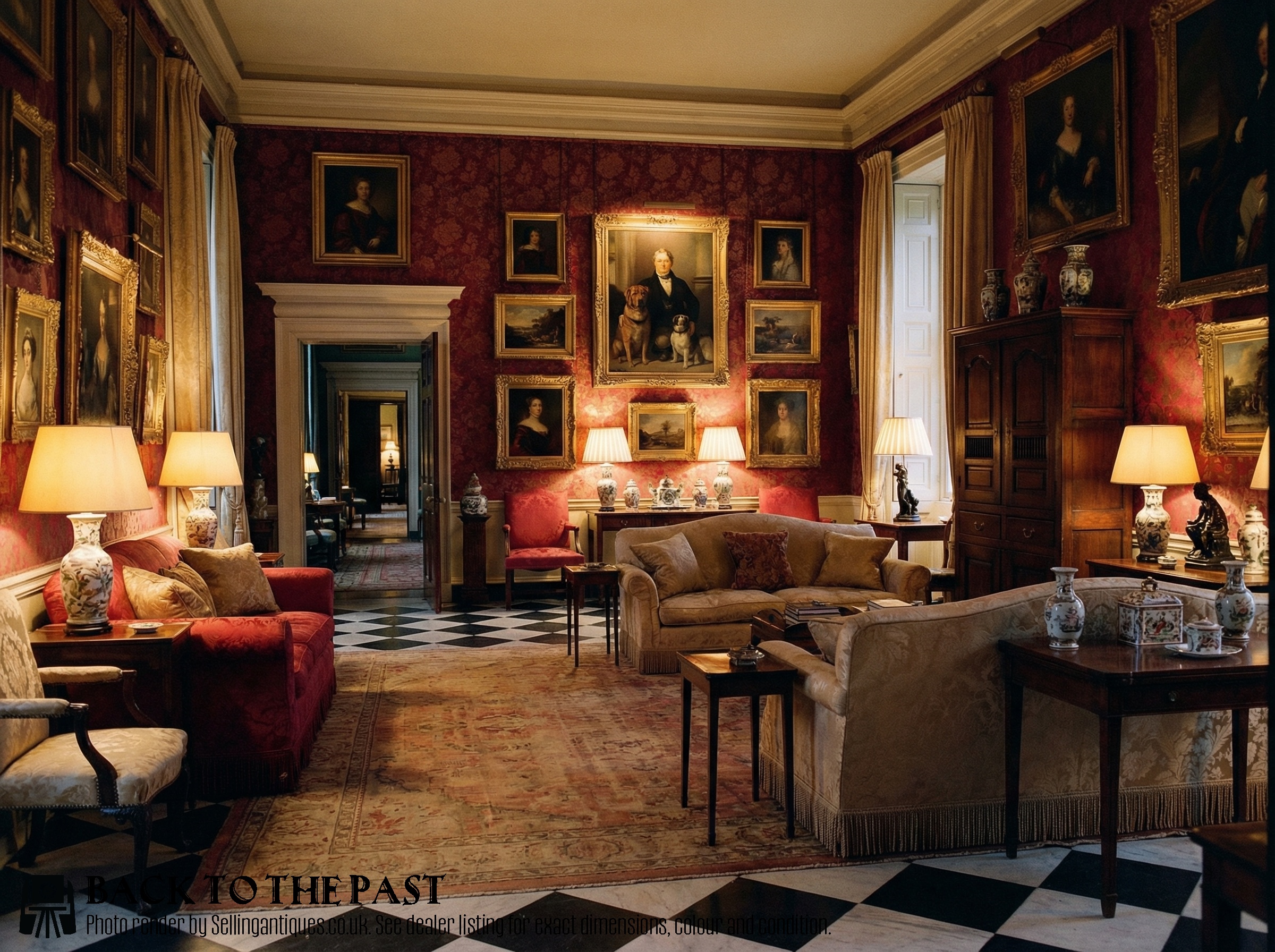
Antique Bread Cupboard
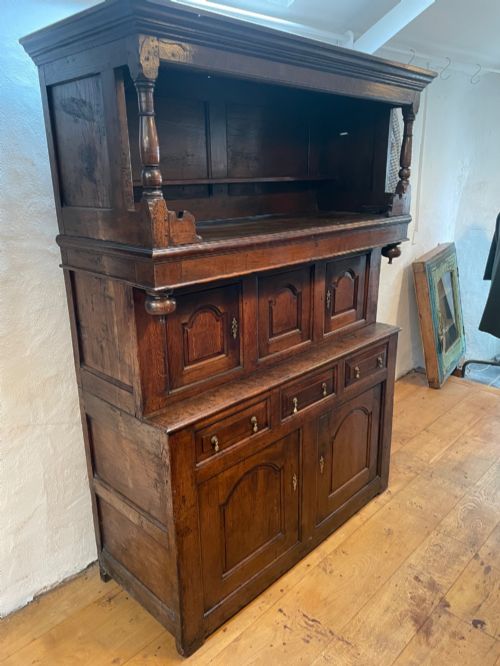
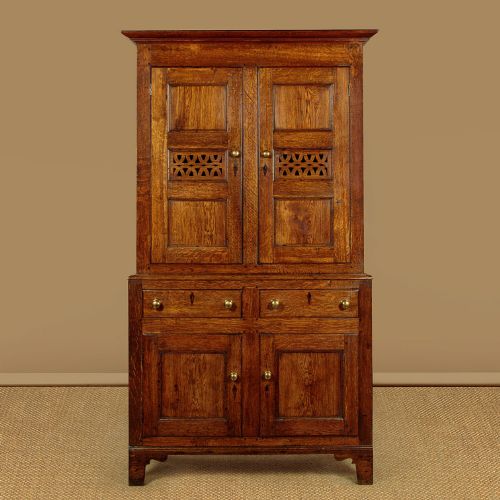
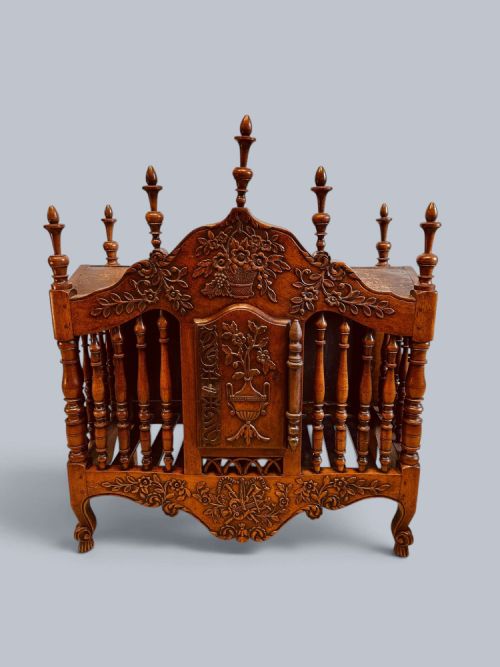
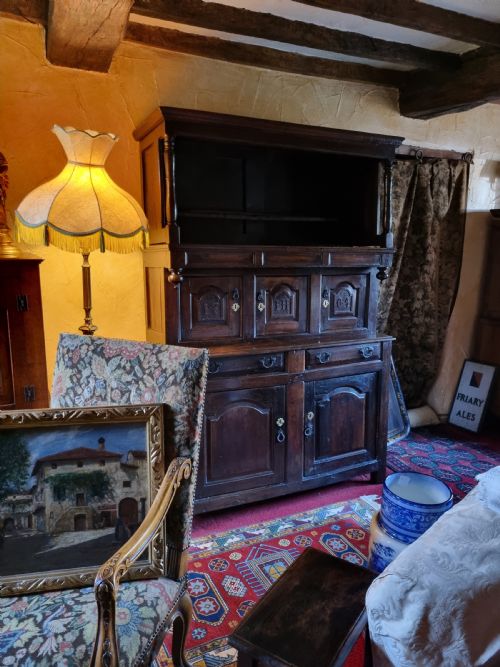
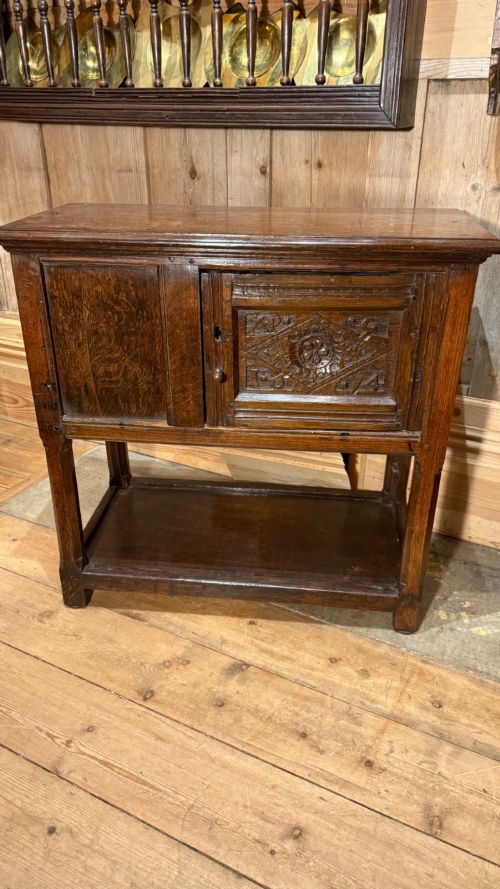
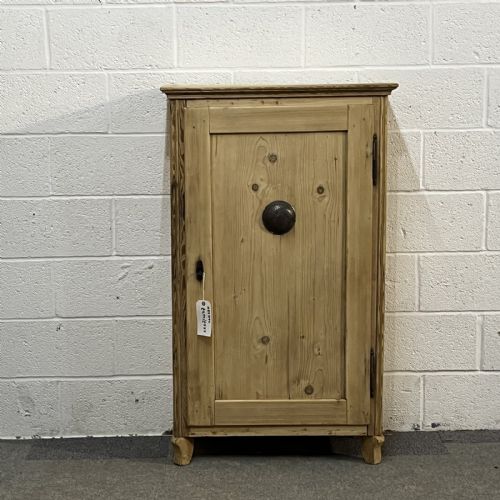
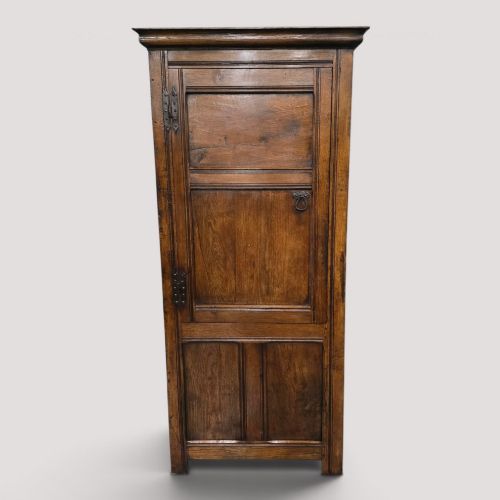
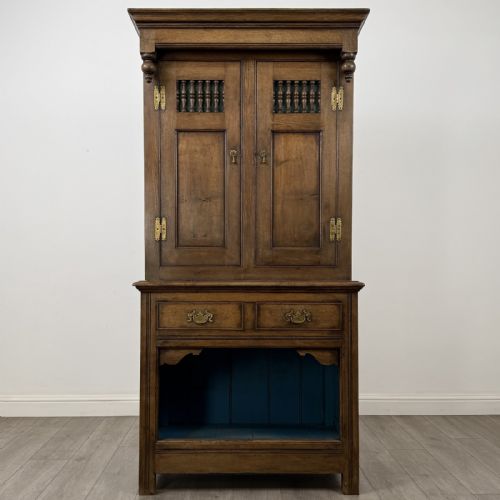
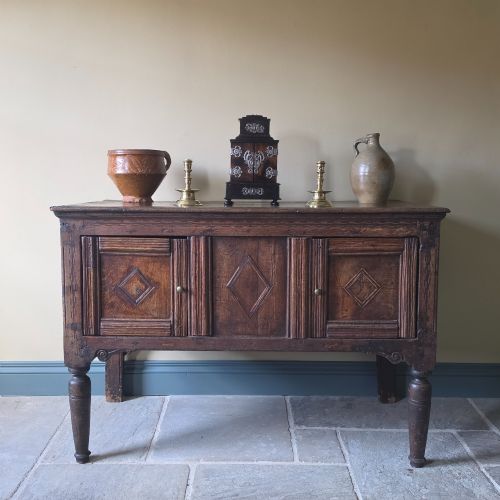
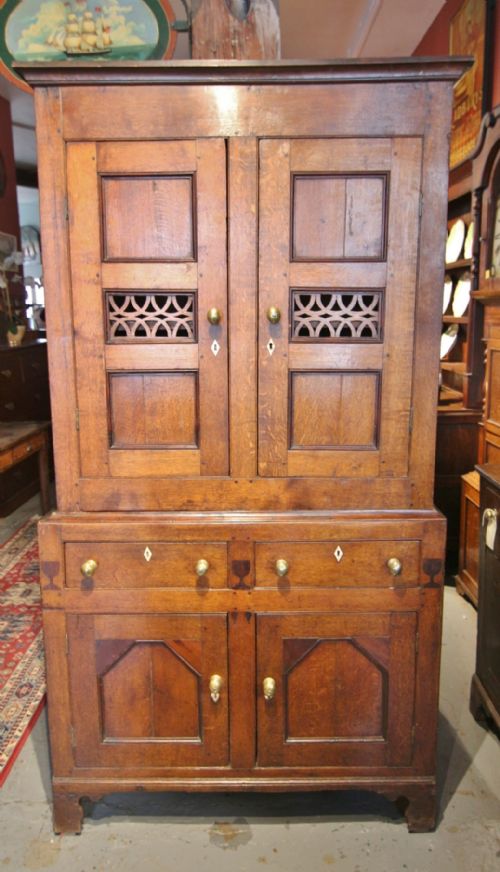
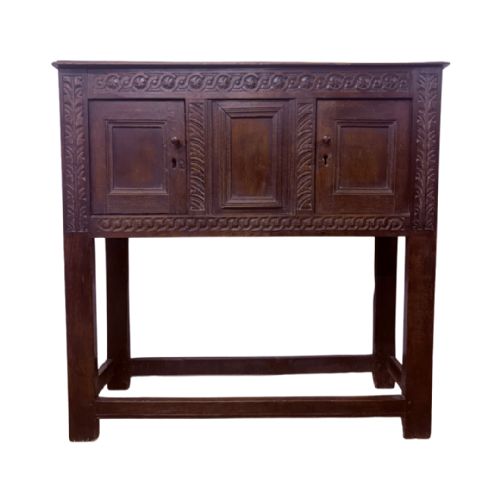
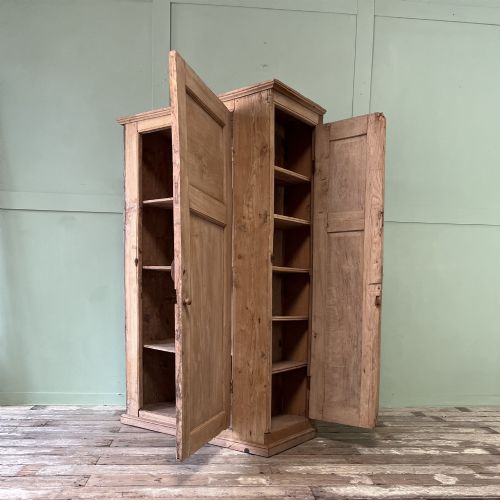
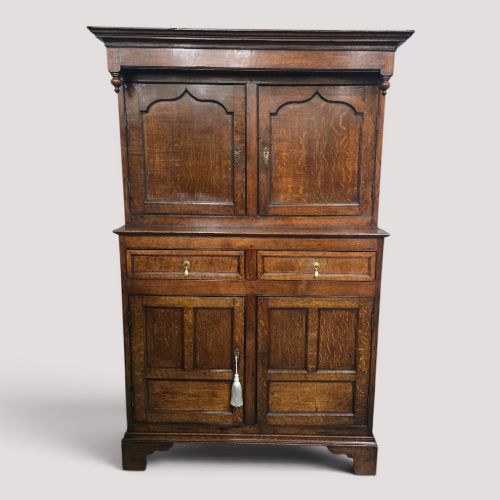
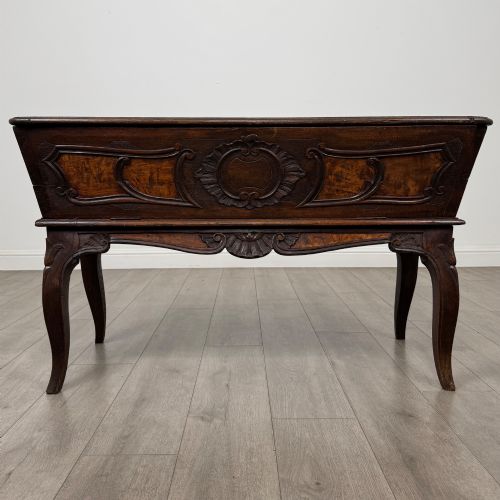
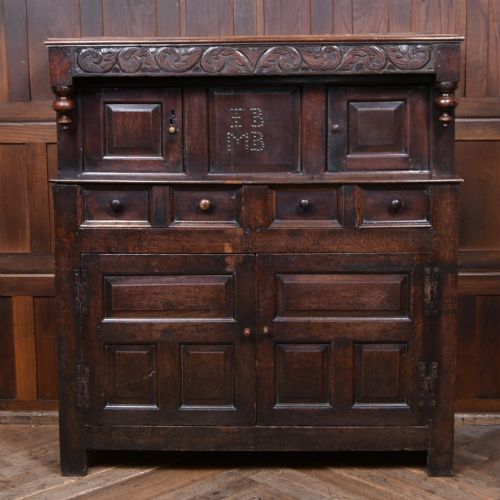
When you search for an antique bread cupboard, you encounter a range of regional food storage forms, including Welsh bread and cheese cupboards, French panetières, and court cupboards. These pieces reflect domestic rural life from the seventeenth century through to the Victorian era.
You are most likely to meet oak and pine versions on this page, often showing vernacular regional traits such as inlaid decoration, panelled doors, or ventilated panels designed to keep provisions dry. The forms span smaller wall cabinets and dough bins up to substantial dressers and court cupboards.
Originating from rural homesteads and country houses, these cupboards served as the central storage units for daily bread, cheese, and dry foodstuffs. Their construction prioritised practicality and ventilation over formal academic design.
How they were made
Joiners and country cabinetmakers built these cupboards using solid timbers such as English oak, pine, elm, and walnut, often joining panels with traditional pegged mortise and tenon joints to allow the wood to breathe. Surfaces were hand-planed and left in plain wood or finished simply with wax and paint.
Metalwork played a functional role, utilising hand-forged iron and brass for hinges, locks, and drop handles that secured the heavy doors. Regional workshops applied carved detailing, turned finials, or simple inlay to front panels without relying on factory machinery.
Antique Bread Cupboard Retail Price Guide 2026
Typical asking prices for bread cupboard among the pieces listed under this phrase on Sellingantiques today, from the lower quarter to the upper quarter. They describe what is for sale here now, not the wider market.
Listings feature regional vernacular forms from the seventeenth to the nineteenth century, built primarily from solid oak, pine, elm, and walnut.
What varies in quality
The distinction between standard vernacular pieces and finer examples rests on the choice of timber and the restraint of the carving. Better examples display carefully selected grain figures, balanced proportions, and integrated regional details like crisp inlay work or original blacksmith ironmongery.
Survival of original surface finishes and structural integrity dictate the standing of a piece. Cupboards retaining their early unblemished wood surfaces, original backboards, and working locks carry more historical weight than heavily restored alternatives.
The Antique Bread Cupboard Glossary
- Panetière
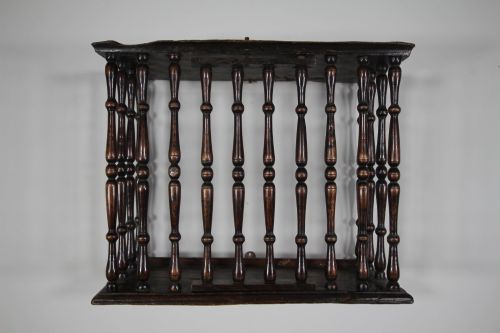
- A traditional French freestanding or wall-mounted bread cage featuring turned spindles or pillars to allow air circulation around loaves. These cabinets protect food from household pests while displaying the daily bake.
- Cwpwrdd Deuddarn
- A traditional Welsh two-section oak cupboard featuring an upper recessed stage supported by turned columns above a base cabinet. This regional form provides deep enclosed storage for household provisions.
- Court Cupboard
- A low seventeenth-century oak storage cabinet, often richly carved, used originally for displaying plate or storing food. The form sits on a sturdy stand or low base enclosed by panelled doors.
- Dough Bin
- A domestic wooden trough used for proving bread dough before baking, frequently fitted with a flat lid that doubles as a working surface. Many examples sit upon integrated frames or enclosed cupboard bases.
- Livery Cupboard
- A medieval and early modern small wall or standing cupboard used to store rations and candles for servants overnight. The term denotes pieces built specifically for the distribution of daily provisions.
Antique Bread Cupboard: Frequently Asked Questions
What is a bread and cheese cupboard?
A bread and cheese cupboard is a traditional regional storage piece, particularly associated with Wales and the English countryside, designed to keep dairy and baked goods fresh.
These pieces typically feature panelled or ventilated doors to allow airflow around perishable food items within domestic kitchens.
How do I identify a French panetiere?
A panetière is a distinct French bread cabinet recognised by its cage-like construction of turned wooden spindles and finials.
They were traditionally hung on walls or placed on dressers specifically to store loaves away from mice and insects while letting them breathe.
What wood were these cupboards made from?
Maker workshops utilised the native timber available to their region, most commonly English oak, pine, elm, and walnut.
Early seventeenth and eighteenth-century examples lean towards sturdy joined oak and fruitwoods, while later nineteenth-century pieces frequently employ pine and walnut.
How do I use an antique cupboard today?
These cupboards adapt naturally into modern kitchens and dining rooms as storage units for dry goods, tableware, or linens.
Their sturdy shelves and historical character bring authentic storage to domestic spaces without requiring complex maintenance beyond standard wax care.