

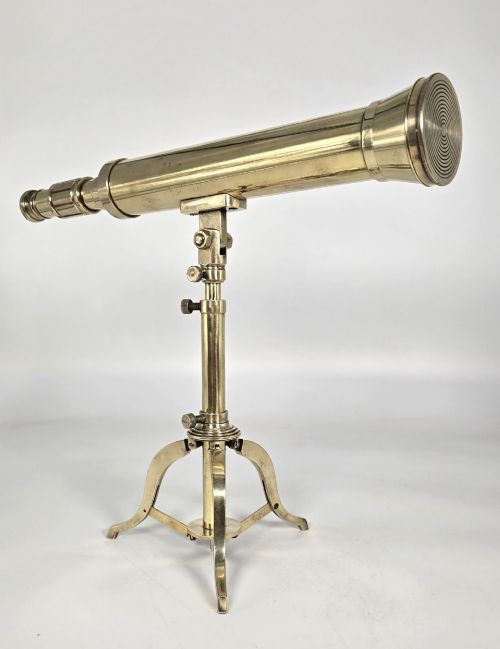



Antique Brass Spyglass
An antique brass spyglass is a portable optical instrument designed for distance viewing, combining utilitarian optics with warm metallic charm.
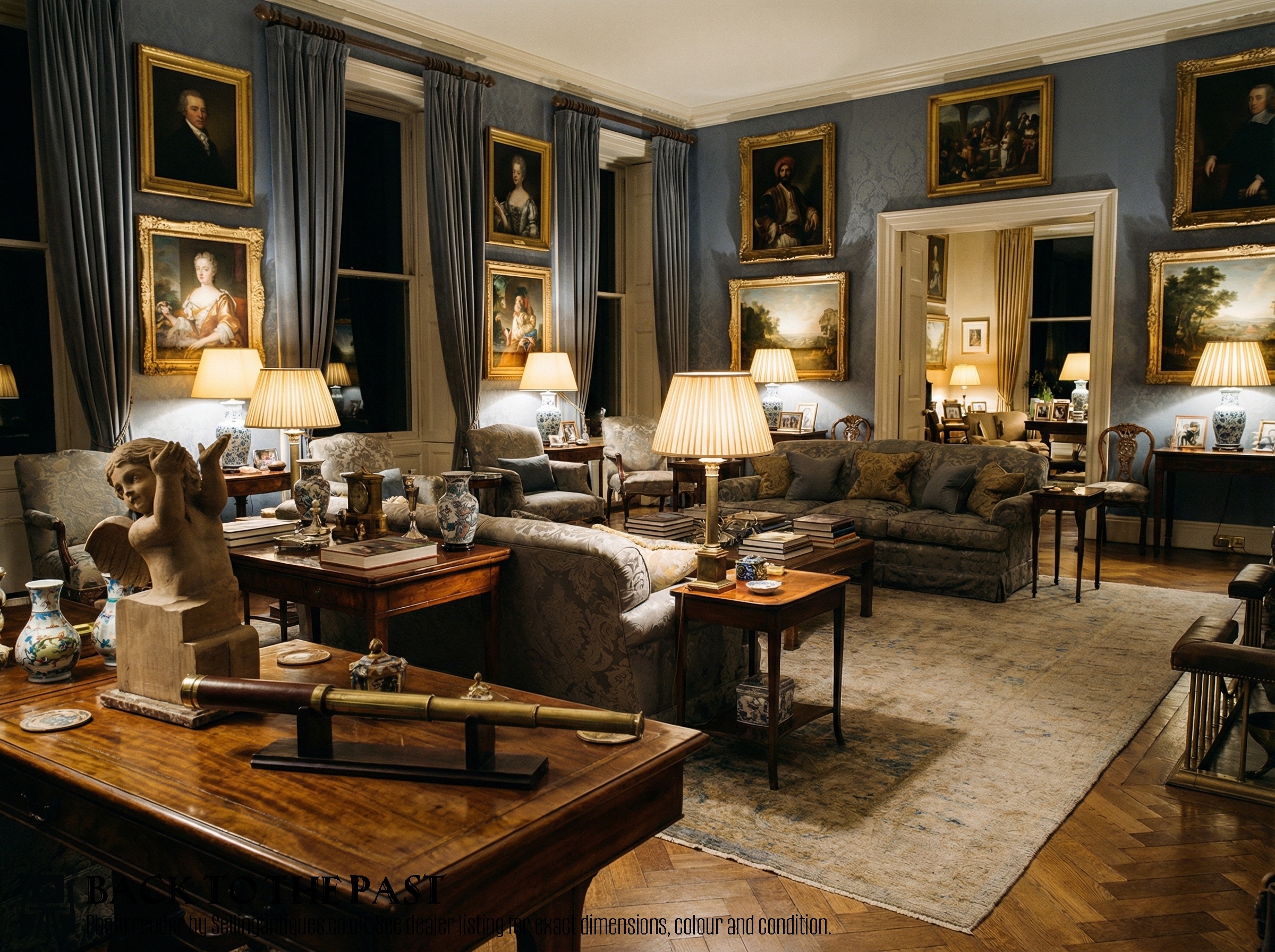
Antique Brass Spyglass
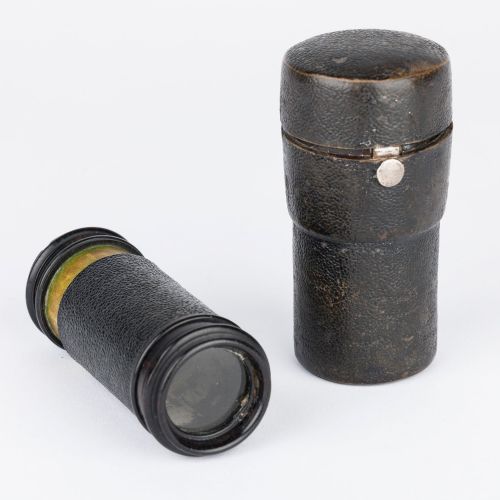
When you search for an antique brass spyglass, you encounter extending optical tubes designed for terrestrial or maritime viewing across various centuries. The pieces on this page span pocket versions to large library instruments on folding tripods.
Victorian and Georgian examples dominate the selection, often featuring multi-draw barrels that collapse for carriage. Maritime and naval forms appear frequently alongside library and pocket variations.
Optics range from simple single-draw tubes to complex multi-draw configurations enclosed in wood, leather, or bare metal. Makers from London and provincial centres signed their work on the draw tubes.
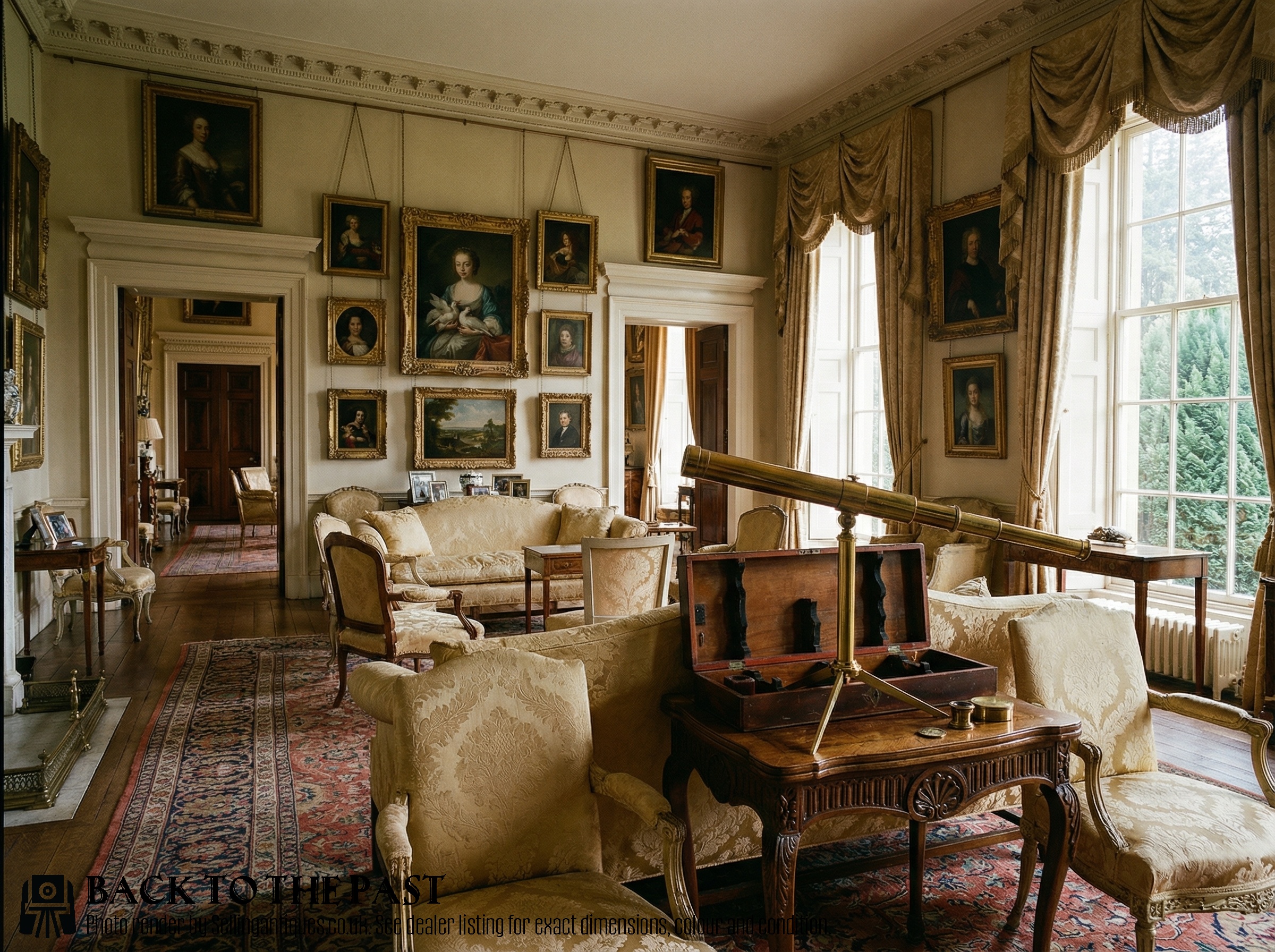
How they were made
The construction relies heavily on turned brass tubes fitted together with sliding draws, paired with glass lenses for magnification. Many barrels are wrapped in stitched leather, mahogany, walnut, or fruitwood to provide a secure grip.
Makers utilised precision engineering to align multiple draw tubes smoothly without losing focal length. Tripod stands and fitted wooden cases accompanied larger library and Gregorian models for stability and transport.
Antique Brass Spyglass Retail Price Guide 2026
Typical asking prices for brass spyglass among the pieces listed under this phrase on Sellingantiques today, from the lower quarter to the upper quarter. They describe what is for sale here now, not the wider market.
Materials recorded across these listings include brass, glass, leather, mahogany, wood, oak, steel, and nickel.
What varies in quality
Quality rests in the optical clarity of the glass lenses and the precision of the brass draw tubes as they extend. Signed maker details engraved on the metal add distinction to the piece.
The choice of exterior casing, from plain brass to fine mahogany or stitched leather, marks the intended station of the instrument. Original tripod stands and fitted cases elevate the completeness of surviving items.
Nairne & Blunt·Ross of London·W. & T. Gilbert·Clarkson·Steward of London·Richardson·Newton & Co·Broadhurst Clarkson & Co·Cary London·L. Casella·Chadburn Brothers·S & B Solomons·Matthew Berge·G.adams·Dollond·Davis of London·John Gilbert·Voigtländer & Sohn AG
The Antique Brass Spyglass Glossary
- Spyglass
- A small, portable refracting telescope used for terrestrial observation. These hand-held instruments typically feature sliding draw tubes.
- Draw
- One of the telescoping sliding tubes that extends from the main barrel to alter the focal length. Multi-draw designs collapse into compact lengths for travel.
- Terrestrial telescope
- An optical instrument configured to produce an upright image for viewing land objects rather than astronomical bodies. Lenses inside correct the inverted image.
- Library telescope
- A larger stationary or table-top optical instrument designed for indoor study rather than field carriage. They frequently rest on folding brass tripod stands.
- Gregorian telescope
- A reflective optical design using a concave primary mirror and a secondary mirror to bounce light back through an aperture in the main mirror.
Antique Brass Spyglass: Frequently Asked Questions
How do I use a draw telescope?
Pull each brass section outward fully until the tubes lock into position to achieve the correct focal length. Hold the instrument steady against a firm surface to focus on distant land or marine targets.
Push the draws back inward sequentially from the smallest eyepiece end to collapse the barrel for storage.
What is the difference between a spyglass and a marine telescope?
Spyglasses generally refer to smaller, pocket-sized extending tubes utilised for quick daytime observation. Marine or officer of the watch telescopes are built larger for extended maritime navigation.
Naval instruments often feature protective leather or wood jackets to withstand harsh sea conditions aboard ships.
Are these antique spyglasses still functional?
Most surviving instruments retain their glass lenses and function optically for viewing distant objects today. The internal brass draws continue to slide and focus light when handled with care.
Wear from use over the centuries can affect alignment, so treat the optics gently during operation.
How do I date an antique telescope?
Examine the signature engraved on the draw tube for the maker's name and trading address to narrow down the operational years. The number of draw sections and exterior materials like mahogany or leather also offer clues to the period.
Georgian and Regency models tend to show simpler construction, while Victorian pieces often employ multi-draw complexity.