

Antique Brass Side Lamp
An antique brass side lamp brings together warm metalwork and functional illumination, offering a practical surface and steady light.
Antique Brass Side Lamp
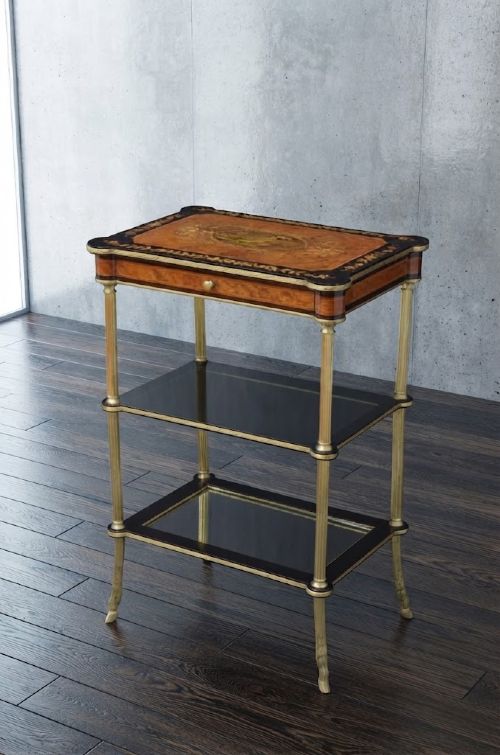
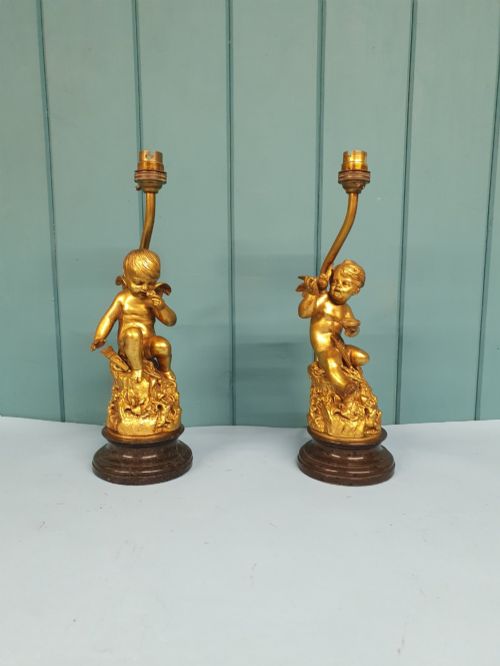
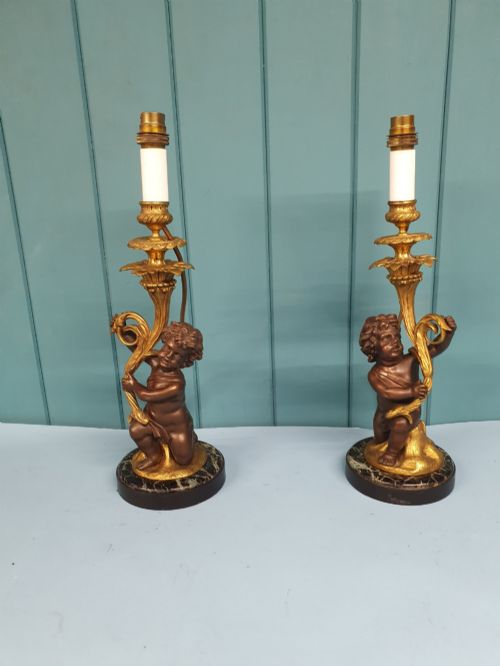
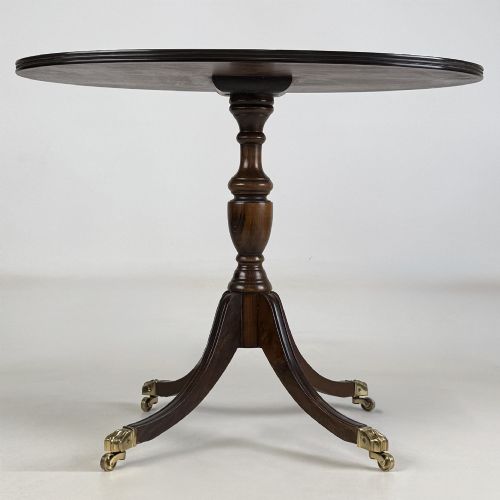
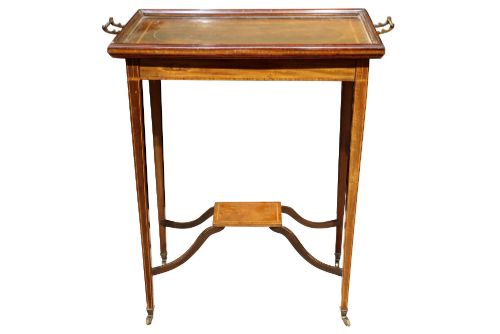
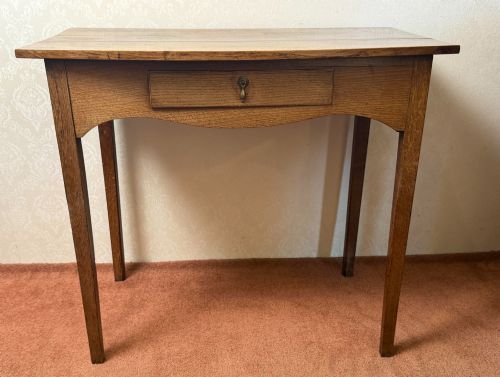
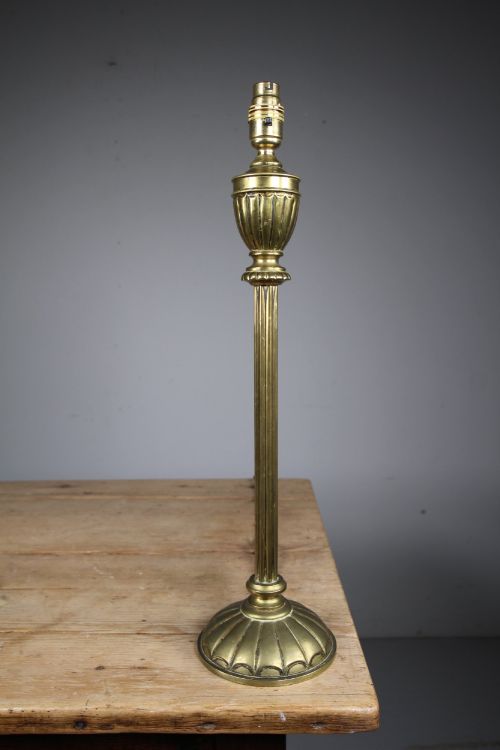
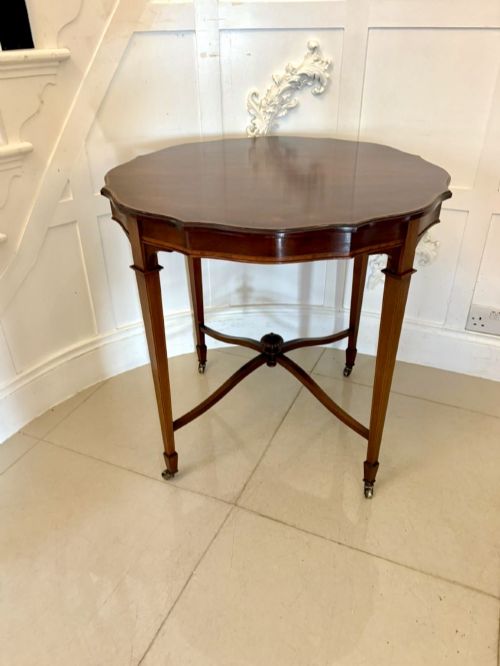
When you search for an antique brass side lamp, you encounter pieces that combine lighting elements with occasional tables, alongside standalone brass lighting fixtures. The listings predominantly show items from the Victorian, Edwardian, and early twentieth-century periods, spanning styles from Regency and Neoclassical to French Rococo Revival.
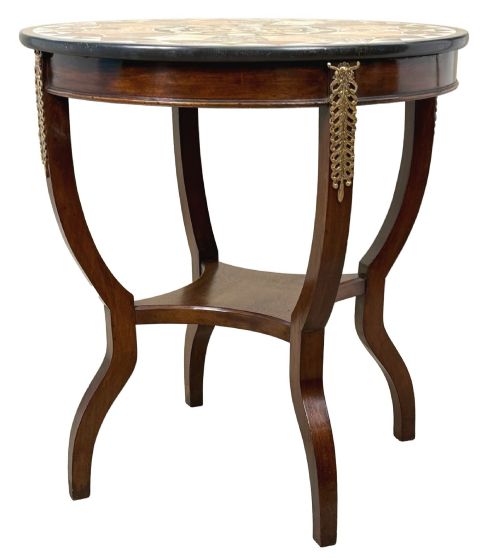
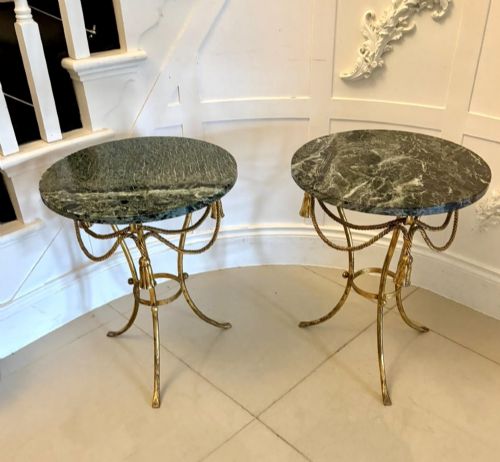
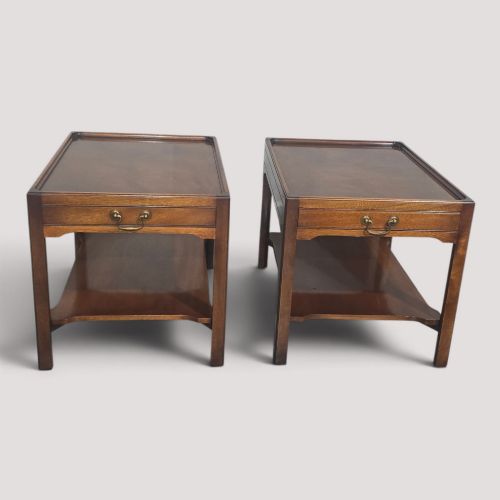
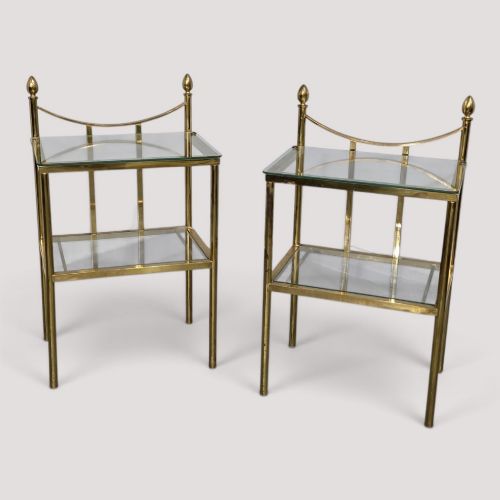
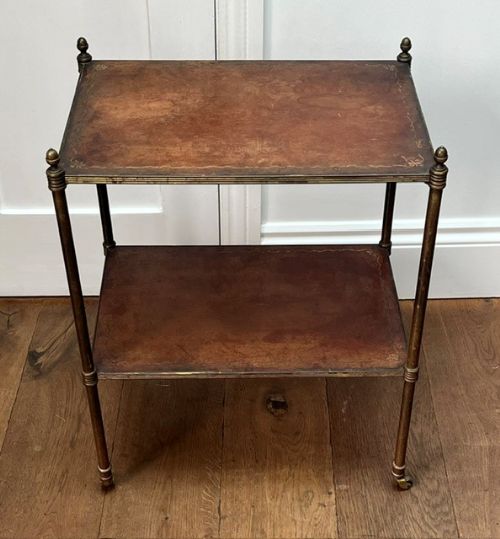
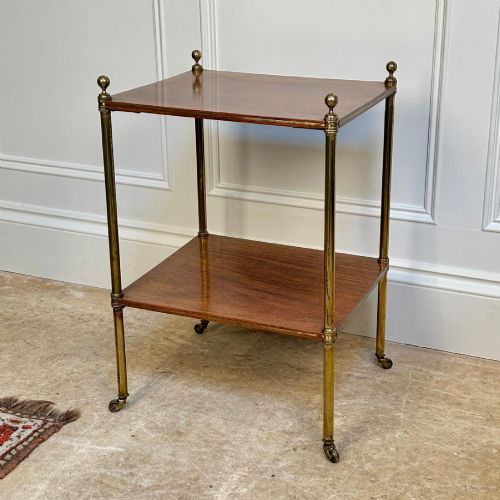
The physical forms include tall table lamps, converted candelabra, and tiered side or etagere tables incorporating brass mounts, galleries, and structural frames. Many examples pair brass with mahogany, rosewood, marble, or leather, serving both as functional illumination and small-scale display surfaces in reception rooms.
How they were made
Makers utilised cast and lacquered brass, gilt bronze, and ormolu for the metal components, shaping them through casting, chasing, and mounting onto timber or stone bases. Secondary materials such as mahogany, satinwood, oak, and marble provide structural integrity and contrasting surface textures.
Joinery and assembly methods reflect traditional cabinetmaking and metalworking techniques, with brass galleries secured to table edges and metal collars fitted to turned or carved timber shafts. Many lighting pieces incorporate historical conversions where older candelabra or oil lamps were adapted for electrical wiring.
Antique Brass Side Lamp Retail Price Guide 2026
Typical asking prices for brass side lamp among the pieces listed under this phrase on Sellingantiques today, from the lower quarter to the upper quarter. They describe what is for sale here now, not the wider market.
Several heavy brass lamps began life holding tallow candles before someone handy with a drill rewired them for the twentieth century.
What varies in quality
The standard of execution in the metalwork marks the difference between average and superior examples, seen in the crispness of chased details on gilt bronze and ormolu. Weight, gauge of brass, and the precision of assembly indicate the level of craftsmanship invested in the object.
Material selection for the accompanying timber and stone surfaces further separates the ranges, with finely figured mahogany, burr oak, specimen marble, and tooled leather commanding higher regard than plain commercial timbers.
James Shoolbred·Mallett of London·François Linke·George Bullock·A Hugnet Paris·W. Turner Lord & Co
The Antique Brass Side Lamp Glossary
- Ormolu
- Gilded bronze applied as a decorative mount to furniture or used independently for lighting components. The technique involves treating metal with a mixture of gold and mercury.
- Etagere
- A set of open shelves for displaying small objects or supporting a lamp. These pieces often feature multiple tiers supported by brass columns or wooden uprights.
- Gueridon
- A small circular table designed to hold a light source or decorative object. The form originated in the seventeenth century and frequently incorporates a central pedestal.
- Gallery
- A raised ornamental border surrounding the edge of a table top. They are typically fashioned from pierced or cast brass to prevent items from sliding off.
- Candelabra
- A branched candlestick holder designed for multiple candles. Many surviving examples were subsequently converted to accept electrical fittings for table lighting.
Antique Brass Side Lamp: Frequently Asked Questions
How were antique brass side lamps used?
These pieces served primarily to illuminate darker corners of period rooms while providing a stable surface for holding books or small personal items.
They were placed beside seating or in hallways where combined table space and lighting proved most practical.
How do I identify an Edwardian brass lamp?
Edwardian examples typically exhibit lighter proportions and cleaner neoclassical lines compared to heavier Victorian counterparts.
They often combine polished or lacquered brass with satinwood inlays or onyx shafts dating from around nineteen hundred to nineteen ten.
Are converted candelabra considered authentic?
Historical conversions where older candelabra or oil lamps were adapted for electricity are common and accepted within the antique trade.
These pieces retain their original nineteenth-century metalwork while accommodating modern domestic wiring standards.
What woods appear with brass tables?
Mahogany, rosewood, and oak form the primary timber structures supporting brass mounts and galleries across these listings.
Finer pieces incorporate satinwood or burr oak veneers alongside marble tops and tooled leather surfaces.