

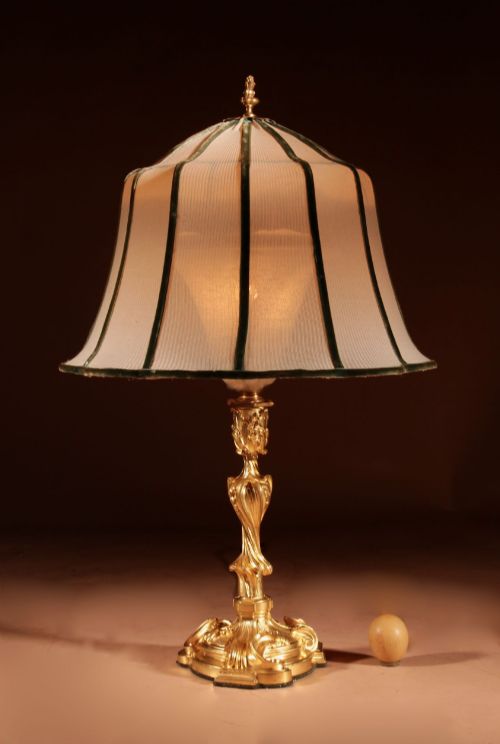
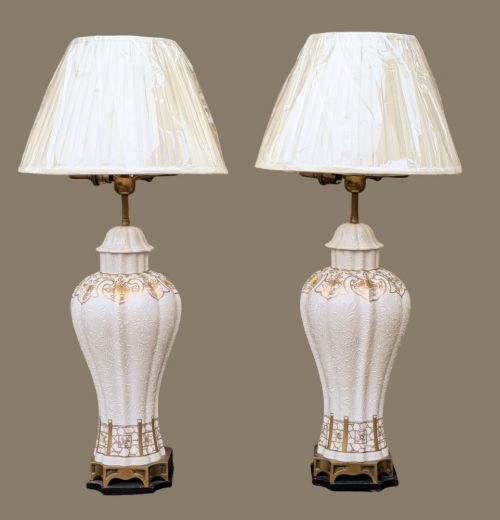
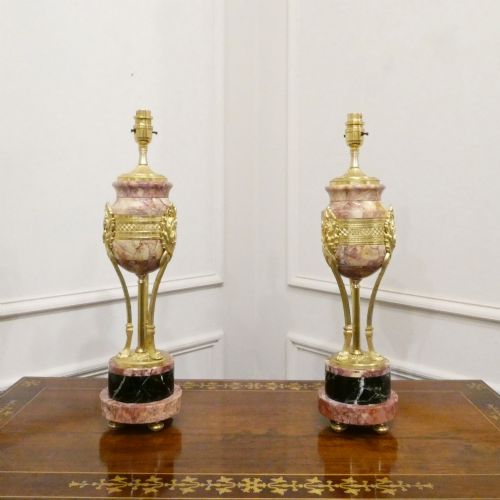
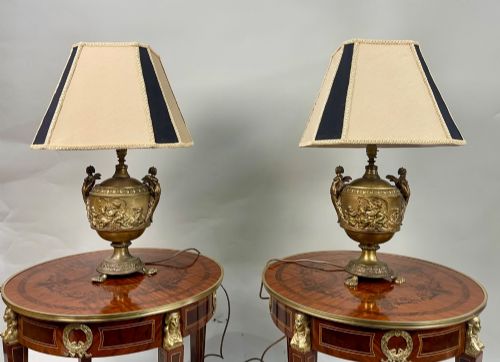

French Gilt Table Lamp
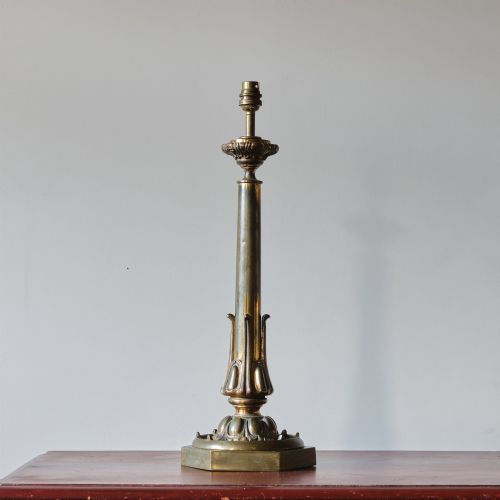
A french gilt table lamp brings warmth and ornate decorative character to a room through gilded metalwork and classic continental styling.
French Gilt Table Lamp
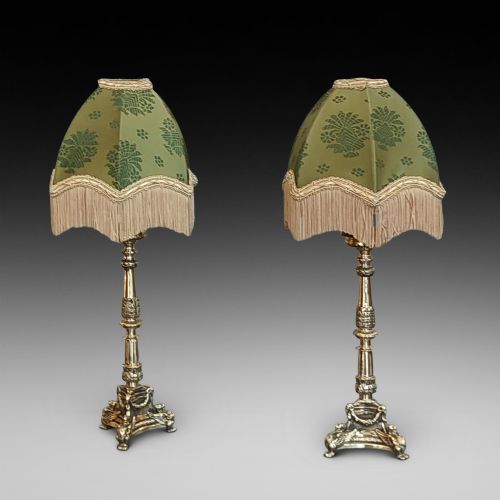
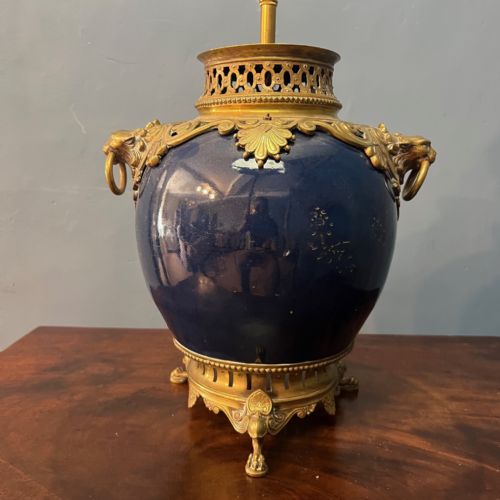
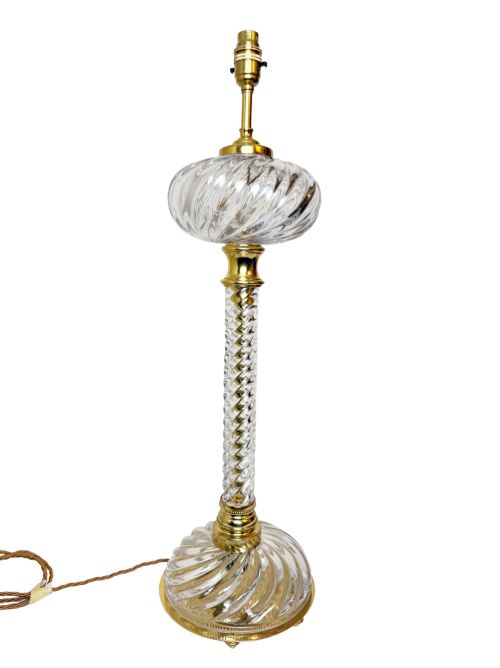
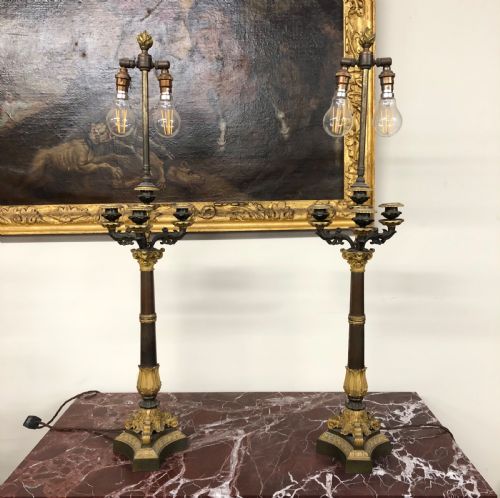
A french gilt table lamp typically combines a metallic gilded surface with traditional materials like marble, onyx, or porcelain, originating from the nineteenth and early twentieth centuries. These pieces encompass various forms including urns, columns, figural mounts, and converted cassolettes or candelabra.
The aesthetic draws heavily from historical design repertoires such as Louis XV, Louis XVI, and Empire styles. Pieces range from modest brass desk lights to large decorative pairs featuring cherubs, floral motifs, or classical architectural details.
Buyers frequently encounter matched pairs designed for sideboards or console tables, as well as single statement pieces adapted from older lighting vessels or ornamental objects.
Materials and Construction
Craftsmen utilised cast or spun brass, gilt bronze, and ormolu to provide the metallic framework, often combining them with hand-carved giltwood or solid natural stone bases such as rouge marble and onyx.
Surface ornamentation involved mercury gilding, electroplating, or hand-applied gold leaf over carved wooden substrates and gesso. Many examples incorporate glazed porcelain elements, crystal glass drops, or champlevé enamel detailing.
Structural assembly typically relied on threaded central rods holding heavy stone plinths, decorative mounts, and candle-style sockets together securely.
French Gilt Table Lamp Retail Price Guide 2026
Typical asking prices for french gilt table lamp among the pieces listed under this phrase on Sellingantiques today, from the lower quarter to the upper quarter. They describe what is for sale here now, not the wider market.
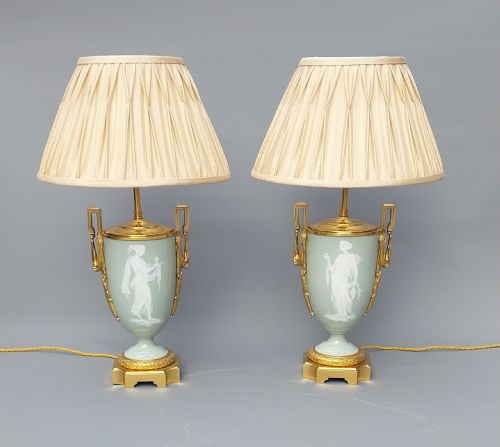
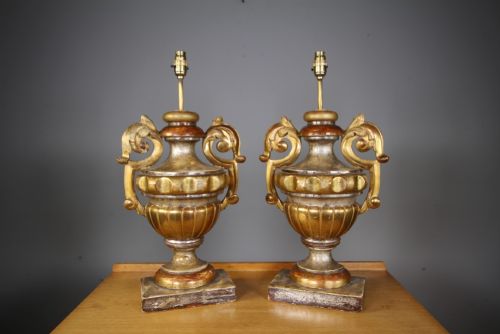
Listings feature pieces spanning the 18th century through the 1930s, incorporating gilt bronze, marble, porcelain, and carved giltwood.
Assessing Quality and Execution
The crispness of the chasing and bronze casting defines the upper tier of production, where intricate details on figures, acanthus leaves, and mounts remain sharp and well-defined.
Material selection dictates much of the value, with dense natural marbles, genuine heavy ormolu, and hand-carved giltwood standing apart from lighter gilt metal or hollow brass pressings.
Cohesion of design also matters, distinguishing purpose-built lamp bodies from altered candelabra or church artefacts that were later converted into domestic table lamps.
E Rousseau·François Linke
The French Gilt Table Lamp Glossary
- Ormolu
- Gilt bronze, typically produced by applying a mercury and gold amalgam to a cast bronze base and firing it. This technique creates a durable, warm golden finish seen on high-end nineteenth-century pieces.
- Cassolette
- A decorative vessel, often in marble or porcelain, featuring a reversible lid that transforms it between a vase and an incense burner. Many period examples were later adapted into lamp bases.
- Champlevé
- An enamelling technique where troughs are dug into a metal surface and filled with vitreous enamel powder before firing. It appears frequently on decorative mounts and trimming.
- Gueridon
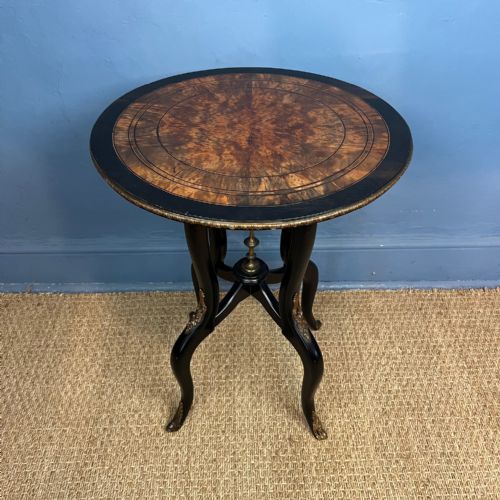
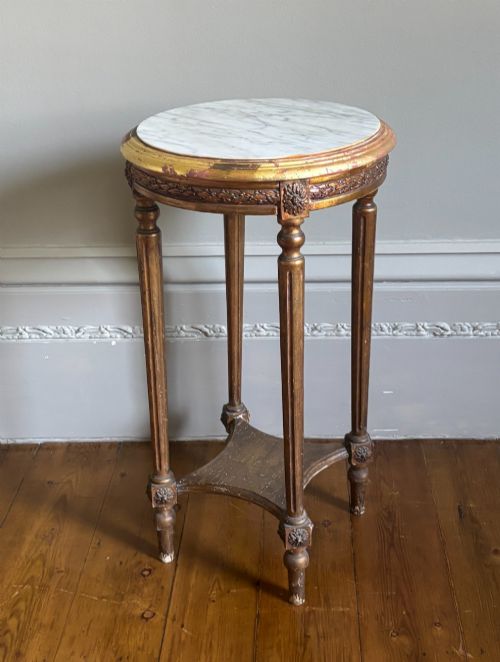
- A small circular table on a central pillar, frequently topped with marble and mounted with gilt bronze. These surfaces often accompany matching table lamps in period settings.
- Tole-peinte
- Painted or lacquered sheet metal used for lamp columns and shades. This material often displays hand-painted botanical or classical motifs.
French Gilt Table Lamp: Frequently Asked Questions
How do I identify a period french gilt table lamp?
Examine the weight, the casting quality of the metal mounts, and the nature of the stone bases. Nineteenth-century examples typically feature hand-cut threads, heavy natural marble or onyx, and rich mercury or fire gilding rather than modern electroplated finishes.
Look closely at how components join together beneath the base. Older pieces display hand-turned screws and heavy brass or bronze components that show natural patination and wear consistent with age.
Were these always electric lamps?
Most antique examples began life as oil lamps, gas lamps, altar lights, or ornamental cassolettes before being converted for electricity during the twentieth century. Conversion work often involved running internal wiring through the original central burner assemblies.
Because of this history, many surviving examples have been rewired at various points to meet contemporary electrical and safety standards while retaining their original decorative metalwork.
How do I care for gilt bronze and ormolu?
Dust the metal surfaces gently with a soft, dry microfibre cloth to prevent the accumulation of dirt in recessed chased areas. Avoid using commercial metal polishes, abrasive cloths, or liquid cleaners, as these can strip away the delicate gold leaf or fire-gilt surface.
Keep the lamps away from direct sunlight and excessive moisture to protect any underlying wooden elements, fabric shades, and natural stone plinths from fading or staining.
What styles are common in these lamps?
The designs predominantly reflect French revival periods, particularly Louis XV, Louis XVI, and Empire aesthetics. You will frequently encounter neoclassical column forms, rococo scrolls, cherubic figures, and urn shapes.
These styles dictate the ornamental vocabulary, from leafy acanthus brackets and lion paw feet to floral garlands and symmetrical architectural proportions.