
Ormolu Style Table Lamp
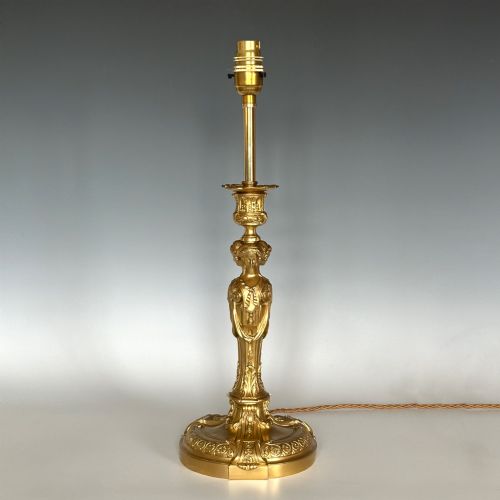
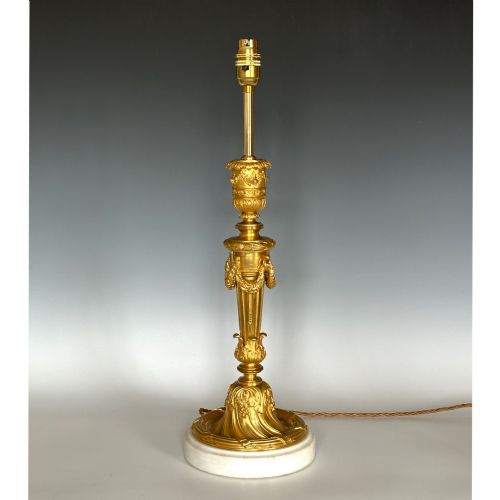
An ormolu style table lamp brings the rich, gilded ornamentation of nineteenth-century French interiors directly to a living space.
Ormolu Style Table Lamp
An ormolu style table lamp draws heavily from nineteenth-century French design, particularly the Louis XV and Louis XVI revivals seen across the period.
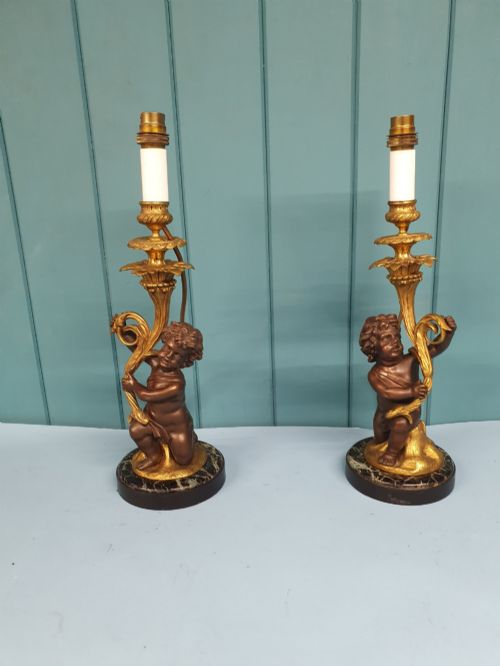
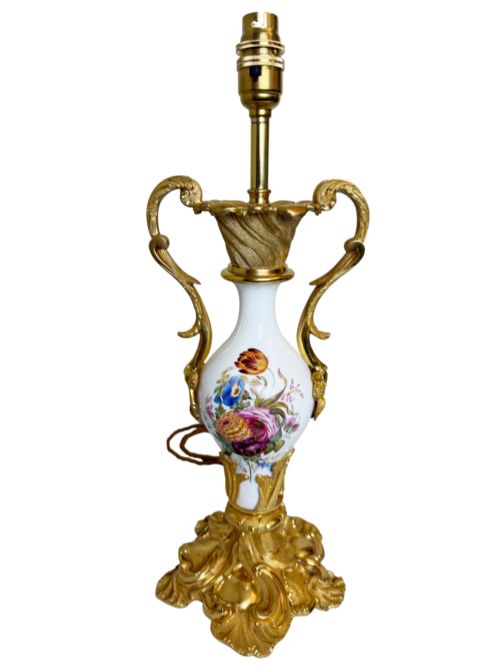
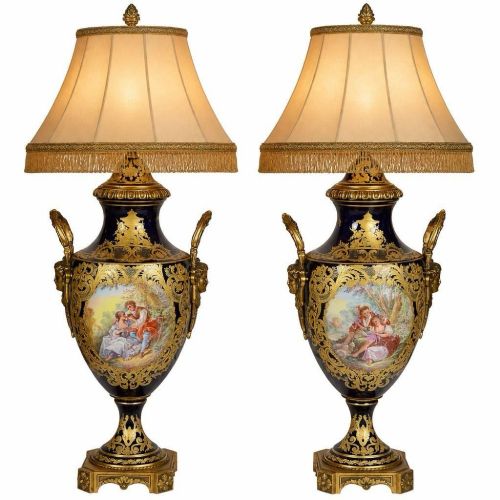
The pieces on this page combine cast metallic mounts with bodies fashioned from marble, porcelain, or patinated bronze.
Buyers will encounter both single accent pieces and matched pairs dating from the Victorian era into the early twentieth century.
Materials and Technique
The construction relies on mercury-gilt or electroplated brass and bronze mounts fixed to solid hardwood, turned marble, or glazed ceramic bodies.
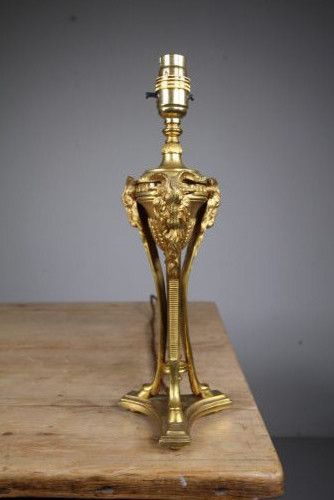
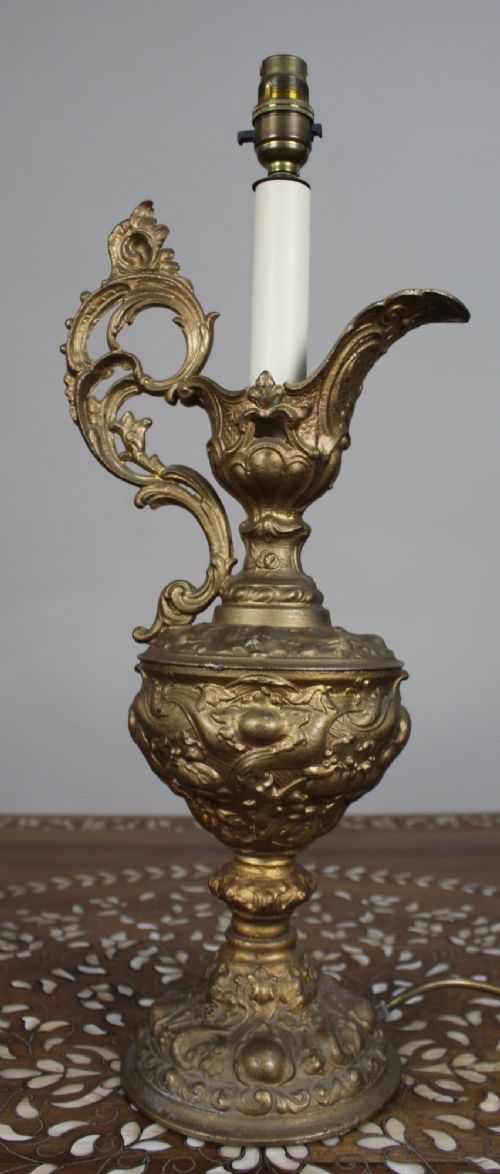
Casting and chasing give the metallic elements their crisp foliate scrolls, cherubs, and classical rams' heads.
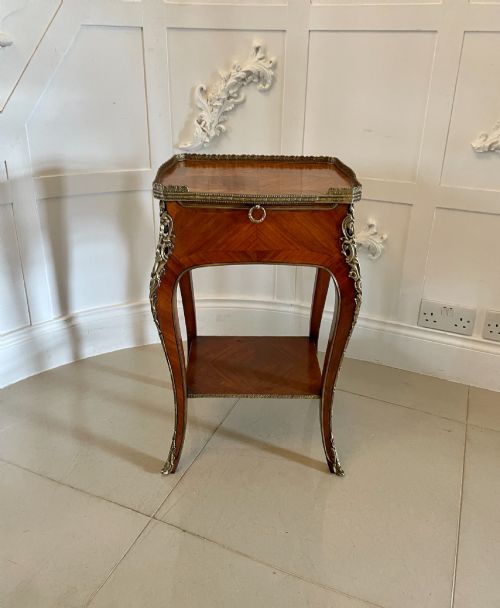
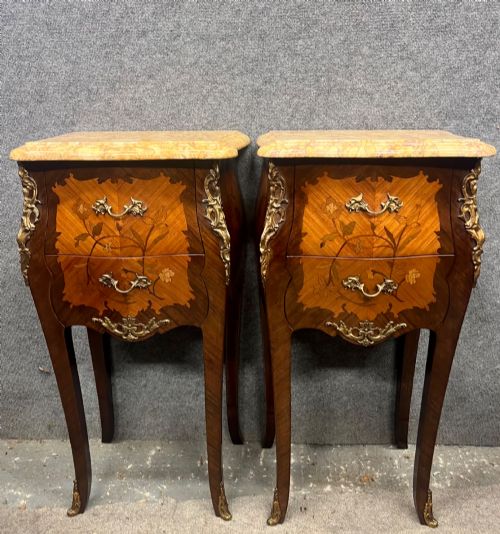
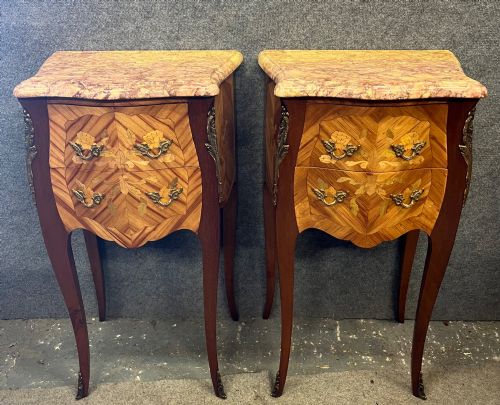
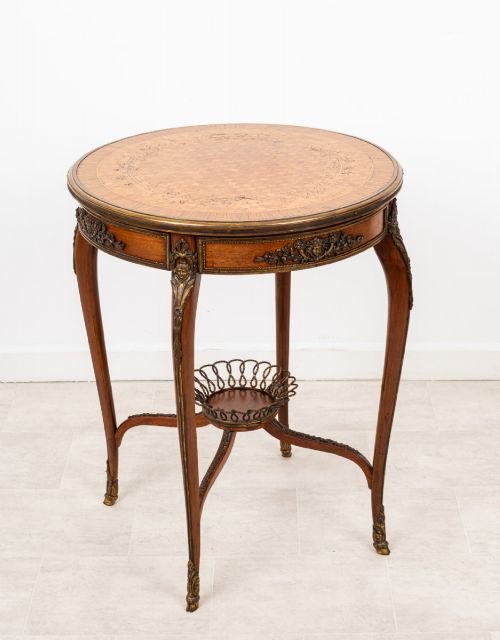
Cabinetmakers and metalworkers utilised kingwood, walnut, and mahogany alongside porcelain panels to build the decorative bases.
The listings on this page span the Victorian period through the 1930s, utilising materials such as Sevres style porcelain, rouge marble, and kingwood.
Distinctions in Execution
The depth and hand-chasing of the metalwork distinguish standard production from exceptional studio output.
Richer pieces display heavier fire gilding with distinct contrast between burnished and matte surfaces on the bronze.
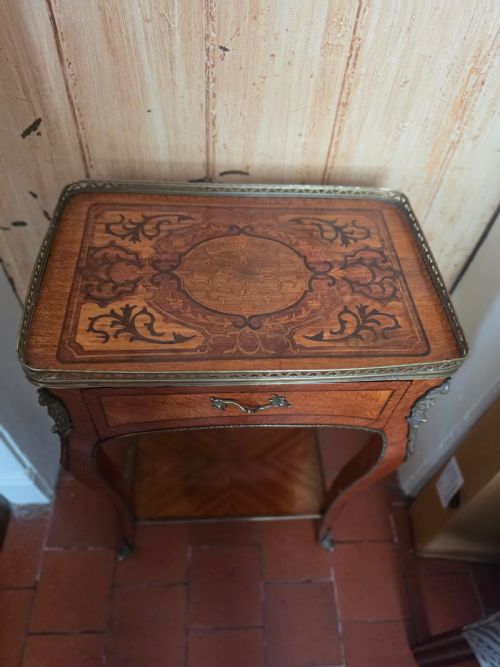
The selection of fine secondary woods, intricate marquetry inlay, and solid marble tops mark the upper tier of surviving examples.
François Linke
The Ormolu Style Table Lamp Glossary
- Ormolu
- Finely ground high-carat gold applied to a bronze base using a mercury amalgamation process, or later electrogilding. It provides a warm, durable finish that resists tarnishing.
- Louis XVI Style
- A neoclassical aesthetic characterised by straight lines, symmetry, and classical motifs like urns and acanthus leaves. It dominated French decorative arts in the nineteenth century.
- Cassolette
- A decorative vase or vessel fitted with a reversible lid that functions as a burner or candle holder. Many examples were later converted into table lamps.
- Kingwood
- A dense, richly figured Brazilian timber prized for its contrasting violet and dark brown grain. Cabinetmakers used it extensively for veneering luxury tables and chests.
Ormolu Style Table Lamp: Frequently Asked Questions
How do I identify a period ormolu style table lamp?
Examine the weight of the casting and the quality of the hand-chasing beneath the gilding. Nineteenth-century examples display sharp botanical details and heavy bronze or brass structures rather than lightweight alloys.
The wiring and fittings often indicate later conversions, but the core metalwork and body materials reveal the true age of the manufacture.
What is the difference between ormolu and gilt bronze?
Ormolu is simply the traditional term for gilt bronze, specifically denoting objects created with mercury gilding during the eighteenth and nineteenth centuries. Both terms describe a bronze substrate coated in a layer of gold.
Collectors often use ormolu to describe French decorative items, while gilt bronze appears more frequently in broader European descriptions.
How were these lamps used historically?
Most surviving lamp bases began as decorative garniture, cassolettes, or candlesticks before receiving electrical fittings in the twentieth century. They stood on side tables, console tables, and mantelpieces to provide ambient illumination in grand rooms.
Pairs were often placed symmetrically on matching pier tables or bedside chests to frame a central mirror or bed.
How do I care for marble and gilt surfaces?
Dust the metalwork gently with a soft, dry brush to prevent dirt from accumulating in the recessed chasing. Avoid liquid polishes, as abrasive cleaners can strip the delicate gold layer from the bronze.
Clean the marble top with a damp cloth and mild soap, drying it immediately to protect the polished stone from staining.