




Antique Urn Lamp Base
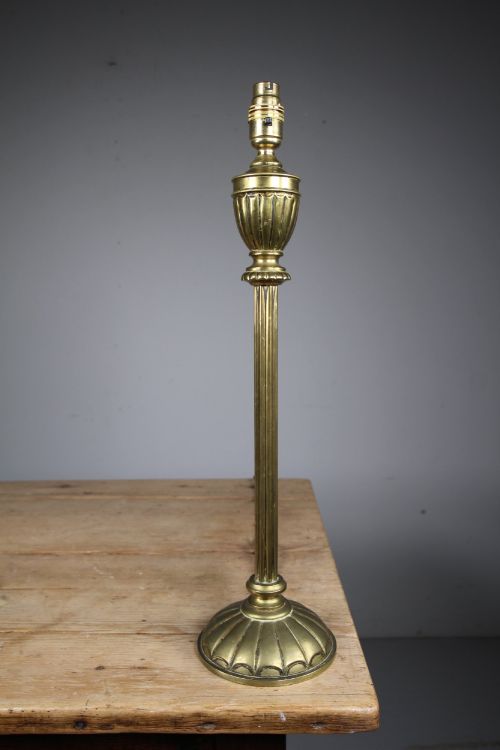
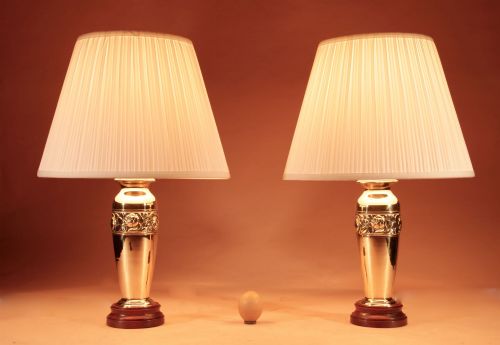
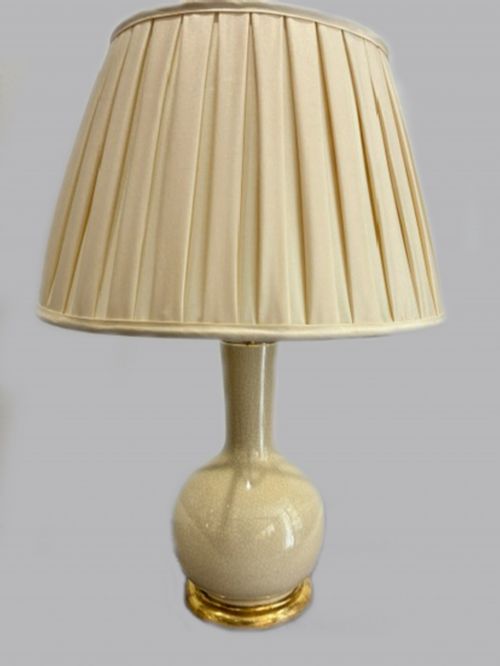
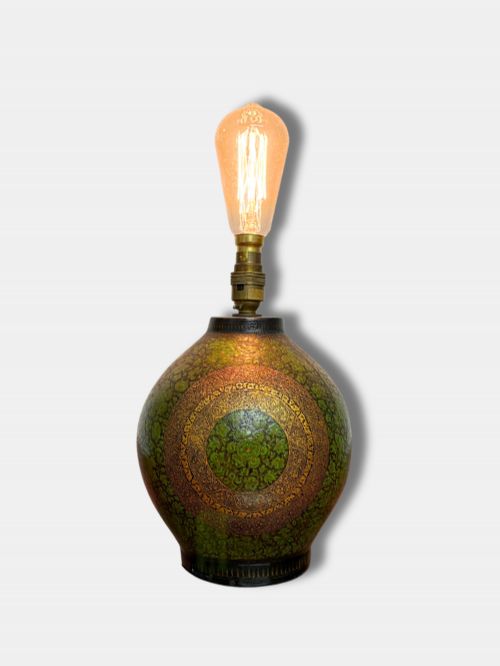
An antique urn lamp base brings classical proportion and soft illumination to a room, turning converted vessels into functional lighting.
How they were made
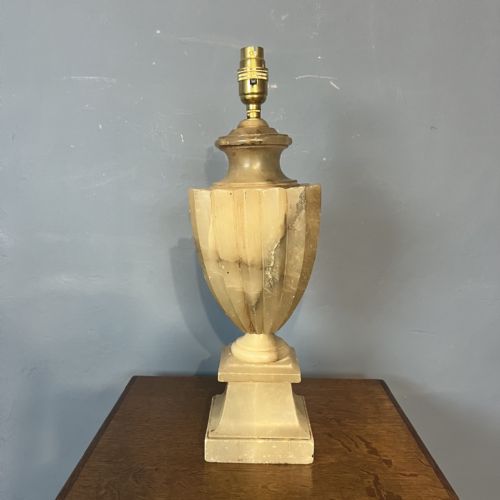
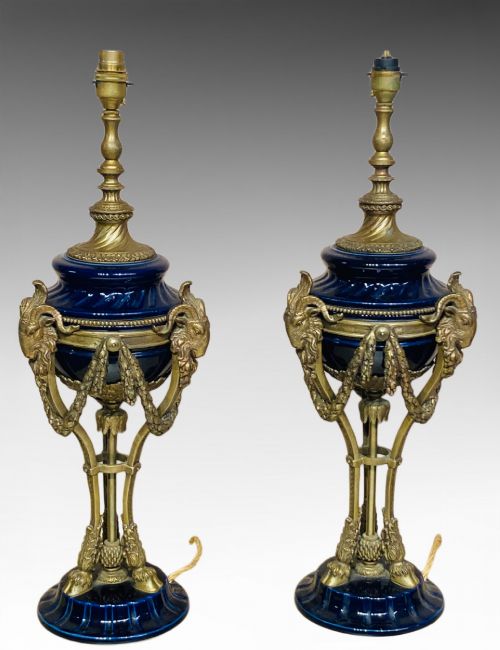
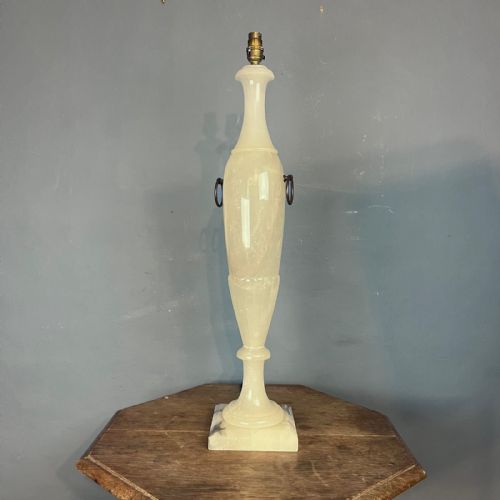
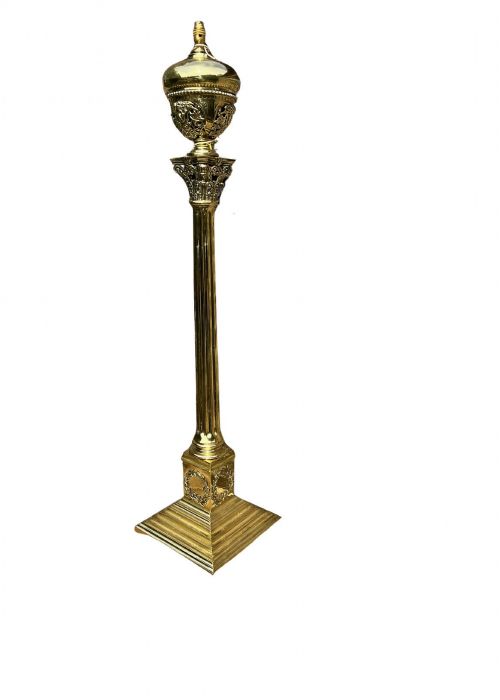
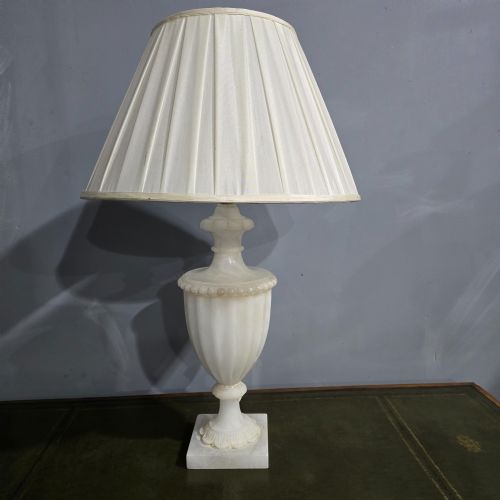
Makers utilised rigid natural materials, shaping brass, bronze, ormolu, and cast metals into classical mounts and handles. Stone variants rely on carved alabaster, white onyx, and green marble effect bases.
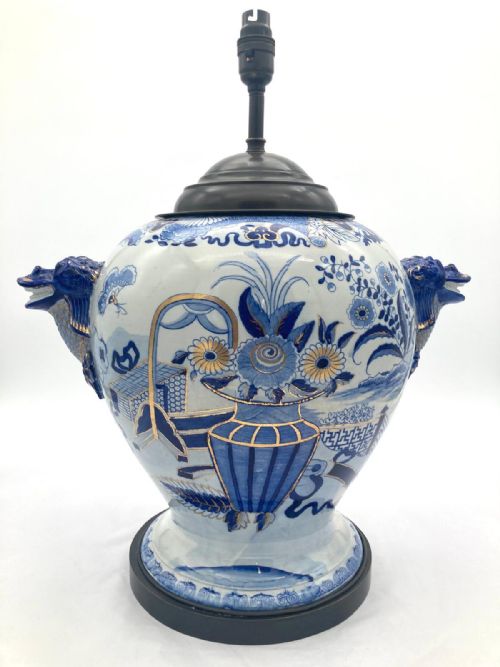
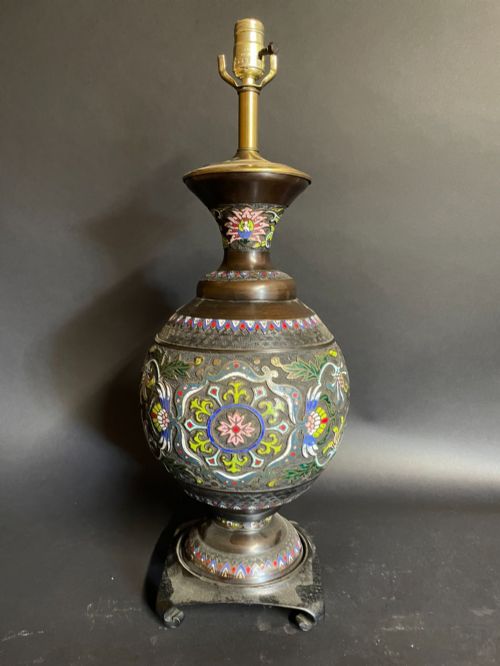
Ceramic and glass bodies employ porcelain, ironstone, Delft earthenware, and cut crystal, frequently decorated with hand-painted glazes, blue and white pigments, or cloisonné enamel work.
What varies in quality
The refinement of the casting and hand-finishing determines the distinction of metal mounts, where detailed chasing on ormolu and bronze elevates the work. In ceramic bodies, the clarity of the hand-painted glaze and the crispness of the transfer printing mark superior examples.
Proportion and the integration of the electrical fittings into the original vessel structure dictate the overall harmony of the conversion. Pieces retaining balanced mounts and matching pairs command greater design presence.
Listings feature materials spanning brass, fabric, wood, porcelain, bronze, enamel, gilt bronze, and marble across multiple centuries.
Harrison Brothers And Howson·Hicks And Meigh·Samson
The Antique Urn Lamp Base Glossary
- Ormolu
- Gilded bronze, typically applied as decorative mounts on French furniture and lamp bases. It provides a bright metallic accent against porcelain and stone bodies.
- Cloisonné
- An ancient technique for decorating metalwork objects with coloured glass paste placed within partitioned wire cells. The surface is subsequently fired and polished smooth.
- Alabaster
- A fine-grained, translucent stone used for carving classical urns and lamp bodies. It allows light to diffuse softly through the material.
- Famille Rose
- A Chinese porcelain palette dominated by opaque pink enamel, introduced during the Qing dynasty. This style appears frequently on nineteenth-century export vases.
- Spelter
- A zinc alloy used as a cost-effective alternative to bronze for decorative figures and lamp bases. It is often given a bronze-coloured finish.
Antique Urn Lamp Base: Frequently Asked Questions
How do I choose an antique urn lamp base?
Consider the scale of the room and the height required for your table or sideboard. Look at the material, whether ceramic, bronze, or alabaster, to match your existing interior palette.
Check whether the wiring has been updated to modern standards, as many older lamp bases require rewiring for safe daily use.
Were these always electric lamps?
Most of these pieces started life as decorative vases, ginger jars, or oil lamps before being converted later in their lifespan. The conversion process generally involves drilling the base or running a cord through existing apertures.
Original oil lamp mechanisms are frequently replaced with lamp holders to accommodate standard light bulbs.
How do I date an antique urn lamp base?
Examine the materials, manufacturing marks, and decorative style to narrow down the period. For instance, pieces showing Chinoiserie or Neoclassical motifs often align with eighteenth or nineteenth-century production.
Pottery marks, bronze patination, and the construction of the base mounts also offer clear indicators of age.
How do I care for an antique lamp base?
Dust ceramic and metal surfaces gently with a dry microfibre cloth to prevent the accumulation of grime. Avoid harsh chemical cleaners, particularly on gilded or painted surfaces where the finish is delicate.
Alabaster and marble require special care to avoid staining, as porous stone absorbs liquids easily.