
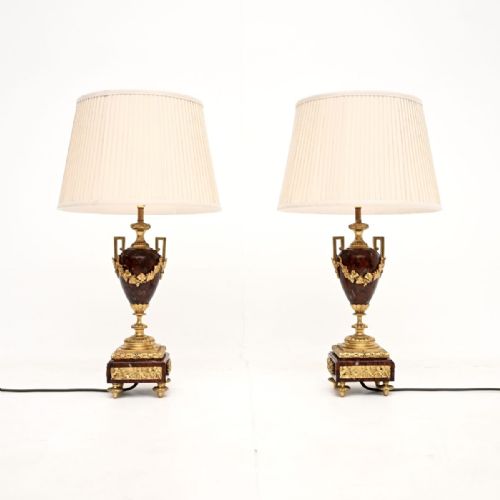
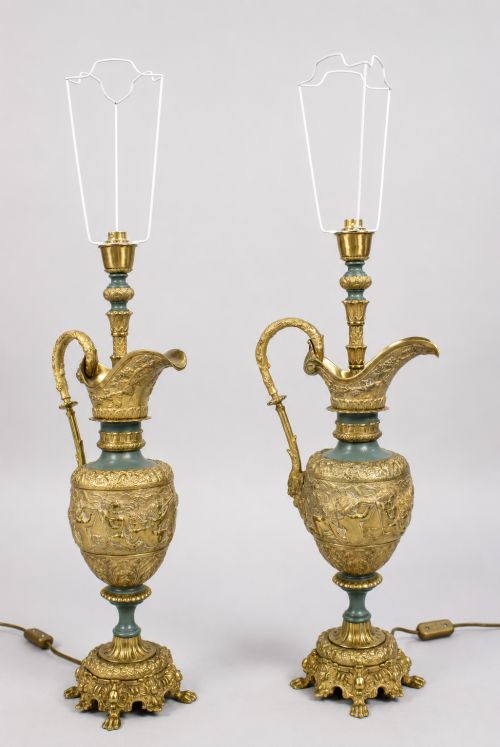
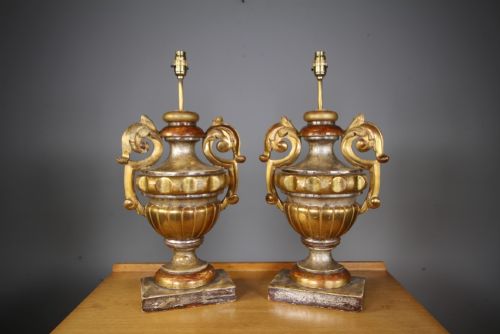

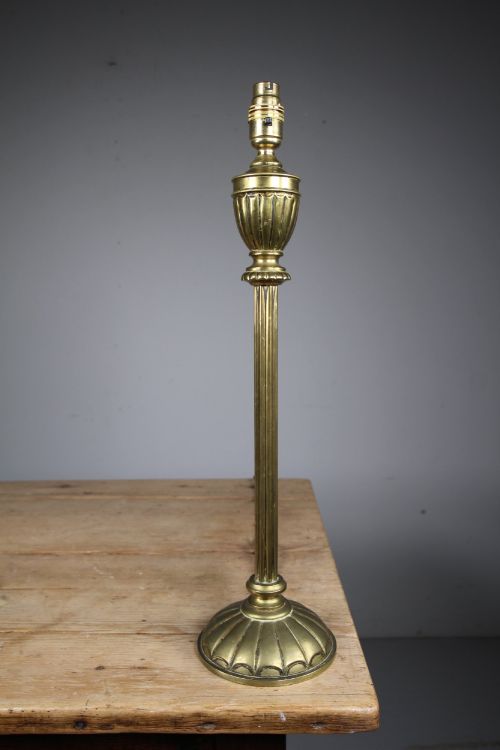



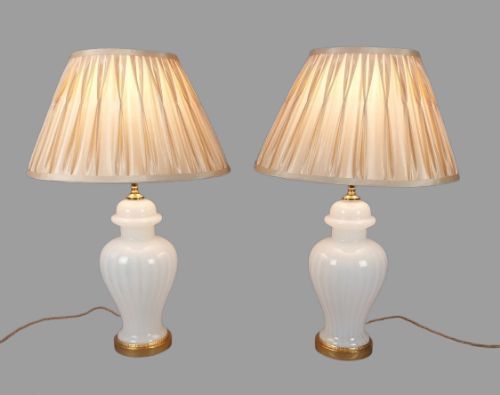
Gold Urn Table Lamp
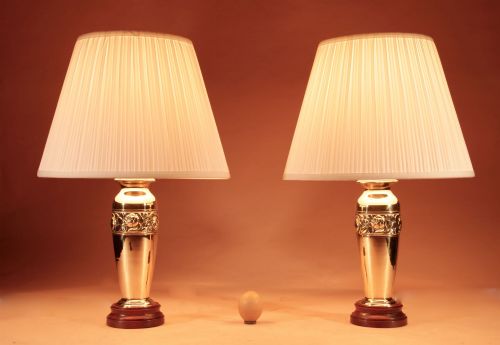
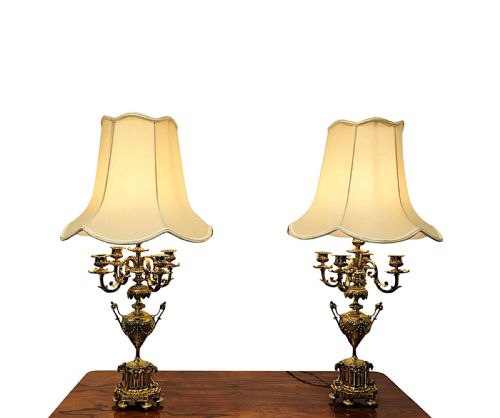
A gold urn table lamp brings classical form and warm illumination into a room, offering a sculptural silhouette rooted in historical design.
Gold Urn Table Lamp
A gold urn table lamp draws upon centuries of classical motifs, taking the traditional shape of a classical vessel or ewer and adapting it for interior lighting. Buyers searching this phrase encounter pieces that span the nineteenth and twentieth centuries, reflecting diverse periods such as the Victorian, Edwardian, and Art Deco eras.
The most common versions met on this page are metal and ceramic vessels mounted as lamps, frequently paired with fabric shades. Many of these lighting fixtures began life as oil lamps, vases, candlesticks, or candelabra before being converted for electrical use.
Origins range widely across European and Asian traditions, including English brassware, French ormolu and porcelain, and pieces influenced by Chinoiserie and classical styles. Whether small and petite or large and imposing, each gold urn table lamp functions simultaneously as an illuminated centrepiece and an antique object of art.
How they were made
Makers utilised cast and chased metals such as brass, bronze, ormolu, and gilt metal, often combined with carved wood, pine, or giltwood to build the primary urn body. These metallic structures frequently received fire gilding or gold leaf application to achieve a lasting brilliant finish.
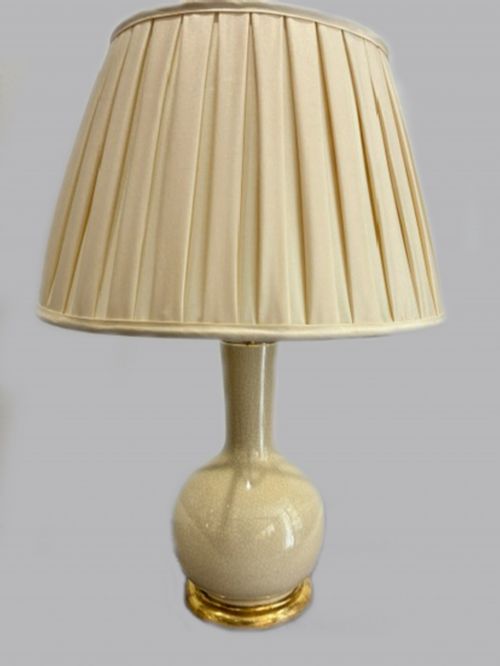
Ceramic variations incorporate porcelain, crackle ware, and opaline glass, sometimes decorated with hand-painted details or paired with marble bases for added weight and stability. Many examples also integrate toleware, lacquer, and fabric shades to complete the composition.
Materials documented across the listings include brass, marble, porcelain, ormolu, carved pine, and opaline white glass.
What varies in quality
The degree of crispness in the casting and hand-carving separates standard domestic lighting from finer workshop pieces. Superior examples display sharply defined classical mounts, rams heads, cherubs, and foliage rather than softened, mass-produced details.
Material selection and integrity determine the upper tier of the range. Solid ormolu, finely painted Paris porcelain, and heavy marble bases demonstrate a superior grade of craftsmanship compared to lighter plated metals and basic turned wood.
The Gold Urn Table Lamp Glossary
- Ormolu
- Finely ground high-carat gold applied to a bronze base through a mercury amalgamation process, or cast brass with a gilt finish. This technique creates a rich, enduring metallic lustre seen on French decorative objects.
- Ewer
- A large jug with a wide spout and a shaped handle, historically used for pouring water. In lighting, this vessel form is frequently adapted to serve as the central body of a table lamp.
- Chinoiserie
- European artistic style and interpretation of Chinese and East Asian artistic traditions, popular in furniture and decorative objects. It often incorporates black and gold lacquer work alongside painted motifs.
- Toleware
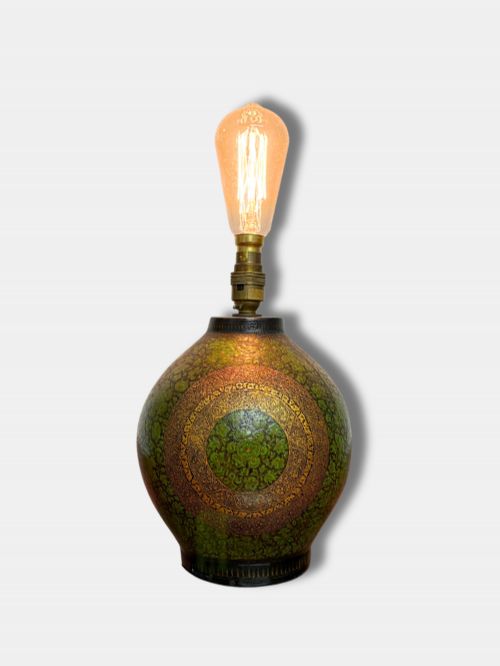
- Enamelled or lacquered sheet metalware, often hand-painted in various colours including black and gold. This material provides a durable surface for decorative lamps.
- Neoclassical
- A Western cultural movement drawing inspiration from the classical art and culture of ancient Greece and Rome. It emphasises symmetry, columns, classical masks, and urn shapes.
Gold Urn Table Lamp: Frequently Asked Questions
Are these lamps safe to plug in?
Many antique lamps retain older wiring or have undergone rewiring to meet modern electrical standards. Buyers should inspect the flex and lampholder upon acquisition to ensure safety.
Qualified electricians can easily update internal components while preserving the historic exterior shell of the lamp.
How do I clean a gilt metal lamp?
Dusting gently with a soft, dry microfibre cloth remains the safest method for preserving delicate gilt surfaces. Avoid harsh chemical cleaners and abrasive cloths that can strip the gold finish.
For stubborn grime, a very slightly damp cloth with mild soap can be used, followed immediately by thorough drying.
Can I replace the lampshade safely?
Lampshades can be swapped to suit interior decor preferences, provided the fitting matches the shade carrier or harp. Many period lamps feature custom fabric shades that complement their specific gold urn bases.
When choosing a replacement, ensure the scale and weight balance harmoniously with the proportions of the antique base.
How do I identify the period of an urn lamp?
Dating relies on examining the construction techniques, mounting styles, and material characteristics unique to specific eras like the Victorian or Edwardian periods. Stylistic cues such as Rococo Revival curves or Art Deco geometry offer clear chronological markers.
Makers marks, where present on the base or ceramic underside, provide additional clues to the exact workshop of origin.