




French Metal Bedside Lamp
A French metal bedside lamp brings genuine continental character to a room, combining solid weight with ornate period casting.
French Metal Bedside Lamp
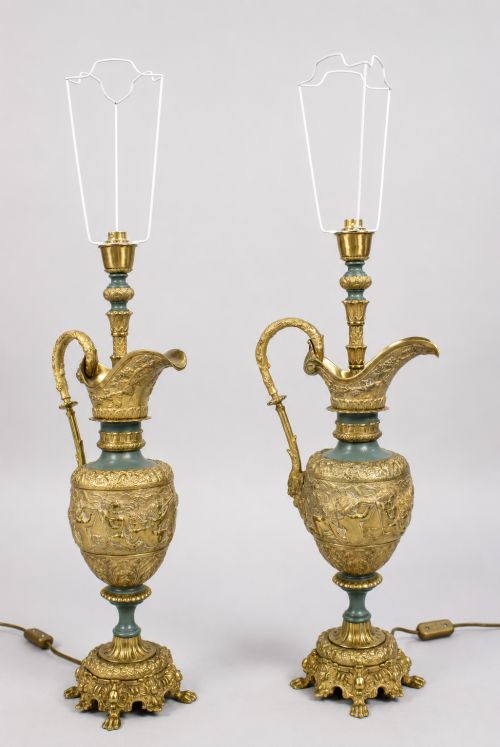
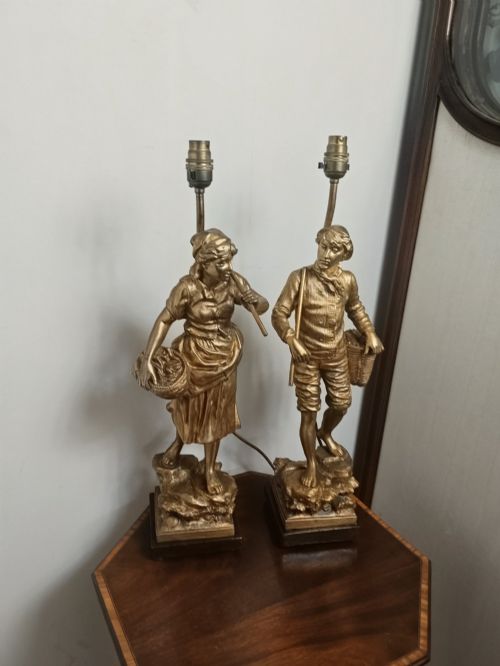
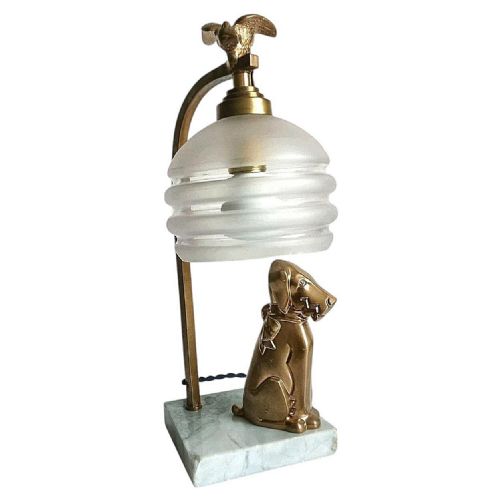
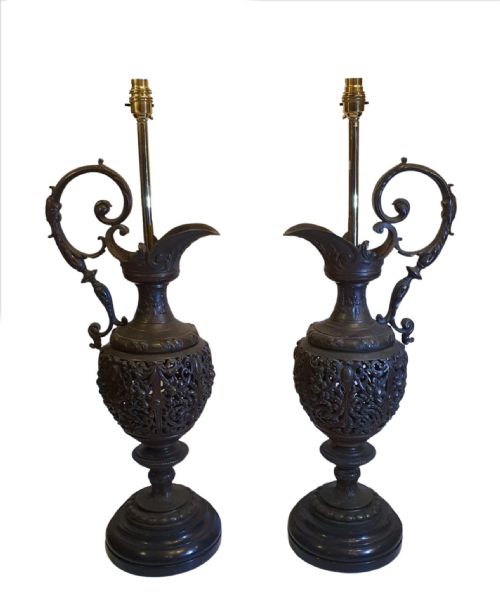
A french metal bedside lamp search reveals table lamps spanning the nineteenth century through the nineteen-thirties, taking forms such as ewers, figural casts, and converted candelabra. Many pieces lean into distinct decorative movements, including Art Nouveau curves, Rococo Revival scrolls, and Empire style austerity.
Materials and construction methods
Foundry workers shaped these bodies using bronze, brass, spelter, and gilt metal, often employing lost-wax casting or sand casting to achieve crisp surface detail. Artisans then applied patination, gilding, or painted finishes to the metal surfaces.
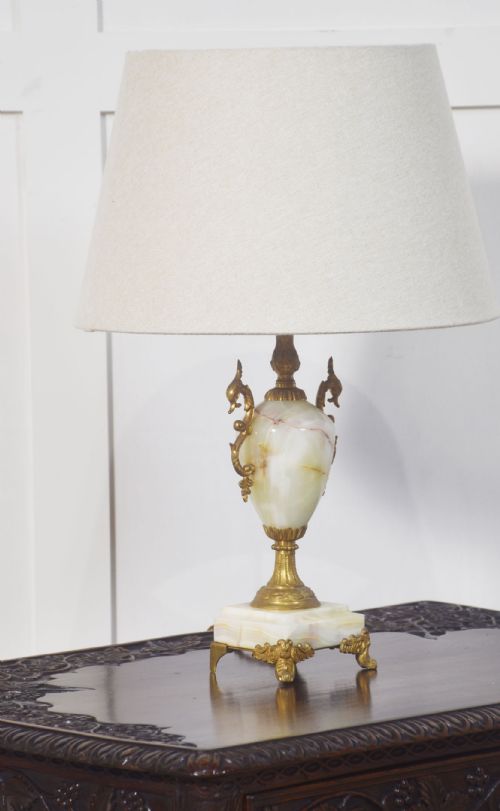
Many designs incorporate heavy stone elements like marble and onyx to anchor the taller metal stems and figures. Ormolu mounts and delicate metal collars secure glass bodies, porcelain vases, and beaded fabric shades to the primary metal structures.
Listings span the nineteenth century, the Edwardian era, and the nineteen-twenties and thirties, utilising materials including bronze, marble, toleware, and porcelain.
Assessing quality and craftsmanship
Quality rests upon the crispness of the initial metal casting and the depth of the chased detailing on figures, foliage, and scrollwork. Superior examples retain their original fire gilding or rich patination rather than later overpainting.
The integration of secondary materials defines the build standard, seen in the selection of genuine marble bases and solid brass mounts rather than lighter base metals. Converted pieces depend on how cleanly the original ewer, vase, or candelabra structure accommodates electrical fittings.
E Rousseau·Samson
The French Metal Bedside Lamp Glossary
- Ormolu
- Gilded bronze, where a mercury and gold amalgam was applied to cast bronze and fired to create a durable golden finish.
- Toleware
- Painted or lacquered tinplate objects, frequently finished in deep black or soft colours with hand-painted floral motifs.
- Spelter
- A zinc-lead alloy used as a less expensive alternative to bronze for sculptural castings, often given a bronze-look patination.
- Ewer
- A large jug with a wide spout and elaborate handle, frequently adapted into the body of a decorative table lamp.
French Metal Bedside Lamp: Frequently Asked Questions
How do I date an old metal lamp?
Dating relies on stylistic markers such as Art Nouveau floral asymmetry or Neoclassical symmetry, alongside the specific patination and casting techniques used on the metal.
Examining the internal wiring methods, switch types, and base construction helps narrow down whether a piece dates to the nineteenth century or the early twentieth century.
Were these lamps originally made for electricity?
Many older examples started life as oil lamps, candlesticks, candelabra, or decorative vases before receiving subsequent electrical conversion.
Metal mounts and weighted bases allowed workshops to adapt these ornamental vessels safely for domestic illumination.
How do I clean a gilt metal lamp?
Dusting gently with a soft, dry cloth is the safest way to maintain patinated and gilded metal surfaces without removing the finish.
Harsh chemical polishes must be avoided, particularly on gilt metal and ormolu, as abrasives strip away the delicate gold layer entirely.
What is the difference between bronze and spelter?
Bronze is a heavy, durable copper alloy that takes fine chisel work and holds a deep, stable patination over centuries.
Spelter is a softer zinc alloy that feels lighter in the hand and requires careful handling to prevent structural stress near the base.