


Antique Brass Grinder
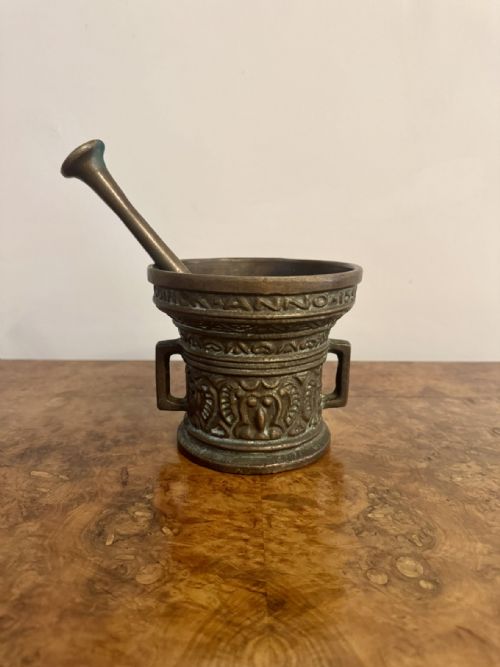
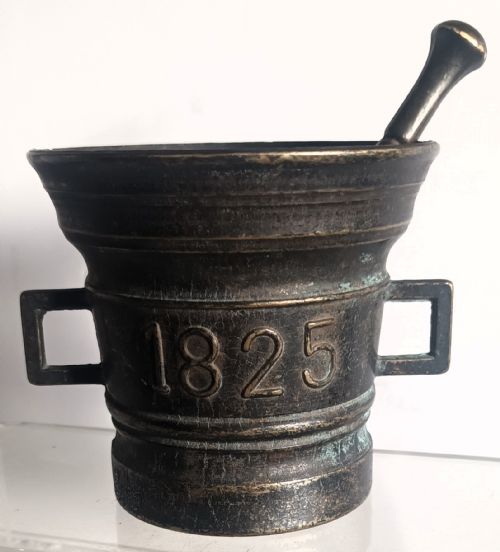
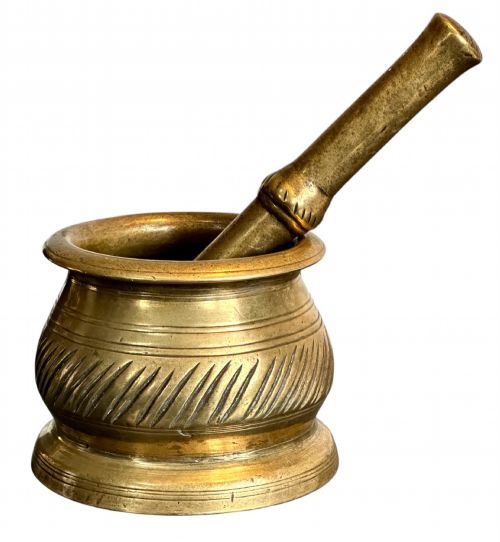
These heavy metal vessels are an antique brass grinder in its various historical forms, offering a tactile connection to centuries of domestic and apothecary preparation.
Antique Brass Grinder
An antique brass grinder typically takes the form of a mortar and pestle, utilised across kitchen, apothecary, and chemist settings. The pieces span from the seventeenth century through the Georgian and Victorian eras, including specific dates around seventeen hundred and eighteen hundred.
The selection ranges from robust seventeenth-century examples featuring Tudor rose motifs to decorated Victorian and Gothic Revival pieces. English origins dominate the listings, alongside Dutch and Indo-Persian variations.
Materials and Casting
The objects are produced from cast brass, bronze, bell metal, and cast bronze. These heavy metal alloys provide the necessary mass and durability required for grinding materials.
Casting techniques define the surface texture and weight of each vessel, yielding thick walls designed to withstand heavy impacts from the corresponding pestle.
Some mortars bear the mark of the Tudor rose, adding a touch of royal botanical branding to your kitchen counter.
Weight and Decoration
Quality rests in the substantial heft of the metal and the clarity of decorative elements such as Tudor rose motifs or Gothic Revival detailing. Pieces with unusual pestles or distinct period patination command greater interest.
The precision of the casting and the proportional balance between the mortar bowl and its pestle separate standard kitchen items from finer apothecary examples.
The Antique Brass Grinder Glossary
- Mortar
- The heavy bowl in which substances are crushed or ground using a pestle.
- Pestle
- The heavy, club-shaped tool used for grinding and mixing materials inside the mortar.
- Bell Metal
- A hard alloy used for casting metalware, known for its resonant qualities and durability.
- Apothecary
- A historical practitioner who prepared and sold medicines, often utilising heavy bronze or brass grinders.
Antique Brass Grinder: Frequently Asked Questions
What were antique brass grinders used for?
These vessels served as essential tools for crushing herbs, spices, and medicinal ingredients in domestic kitchens and chemist shops.
The heavy pestle ground dry and wet substances against the thick walls of the mortar bowl.
How do I date a bronze mortar?
Dating relies on stylistic clues such as Gothic Revival details, Tudor rose stamps, or specific cast patterns characteristic of seventeenth-century or Georgian production.
Material composition, including bell metal versus standard brass, also helps assign items to broad periods like the Victorian era or seventeen hundred.
Are pestles always original to the mortars?
While many sets remain together, some pestles are matched later due to the long working lives of these heavy metal tools.
Listings specifically note unusual pestles or matched duos to help identify original configurations.
How should I clean a brass grinder?
Maintenance generally involves preserving the aged patination that develops on antique metalware over centuries of handling.
Aggressive polishing removes the historical surface character desired by collectors of early kitchen and apothecary equipment.