


19th Century Mortar
A 19th century mortar is a heavy vessel designed for pounding kitchen ingredients or apothecary compounds, prized for its sheer tactile weight and utility.
19th Century Mortar
A 19th century mortar serves as a functional grinding vessel and a heavy utilitarian object originating from domestic kitchens, apothecaries, and trade environments. The selections available encompass kitchenware, chemists' equipment, trade signs, and militaria signal mortars mounted on carriages.
Most examples date firmly to the 19th century, though earlier 18th century pieces and specific periods like the Victorian era and the year 1850 appear regularly. Forms range from compact spice grinders to massive weathered vessels hollowed out from tree trunks.
Origins span English, French Chateau, Chinese Country, and Indian traditions, reflecting diverse domestic and commercial uses. Buyers encounter traditional mortar and pestle sets alongside standalone rustic vessels.
How they were made
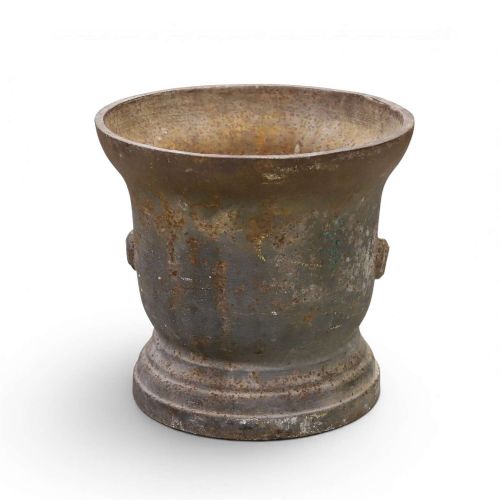
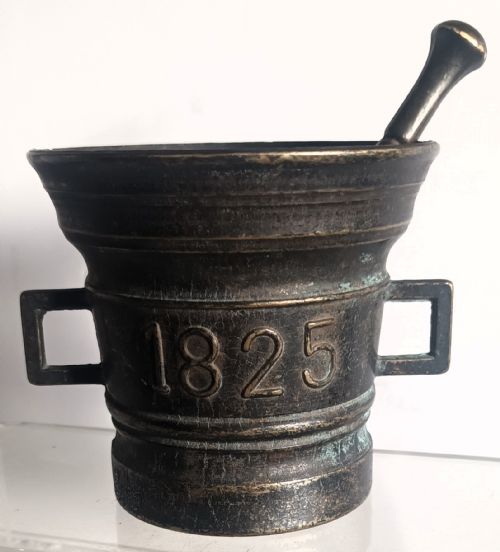
Metal vessels utilise cast iron, brass, bronze, and silver inlay, often cast in heavy moulds to withstand the force of repeated pounding. Bronze and brass examples bring a polished or patinated metallic finish, while cast iron serves both heavy commercial kitchens and military applications.
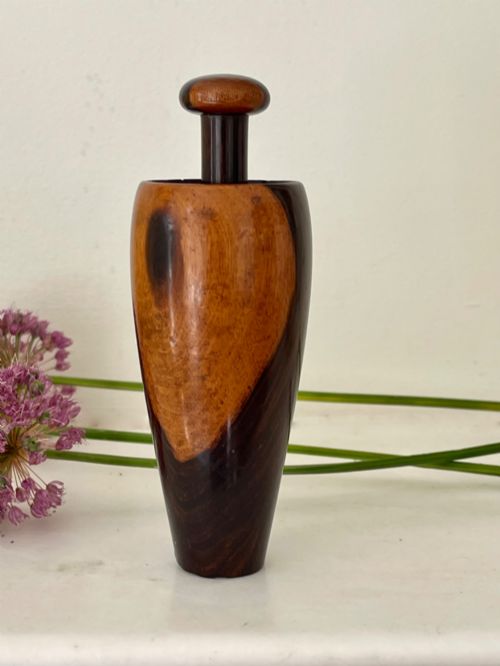
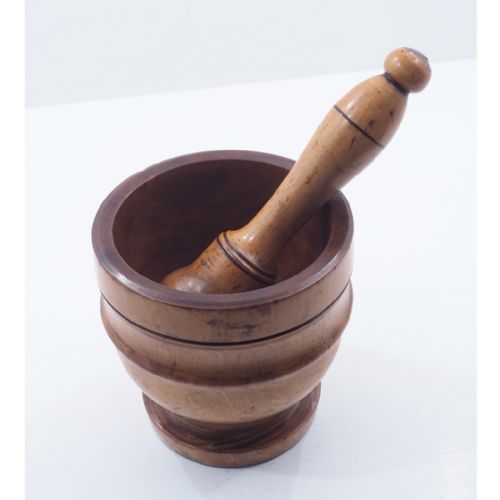
Wooden pieces demonstrate traditional treen turning and hand-carving techniques, utilising dense timbers like oak, elm, walnut, lignum vitae, and hardwood. Artisans hollowed out tree trunks or turned timber on lathes to create durable vessels for spices and snuffs.
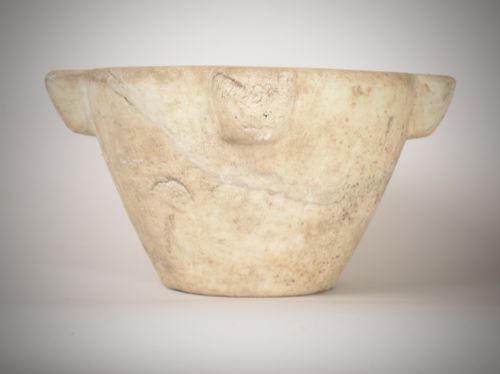
Stone and mineral compositions include marble and hard stone, shaped through monumental masonry skills to provide a dense, non-porous surface. These stone and marble variants offer cool, smooth interiors suited for apothecary and culinary preparation.
Styles represented include Victorian, Georgian, Rustic Country, French Chateau, Chinese Country, and Victorian Commercial.
What varies in quality
The division between everyday utility items and superior examples rests upon the density of the material and the ambition of the form. Heavy cast bronzes with crisp moulding stand apart from simpler utilitarian pieces.
Hand-carved treen and large hollowed tree trunk mortars derive their distinction from the choice of timber, such as dense lignum vitae or figured elm, and the balance of the turning. Scale also dictates standing, with massive proportions commanding greater visual weight in a room.
The 19th Century Mortar Glossary
- Treen
- Small handmade wooden household objects. These items show the turned and carved grain of timbers like oak and elm.
- Apothecary
- A historical practitioner who prepared and sold medicines. Apothecary mortars held compounds for medical use.
- Lignum vitae
- An extremely dense and heavy wood. This timber resists splitting under heavy impact.
- Militaria
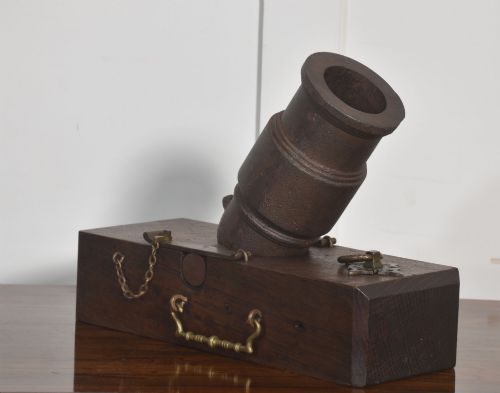
- Relics and equipment connected with armies. Signal mortars mounted on carriages belong to this category.
- Bidri
- Metalwork originating from India featuring dark metal inlaid with silver. These distinctive vessels display intricate contrasting patterns.
19th Century Mortar: Frequently Asked Questions
What were 19th century mortars used for?
These vessels served to crush, grind, and mix dry spices, medical herbs, and chemical compounds in kitchens and apothecaries.
Heavier iron versions also functioned as signal mortars in military contexts, while trade signs advertised the presence of a chemist.
How do I tell brass from bronze mortars?
Bronze typically contains copper and tin, displaying a deeper, warmer golden-brown hue and greater weight. Brass contains copper and zinc, tending towards a brighter, more yellow metallic tone.
Both metals were cast during the period for apothecary and domestic grinding tasks.
How should I clean a metal mortar?
Wipe metal surfaces with a dry or slightly damp cloth to preserve the natural historic patina accumulated over centuries.
Avoid harsh chemical polishes that strip away the aged character valued by collectors.