

Antique Brass Fire Kerb
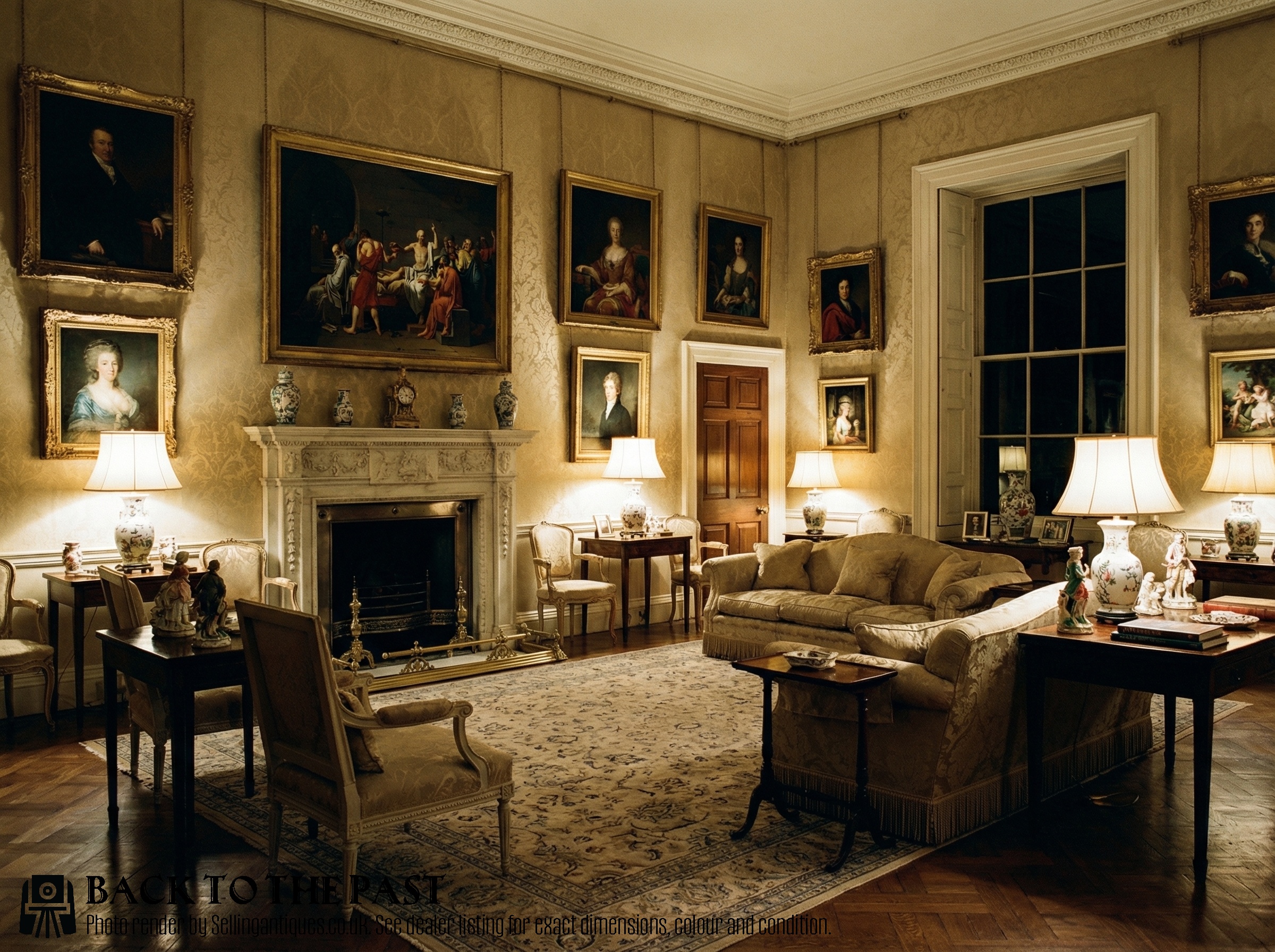
An antique brass fire kerb frames a hearth with functional metalwork that defines the domestic interior of the nineteenth and early twentieth centuries.
Antique Brass Fire Kerb
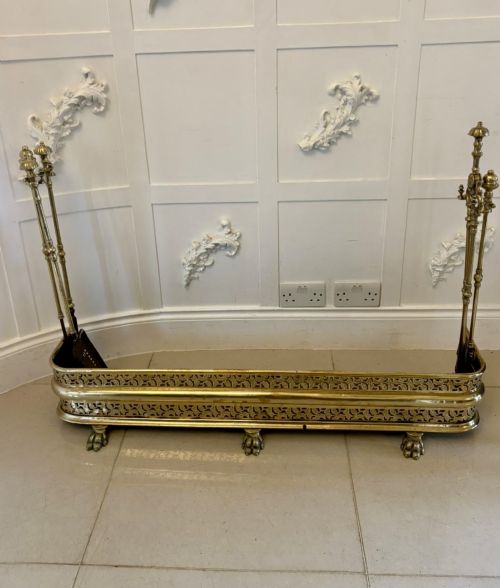
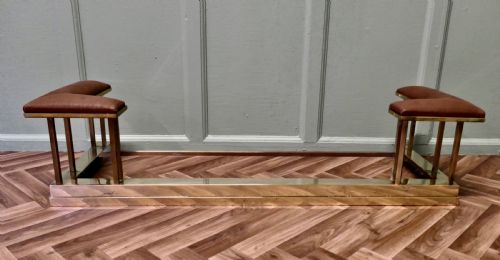
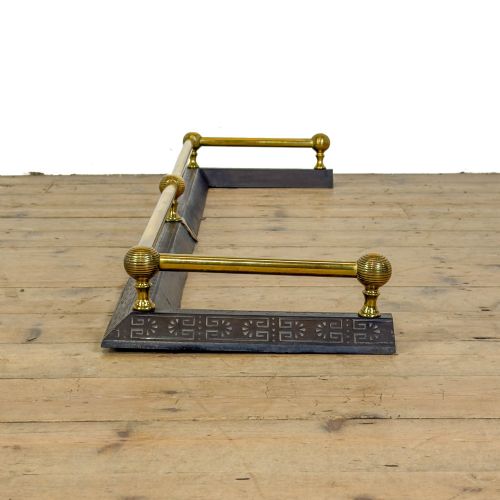
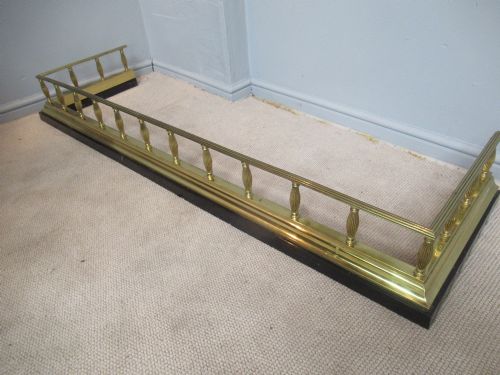
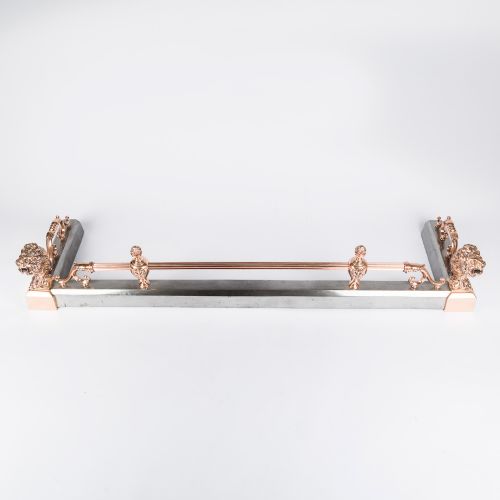
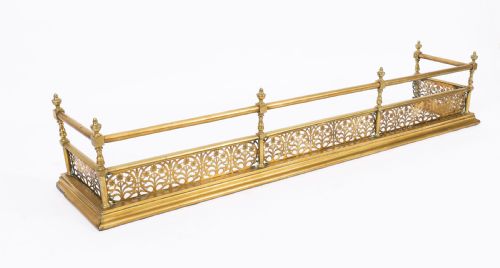
When you search for an antique brass fire kerb, you encounter hearth surrounds designed to keep stray embers within the fireplace while structuring the hearth space. These pieces appear in forms such as fireplace fenders, hearth fenders, and club fenders incorporating leather seating.
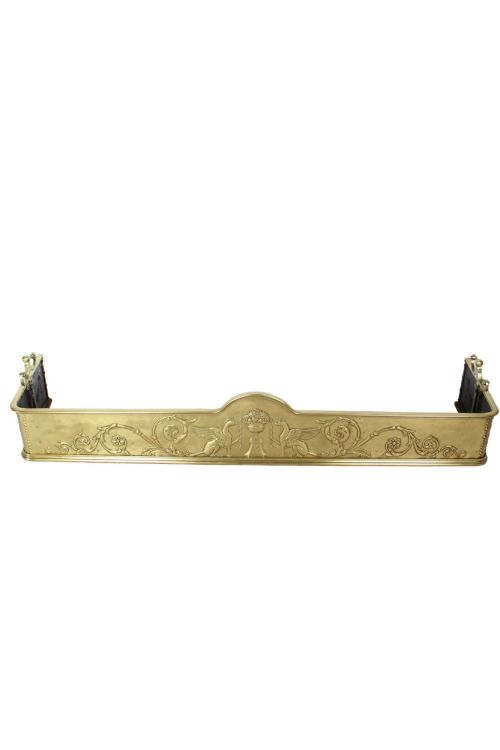
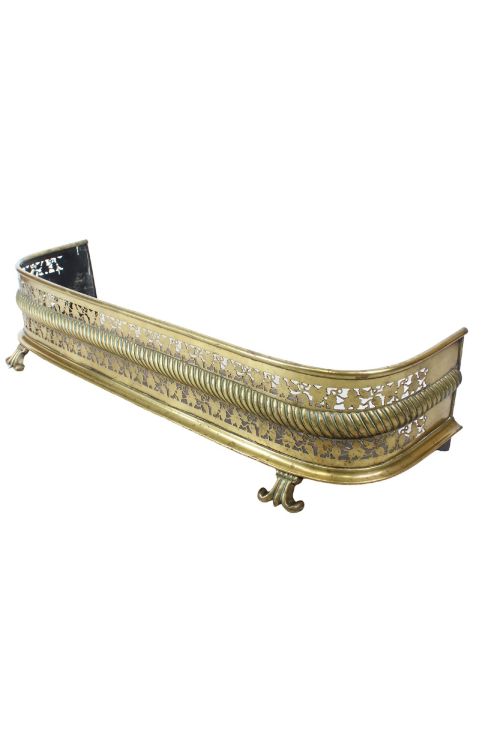
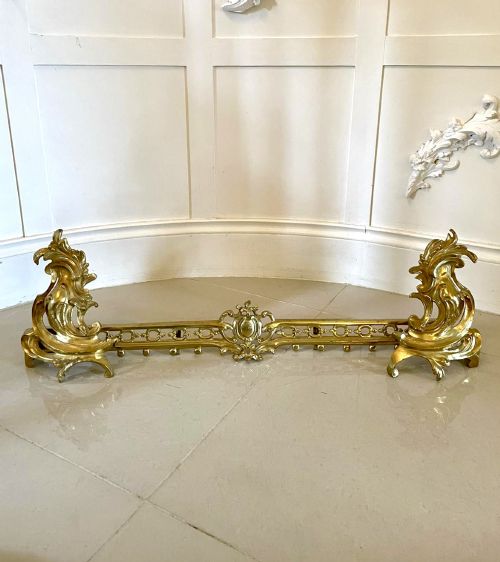
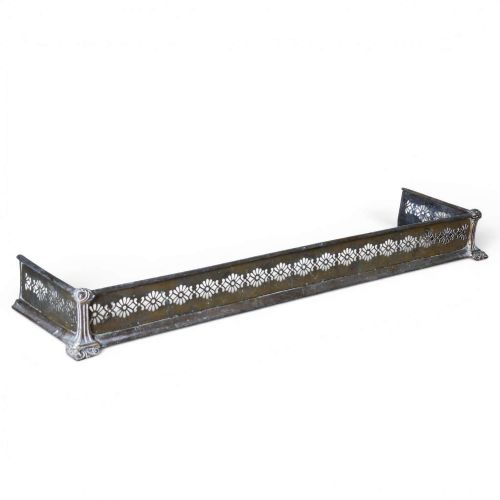
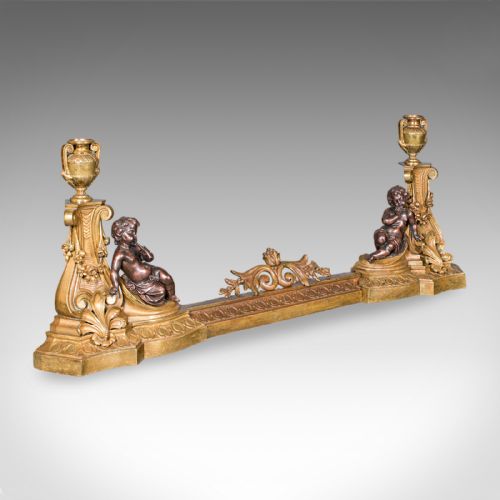
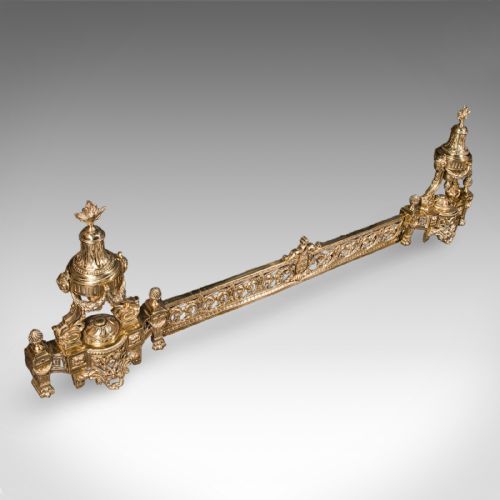
The selection on this page centres primarily on Victorian and Edwardian examples alongside French styles from the nineteenth century. You will find extending designs, pierced galleries, and combinations of brass with iron, steel, bronze, and copper.
How They Were Made
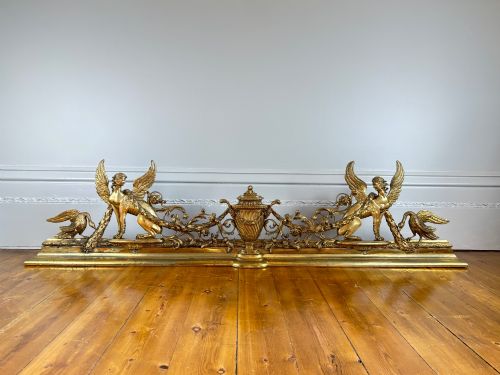
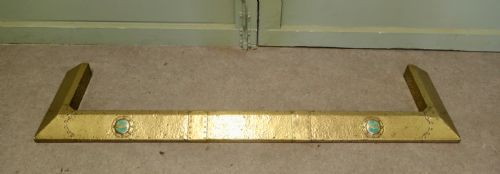
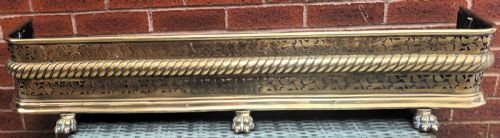
Maker workshops utilised sheet brass, cast brass, and heavy bronze alongside iron and steel frames to construct these hearth surrounds. Pierced decoration, chased detailing, and applied cabochons such as green enamel defined the ornamental work.
Extending mechanisms permitted adjustment to various fireplace widths, while integrated mounts sometimes accommodated fire irons, chenets, or leather-upholstered seats on club variants.
Listings feature materials including brass, iron, steel, gilt bronze, and copper across periods from the 1850s to the 1920s.
What Varies in Quality
The standard of metal casting and the thickness of the brass or bronze separate heavier, more substantial hearth surrounds from lighter commercial productions. Crispness in pierced galleries and detailed ornamentation indicate greater workshop skill.
Original components such as matching fire irons, integrated leather upholstery on club fenders, and well-engineered extending mechanisms elevate the integrity of a piece.
E F Caldwell New York
The Antique Brass Fire Kerb Glossary
- Fire kerb
- A metal barrier placed on the floor around a hearth to contain ashes and embers. It serves as the primary boundary between an open fire and the room.
- Club fender
- A hearth surround featuring low upholstered leather seats on either side. These originated to provide comfortable seating close to the fire.
- Pierced brass
- Sheet metal perforated with decorative patterns such as lattices or foliage. This technique lightens the visual weight of the surround.
- Chenet
- An alternative term for an andiron used within the hearth. These often accompany fire fenders in French configurations.
Antique Brass Fire Kerb: Frequently Asked Questions
How do I measure for a fire kerb?
Measure the width and depth of your hearth stone to ensure the kerb sits securely within the perimeter. Account for clearance around the fireplace opening and any projecting hearth edges.
Note that extending models offer flexibility if your hearth width falls between standard dimensions. Check whether the internal or external measurements are recorded in the listing.
What is the difference between a fender and a kerb?
The terms are largely interchangeable in antique descriptions, both referring to the low metal barrier enclosing a fireplace hearth. Some regional variations or older listings favour one term over the other.
Both protect flooring from sparks and define the hearth area. Their construction methods and materials remain identical across both designations.
Can these kerbs be adjusted for size?
Many nineteenth and twentieth-century examples feature extending frames designed to fit varying fireplace widths. This adjustability allowed makers to supply adaptable furnishings for different rooms.
Inspect the sliding mechanism in the description to confirm whether a piece is fixed or adjustable. Fixed models require precise measurement before acquisition.
How do I care for antique brass?
Maintain the surface with a soft dry cloth to remove dust and preserve the natural patination acquired over decades. Avoid harsh chemical cleaners that strip the historic finish.
Unlacquered brass develops a deeper tone through handling and age. Occasional gentle polishing maintains the highlight details without removing the character.