

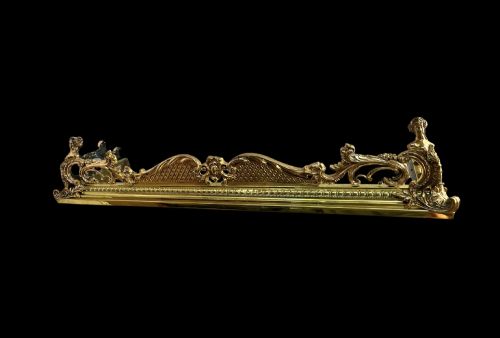
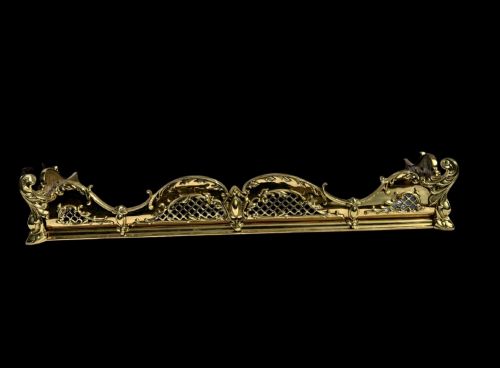


Ornate Fireplace Fender
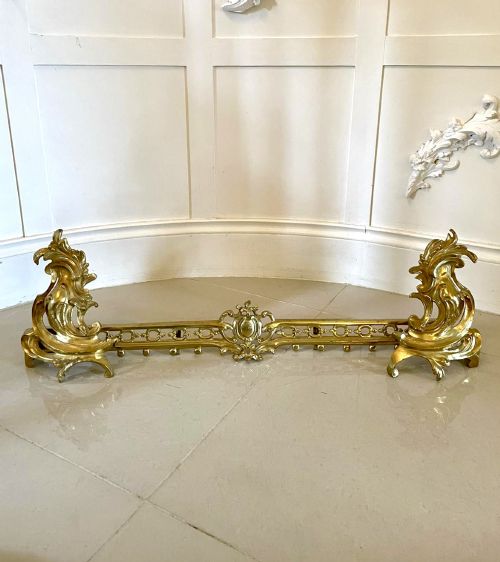
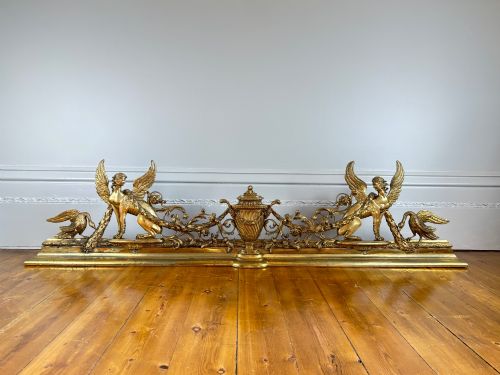
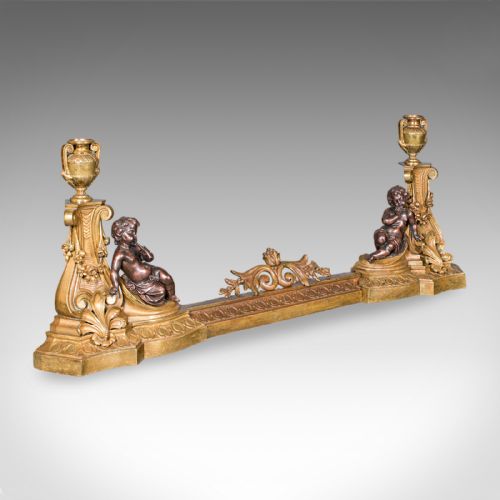
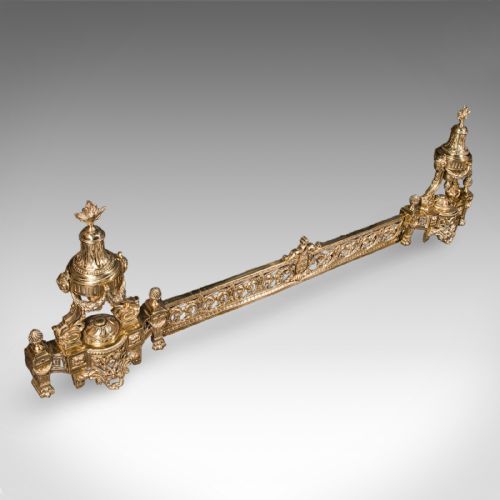
An ornate fireplace fender frames the hearth, combining heavy cast iron, gleaming brass and intricate gilt bronze to anchor the room.
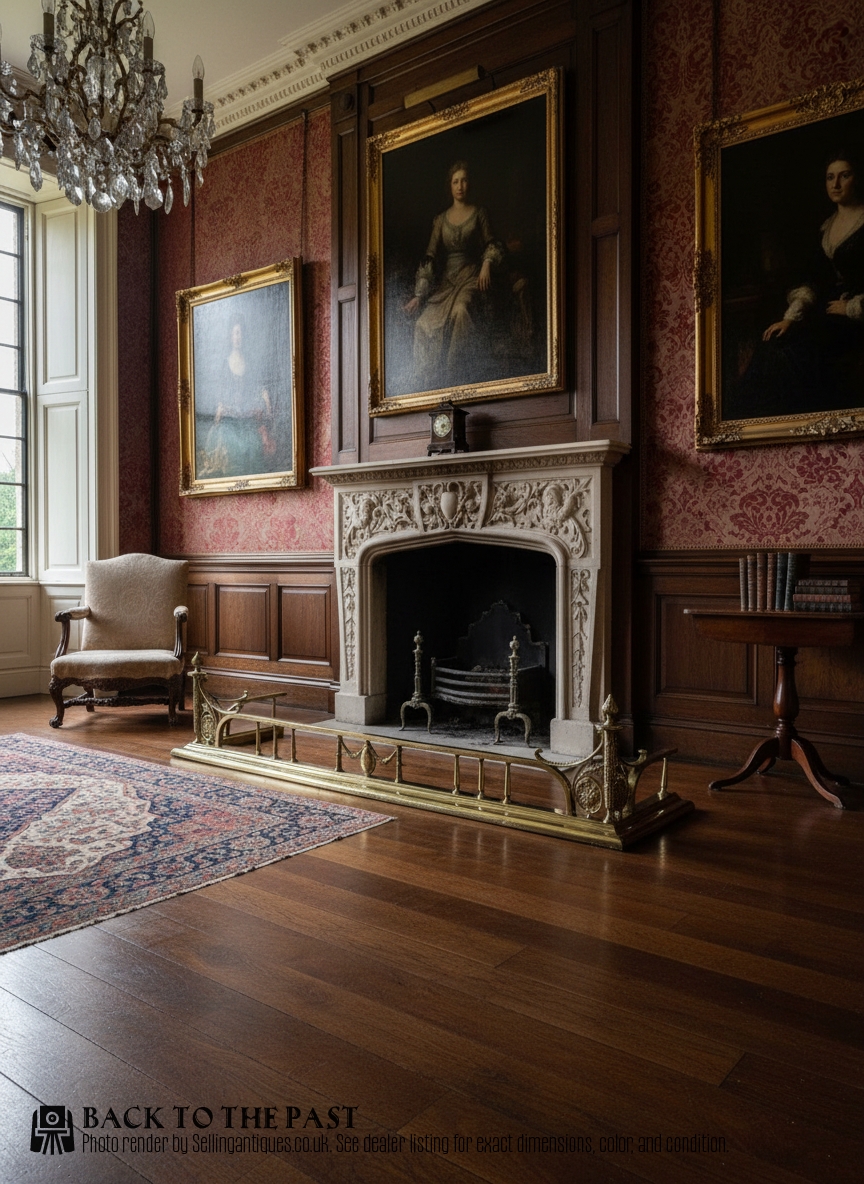
Ornate Fireplace Fender
An ornate fireplace fender creates a formal boundary around the hearth, protecting the room from stray embers while defining the fireplace centrepiece. When searching for an ornate fireplace fender, buyers encounter hearth fenders, fire kerbs and fireplace accessories primarily from the Victorian period, the nineteenth century and the Georgian era.
How they were made
Foundry work combined cast iron, heavy brass and steel to form the structural foundations of these hearth surrounds. Metalworkers utilised casting, forging and structural joining to build extending mechanisms and solid kerbs.
Decorative surfaces relied on ormolu, gilt bronze, gilded brass and copper elements applied to the primary metal framework. Artisans chased and polished the metalwork to produce high-relief ornamentation including garlands and rococo scrollwork.
Some nineteenth-century makers hid extension mechanisms so cleverly that guests spent the entire evening wondering if the hearth had magically shrunk.
What varies in quality
Substance and weight separate robust hearth furniture from lighter production, as heavier brass and thick cast iron provide durability and stability on the floor. Superior examples demonstrate substantial metal gauge and thick sidewalls rather than thin pressed sheet metal.
Finishing detail distinguishes standard utilitarian guards from high decorative commissions, visible in the crispness of cast garlands and the depth of gilt bronze or ormolu channelling. The complexity of the assembly, such as smooth extending mechanisms and integrated chenets, indicates superior workshop execution.
E F Caldwell New York
The Ornate Fireplace Fender Glossary
- Fender
- A low metal guard placed around the hearth to keep burning coals and ash contained within the fireplace footprint. These barriers range from simple rails to heavily decorated architectural surrounds.
- Ormolu
- Finely ground high-carat gold applied to a bronze base through a mercury amalgamation process, or later via electroplating. This technique creates a rich golden lustre on decorative mounts.
- Chenet
- French fire dog or iron support placed within the hearth to hold logs, frequently matched stylistically with an associated fender. Paired chenets often anchor the ends of adjustable or architectural fire surrounds.
- Fire kerb
- An alternative term for a hearth fender, denoting a low stone or metal border containing the fireplace area. They served to mark the perimeter of the hearth rug and prevent rolling embers.
- Rococo
- An exuberant decorative style characterised by asymmetrical scrolls, shell motifs and naturalistic curves popular during the eighteenth century and revived in the nineteenth century. This ornamentation dominates many French and English hearth surrounds.
Ornate Fireplace Fender: Frequently Asked Questions
How do adjustable fenders work?
Adjustable models feature sliding inner sections that telescope within a fixed outer frame to fit varying hearth widths.
This mechanism allows a single fender to adapt to different fireplace openings while maintaining a secure fit against the chimney breast.
What is the difference between brass and ormolu?
Brass is an alloy of copper and zinc used for the structural body of many fenders, offering a warm golden metallic tone when polished. Ormolu refers specifically to gilded bronze ornamentation applied to the surface for high-status decorative detail.
While solid brass provides the heavy frame, gilt bronze and ormolu introduce fine surface highlights and richer colour variation.
How do I clean an antique metal fender?
Dust the metal surfaces regularly with a soft dry cloth to prevent soot and ash accumulation from settling into crevices. Avoid abrasive metal polishes on gilt bronze or ormolu parts, as harsh chemicals strip the historic gilding.
Gentle cleaning preserves the original patina and protects delicate chased details from wear.
Can these fenders be used with modern fires?
These historical surrounds suit gas flame effect hearths and decorative displays just as well as original coal grates. Buyers should measure the hearth clearance carefully to ensure the metal frame sits safely clear of intense direct heat sources.
Placing the fender correctly protects flooring from stray sparks regardless of the fuel type used behind it.