




Antique Brass Coal Vessel
An antique brass coal vessel brings honest hearthside utility into a room, combining solid metalwork with practical warmth.
Antique Brass Coal Vessel
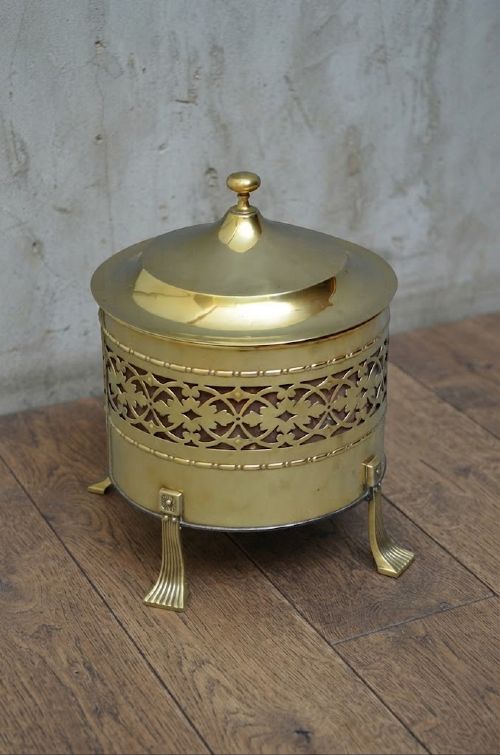
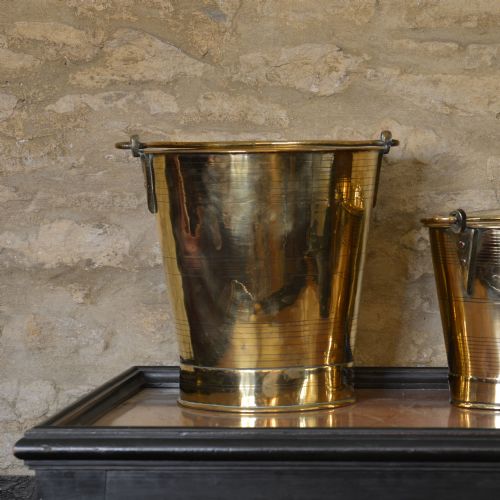
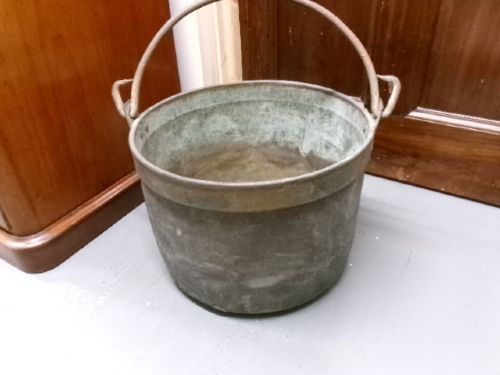
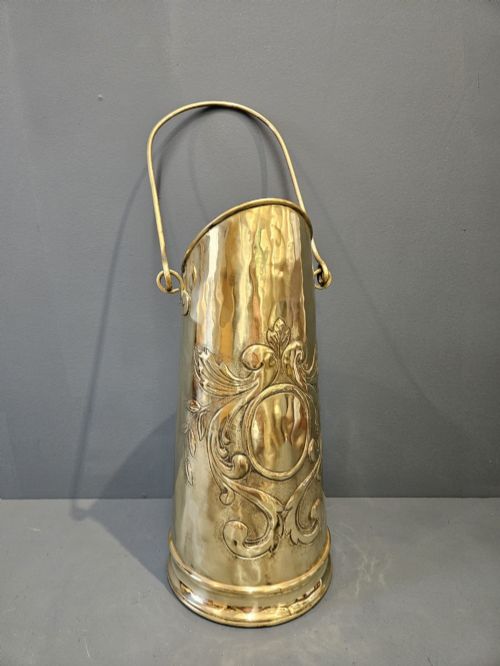
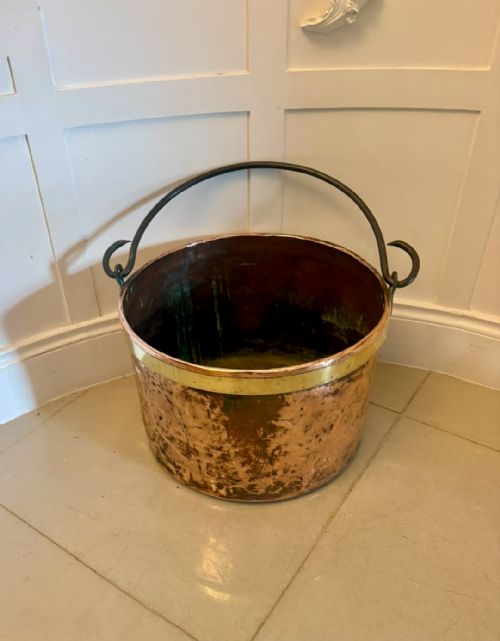
An antique brass coal vessel serves as a robust container for hearth fuel, taking the form of buckets, scuttles, cauldrons, and bins. You will frequently find Victorian and Edwardian examples shaped for domestic service beside the fireplace.
These hearth accessories range from straightforward cylindrical buckets to helmet-shaped scuttles and handled cauldrons designed to hold coal, logs, or peat. Many double as planters or jardinieres when retired from active fireside duty.
Originating largely from British workshops and continental makers, the pieces span the nineteenth century into the early twentieth, reflecting changing domestic fashions across Georgian, Victorian, and Arts and Crafts periods.
Materials and construction methods
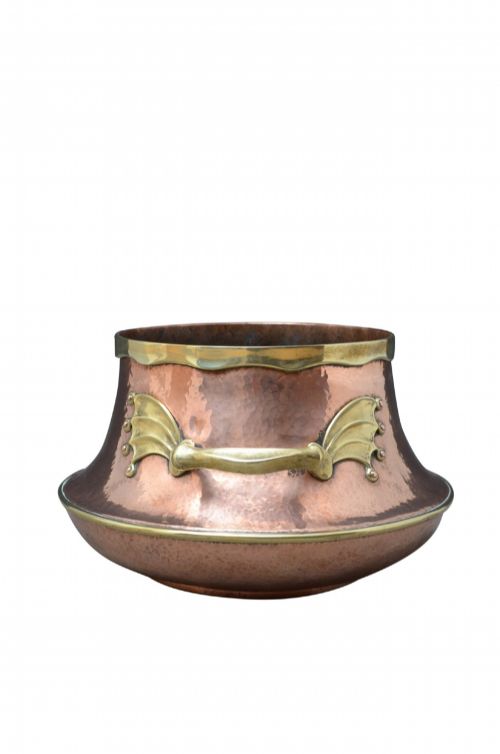
Makers utilised heavy gauge brass and copper sheets, often combining both metals in a single vessel to create contrast between body and rim, handle mounts, or feet. Riveting and hand-beating formed the primary structural techniques for joining metal panels.
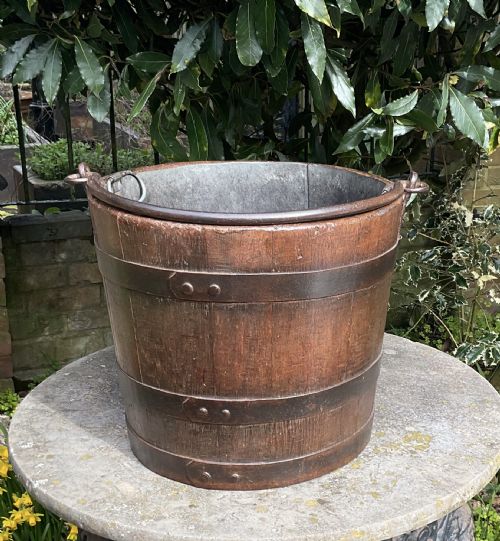
Coopered construction appears frequently alongside sheet metal, utilising staves of oak, mahogany, or ebonised wood bound with brass hoops and lined with zinc to retain moisture and fuel debris.
Surface ornamentation relied on hand-hammering, fretwork cutouts, and repoussé work, characteristic of Arts and Crafts and Art Nouveau ideals applied to everyday utilitarian objects.
Listings feature oak, mahogany, and ebonised wood alongside brass and copper, demonstrating diverse nineteenth-century manufacturing traditions.
Judging construction and design
Quality rests in the weight of the metal and the integrity of the joinery, whether hand-riveted seams or tight coopered staves that demonstrate skilled carpentry. Thicker brass panels resist denting and maintain structural rigidity under heavy loads of coal.
Design ambition separates standard utility pieces from exceptional examples, seen in crisp Art Nouveau embossing, balanced swing handles with secure mounts, and signed maker work that elevates a simple bin to decorative art.
Benham and Froud·William Soutter and Sons
The Antique Brass Coal Vessel Glossary
- Cauldron
- A round, deep metal pot typically fitted with a swing handle and resting on small feet. These vessels were utilised for holding solid fuel near the hearth.
- Coopered
- Built from vertical wooden staves held together by tight metal hoops, much like a barrel. This technique provided sturdy waterproof containment for fuel or water.
- Dinanderie
- The medieval art of working brass and copper into decorative and utilitarian objects, later applied to twentieth-century vessels with hammered surface finishes.
- Helmet scuttle
- A coal container featuring a flared, sloping rim resembling a helmet, designed to pour fuel accurately onto the fire.
- Repoussé
- A metalworking technique where the design is hammered into relief from the reverse side. This creates textured surface patterns found on Arts and Crafts vessels.
Antique Brass Coal Vessel: Frequently Asked Questions
What is a coal vessel?
A coal vessel is a heavy-duty container designed to store and transport solid fuel such as coal, logs, or peat to an open fireplace.
They were essential household items kept near the hearth for daily stoking and fire maintenance.
How do I clean brass and copper?
Maintenance typically involves gentle dusting and occasional cleaning with a mild metal polish to remove tarnish while preserving the historic patina.
Overzealous scrubbing can strip away the aged surface character that collectors value on nineteenth-century metalwork.
Can I use these vessels outdoors?
Many of these containers function successfully as plant holders or jardinieres in gardens and conservatories once retired from fireplace duty.
Zinc liners help protect the original wooden or metal structures from moisture damage during plant use.
How do I date an antique coal bucket?
Dating relies on identifying manufacturing techniques, such as hand-beating versus machine rolling, alongside distinct stylistic markers from Victorian, Arts and Crafts, or Art Nouveau periods.
Maker stamps and material combinations also provide reliable clues to the decade of manufacture.