
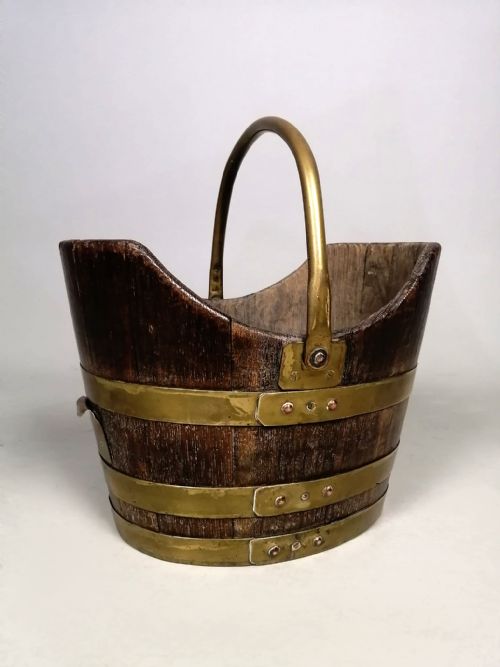


Traditional Fireside Bucket
A traditional fireside bucket brings functional metalwork and coopered timber into the hearth, holding solid fuel while grounding the room with period character.
Traditional Fireside Bucket
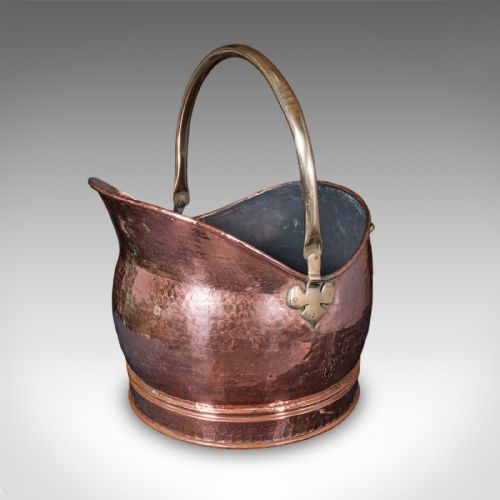
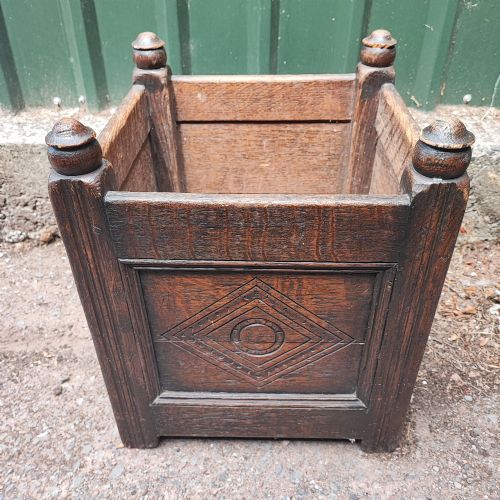
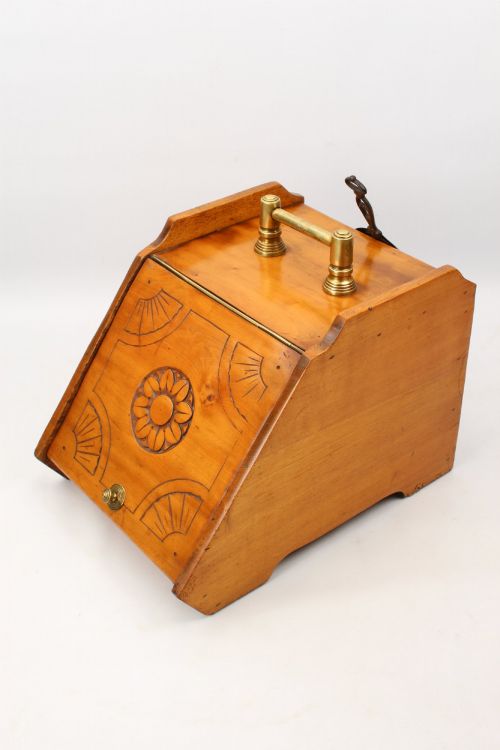
When you search for a traditional fireside bucket, you encounter utilitarian hearth containers designed to store coal, logs, or peat beside an open fire. The selection ranges widely across forms, including helmet-shaped scuttles, cylindrical log bins, and coopered timber buckets.
Materials and construction methods
Metal vessels rely on sheet copper and brass, frequently joined with hand-beaten seams and reinforced with sturdy iron or brass bands. Handles and feet are attached with heavy rivets, ensuring the structure withstands the daily hauling of fuel.
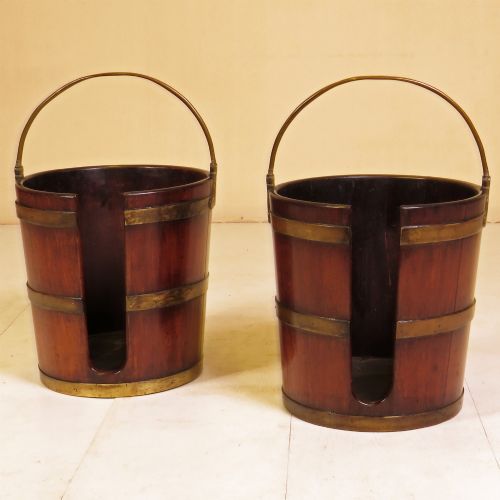
Wooden examples utilise traditional cooperage techniques, binding staves of oak, mahogany, elm, or fruitwood together with tight metal hoops. These timber bins often feature hand-finished surfaces that highlight the natural grain of the wood.
Several buckets have lived dual lives, doubling as garden planters or waste bins once the coal fire went out.
Distinguishing quality across the range
Quality rests in the weight of the metal and the integrity of the construction, distinguishing solid hand-finished items from lighter mass-produced alternatives. Heavy-gauge copper and thick brass retain their structural rigidity through centuries of use.
Refinement in surface detail also separates the ordinary from the exceptional, visible in crisp hand-beaten finishing, original brass bands, and untouched patination. The presence of matching shovels or intact coopered staves elevates the integrity of the piece.
The Traditional Fireside Bucket Glossary
- Coopered
- Constructed from wooden staves fitted together side by side and bound by exterior metal hoops. This traditional technique provides water-tight and durable vessels.
- Helmet scuttle
- A coal container featuring a flared rim resembling a classical helmet, designed for pouring fuel cleanly. These typically include a fixed rear handle and a swinging top bail.
- Log bin
- A large cylindrical or oval container used primarily for storing firewood beside the hearth. They appear in both metal and heavy timber constructions.
- Plate bucket
- A deep cylindrical wooden vessel originally intended for carrying dining plates but frequently repurposed as a fireside store. They showcase fine cabinet timbers like mahogany.
- Patina
- The surface sheen and colour developed by metal and wood through age and handling. Untouched patination marks genuine period age.
Traditional Fireside Bucket: Frequently Asked Questions
How do I clean an antique copper bucket?
Maintenance requires nothing more than a soft cloth to remove dust, preserving the dark natural patination that collectors value. Avoid aggressive metal polishes that strip away the aged surface.
Applying a light coat of microcrystalline wax can protect the metal from further oxidation without altering its historic appearance.
Can I still use these buckets for real fires?
Most metal and coopered timber buckets remain structurally sound enough to hold logs or coal beside a modern fireplace. Metal scuttles handle dry fuel easily, though damp coal should be avoided to prevent interior corrosion.
Wooden bins function best when lined or used strictly for dry kindling and firewood storage.
How can I tell a Georgian bucket from a Victorian one?
Georgian pieces often display refined cabinet timbers like mahogany or heavy brass banding associated with early domestic utility. They frequently present simpler, more architectural lines.
Victorian examples lean towards stamped brass ornaments, helmet shapes, and bright copper finishes suited to industrial-era metalworking techniques.