

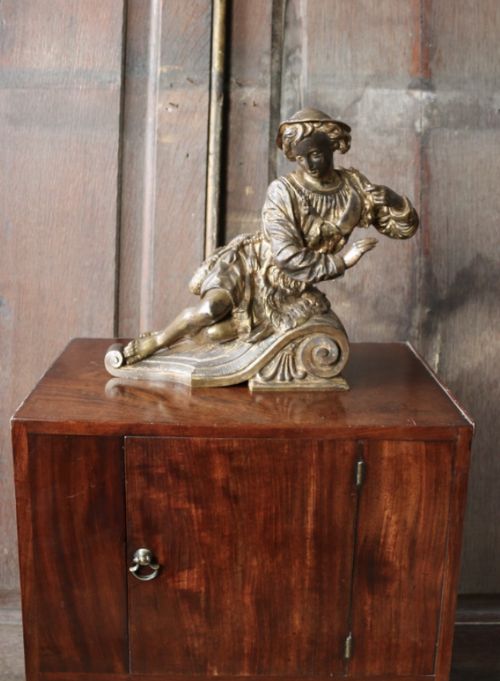


Antique Brass Chenets
Antique brass chenets are the decorative firedogs and fire tool rests that anchor a hearth, bringing sculptural form and warmth to a fireplace.
Antique Brass Chenets
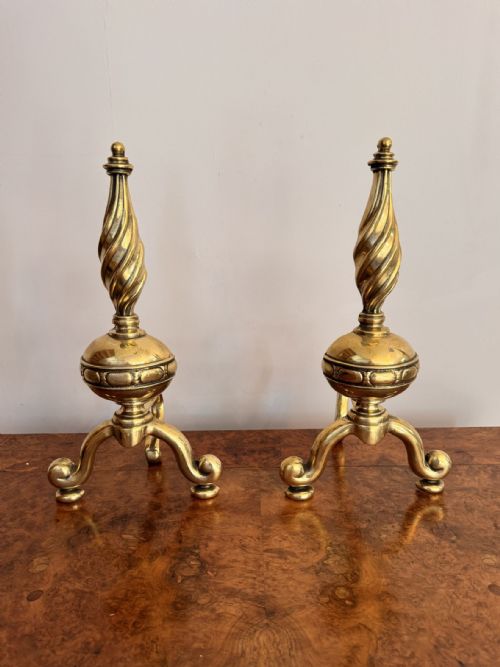
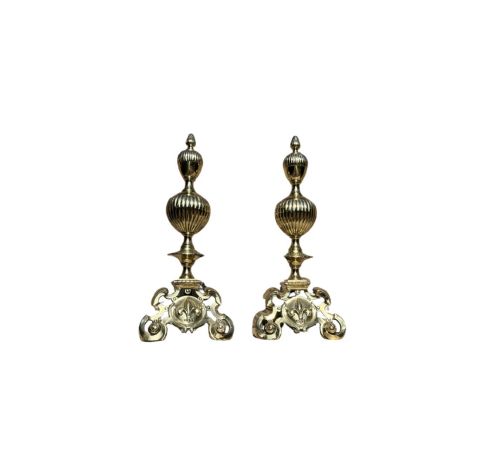
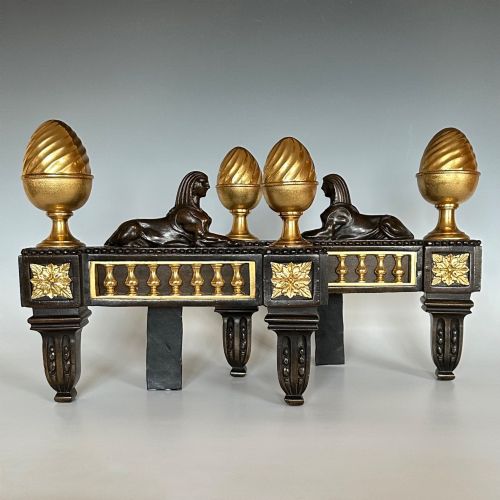
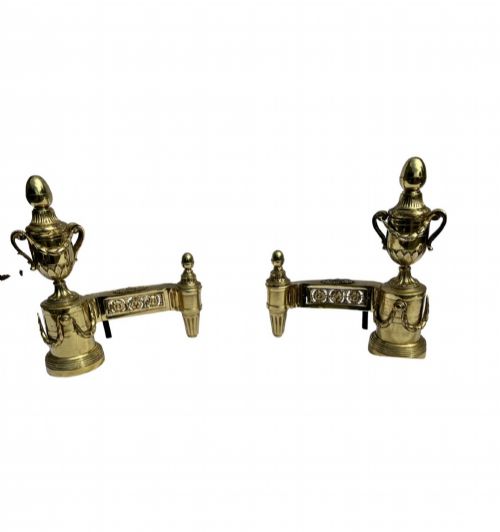
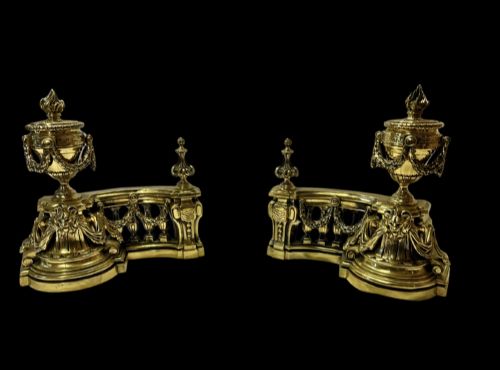
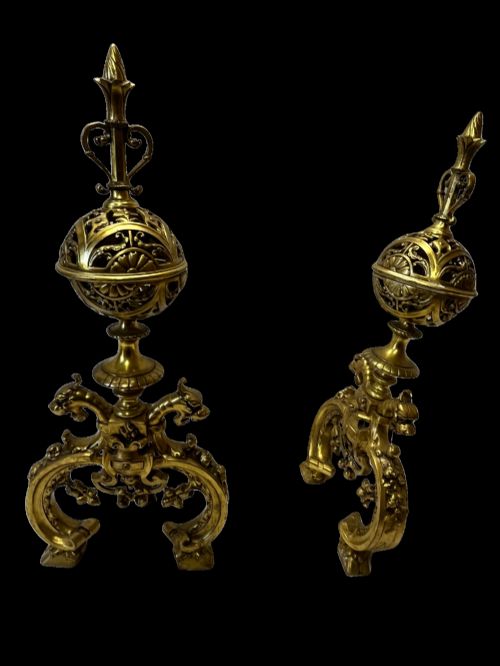
When you search for antique brass chenets, you encounter heavy hearth furniture designed to support logs above the hearth floor. These pieces frequently appear paired as fire dogs, andirons, or chenets, originating largely from nineteenth-century English and French workshops.
The selection ranges from robust Victorian brass fire dogs to ornate French Rococo and Regency ormolu-mounted examples. You also find seventeenth-century revival styles and Georgian pieces, often featuring adjustable widths for varying hearth sizes.
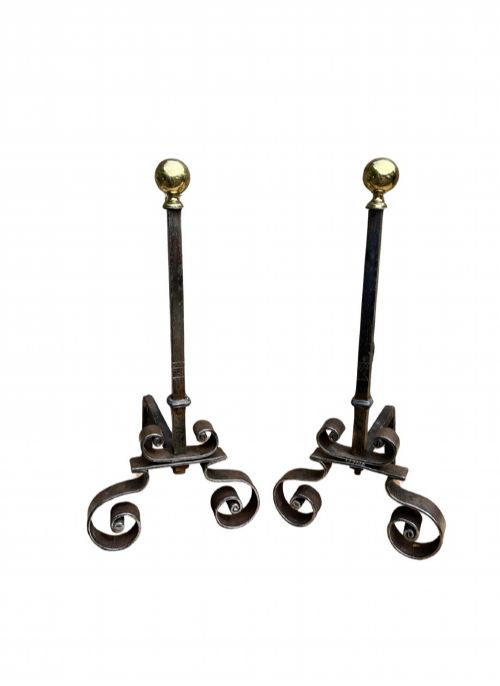
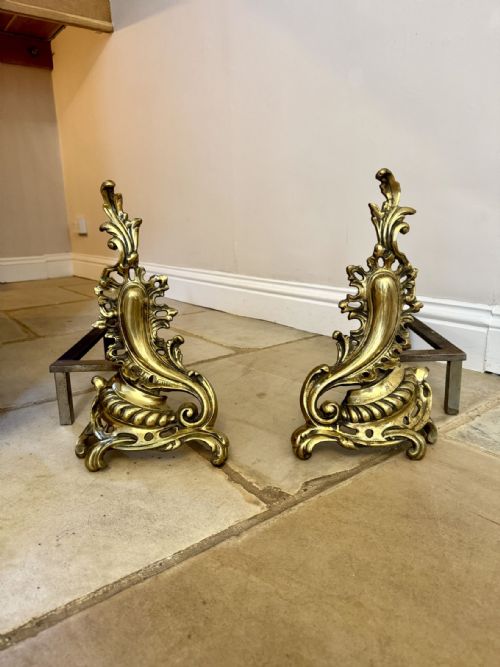
French models often display elaborate casting with cherubs, scrolls, and parcel gilt finishes, whereas English pieces lean towards sturdy cast brass and iron construction. They serve both a practical role in holding fuel and a purely decorative function within the fireplace setting.
Materials and construction methods
Foundry workers utilised a combination of cast brass, wrought iron, and bronze to construct these heavy hearth supports. Iron provided the structural strength and internal bars needed to bear the weight of burning logs, while brass and bronze formed the visible decorative facades.
Gilding techniques such as ormolu and parcel gilt added bright golden surfaces to bronze and brass components. Makers employed sand casting and lost-wax methods to achieve intricate detailing on rococo scrolls and figural statuettes.
Materials recorded across the inventory include cast brass, wrought iron, ormolu, gilt bronze, and parcel gilt bronze.
Distinctions in quality and finish
The standard of a pair rests primarily on the crispness of the metal casting and the depth of the chased surface detail. Superior examples show sharp relief in rococo scrollwork and figures without the softening that indicates worn moulds.
Weight and material integrity also separate basic items from finer ones, with heavier cast brass and genuine fire-gilt ormolu commanding attention. The integration of functional elements, such as smoothly operating adjustable widths, points to careful manufacturing.
James Cartland & Son
The Antique Brass Chenets Glossary
- Chenet
- A French term for an andiron or firedog placed on a hearth to support burning wood. These pieces often feature ornamental fronts paired with iron billet bars extending backward.
- Ormolu
- Finely ground high-carat gold applied to a bronze or brass object through a mercury amalgam process. This technique creates a durable, rich golden finish seen on French hearth furniture.
- Firedog
- A support made of metal used to hold logs in an open fireplace. They typically consist of a decorative vertical front standing on legs with a horizontal bar behind.
- Andiron
- An alternative name for firedogs used in pairs on either side of a hearth. They elevate firewood to allow air circulation beneath the logs.
- Parcel Gilt
- A decorative treatment where only specific portions of an object are covered in gold leaf or gilt. This method highlights particular motifs like cherubs or foliage against a darker bronze background.
Antique Brass Chenets: Frequently Asked Questions
What is the difference between chenets and andirons?
Chenets and andirons are essentially the same functional hearth furniture, with 'chenet' being the preferred French term and 'andiron' used more commonly in English contexts. Both sit at the front of a fireplace to hold logs and support tool rests.
French chenets frequently display more extravagant rococo or baroque ornamentation, whereas English andirons often emphasise sturdy brass and iron construction for everyday utility.
How do I measure my hearth for chenets?
Measure the width and depth of your fireplace opening to ensure the horizontal iron bars of the chenets fit comfortably inside the grate area. Consider the scale of the decorative front relative to the overall mantelpiece.
Some nineteenth-century examples feature adjustable widths, allowing you to adapt the spacing between the pair to suit different hearth dimensions and log sizes.
Can antique brass chenets be used with modern fires?
These pieces were built from robust materials like cast brass, bronze, and iron to withstand intense hearth heat. Many pairs remain entirely suitable for supporting logs in active open fireplaces.
For gas or electric grates, they function primarily as decorative front guards, framing the hearth without bearing the weight of actual wood fuel.
How do I identify French Rococo revival styles?
French Rococo revival pieces, popular during the nineteenth century, are distinguished by asymmetrical scrollwork, C-scrolls, and naturalistic shell or floral motifs. They often incorporate ormolu finishes and figural elements such as cherubs.
Makers working in this style looked back to Louis XV designs, creating heavily cast and ornate brass or bronze assemblies for formal drawing-room hearths.