
Antique Brass Candlestick Lamp
These antique brass candlestick lamps bring warm, focused light and structural weight to a room, trading modern uniformity for the heft of solid metal.
What They Are
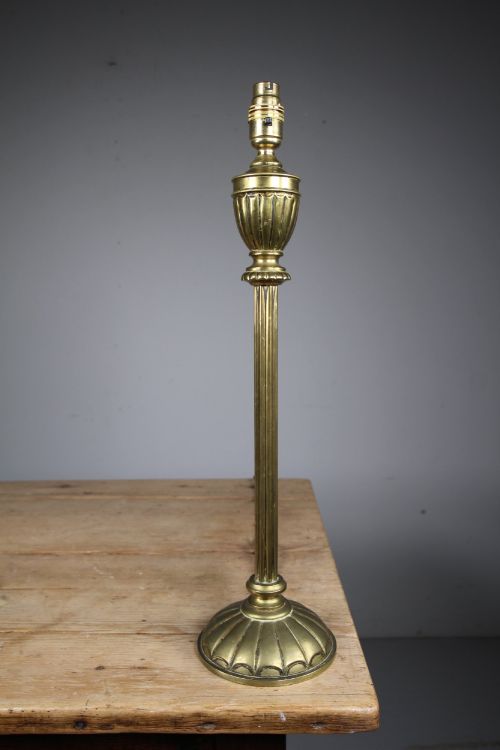
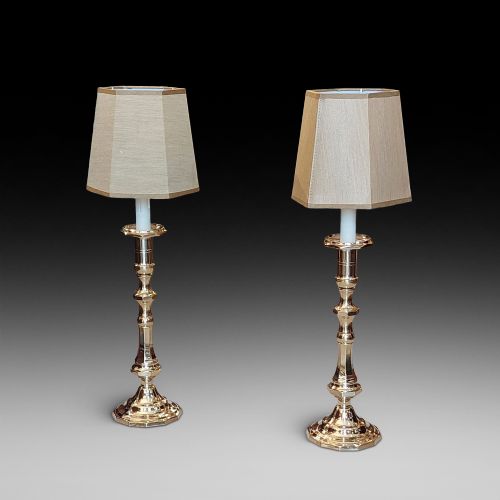
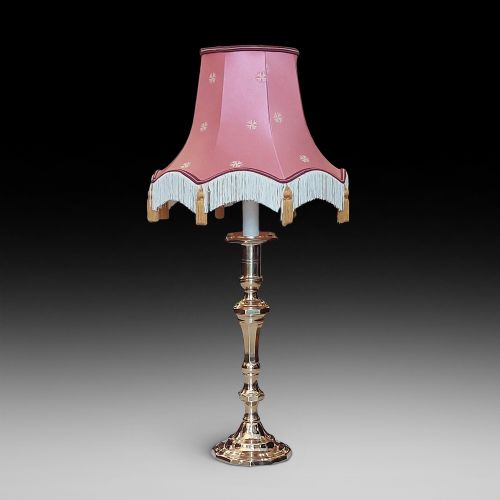
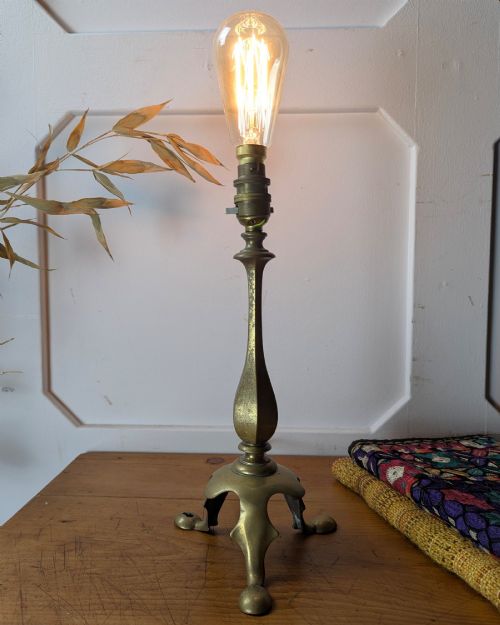
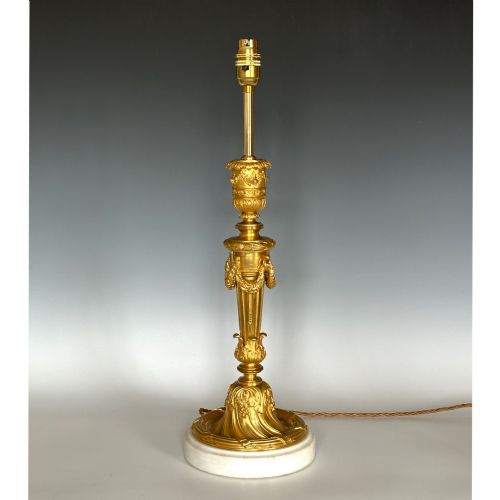
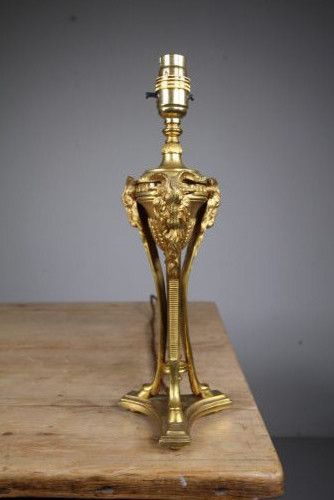
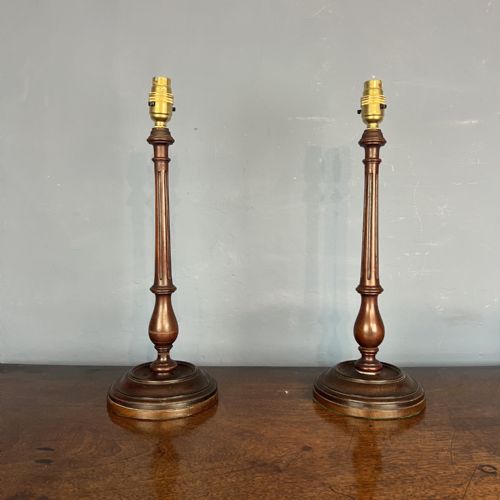
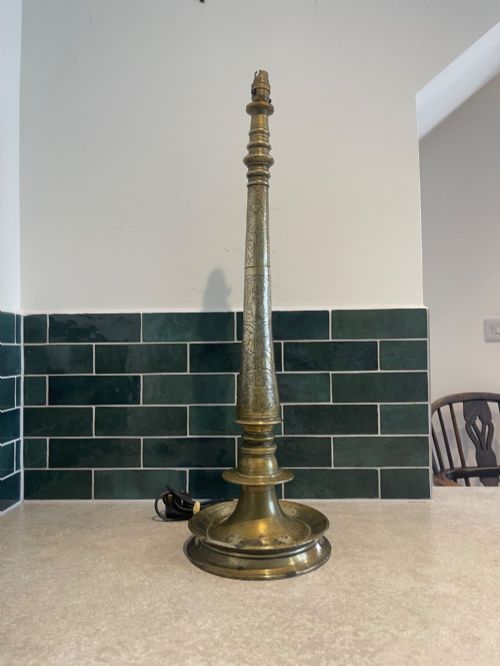
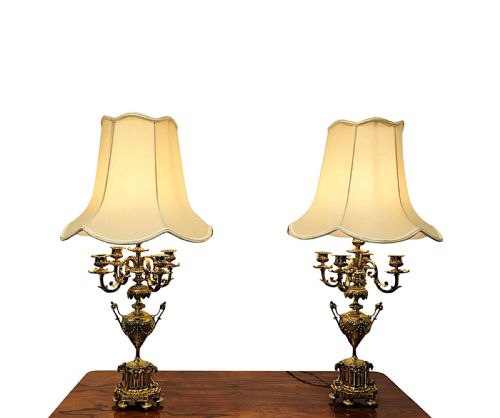
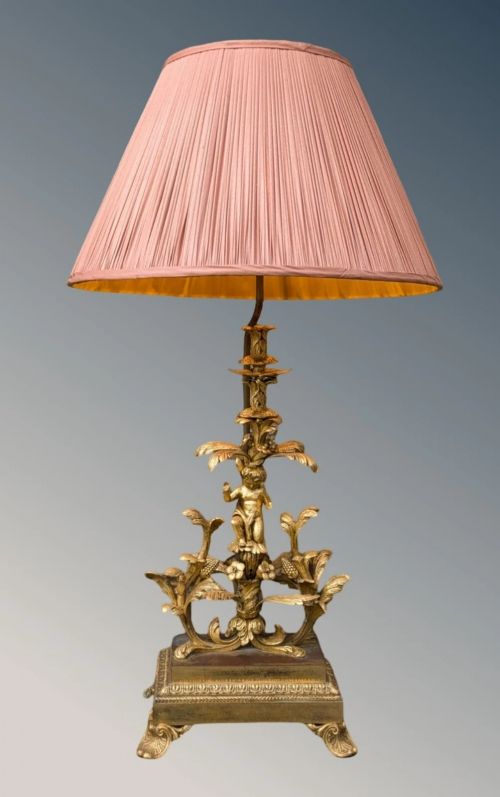
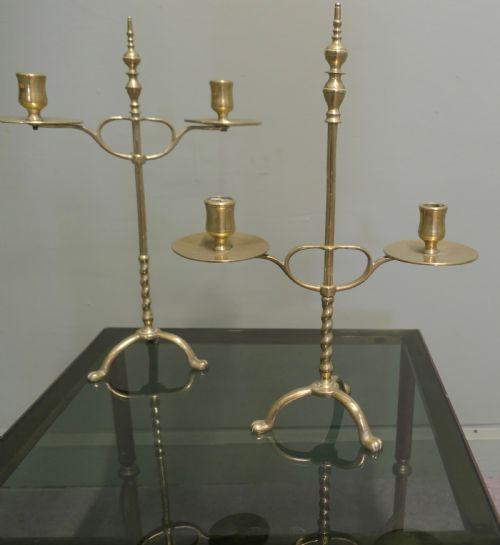
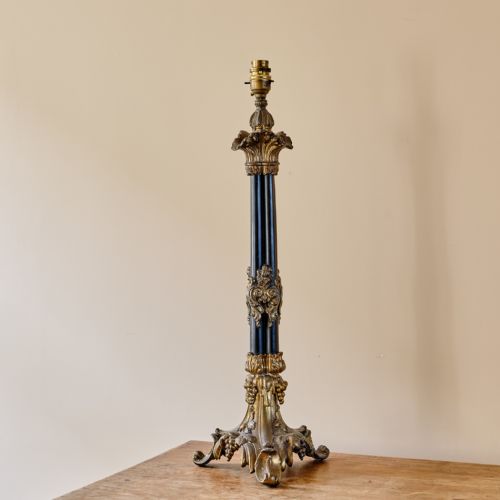
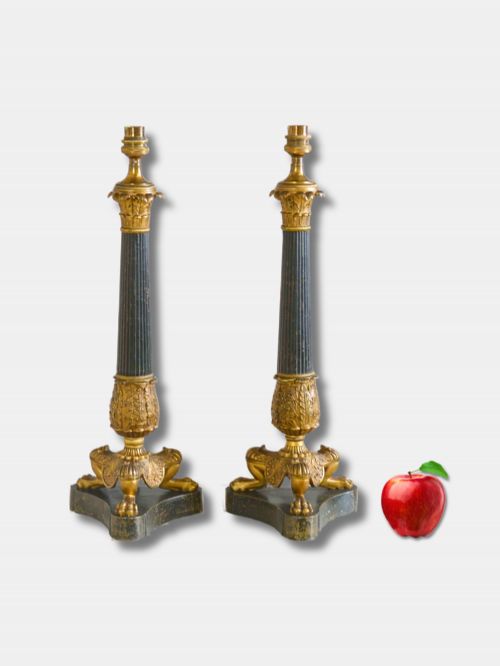
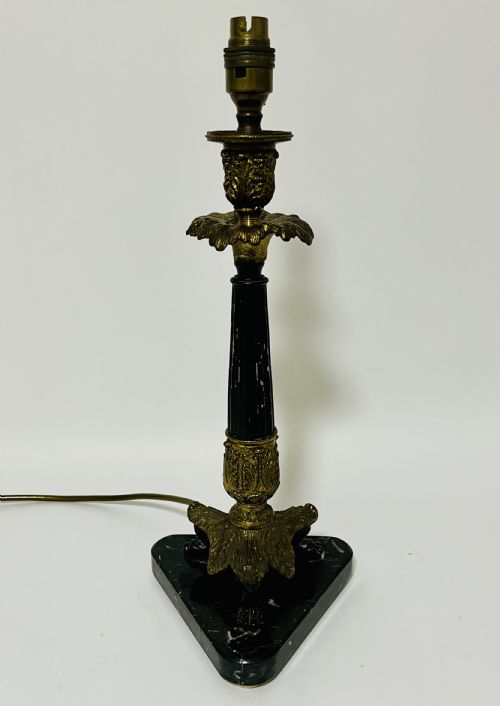
An antique brass candlestick lamp repurposes traditional lighting architecture for electrical illumination, taking the slender shaft of a taper holder and adapting it for the desk or table. These pieces emerge from the Victorian era, the Edwardian period, and the early decades of the twentieth century, bringing formal presence to domestic interiors.
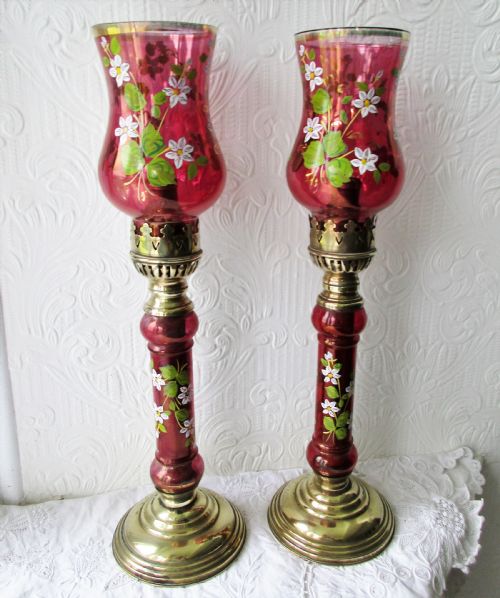
The inventory on this page spans simple columnar forms to multi-light arrangements and specialised desk accessories. Buyers encounter straightforward turned shafts alongside architectural models drawn from classical revivals, French styles, and English domestic design.
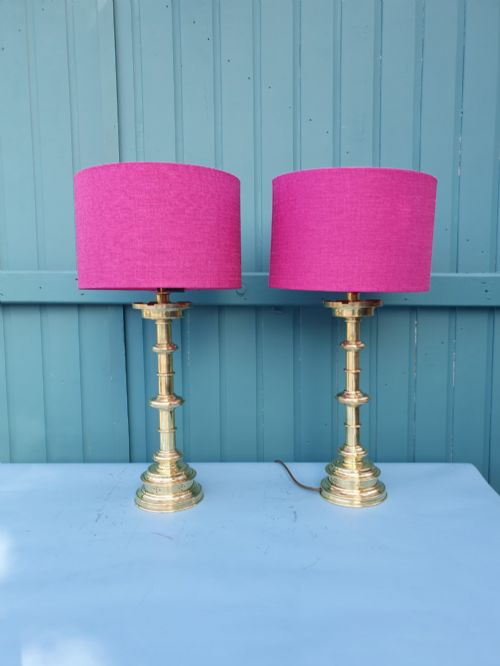
Most examples function as table or desk lamps, though variations include student lamps, bouillotte configurations with shades, and processional church pieces adapted for the home. The core vocabulary remains grounded in the candlestick format, keeping the silhouette vertical and balanced.
How They Were Made
Makers built these lamps primarily from solid brass and bronze, utilising heavy casting and turning techniques to achieve structural stability. Metal components were cast in sections, then lathed and polished, sometimes leaving subtle tool marks that reveal the hand of the workshop.
Certain forms incorporate contrasting materials such as painted toleware shades or glass elements alongside the primary metal structure. Fabric components appear on fitted shades, while older candlestick bodies frequently show later electrical wiring threaded through the original central channel.
Retail Price Guide 2026
Typical UK retail prices for brass candlestick lamp, calculated from the Sellingantiques database of over a million retail prices indexed since 2003. This retail price guide relies exclusively on Sellingantiques data; no external sources or auction records are used, so the figures do not describe the wider market.
Listings feature periods spanning the Victorian era, the Edwardian style, and the early twentieth century up to the 1930s.
What Varies in Quality
The distinction between ordinary and exceptional work rests on the weight of the metal and the crispness of the casting. Superior examples display deep, clean chasing on capitals and bases, whereas lesser pieces rely on thin-gauge pressed metal with softer detail.
Proportion and integrity define the upper tier of the range. Lamps that retain their original matched components, structural rigidity, and uncompromised metal thickness hold a commanding visual presence that mass-produced alternatives fail to replicate.
The Antique Brass Candlestick Lamp Glossary
- Ionic column
- A classical architectural order featuring a capital decorated with volutes, frequently adapted for Victorian candlestick lamp shafts. This detail borrows from ancient Greek stone architecture to lend vertical dignity to metalwork.
- Bouillotte lamp
- A French desk lamp featuring multiple candle arms clustered around a central shaft, typically shielded by an adjustable shade. The form originates from an eighteenth-century card game of the same name.
- Toleware
- Painted or lacquered sheet metal, often appearing in dark green on lamp shades paired with brass bases. This material provides a contrasting matte surface against polished metal.
- Student lamp
- A nineteenth-century adjustable desk or table light designed for reading, featuring an oil reservoir originally positioned to the side and later electrified. The configuration offers directional illumination suitable for workspaces.
Frequently Asked Questions
Are these lamps safe for daily use?
Most antique lamps require professional rewiring to meet modern electrical standards before regular use in the home. A qualified electrician can easily update the internal cord while preserving the original exterior metal body.
Buyers should ensure the socket and plug match current safety regulations. The structural integrity of heavy brass makes these pieces durable for daily placement once certified.
How do I clean antique brass?
Gentle dusting with a soft, dry cloth preserves the aged patina that collectors value on these pieces. Avoid harsh chemical polishes that strip away historical character and leave the surface unnaturally bright.
If cleaning is necessary for hygiene, warm water and mild soap applied sparingly will remove accumulated grime. Dry the metal thoroughly immediately afterward to prevent spotting.
Can I change the lampshade?
Replacement shades are straightforward to fit provided the harp or shade carrier matches the original burner or socket fitting. Many antique lamps accommodate standard clip-on or spider-fitter shades without permanent alteration.
Selecting a shade style appropriate to the period, such as pleated fabric or traditional toleware, maintains the historical balance of the piece.
How do I date a brass lamp?
Dating relies on stylistic markers, casting methods, and assembly techniques visible in the construction. Victorian and Edwardian examples often feature classical revival motifs and heavy cast bases that differ from later twentieth-century manufacturing.
Patent marks, maker's stamps on the underside, and the type of electrical fittings added later also provide reliable chronological clues.