

Antique Brass Candelabra Light
These antique brass candelabra light pieces bring warmth and decorative weight to a room through heavy metalwork and multiple candle branches.
Antique Brass Candelabra Light
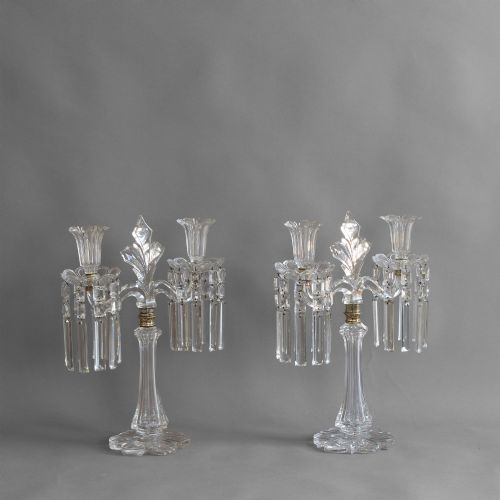
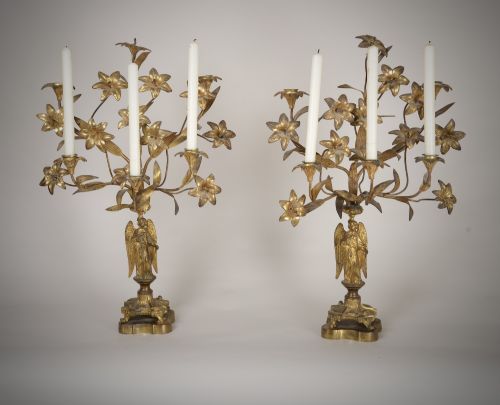
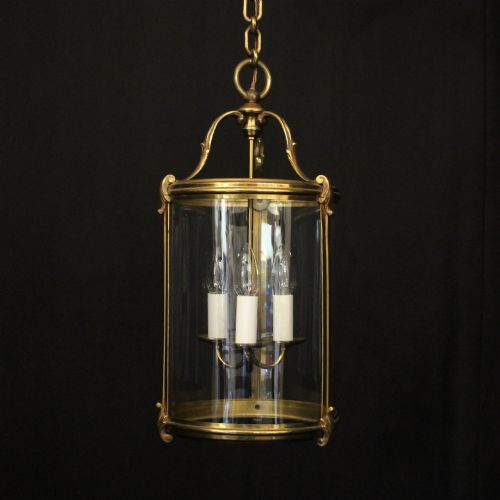
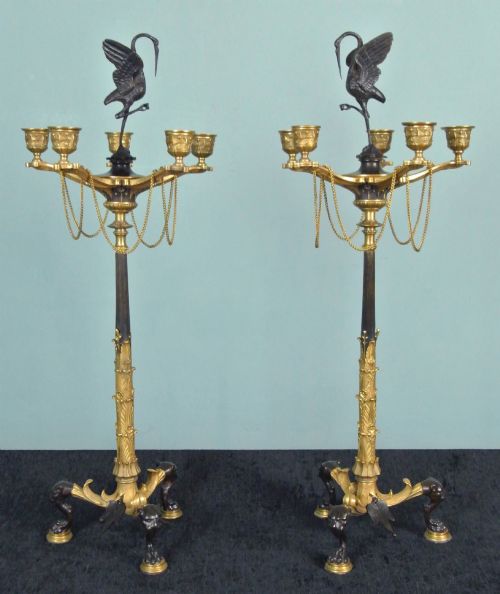
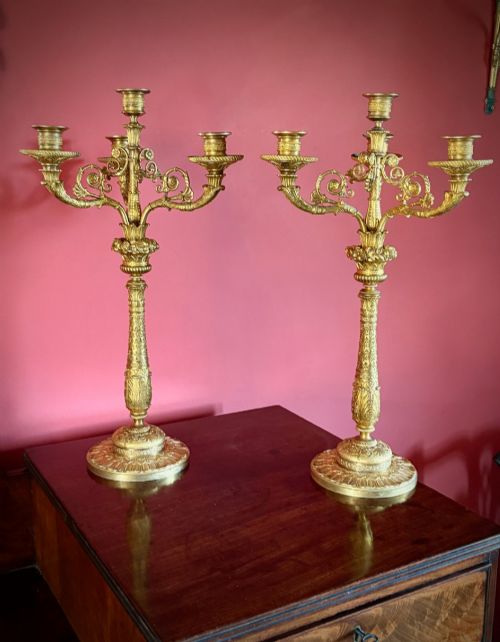
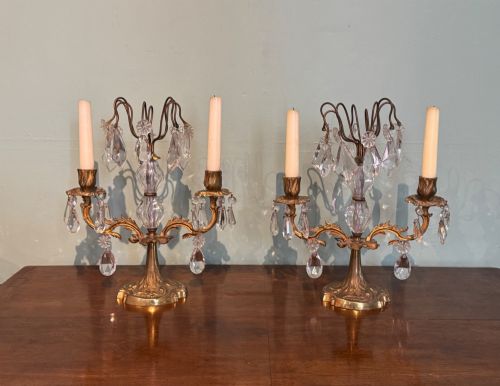
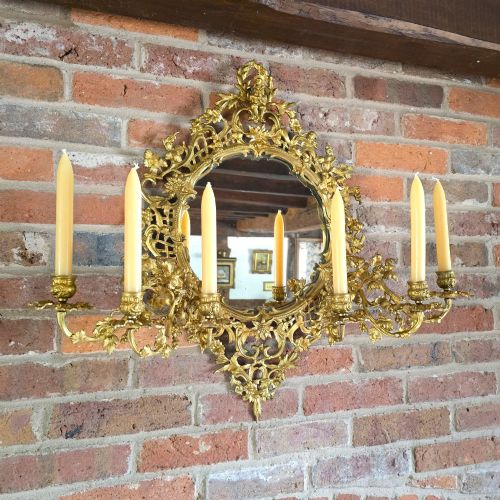
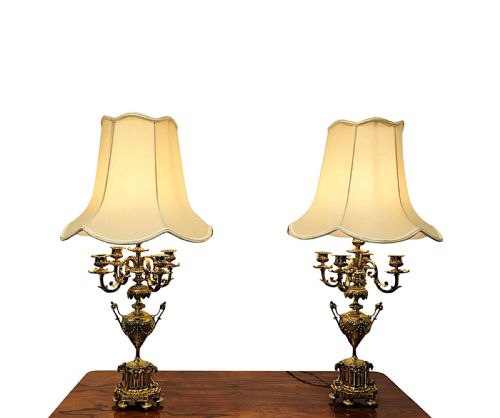
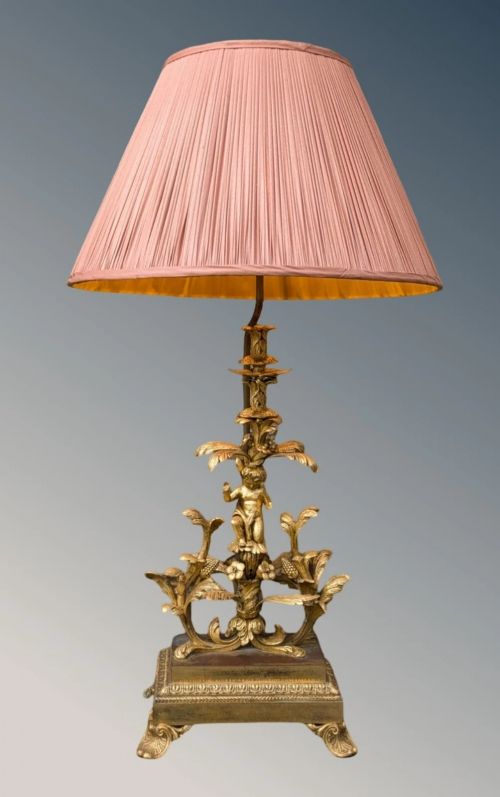
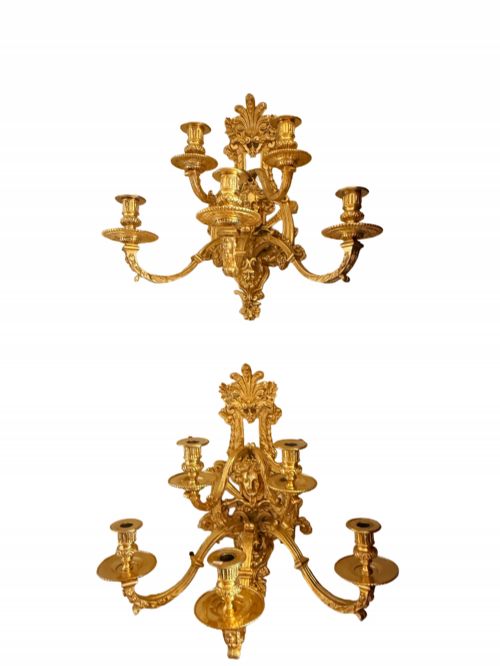
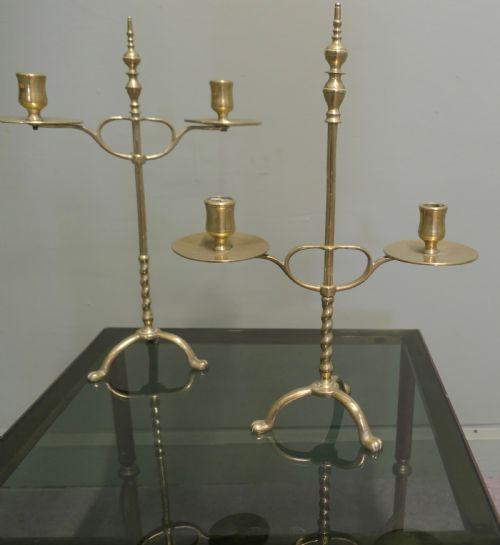
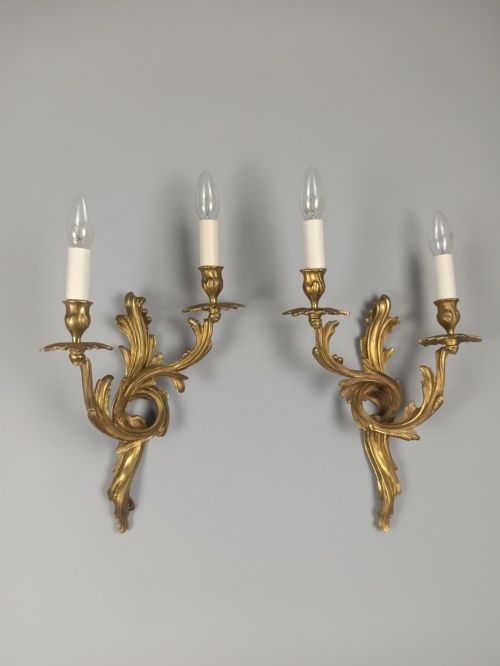
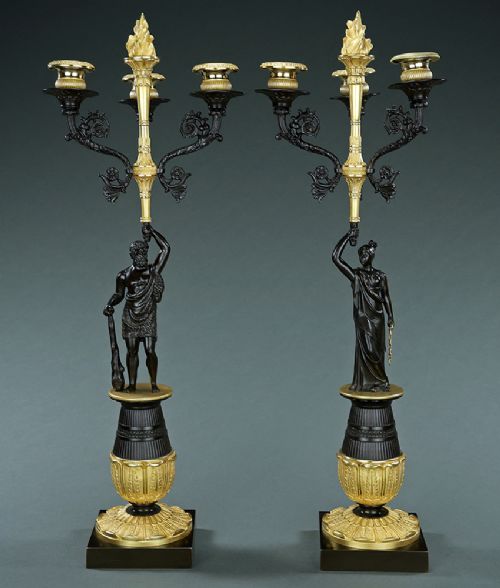
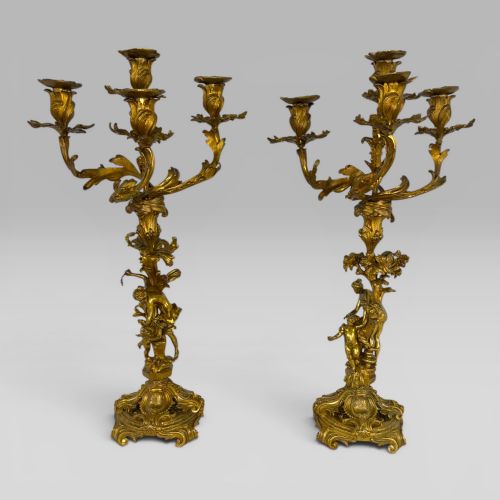
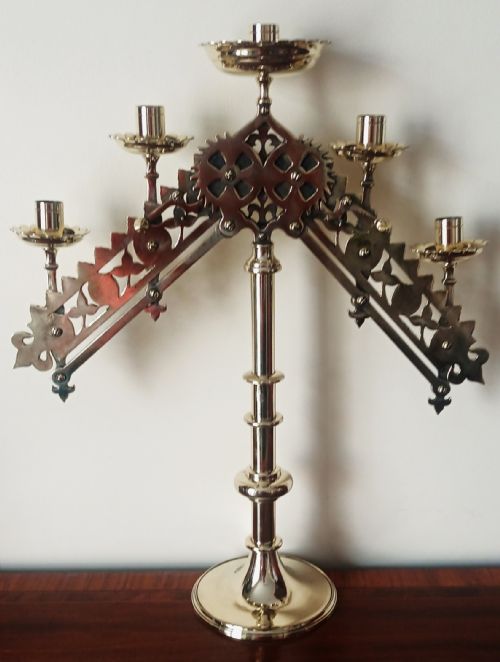
When searching for an antique brass candelabra light, buyers encounter several distinct domestic lighting forms spanning the nineteenth and early twentieth centuries. The selection includes multi-armed candelabra, wall sconces, converted table lamps, and hanging chandeliers originating from French, English, and Italian workshops. Pairs predominate in the listings, frequently displaying elaborate revival styles such as French Rococo, Gothic, and Empire.
The objects serve both functional and decorative purposes, moving from traditional dining and parlour illumination to wall-mounted accent lighting and converted electric lamps. Many examples incorporate subsidiary materials like marble bases, cut glass lustres, and champlevé enamel to enhance their visual complexity. Buyers most frequently meet nineteenth-century ormolu and gilt bronze pairs designed for prominent display on mantelpieces or console tables.
Materials and construction methods
The construction of these pieces relies on cast brass, bronze, and ormolu, often finished with fire gilding or applied patination. Individual branches, figures, and drip pans were cast separately and joined by threaded rods, pins, or brazing, allowing for complex multi-branch configurations. Heavier components frequently utilise marble or crystal bases to provide structural stability.
Surface decoration involves chasing, engraving, and hand-finishing the metal cast to create sharp relief in floral, figural, and architectural motifs. Many surviving pieces show adaptations for later electrical wiring, where internal channels or hollow stems accommodate modern cables without altering the exterior brass structure.
The listings span the nineteenth and early twentieth centuries, featuring French Rococo Revival, Gothic Revival, and Arts and Crafts styles.
Distinctions in quality and execution
The weight of the metal and the integrity of the gilding or patination further differentiate the tiers of production. Finely preserved fire gilding maintains a rich, warm lustre, whereas inferior or later chemical treatments often appear flat or flake away from the base metal over time.
Barbedienne·Wm. Tonks & Sons·Liberty
The Antique Brass Candelabra Light Glossary
- Ormolu
- A method of applying finely ground high-carat gold to a bronze or brass object using a mercury amalgam. This technique produces a deep, durable golden finish found on fine French lighting.
- Candelabra
- A branched candlestick designed to hold multiple candles simultaneously. These fixtures often feature removable drip pans to catch melting wax.
- Champlevé
- An enamelling technique where troughs or cells are hollowed out of the metal surface and filled with vitreous paste before firing. This method adds colourful decorative contrast to the brass or bronze body.
- Sconce
- A wall-mounted lighting bracket designed to project illumination into a room. Historical examples frequently incorporate mirrored backs to reflect and amplify the candle flame.
- Lustre
- A decorative glass pendant or drop suspended from the bobeche of a candelabra. These elements refract light to increase the overall brightness of the fixture.
Antique Brass Candelabra Light: Frequently Asked Questions
How do I care for antique brass and ormolu?
Maintenance requires gentle dusting with a soft, dry cloth to prevent the accumulation of airborne particles. Abrasive polishes must be avoided entirely because they strip away historic gilding and patination.
Handling the metal with clean hands prevents skin oils from tarnishing exposed brass surfaces. Stable indoor humidity levels protect any integrated marble or crystal components from thermal shock.
Can these converted lamps be returned to candles?
Many electrified table lamps retain their original socket cups and hollow stems, which often allows for the removal of modern wiring components. The feasibility depends on whether internal channels were drilled or if original drip pans were altered during conversion.
Consulting a professional lighting restorer helps determine if a reversible conversion is possible without compromising the antique metal structure.
How do I identify the period of a piece?
Dating relies on comparing stylistic indicators such as Gothic Revival tracery or French Rococo asymmetrical scrolls against documented design timelines. The weight, casting quality, and assembly screws also provide chronological clues for nineteenth-century production.
Marked components or attributed signatures from recorded firms offer definitive markers for specific decades between 1860 and 1930.