

Victorian Brass Pendant Light
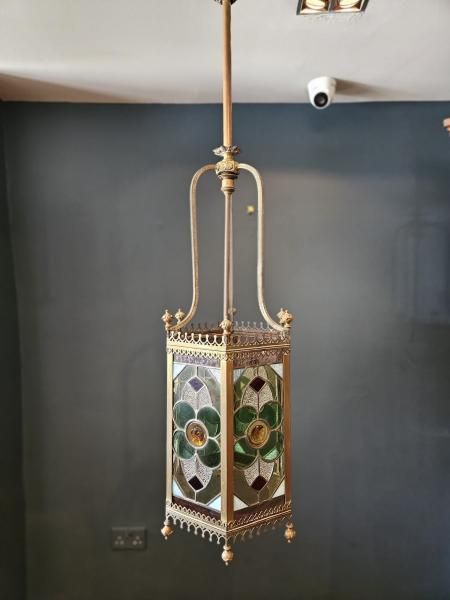
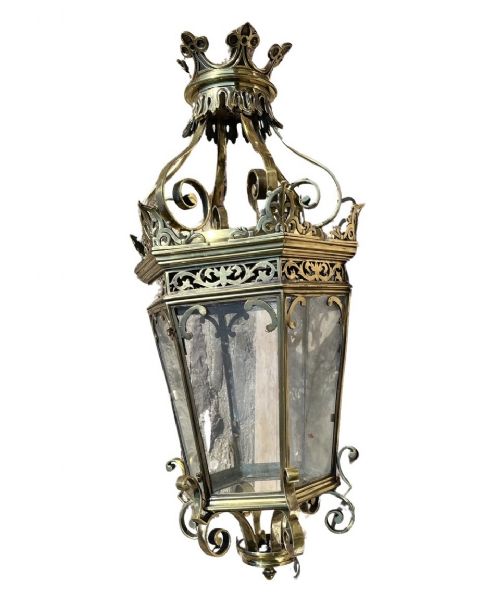
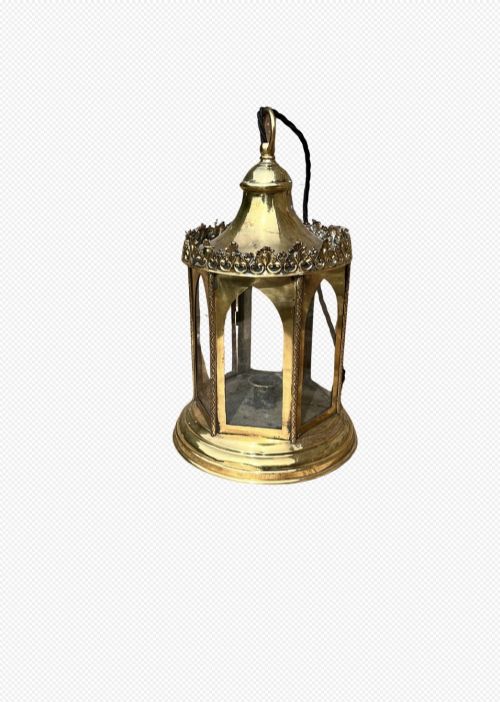
A victorian brass pendant light brings warm illumination and heavy metal presence to a hallway or high ceiling.
Victorian Brass Pendant Light
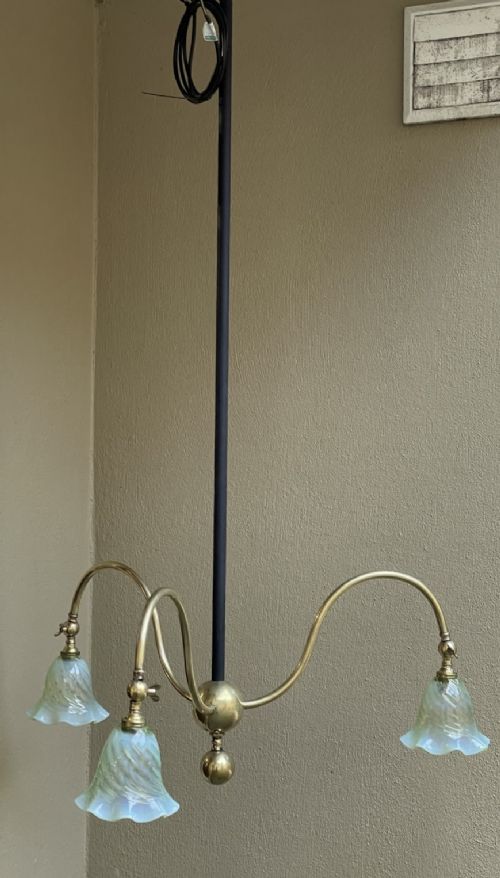
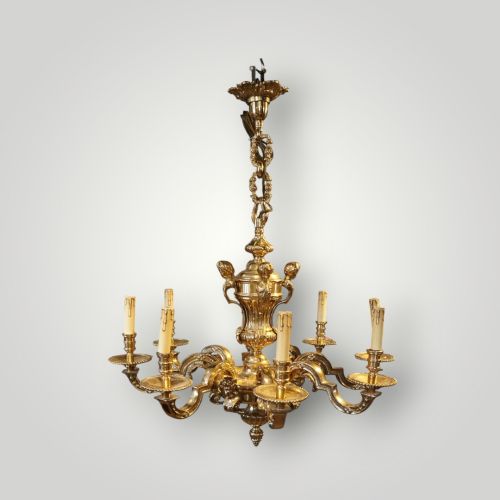
A victorian brass pendant light encompasses ceiling fixtures designed to hang from chains, cords, or brackets to light interior spaces. When you search for a victorian brass pendant light, you encounter lanterns, gasaliers, and multi-arm chandeliers spanning the nineteenth century and adjacent Edwardian eras.
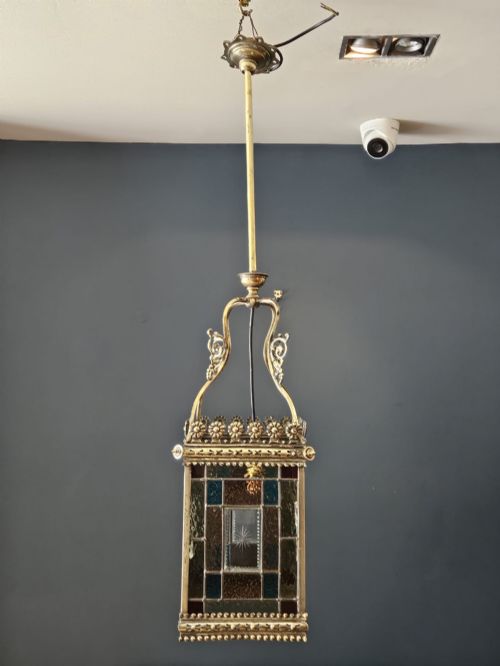
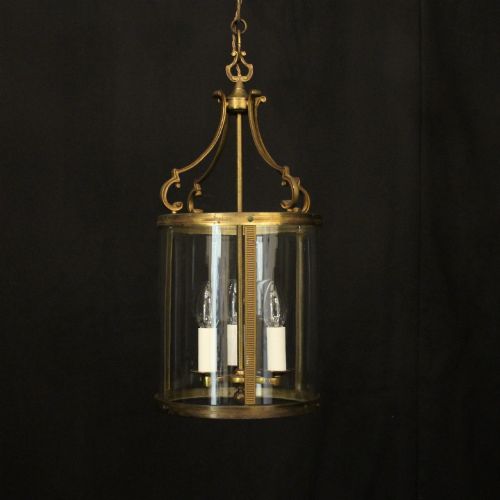
The selections on this page lean heavily toward framed brass lanterns with glass panels, multi-light chandeliers, and specialised hanging lamps. These items originated primarily in domestic and civic settings, ranging from British houses to French salons.
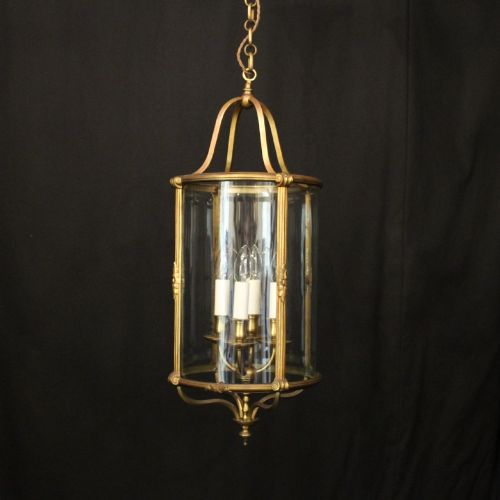
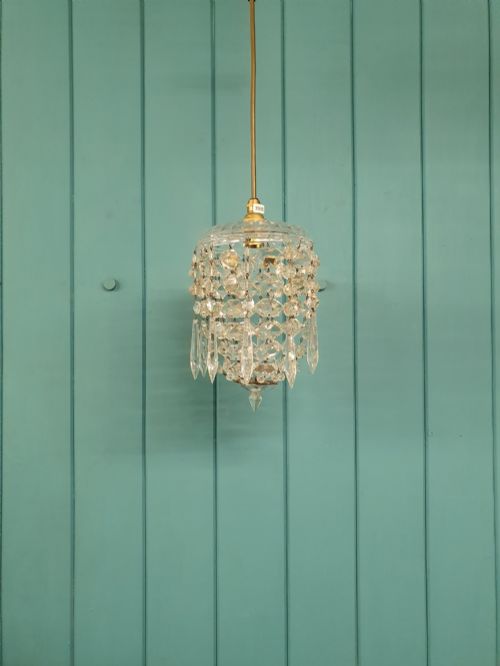
Most examples rely on metal frames fitted with leaded, cut, or coloured glass panels to diffuse the internal glow. Buyers select these fixtures to anchor high-ceilinged rooms with period authenticity and substantial metalwork.
Materials and construction
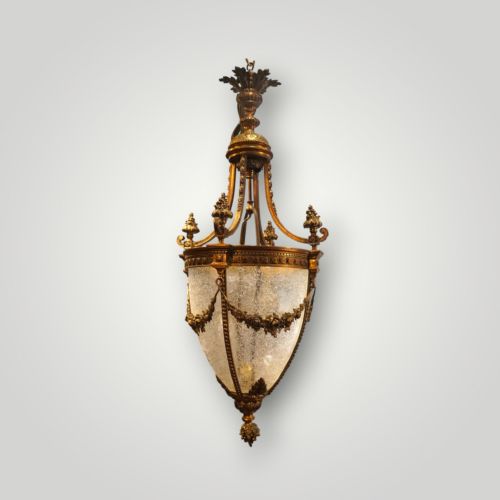
Makers constructed these fixtures using cast and sheet brass, frequently paired with bronze, gilt bronze, or copper elements. Metal components were shaped, chased, and joined to form rigid lanterns or multi-branch chandeliers capable of supporting glass shades and fuel reservoirs.
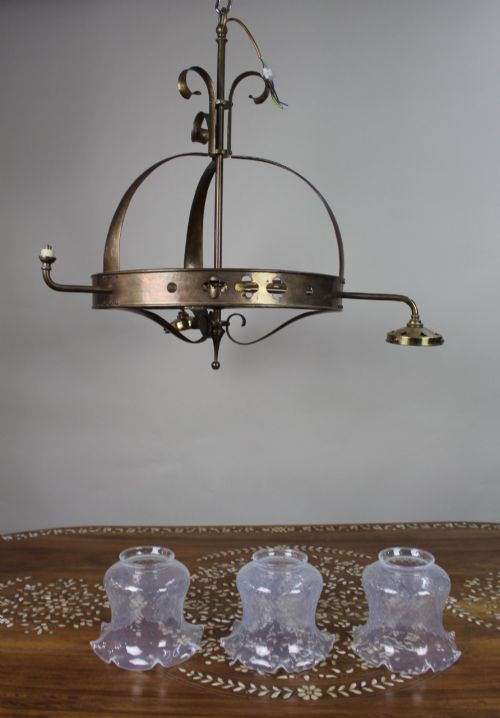
Glass integration defined the aesthetic, utilising leaded glass, cut crystal, opalescent shades, and domed panels. Workshops sourced specialised components like burners and rise-and-fall mechanisms to adapt the fixtures for gas, oil, or early electricity.
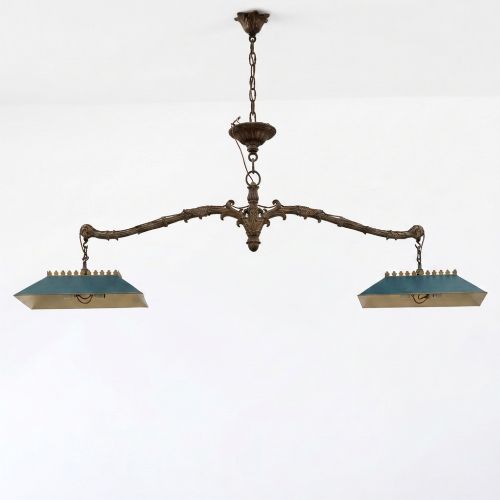
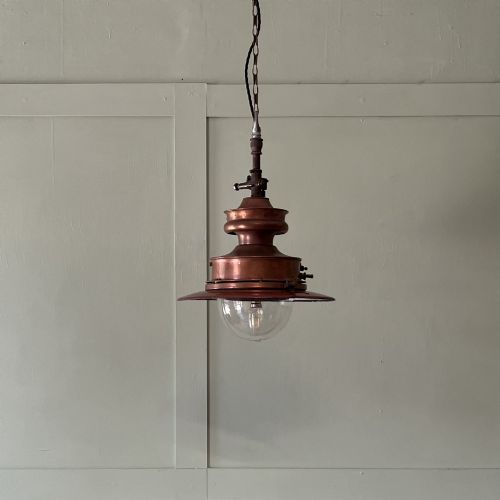
Railway guards and billiard players inadvertently left us sturdy copper lanterns and heavy rise-and-fall lamps to illuminate modern hallways.
Assessing quality and execution
The distinction between ordinary production and superior craftsmanship rests in the weight of the metal casting and the crispness of the chased detail. Heavier brass frames, intricate ornamentation like lion masks or leaf designs, and well-proportioned architectural forms separate high-end pieces from standard utilitarian lighting.
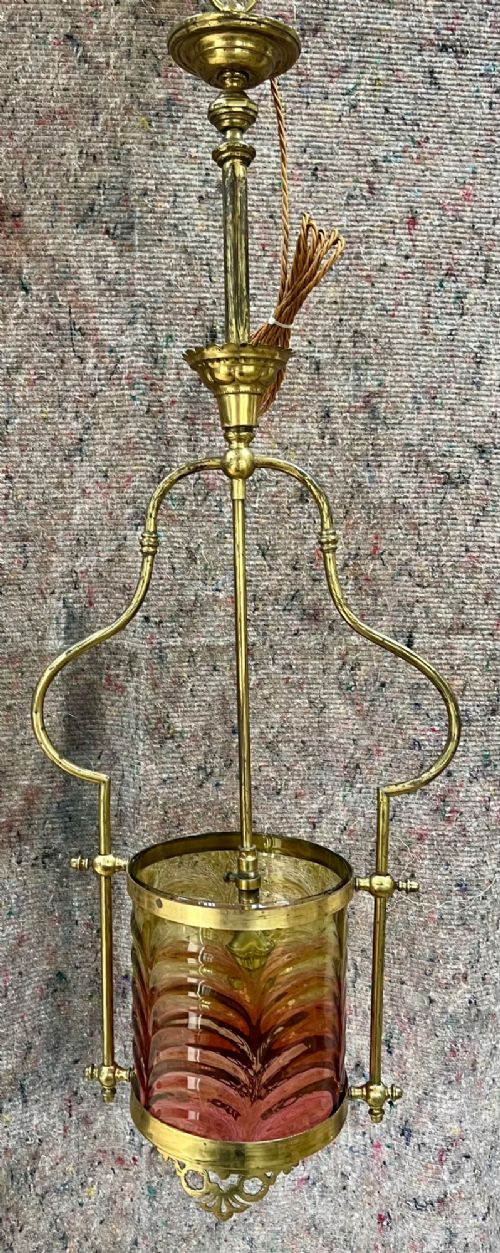
Glass selection further differentiates the range, as hand-cut crystal, bevelled leaded panes, and original coloured or crimped shades indicate higher artistic ambition. The retention of original mechanisms, such as rise-and-fall pulleys or branded burners, elevates the integrity of a fixture.
Osler
The Victorian Brass Pendant Light Glossary
- Gasolier
- A branched ceiling light designed to burn coal gas rather than hold candles or oil. These fixtures often feature hollow arms to channel gas to the burners.
- Lantern
- A fully enclosed hanging light fixture featuring glazed panels set within a metal frame. They typically protect the light source from drafts in hallways and vestibules.
- Plafonnier
- A ceiling light fixture mounted flush or close to the ceiling surface, designed to direct illumination downward. They frequently incorporate moulded or pressed glass bowls.
- Rise and fall
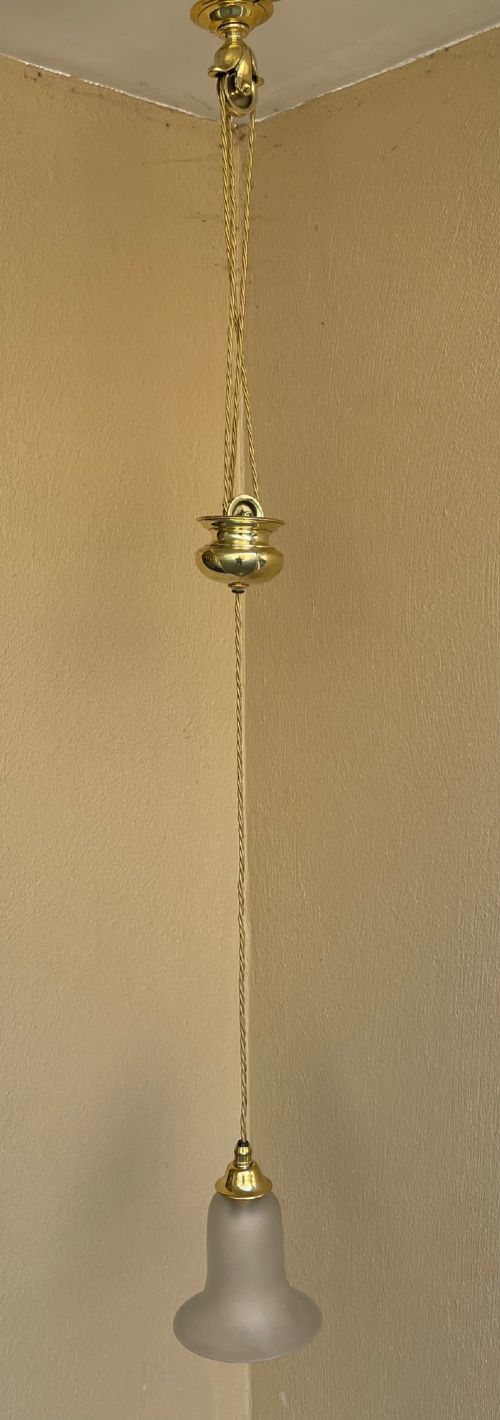
- A mechanical pulley system allowing the hanging height of the pendant light to be adjusted up and down. This mechanism was popular over billiard tables and dining spaces.
- Holophane
- A brand of prismatic glass shades engineered to direct and diffuse light efficiently. These ribbed glass shades appear frequently on early twentieth-century industrial and domestic pendants.
Victorian Brass Pendant Light: Frequently Asked Questions
How do I hang a heavy brass pendant?
These heavy brass fixtures require secure anchorage into ceiling joists using appropriate steel fixings rather than plaster anchors alone. Weight distribution across the suspension chain prevents structural strain on the ceiling.
Professional installation ensures that the internal wiring safely handles the load and meets modern electrical standards while supporting the historic frame.
Were these lights originally gas or electric?
Many nineteenth-century fixtures began as gasaliers or paraffin oil lamps before undergoing conversion to electricity during the twentieth century. Component details like burner keys and gas supply arms reveal this dual-fuel heritage.
Converted pieces retain their original metal bodies and glass shades while substituting modern internal wiring for the obsolete fuel channels.
How do I clean antique brass and glass?
Dust the metal and glass components regularly with a soft, dry cloth to prevent grime accumulation on the chased surfaces. Avoid harsh chemical polishes that strip away the aged patina accumulated over decades.
Glass panels can be removed carefully and washed with mild soapy water if grease or smoke residue obscures the transparency.
What rooms suit a hanging lantern?
Hall lanterns and large brass pendants function best in high-ceilinged entranceways, stairwells, or reception rooms where their drop commands visual space. Their enclosed design protects the light source in drafty transitional areas.
Smaller glass shades and single-light pendants suit tighter passages, kitchens, or studies where direct downward illumination is required.
How can I date a brass pendant light?
Dating relies on stylistic clues, manufacturing techniques, and the specific type of glass or burner mechanism integrated into the piece. Gothic Revival details, heavy cast brass, and leaded construction point to the Victorian era.
Later Edwardian and 1920s examples often introduce lighter brass spinning techniques, cut crystal domes, or specialised prismatic glass shades.