





Patinated Brass Pendant
A patinated brass pendant provides focused overhead illumination through aged metal framework, bringing historic weight and character to residential hallways and rooms.
Patinated Brass Pendant
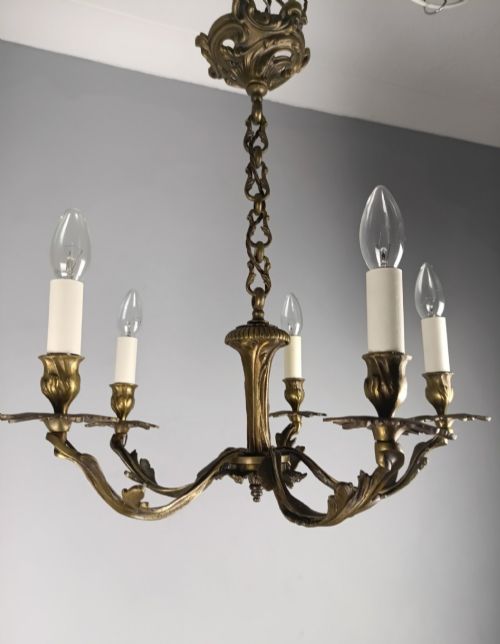
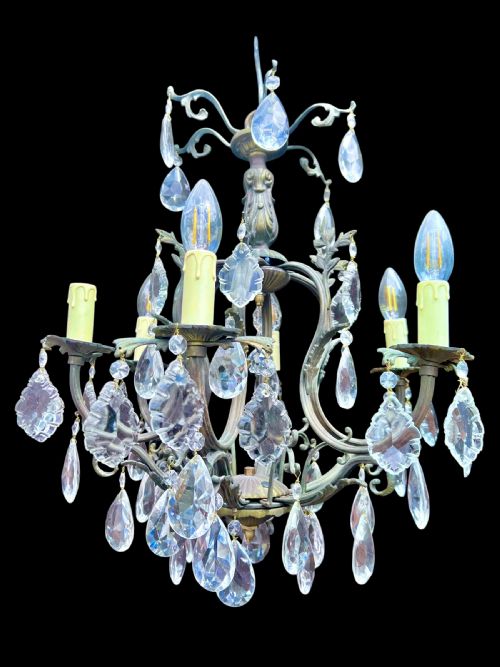
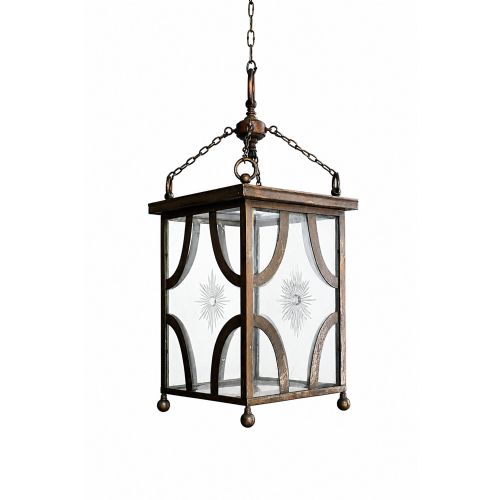
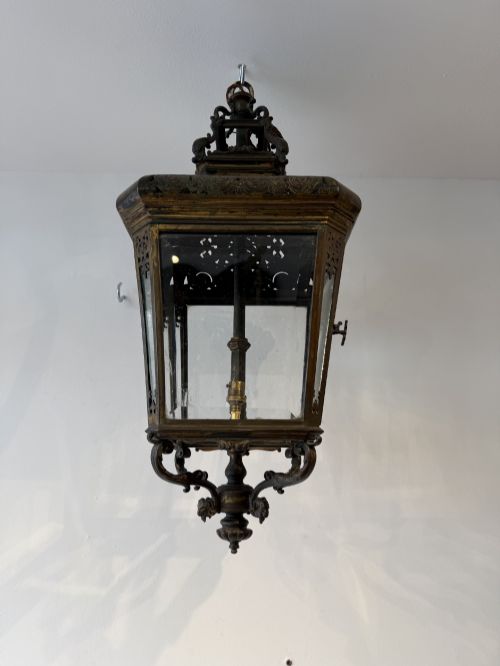
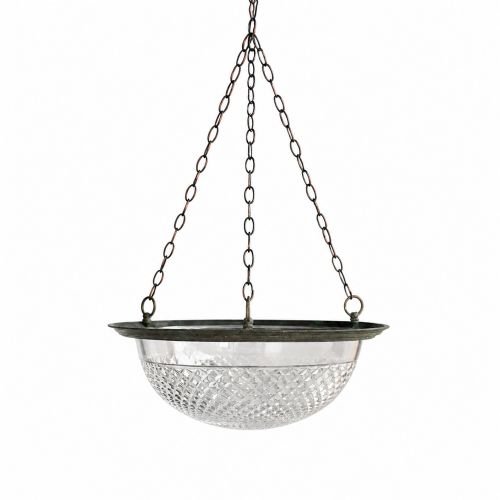
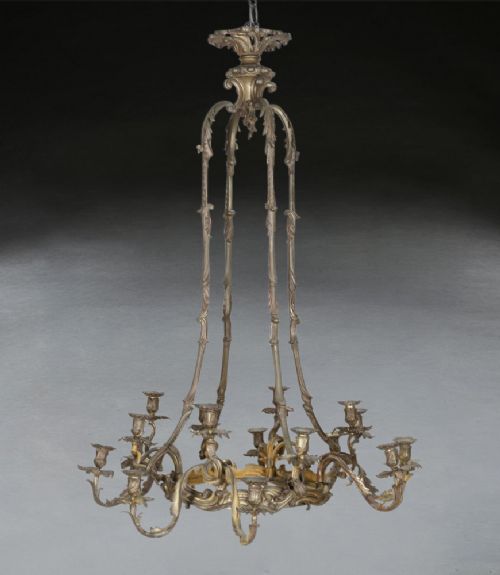
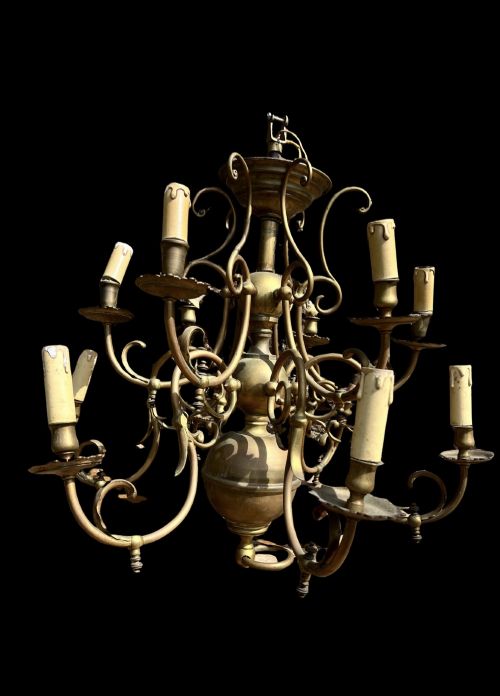
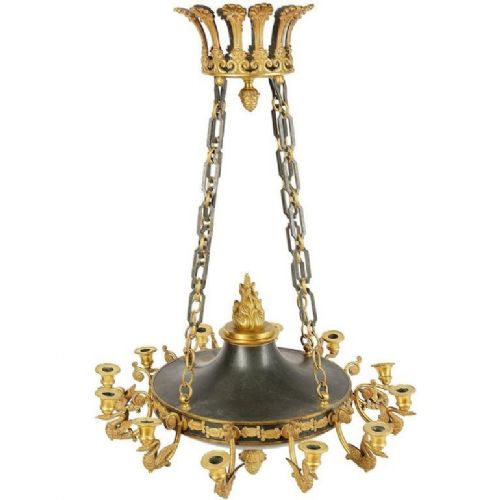
When searching for a patinated brass pendant, buyers encounter an array of overhead lighting fixtures including hall lanterns, plafonniers, and multi-tiered chandeliers spanning the nineteenth and twentieth centuries. These hanging fittings originate from diverse European traditions, prominently featuring French château designs alongside English and Italian interpretations.
Construction and materials
The structural foundations rely on cast and wrought metal work, primarily utilising brass, bronze, and gilt bronze to form the skeletal frameworks of these hanging light fittings. Artisans shaped these metallic components into intricate frames, classical rings, and ornate tiers designed to support multiple candle-style or electric lamp points.
Glass elements frequently complement the metallic structures, incorporating cut glass, crystal, and opalescent glass panels or shades to diffuse the illumination. These glass components are secured within the metal mounts, creating a balanced interplay between the darkened patinated brass and the reflective transparent materials.
Early twentieth-century homes occasionally retained gas-fitting remnants alongside newly wired brass fixtures, hedging their bets against flickering local power grids.
Assessing quality in hanging fixtures
The distinction between standard and superior pieces rests upon the crispness of the metal casting and the complexity of the frame construction, such as double-tiered arrangements or intricate Gothic revival detailing. Heavier gauge brass and bronze provide structural integrity and deeper surface relief that distinguishes finer French and English workshops from mass production.
Quality also manifests in the integration of the glass components, where thick cut glass or opalescent shades fit precisely within the metal housing rather than resting loosely. The depth of the natural patina accumulated on the bronze or brass surface indicates age and careful handling over the decades.
The Patinated Brass Pendant Glossary
- Patination
- The surface ageing and oxidation of metal that creates a darkened, historic finish over brass or bronze. This process alters the raw metallic sheen into deeper brown or green tones.
- Plafonnier
- A ceiling-mounted lighting fixture or shallow pendant bowl designed to sit close to the overhead surface. These fixtures often feature opalescent or cut glass held within a decorative metal rim.
- Hall Lantern
- An enclosed hanging light fixture originally designed for entrance passages and stairwells. They protect the internal light source behind glass panels set into a brass or bronze frame.
- Chandelier
- A branched, multi-light hanging fixture designed to illuminate large spaces from a central ceiling point. These fittings incorporate numerous arms or tiers to hold multiple bulbs or candles.
Patinated Brass Pendant: Frequently Asked Questions
Where should a hanging lantern go?
These fixtures suit transitional spaces like entrance halls, corridors, and high-ceilinged porches where an overhead focal point commands attention. Their enclosed designs protect the internal components from drafts while providing directional illumination.
They also function effectively above stairwells or in central stair landings, casting light downward across multiple levels while displaying their decorative metalwork from various viewpoints.
Can these pendants use modern bulbs?
Most antique lighting fixtures can accommodate contemporary electrical wiring and standard modern bulbs following professional rewiring by a qualified specialist. The internal lamp holders are typically updated to meet current safety standards while preserving the exterior historic shell.
Careful consideration of wattage and bulb shape ensures the internal illumination complements glass shades like opalescent bowls or crystal drops without generating excessive heat.
What maintenance does patinated brass need?
Preserving the aged surface requires gentle dusting with a soft, dry cloth to prevent the accumulation of grime without stripping away the historic oxidation. Avoid abrasive metal polishes that remove the characteristic dark finish.
Glass components can be carefully removed and washed with mild soapy water when necessary, provided they are dried completely before being resecured into their original metal mounts.