
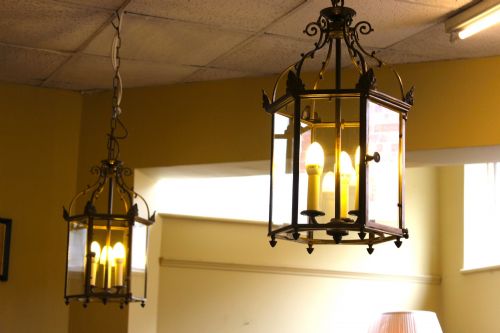


Traditional Foyer Lantern
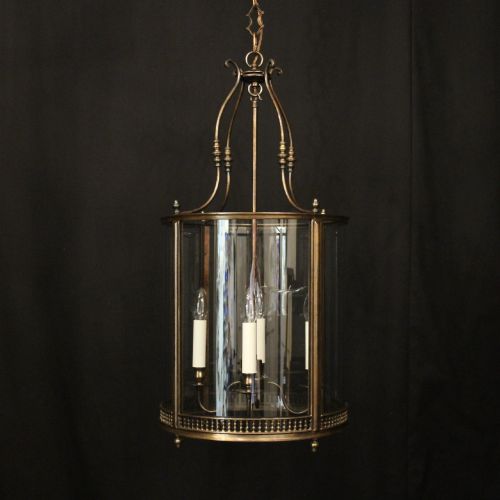
A traditional foyer lantern commands an entrance hall, casting light through glass panels to welcome visitors with period charm.
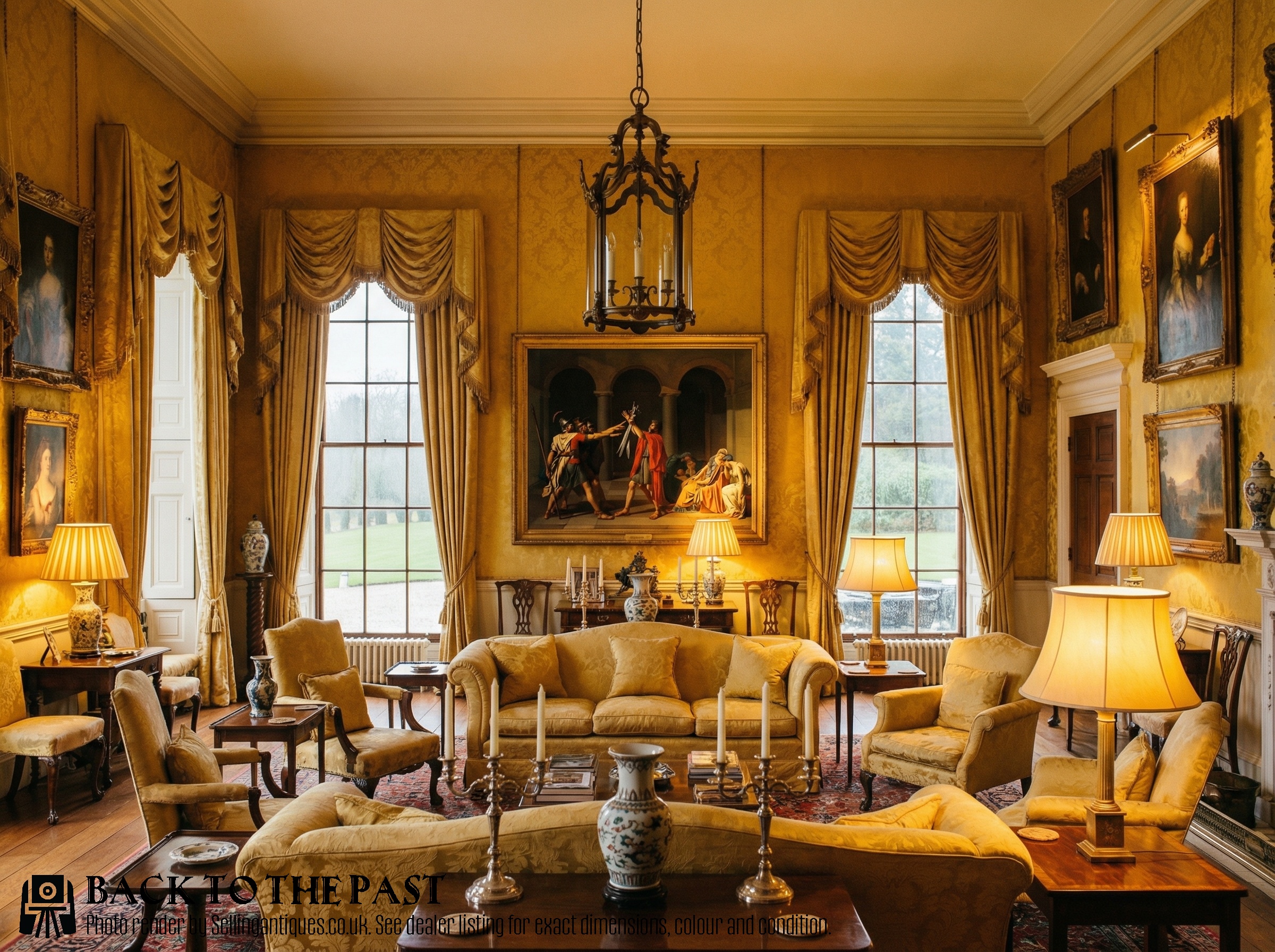
Traditional Foyer Lantern
When searching for a traditional foyer lantern, a buyer looks at hanging ceiling lights designed specifically for entrance halls and corridors. These fixtures illuminate entryways from above, suspended by chains or rods from the ceiling.
The versions met most frequently on this page originate from the nineteenth century, the Edwardian era, and the early decades of the twentieth century. They draw upon English and French design traditions, including neoclassical, rococo revival, and regency styles.
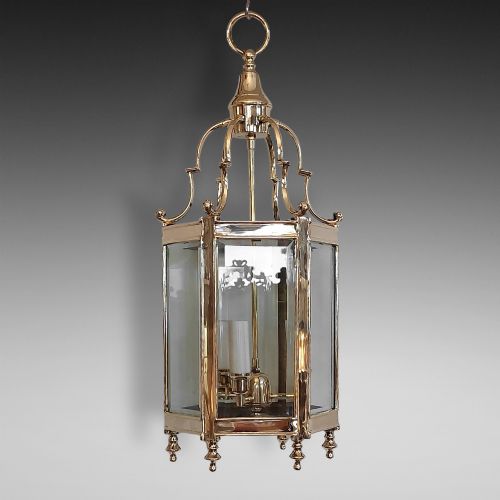
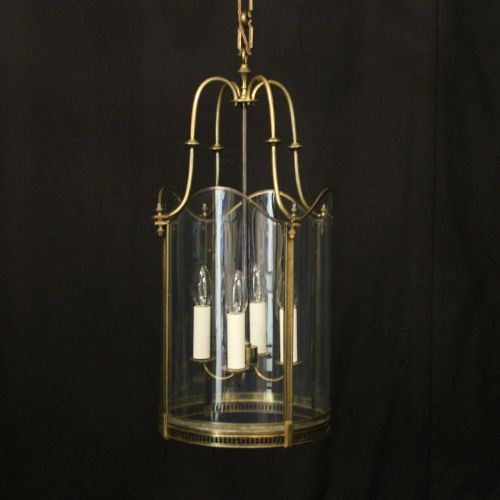
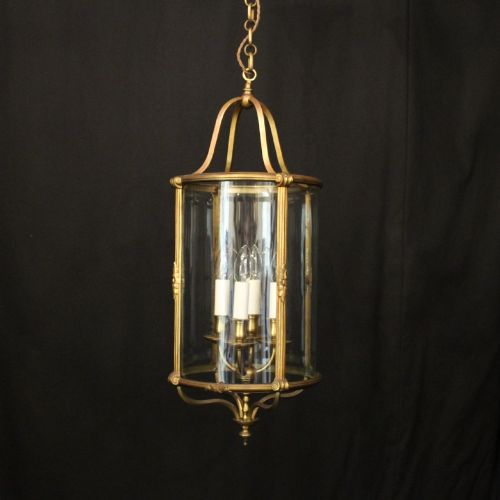
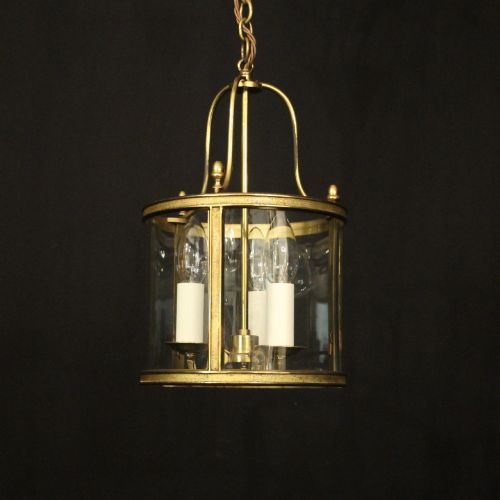
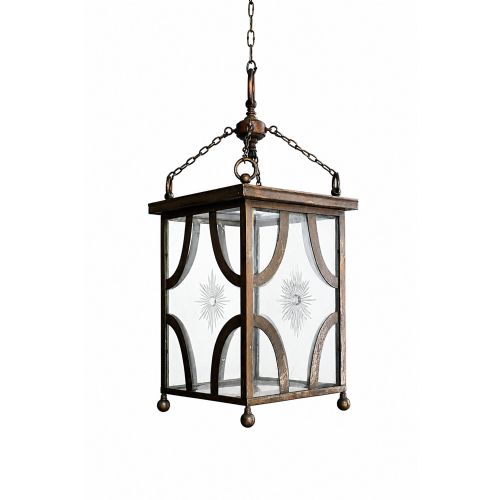
Object types appearing here include hall lanterns, pendant lights, and hanging lamps. Many take hexagonal or convex forms, designed to distribute light evenly across a reception space.
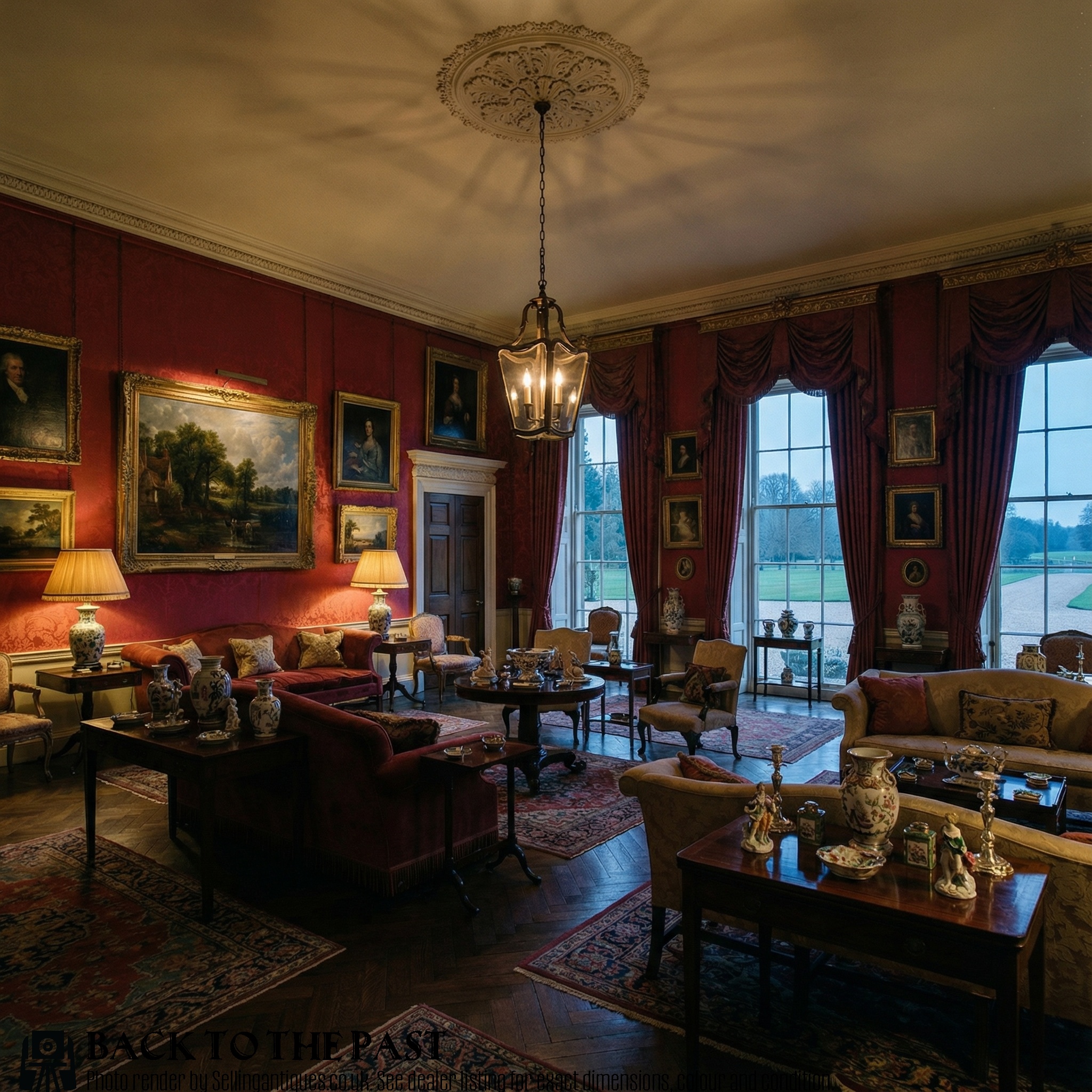
How they were made
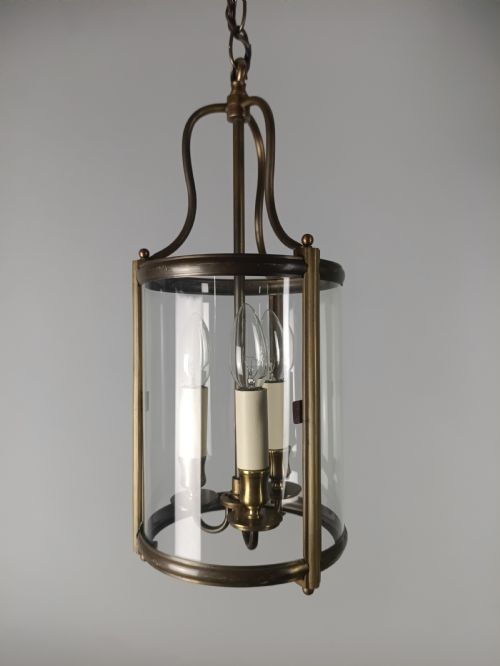
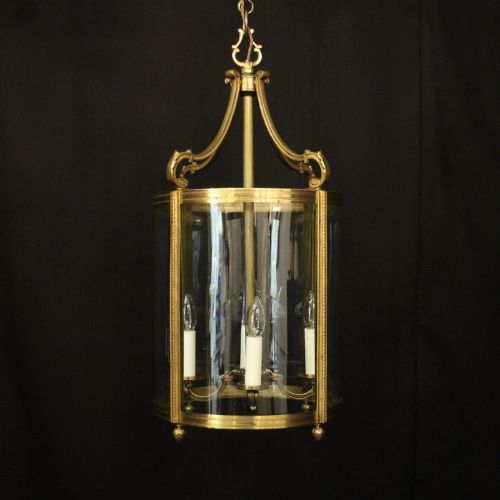
Workshops constructed these lanterns using robust metal frameworks of brass, bronze, and gilded or gilt bronze. These metals were cast and shaped into frames holding multiple light fittings, ranging from single bulbs to four or more lights.
Panels of glass, including bevelled and convex varieties, were fitted directly into the metal frames to enclose the interior lamps. This combination of heavy metalwork and shaped glass required skilled metalworking and glazing techniques.
Traditional Foyer Lantern Retail Price Guide 2026
Typical asking prices for traditional foyer lantern among the pieces listed under this phrase on Sellingantiques today, from the lower quarter to the upper quarter. They describe what is for sale here now, not the wider market.
Listings feature materials spanning plain brass, bronze, gilt bronze, and bevelled glass across Edwardian and early twentieth century periods.
What varies in quality
The distinction between tiers rests upon the weight of the metal casting and the precision of the frame assembly. Finer examples display crisp detail in the bronze or brass work, with substantial mounts and well-finished joints.
Glass selection creates another divergence, as thick bevelled or curved convex panels demonstrate greater manufacturing ambition than plain flat glass. The integration of multi-light internal clusters and original gilding further elevates the standard of a piece.
The Traditional Foyer Lantern Glossary
- Convex glass
- Curved glass panels that project outward to soften and disperse the light within a room. This type requires specialised moulding during production.
- Bevelled glass
- Glass panes with cut and polished angled edges around the perimeter, catching light to create a decorative prismatic effect. It signals finer manufacturing standards.
- Hexagonal lantern
- A hanging light fixture featuring six sides within its geometric metal frame. This shape allows light to radiate across an entrance hall from multiple angles.
- Gilded bronze
- Bronze metal treated with a thin layer of gold leaf or gilt finish to impart a rich, reflective surface. It appears frequently in French models.
- Hall lantern
- A ceiling-suspended lighting fixture proportioned for narrow corridors and entrance spaces. These pieces combine decorative metalwork with protective glass housing.
Traditional Foyer Lantern: Frequently Asked Questions
How do I hang a traditional foyer lantern?
These lanterns suspend from the ceiling using chains or metal rods attached to a mounting canopy. You must ensure the ceiling structure supports the weight of the bronze or brass frame.
Professional installation by an electrician is recommended, particularly for older fixtures that may require rewiring to meet modern safety standards.
What is the difference between French and English styles?
French models often utilise gilded bronze and ornate convex glass panels, drawing upon neoclassical and rococo revival design traditions. They lean toward decorative elaboration in the metal casting.
English pieces tend to favour brass and structured geometric forms like hexagons, reflecting regency and Edwardian sensibilities with a focus on proportion.
How do I clean the glass panels?
Remove dust from the metal frame and glass using a soft, dry cloth before applying a mild glass cleaner. Take care not to damage any gilt surfaces or patinated bronze during the process.
Harsh chemical abrasives should be avoided entirely to preserve the original finish of the metal and the clarity of bevelled or convex panes.
Can these lanterns be used with modern bulbs?
Most wired fixtures accommodate standard modern lamps, provided the wattage matches the capacity of the original bulb holders. Many examples have been adapted over time for contemporary electrical systems.
Consulting an electrician ensures the internal wiring and lamp holders safely handle current bulb types without generating excessive heat inside the enclosed glass.