

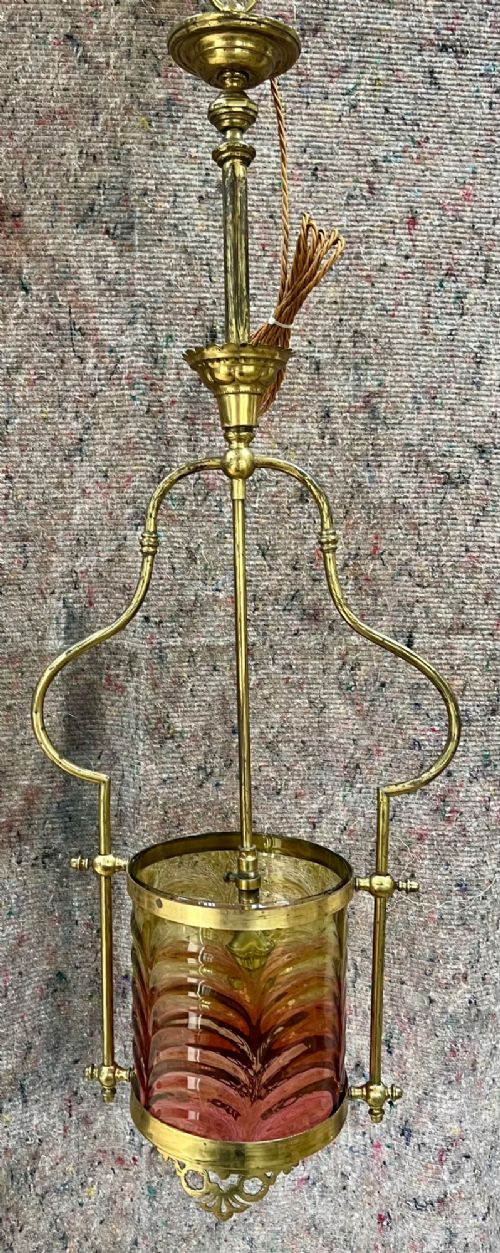
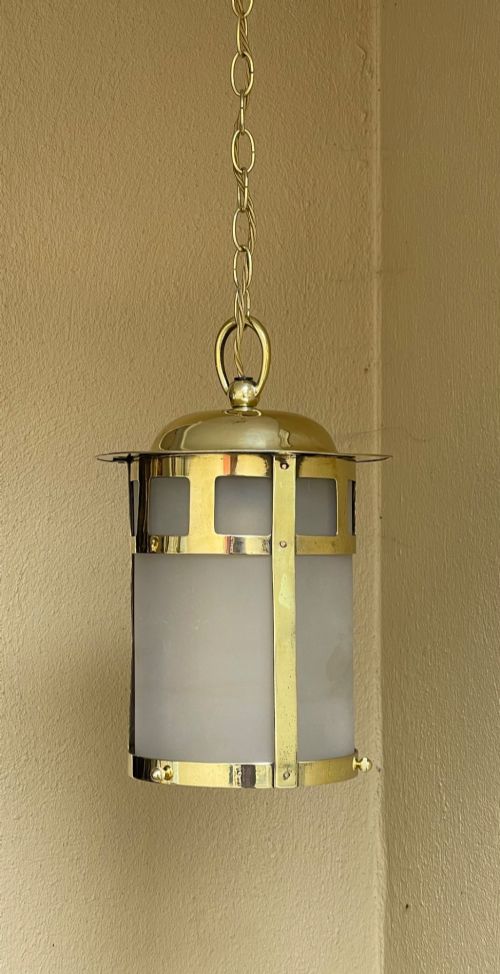
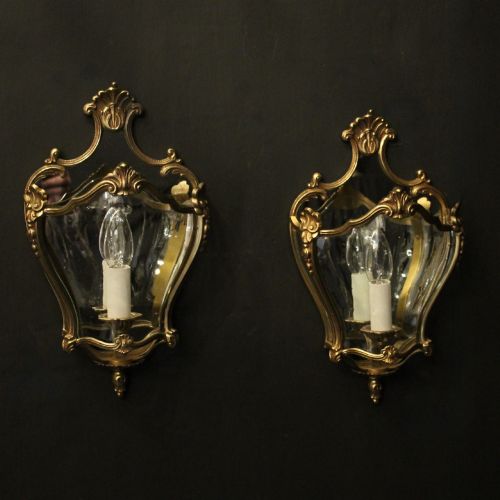
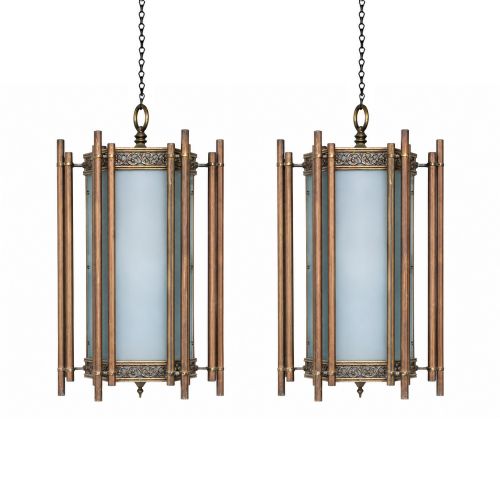
Brass Hallway Lantern
A brass hallway lantern casts a warm, welcoming light through glass and metal, setting the tone for an entire interior.
Brass Hallway Lantern
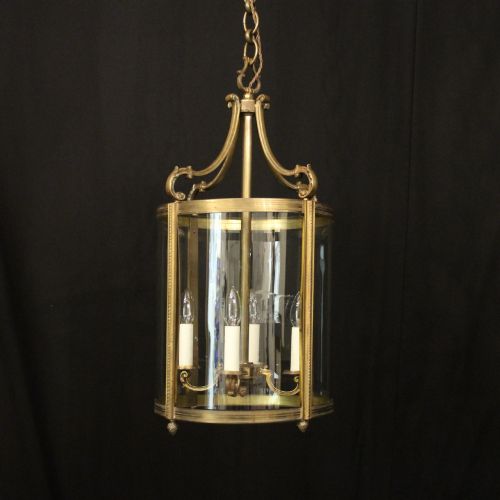
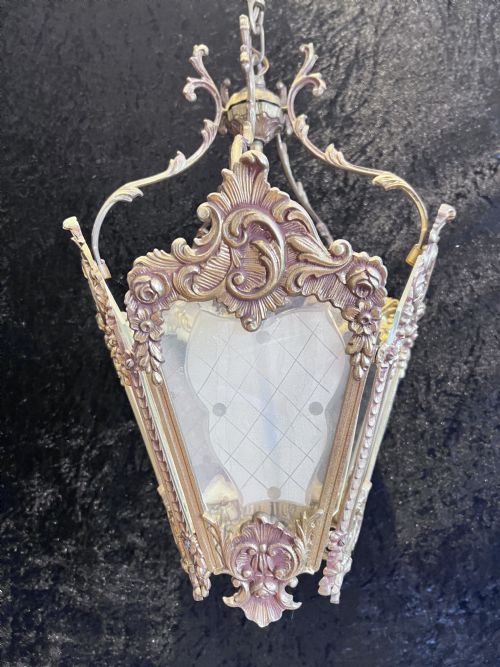
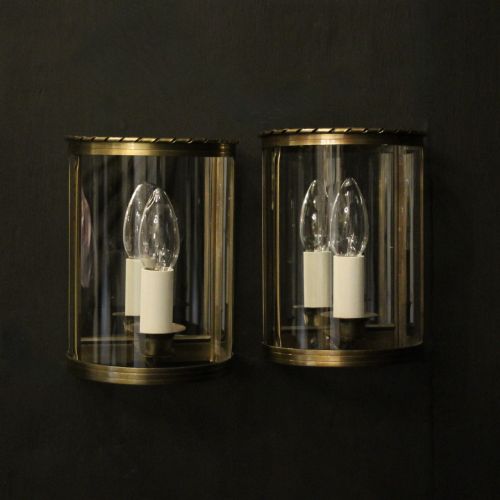
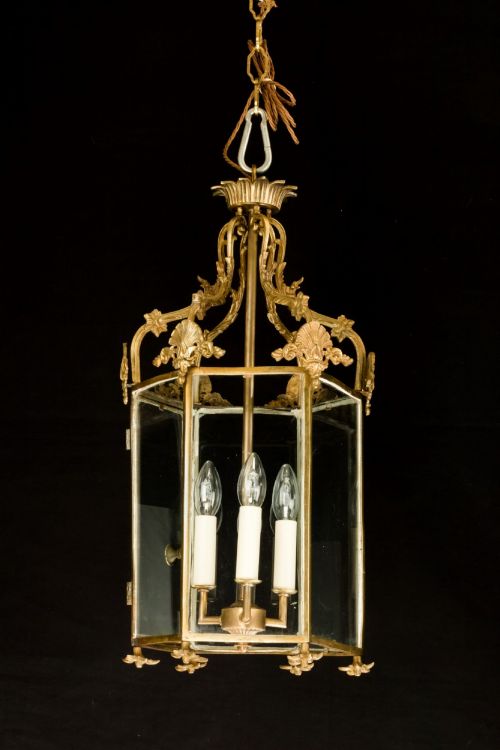
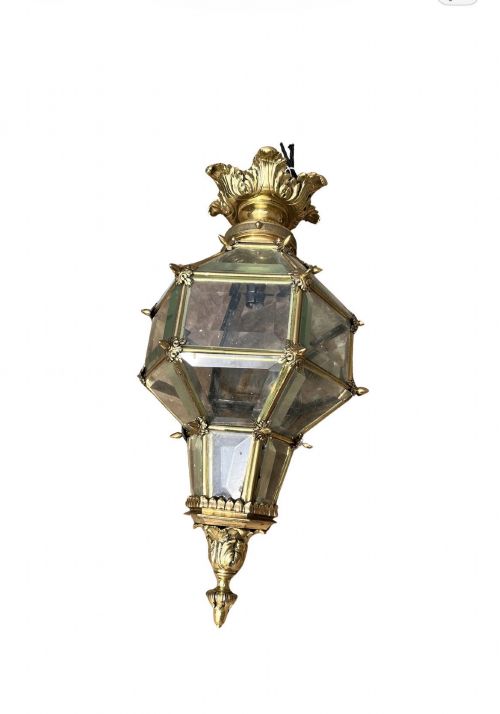
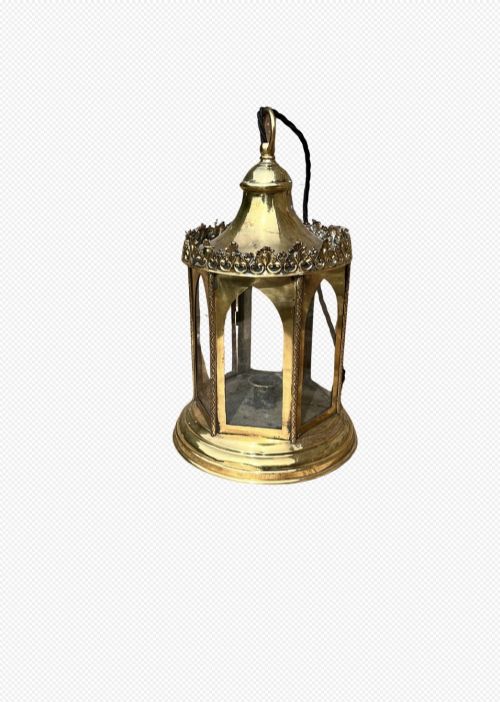
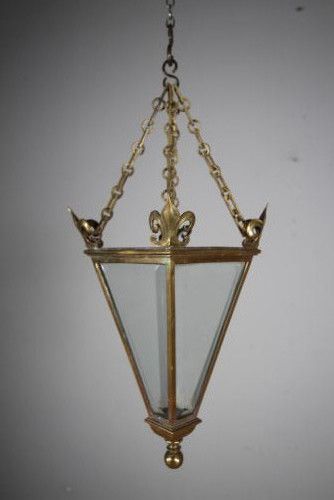
A brass hallway lantern is a hanging or wall-mounted lighting fixture designed primarily for entrance spaces, corridors, and porches. When you search for this phrase, you encounter pieces that range from compact round forms to monumental hanging lights. The selection on this page draws heavily from Victorian, Edwardian, and early twentieth-century periods.
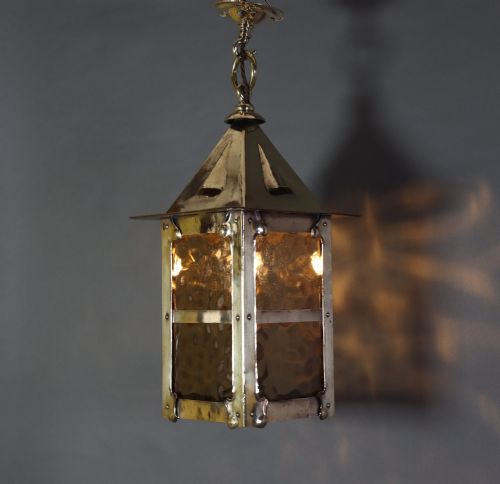
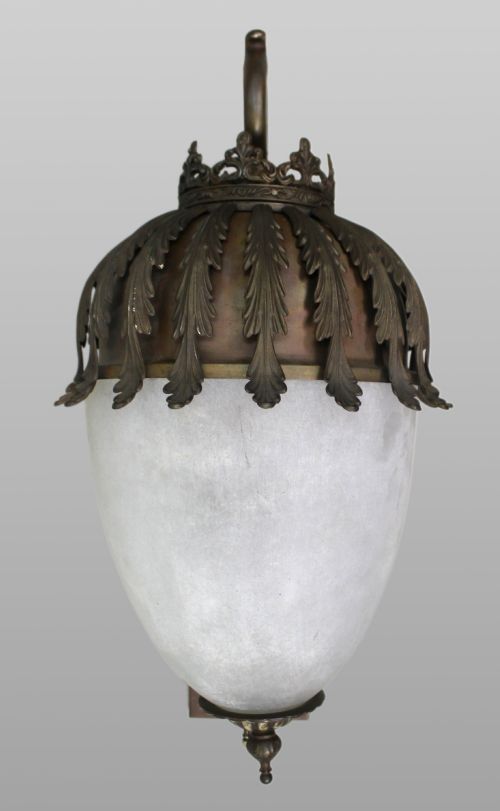
The most common versions met here include French styles, Arts and Crafts designs, and geometric Art Deco pieces. Makers utilised various metals alongside brass, creating hanging lanterns and wall sconces that suited grand public hotels as well as domestic halls. These fixtures combine structural metal frames with transparent, frosted, or leaded glass panels.
Originating largely from British, French, and American workshops, these lanterns reflect diverse aesthetic movements from Gothic Revival to Neo-Classical. Buyers find both single-light pendants and multi-light configurations designed to illuminate transitional spaces effectively. Each piece offers a distinct architectural character rooted in its specific period of production.
How they were made
The construction of these lanterns relies on robust metalwork combined with glazed panels. Artisans shaped frames from brass, bronze, gilt bronze, and copper, often soldering or riveting components together to ensure structural integrity. Lead and tôleware also appear in specific regional or period examples, providing alternative surface finishes.
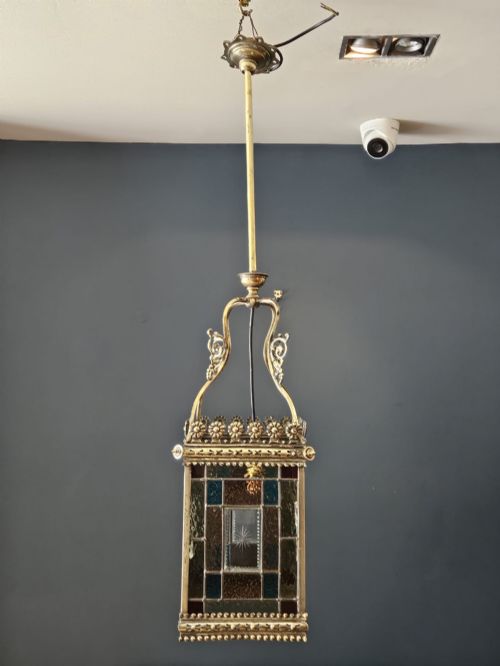
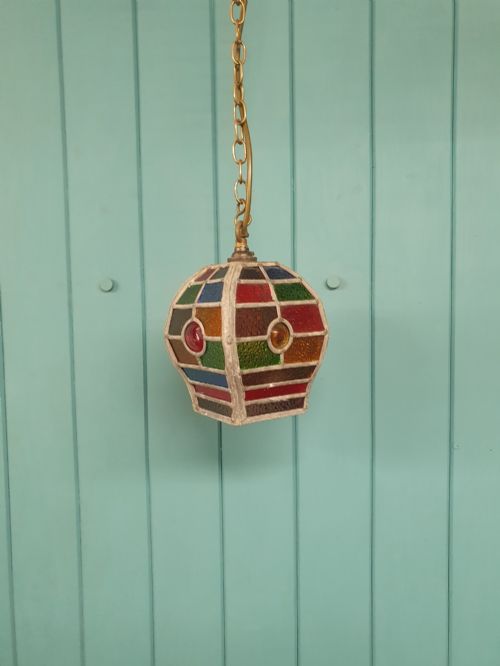
Glass selection dictated the quality of illumination, utilising plain glass, moulded glass, frosted glass, coloured glass, and leaded stained glass. Artisans fitted these panels tightly into metal channels, sometimes incorporating cut glass for enhanced light refraction. Many pieces show the integration of wiring during later periods as fixtures were electrified.
Brass Hallway Lantern Retail Price Guide 2026
Typical asking prices for brass hallway lantern among the pieces listed under this phrase on Sellingantiques today, from the lower quarter to the upper quarter. They describe what is for sale here now, not the wider market.
One exceptional wall lantern once illuminated guests at the Savoy Hotel in London.
What varies in quality
The distinction between tiers of quality rests primarily on the substance of the metal and the complexity of the casting. Heavy brass, substantial bronze, and gilt bronze frames display crisper decorative details and greater structural weight than thinner sheet metal alternatives. Superior examples often feature intricate ornamentation, such as French rococo or Louis XVI style motifs executed with precision.
Glazing standards further differentiate the pieces, with bevelled, moulded, or leaded stained glass representing finer craftsmanship than plain flat panes. The integrity of the original construction, including the joining of metal frames and the preservation of period glass panels, defines the standing of an individual lantern.
The Brass Hallway Lantern Glossary
- Gilt bronze
- Bronze that has been coated with a thin layer of gold or gold leaf to produce a rich, durable surface finish. This technique is frequently seen in French decorative lighting from the nineteenth and early twentieth centuries.
- Lead glass
- Glass manufactured with lead oxide, which increases clarity, weight, and brilliance. It is commonly utilised in decorative panels and hanging lantern shades.
- Tôleware
- Painted or enamelled sheet metal items produced to mimic more costly materials. In lighting, it offers distinct coloured surfaces for wall and ceiling fixtures.
- Half lantern
- A light fixture designed to mount flat against a wall, projecting outward by half its circumference. These are typically installed in narrow hallways or entryways.
- Pendant light
- A solitary light fixture suspended from the ceiling by a chain, cord, or metal rod. They serve as primary overhead illumination in hallways and porches.
Brass Hallway Lantern: Frequently Asked Questions
Where should a brass hallway lantern be hung?
These lanterns function best in transitional spaces such as entrance halls, stairwells, and covered porches where overhead clearance allows. Their enclosed design protects the light source while distributing illumination evenly across narrow areas.
Positioning them centrally ensures the fixture acts as a focal point upon entering the home. Wall-mounted variants suit tighter corridors or flanking positions beside doorways.
How do I identify the period of a lantern?
Period identification relies on observing stylistic markers, such as the geometric lines of Art Deco or the organic motifs of Art Nouveau and Arts and Crafts. Material choices and construction techniques also point toward specific decades like the Victorian or Edwardian eras.
Examining the type of glass used, whether leaded, moulded, or frosted, helps narrow down the manufacturing timeframe. Hardware details and metal patina further assist in confirming the age of the piece.
Were all these lanterns originally electrified?
Many older lanterns were initially designed for candles or gas before being converted to electricity during subsequent decades. Some surviving examples retain evidence of early electrical adaptation or later professional rewiring.
Electrification methods varied widely across the nineteenth and twentieth centuries. Today, buyers often update the internal wiring to meet modern safety standards while preserving the exterior housing.
What is the difference between brass and bronze?
Brass is an alloy composed primarily of copper and zinc, yielding a bright golden appearance that ages with a warm patina. Bronze consists mainly of copper combined with tin, resulting in a heavier, darker metal often utilised for finer castings.
In antique lighting, both metals received various surface treatments including gilding. Bronze pieces tend to feel substantially heavier and display sharper decorative relief.