

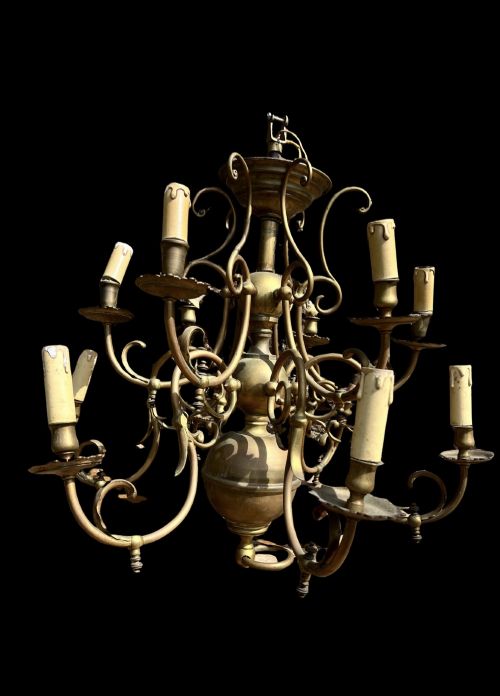
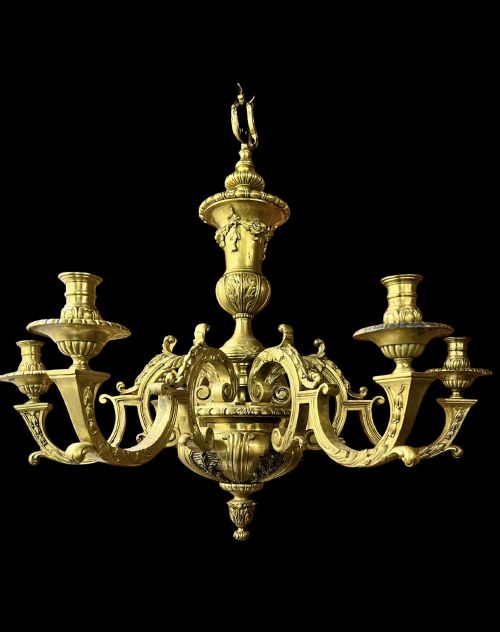


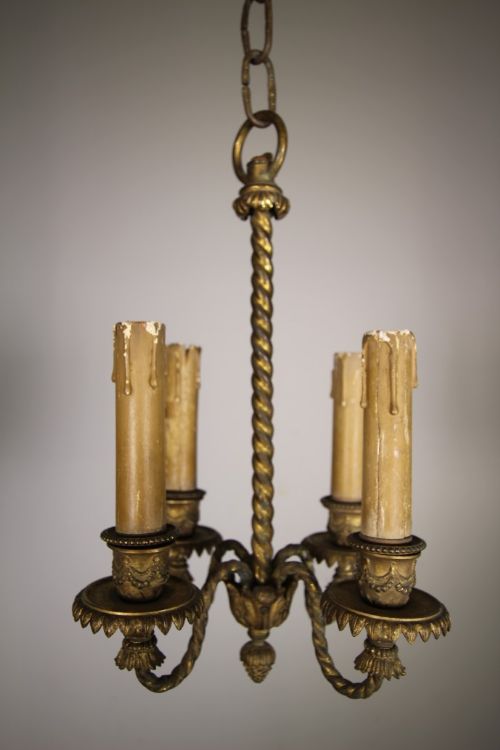
Period Brass Ceiling Light
A period brass ceiling light brings genuine warmth and historical weight to an interior through substantial metalwork and traditional glass forms.
Period Brass Ceiling Light
When searching for a period brass ceiling light, buyers encounter a diverse range of overhead fittings spanning the nineteenth and early twentieth centuries. These pieces encompass robust chandeliers, multi-armed fixtures, hall lanterns, and decorative ceiling roses designed to anchor a room's illumination.
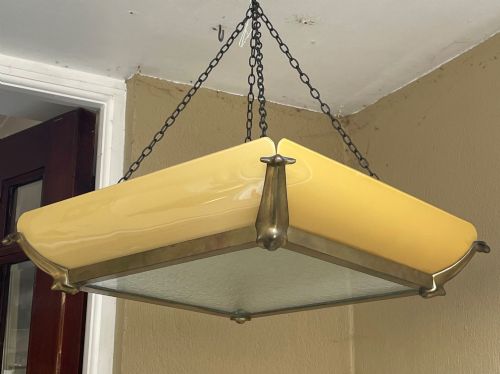
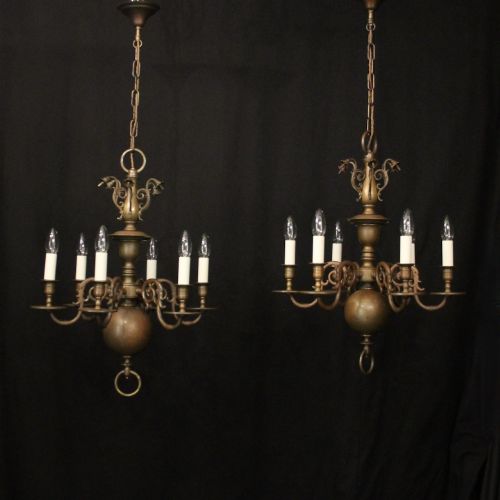
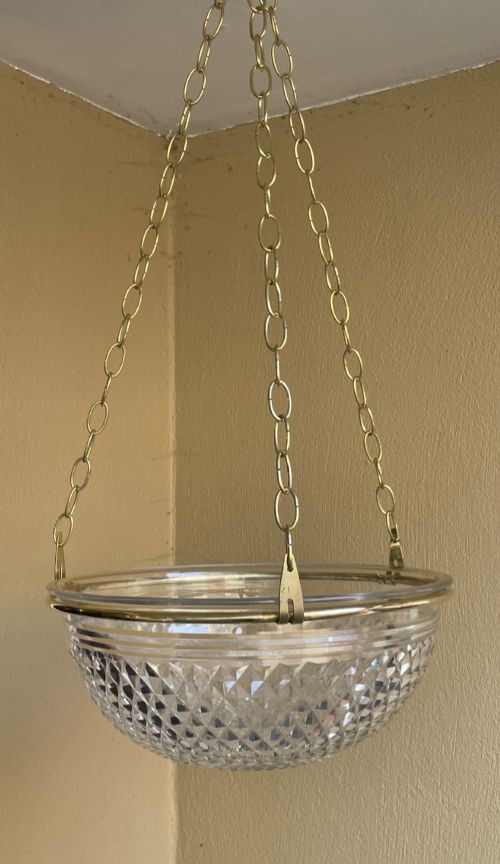
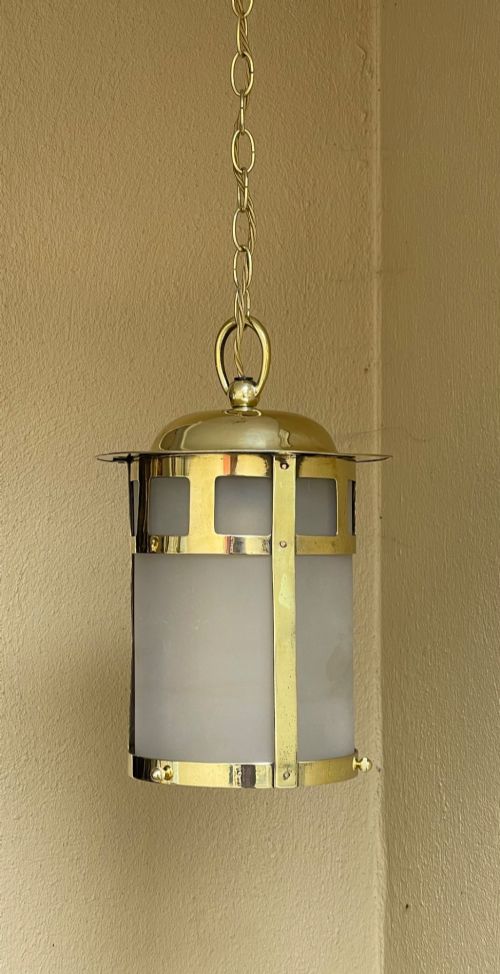
The selection on this page leans heavily towards Edwardian and Victorian designs, alongside distinct Art Deco and Arts and Crafts examples. Common configurations include multi-light chandeliers utilising cut glass or crystal drops, alongside hexagonal and cage lanterns suspended from sturdy chains.
Origins vary across English workshops and continental European foundries, particularly French makers utilising gilded bronze and intricate brass castings. Buyers often find specialised forms such as converted gasolieres and opaline glass pendants that reflect the lighting technology of their respective decades.
Markers of quality and craftsmanship
Quality in these overhead fixtures reveals itself through the crispness of the brass or bronze casting and the depth of the metal finishing. Superior examples display sharply defined ornamentation, substantial metal gauge thickness, and secure mechanical joints rather than lightweight pressed components.
The integration of glass elements further distinguishes finer pieces, seen in heavy cut glass shades, hand-formed opaline glass, or high-lead crystal drops that retain sharp facets and clear refraction. Proportions between the structural metalwork and the glassware dictate the visual balance of the assembled fixture.
Listings feature Edwardian, Victorian, and 1930s periods, utilising materials including cut glass, gilded bronze, and cast brass.
G.E.C
The Period Brass Ceiling Light Glossary
- Plafonnier
- A ceiling-mounted light fixture positioned directly against the ceiling rather than suspended on a drop chain or cord. These typically feature decorative glass bowls held within brass or bronze mounts.
- Gasoliere
- A historic lighting fixture originally designed to burn coal gas before being converted for electricity. These often feature distinctive key taps and rigid central gas supply pipes adapted into wiring conduits.
- Ormolu
- A metallic technique involving the application of finely ground high-carat gold to a bronze base object. This creates a durable, warm golden finish seen on French decorative mounts and chandelier components.
- Cage chandelier
- A style of multi-light fixture featuring an internal metal skeletal frame that supports numerous crystal drops and swags. The structural metalwork remains largely hidden behind dense arrangements of glass.
- Hall lantern
- An enclosed hanging light designed specifically for entranceways and corridors. These usually comprise a metal frame glazed with glass panels to protect the internal burner or bulb from drafts.
Period Brass Ceiling Light: Frequently Asked Questions
How do I clean an antique brass light?
Dust the metalwork gently with a soft, dry brush to preserve any existing historic patina. Avoid harsh chemical polishes that can strip away the aged surface character.
For glass elements or crystal drops, remove them carefully if possible and wash them in lukewarm soapy water. Dry them thoroughly before reattaching them to the fixture.
Can these old lights take modern bulbs?
Most period ceiling fixtures have been rewired for contemporary electrical standards during their lifespan. They generally accept standard modern screw or bayonet bulbs.
Consult a qualified electrician to verify the internal wiring capacity and ensure the fitting safely supports current electrical loads.
How do I determine the right hanging height?
Consider the clearance required for foot traffic underneath the lowest point of the chandelier or pendant. Hallways and high-ceilinged rooms accommodate longer drop chains and multi-tiered fixtures.
In dining spaces, fixtures typically hang lower over tables, while standard rooms require sufficient clearance for safe passage below.
What is the difference between bronze and brass?
Brass is an alloy composed primarily of copper and zinc, producing a bright golden tone when polished. Bronze consists mainly of copper combined with tin, resulting in a darker, heavier material.
Both metals were utilised across different periods for structural strength and decorative richness in lighting design.