

French Gilt Bronze Pendant
French gilt bronze pendant fixtures bring decorative illumination into rooms through cast metalwork and suspended forms.
French Gilt Bronze Pendant
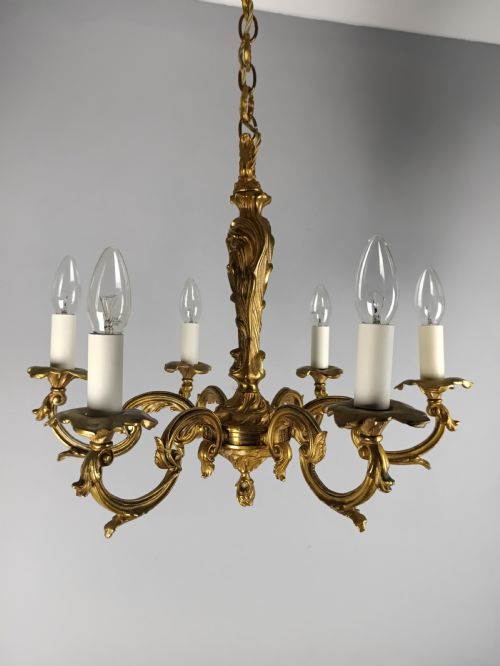
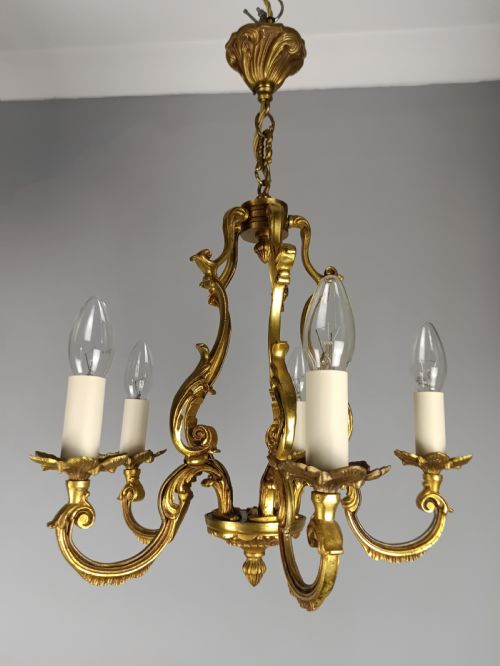
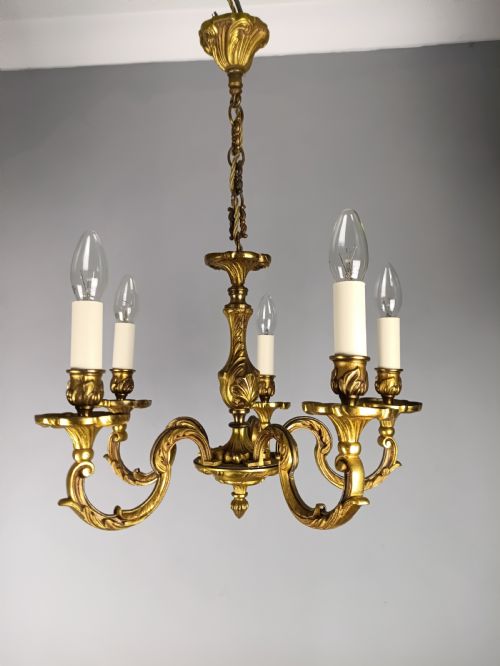
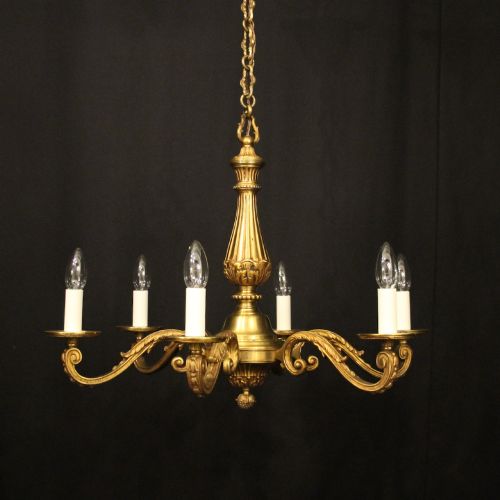
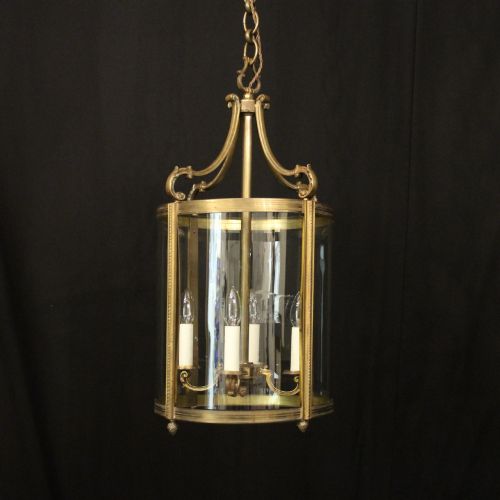
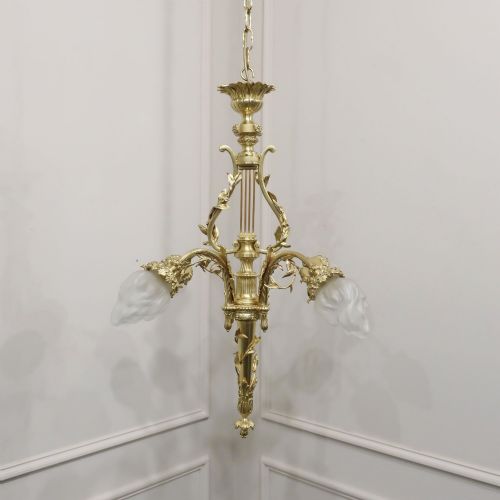
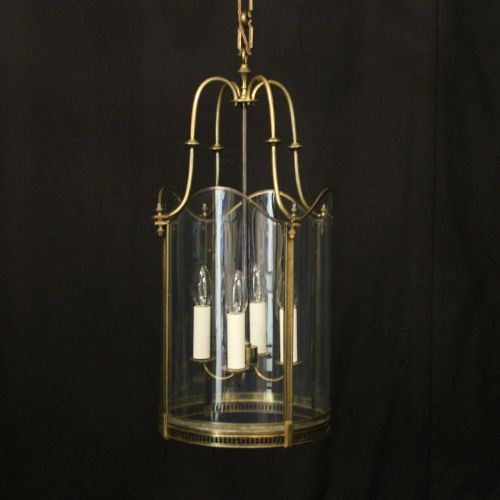
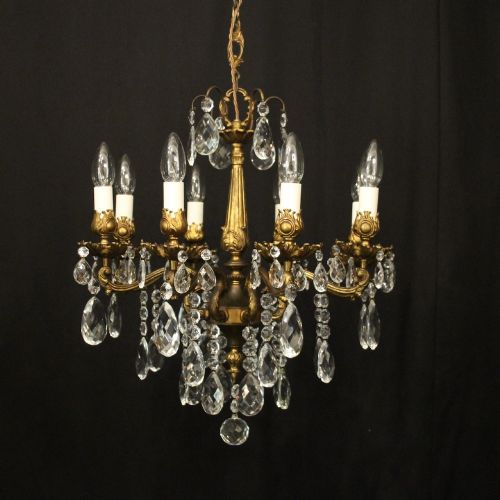
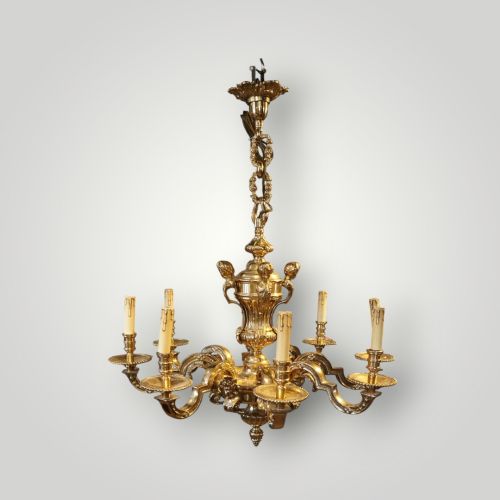
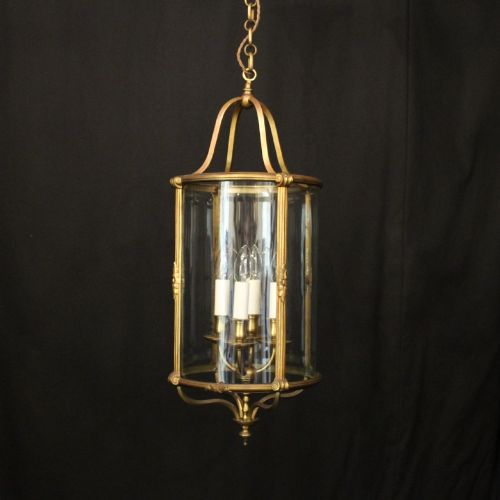
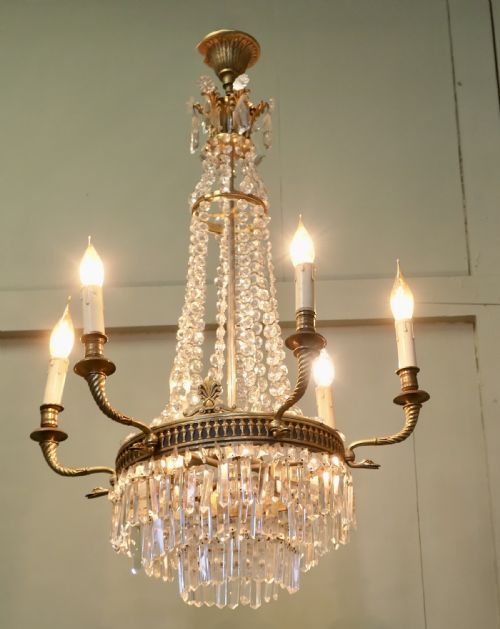
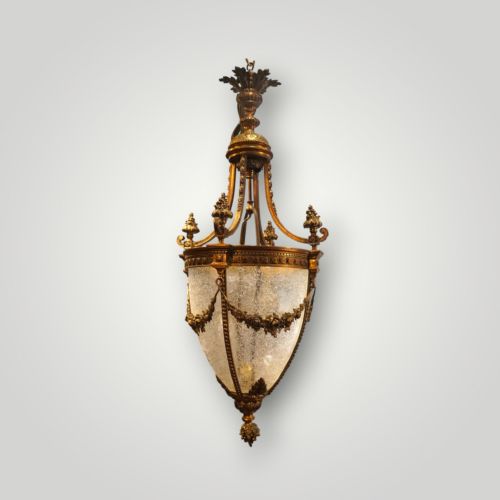
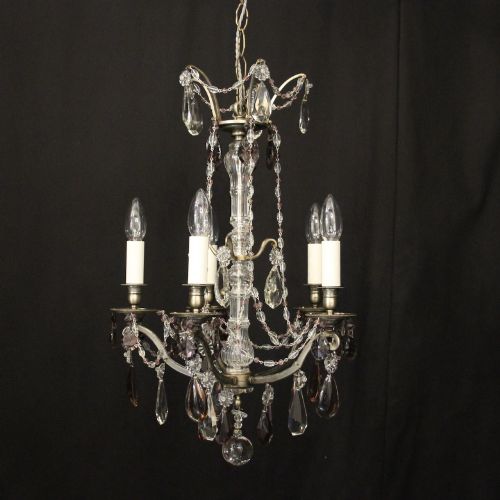
A French gilt bronze pendant fixture represents a suspended lighting form originating from various periods including the nineteenth century and the early twentieth century. These pieces encompass chandeliers, hall lanterns, and hanging lanterns designed to illuminate interior spaces. Buyers searching for a french gilt bronze pendant encounter works shaped by historical French design traditions.
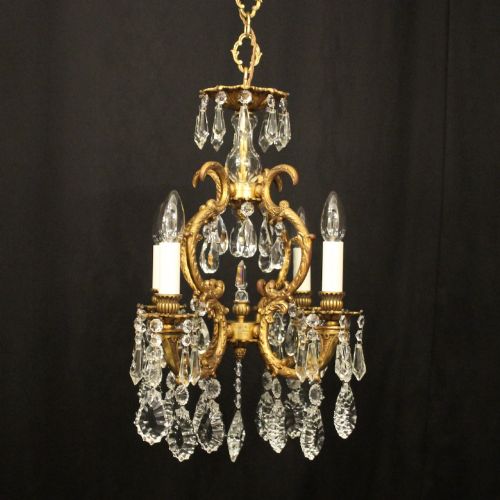
The selections on this page demonstrate distinct stylistic influences such as French Neoclassical, French Empire, and French Rococo Revival. Forms range from multi-arm chandeliers decorated with crystal drops to enclosed convex hall lanterns. Each object serves as a primary ceiling light source rooted in continental craftsmanship.
Materials and Construction Techniques
Construction relies upon metals such as bronze, brass, and spelter, often finished with a layer of gilt. Makers combined these cast and chased metal structures with cut glass and crystal components to diffuse light effectively. Surface gilding provides a reflective golden finish across the primary framework of the pendant.
Assembly methods involve securing multi-light branches, central stems, and hanging rings together mechanically. Glass elements including crystals and spikes attach via wire or pins to the metal armature. These combined materials create the weighted suspension required for ceiling mounting.
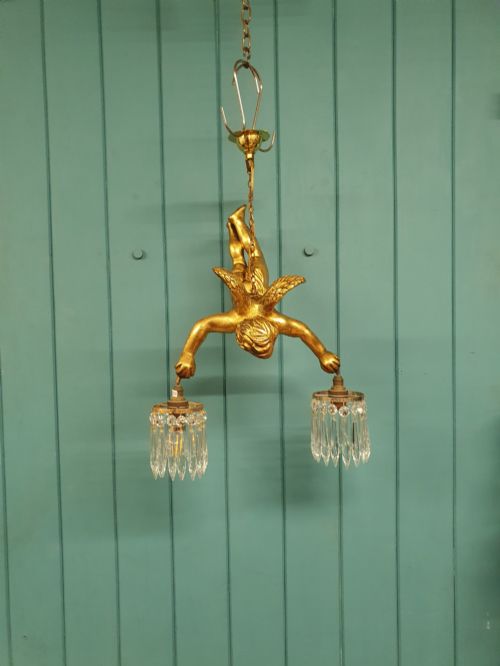
Flying cherubs occasionally join the crystal spikes to supervise the illumination.
Distinctions in Quality
Quality differentiates through the crispness of the chased detail upon the metal surface and the depth of the gilding. Finer examples display sharply defined ornamentation on cast bronze elements rather than softer impressions found in alternative alloys. The integration of high-grade cut glass or crystal drops further elevates the standard of a piece.
Structural complexity also defines the upper tier of these fixtures, seen in multi-tiered tent and waterfall configurations or elaborate figural components. The harmony between the metal frame, the number of light branches, and the suspended crystal elements dictates the overall execution of the design.
G.E.C
The French Gilt Bronze Pendant Glossary
- Gilt bronze
- Metal cast into decorative forms and coated with a layer of gold or a golden finish. This material forms the primary structure of many historical hanging lights.
- Tent and waterfall chandelier
- A lighting configuration where strings of crystal beads form an upper tent shape above a cascading waterfall effect of crystals. This style appeared frequently in nineteenth-century French interiors.
- Hall lantern
- An enclosed hanging light designed specifically for entryways and corridors. These fixtures often utilise convex glass panels within a metal frame.
- Spelter
- A zinc alloy utilised as a substitute for bronze in decorative metalwork. It frequently received a gilt surface coating to mimic higher-end materials.
- Lyre chandelier
- A lighting design incorporating the symmetrical, curved shape of the ancient musical instrument within the central bronze framework.
French Gilt Bronze Pendant: Frequently Asked Questions
What periods do these pendants span?
The lighting fixtures originate from the nineteenth century through to the early decades of the twentieth century. Specific dates recorded across the inventory include the 1880s, 1890s, and the 1920s to 1930s.
These dates reflect both nineteenth-century revival movements and later twentieth-century manufacturing periods. Each era brought specific stylistic interpretations to French hanging lights.
How were these pendants originally used?
These fixtures hung from ceilings in domestic interiors to provide primary illumination for rooms and hallways. Multi-arm chandeliers lit principal reception spaces while enclosed lanterns illuminated entrance halls.
Their placement elevated the status of interior spaces through decorative metalwork and candle or electric illumination. The designs matched the architectural scale of high-ceilinged rooms.
How do I identify different styles?
Styles derive from distinct historical design vocabularies visible in the metal ornaments and overall silhouette. Neoclassical examples utilise symmetrical geometry and musical motifs, while Rococo pieces feature asymmetrical scrollwork.
Empire style works display military or classical architectural references. Observing the specific cast ornamentation clarifies the stylistic origin.
What materials make up these fixtures?
Primary construction materials include bronze, brass, and gilt-finished metals paired with cut glass and crystal. Some examples incorporate spelter as an alternative metal base.
Surface finishes consist primarily of gilding applied to the bronze or brass framework. Crystal drops and glass panels complete the composition by adding reflective qualities.