
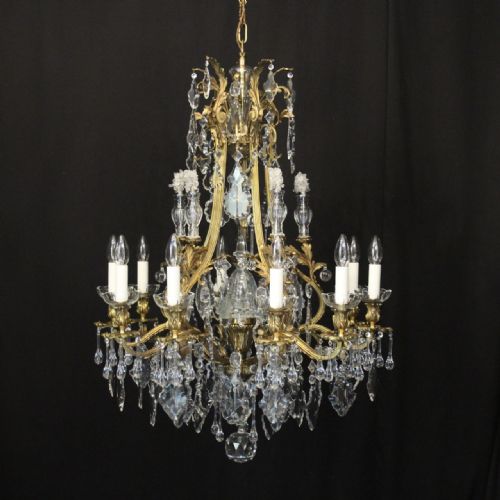
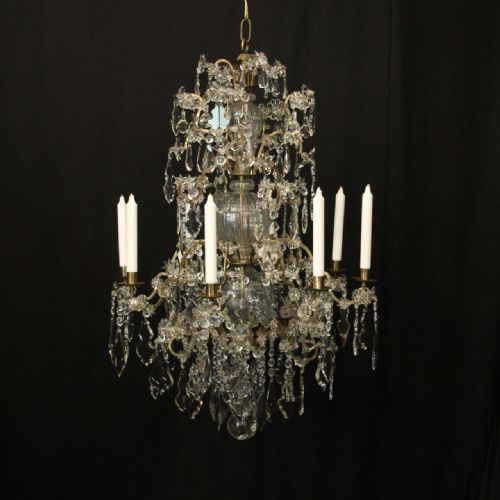


Gilded Bronze Candle Chandelier
A gilded bronze candle chandelier brings weighty French and Italian presence into a room through cast metal and warm illumination.
Gilded Bronze Candle Chandelier
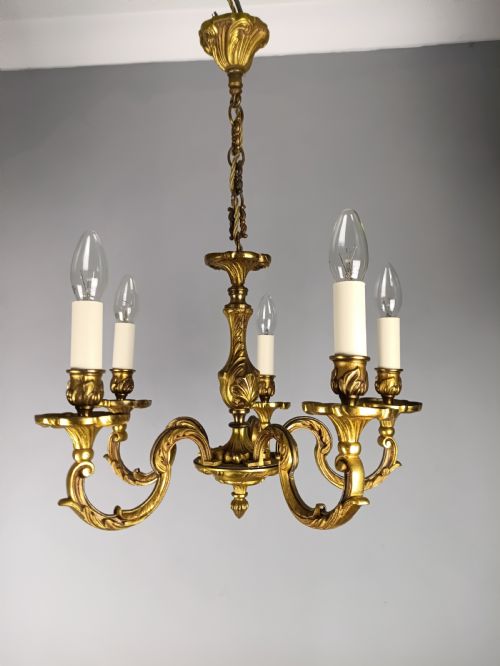
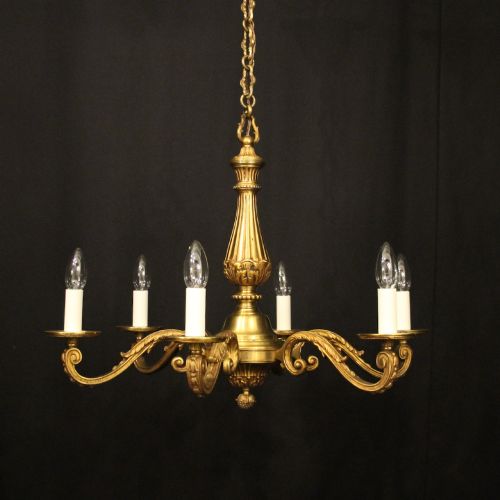
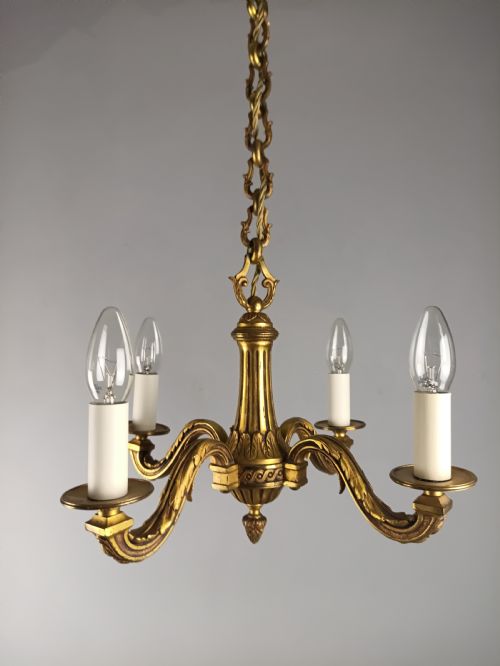
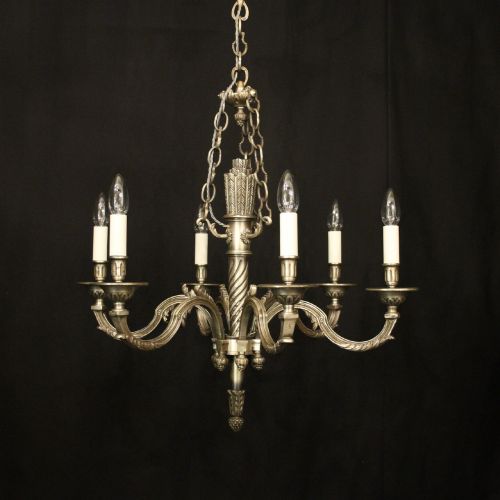
A gilded bronze candle chandelier is a fixture designed to hold multiple candles on arms extending from a central body, finished in gold tones. These pieces appear primarily in French designs spanning the nineteenth century through the early decades of the twentieth century. Examples range from modest four-light configurations to double-tiered structures holding sixteen lights.
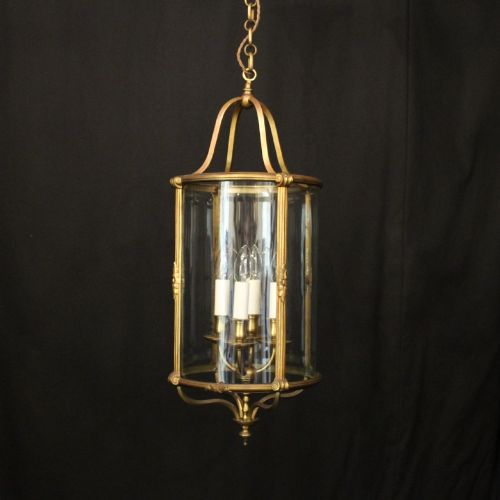
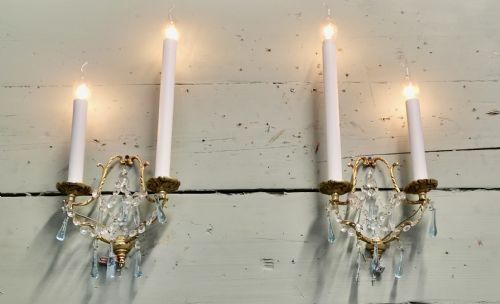
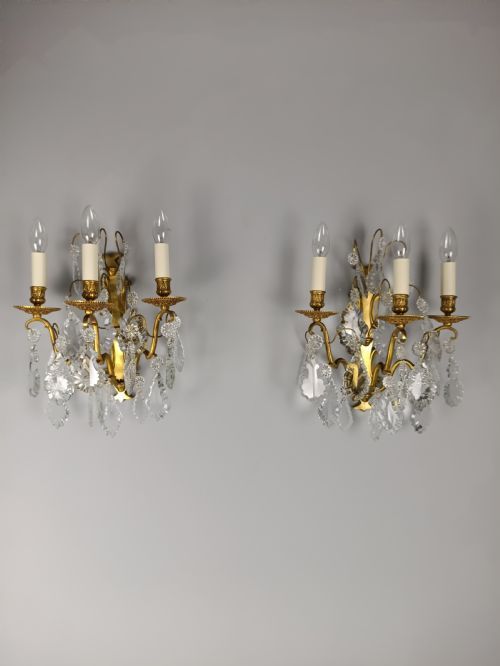
The prevailing styles draw heavily upon French neoclassical, baroque, and rococo traditions, alongside Florentine baroque variations. Alongside standard chandeliers, buyers encounter wall lights, hanging lanterns, and wall sconces sharing the same metalwork vocabulary. The majority originate from French workshops, supplemented by Italian Florentine examples.
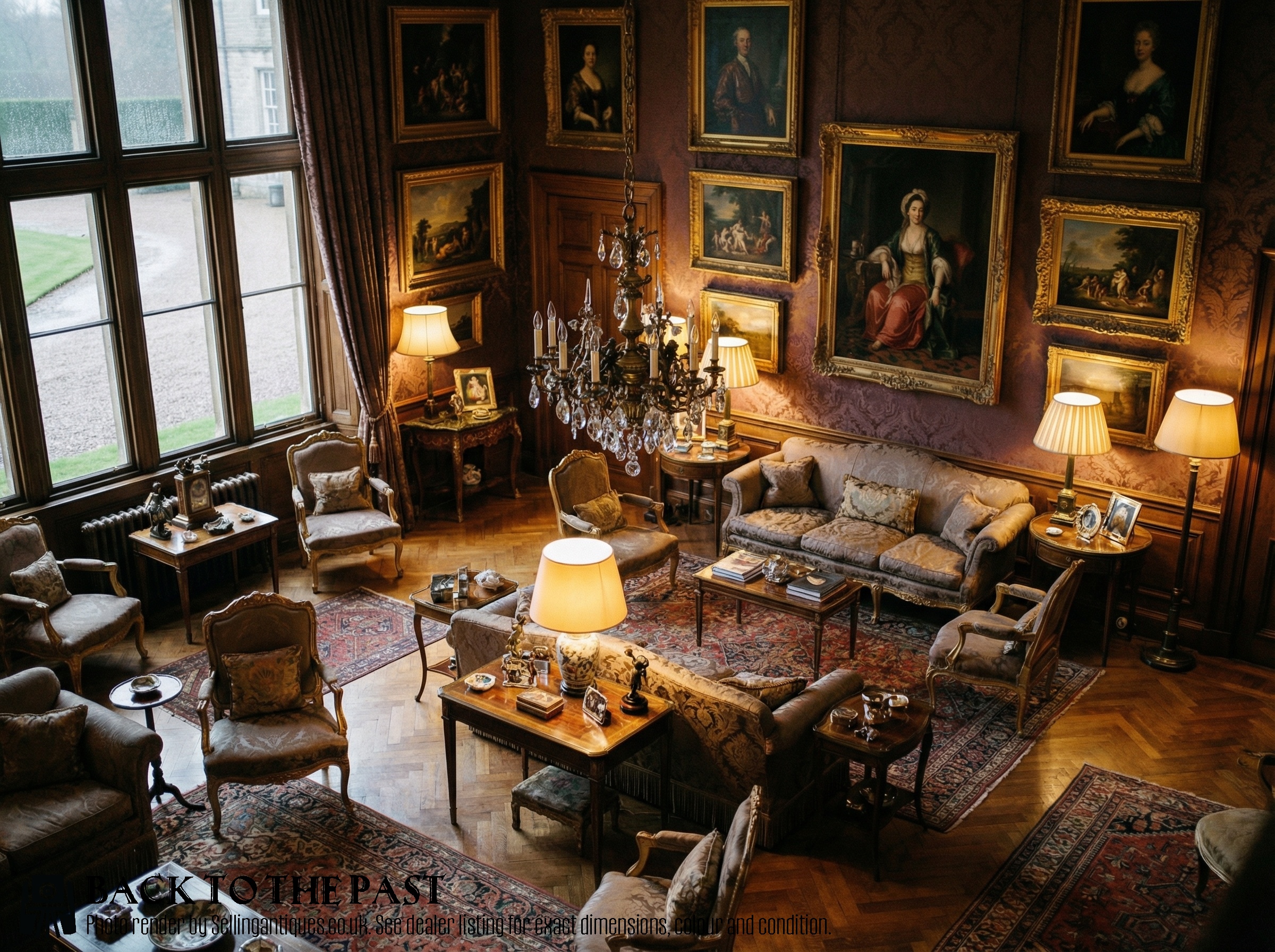
Materials and construction
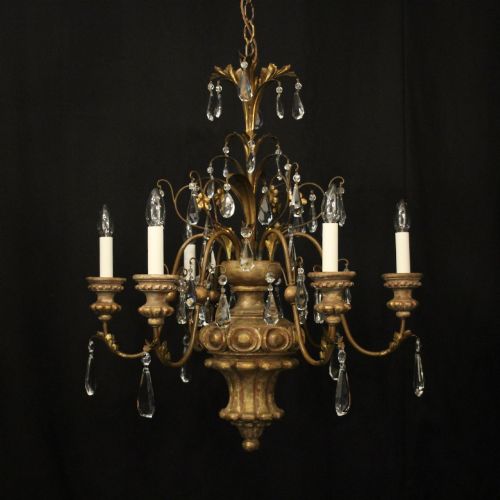
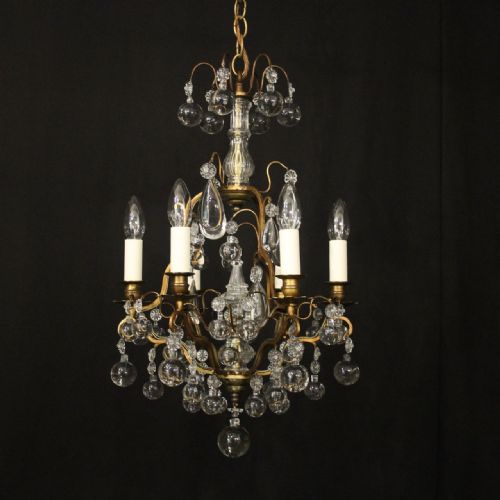
Construction relies on cast bronze or brass treated with a gilded surface finish, sometimes taking the form of silver gilt. Artisans incorporated glass and cut crystal drops, pendeloques, or bobeches to refract the light from candles. Metal components were cast in sections, chased, and joined to form multi-arm frames capable of supporting heavy glass elements.
The combination of cast metal and crystal requires a balanced framework, particularly in larger multi-tiered or eleven-light structures. Wiring modifications appear on pieces originally configured solely for wax candles, adapting historical frames for contemporary interiors while retaining the primary metal and glass components.
Listings feature pieces spanning the nineteenth century through the 1930s, constructed from gilded bronze, brass, glass, and cut crystal.
Distinctions in craftsmanship
Quality rests in the crispness of the bronze casting and the depth of the chasing work on the metal arms and nozzles. Superior pieces display finely articulated detail in decorative motifs like cherubs or acanthus leaves, whereas lesser examples present softer, shallower surface carving. The weight of the bronze and the clarity of the integrated cut crystal further separate standard production from exceptional examples.
The integration of the lighting tiers dictates the visual rhythm of the piece, particularly in larger double-tiered fixtures. Uniformity in the gilding across complex frames and the absence of clumsy repairs indicate superior initial manufacture.
The Gilded Bronze Candle Chandelier Glossary
- Gilded Bronze
- Bronze coated with a thin layer of gold or gold-coloured leaf. This finish provides the characteristic metallic warmth seen across French and Italian lighting.
- Bobeche
- A small collar or drip pan fitted beneath the candle nozzle. It catches melted wax and often supports hanging crystal prisms.
- Chandelier
- A branched ceiling-mounted lighting fixture designed to hold multiple light sources. In historical contexts, these fixtures utilised candles before conversion to electricity.
- Rococo
- An ornate artistic style characterised by asymmetry, scrollwork, and naturalistic plant motifs. This aesthetic heavily influences many nineteenth-century French lighting designs.
- Pendeloque
- A hanging glass or crystal pendant cut with facets to catch and reflect light. These elements frequently depend from the arms or crown of the fixture.
Gilded Bronze Candle Chandelier: Frequently Asked Questions
How do I clean a crystal chandelier?
Maintenance requires gentle cleaning of the metal and glass components using mild solutions and soft cloths without removing the fixture from its mounting. Care must be taken around historical gilt surfaces to preserve the original finish.
Crystal drops can be wiped individually while suspended, avoiding harsh chemical sprays that might damage the bronze underneath.
Were these fixtures originally wired for electricity?
These pieces were built originally to hold wax candles in domestic interiors before modern electrical wiring was introduced. Many surviving examples have subsequently undergone rewiring to function safely with electric lamps.
Conversions often integrate internal wiring through the central hollow shaft and arms while maintaining the external appearance of candle tubes.
How do I determine the period of a chandelier?
Dating relies on stylistic indicators within the casting, such as the specific interpretation of neoclassical or baroque ornament. Nineteenth-century pieces generally exhibit heavier cast bronze construction and hand-finished chasing compared to later iterations.
Documentation or stylistic markers associated with French and Italian workshops help narrow the production era to specific decades like the 1900s or 1930s.
Where should I hang a large chandelier?
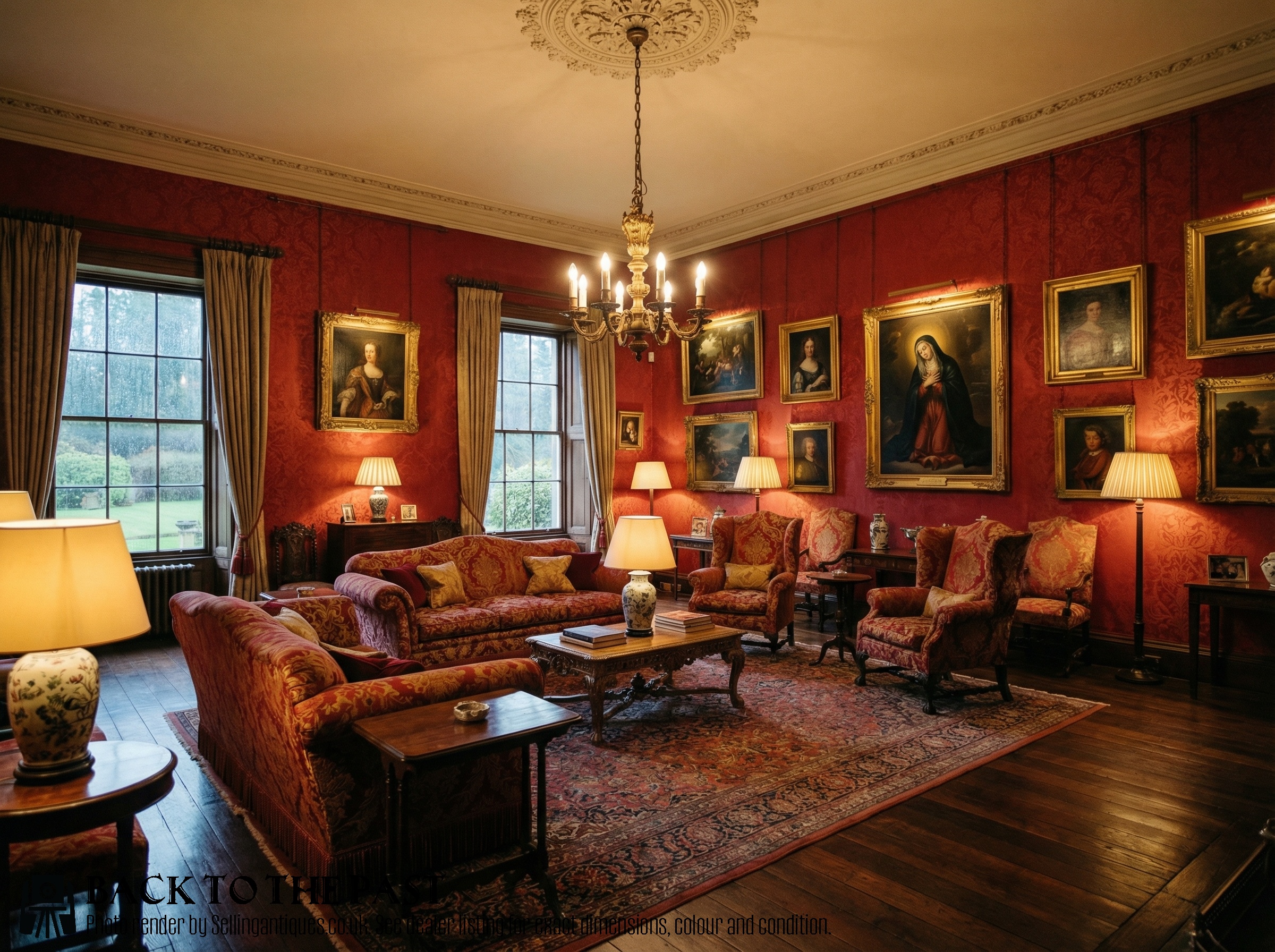
Large multi-tiered fixtures require high ceilings and substantial structural support in the ceiling joists due to the combined weight of bronze and crystal. Dining rooms and entry halls provide traditional placement where the spread of arms can command the space.
Clearance below the lowest crystal drop must be considered to ensure safe passage underneath the fixture.