




Vintage Bronze Hanging Lamp
A vintage bronze hanging lamp brings warm, architectural character to a room, ranging from grand French chateau lanterns to sleek Art Deco fixtures.
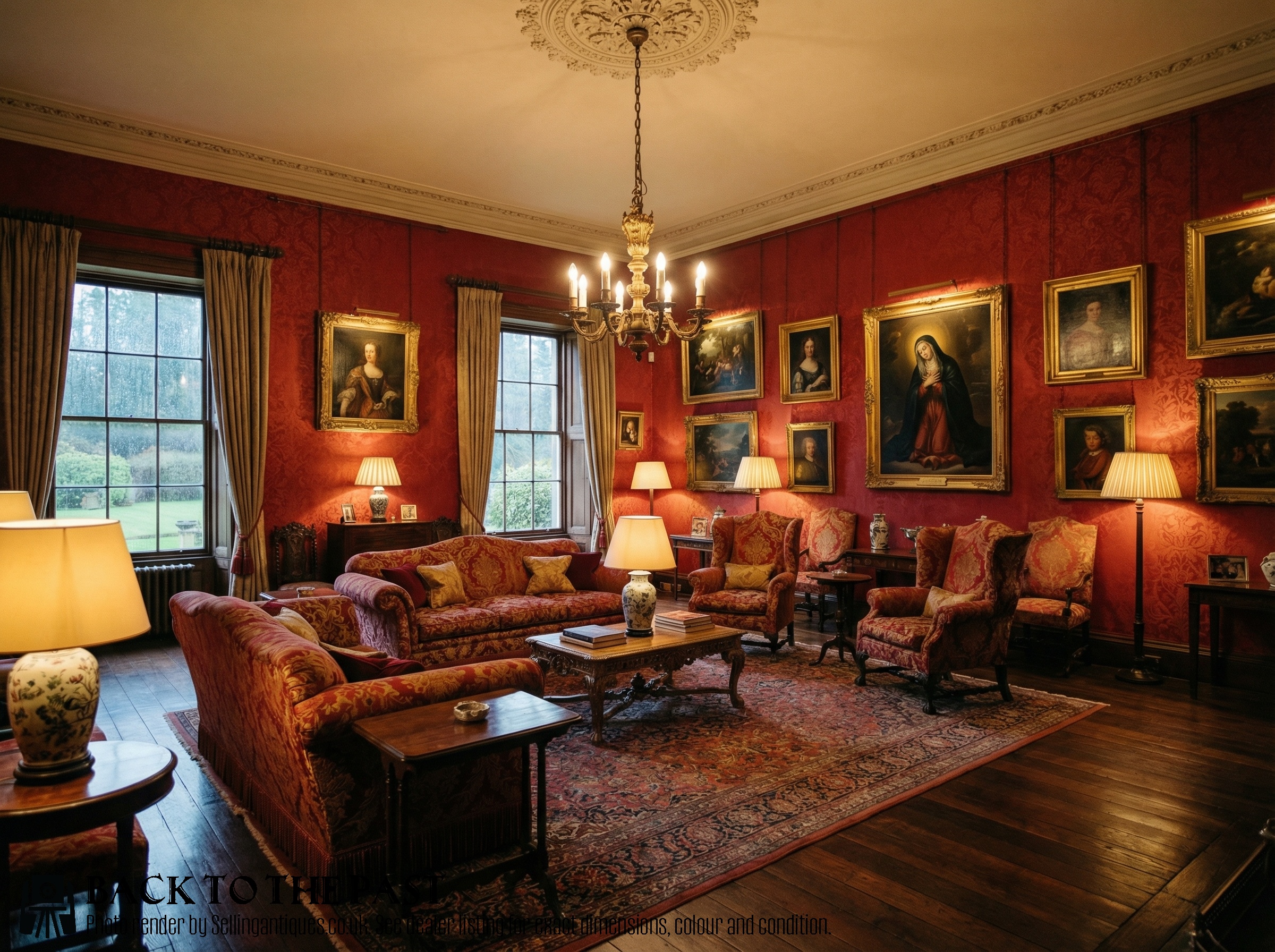
Vintage Bronze Hanging Lamp
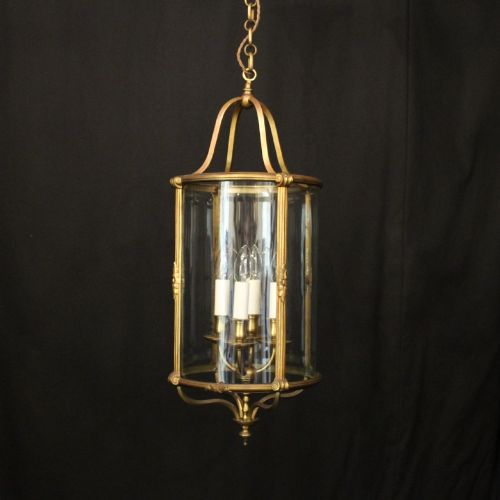
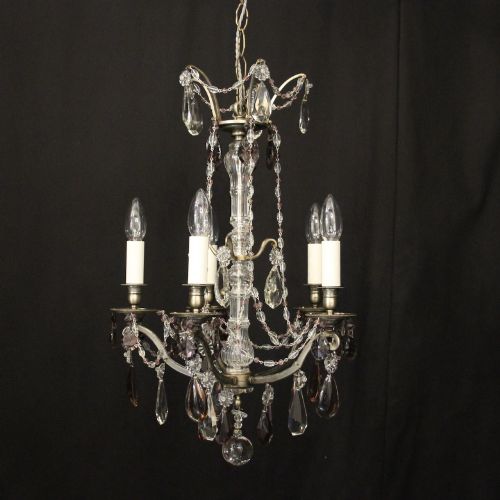
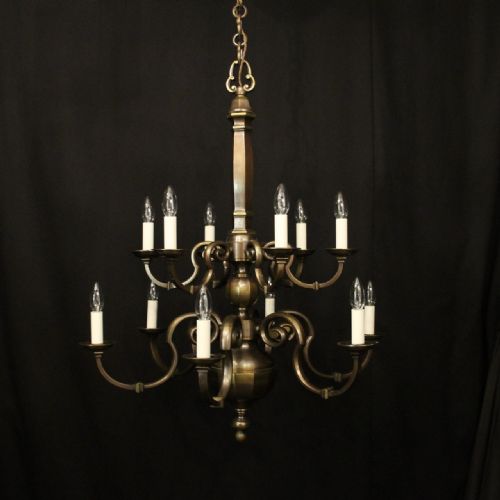
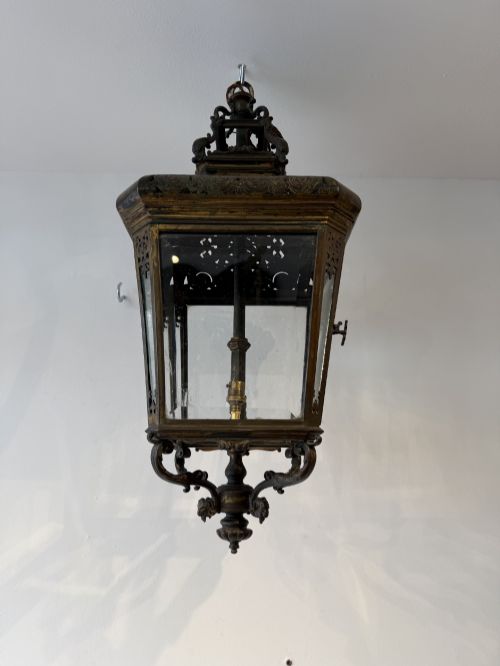
A vintage bronze hanging lamp is primarily encountered on this page as ceiling lighting, chandeliers, hall lanterns, and pendant lights originating from the nineteenth and early twentieth centuries. These pieces span Victorian, Edwardian, Art Deco, and classical continental styles including French Neoclassical, Empire, and Rococo forms.
Buyers seeking a vintage bronze hanging lamp will find everything from single-light hall lanterns and pendant lights with frosted or cut glass shades to multi-arm chandeliers carrying up to eighteen lights. The selection draws heavily on continental workshops, particularly French gilded bronze and English cast metal designs.
Materials and construction
These pieces are built primarily from cast bronze, brass, and gilt metal, often combined with clear, coloured, or frosted glass elements and crystal drops. Makers utilised casting and gilding techniques to achieve heavy, rigid frames designed to suspend securely from ceilings.
Surface treatments range from natural patinated bronze to heavy gilding and silver-gilt finishes. Glass components include moulded shades, faceted crystals, and heavy bowl forms that diffuse the light cast by the internal branches.
Design styles present in the inventory range from French chateau and Empire to austere Neoclassical and robust Arts and Crafts forms.
Distinctions in quality
Quality in these hanging lights is defined by the crispness of the bronze casting and the depth of the original gilding or patina. Finer examples show meticulous hand-chasing on the metalwork and heavy, high-clarity crystal or glass drops rather than pressed glass.
The architectural scale and structural integrity of the frame also set pieces apart, with superior chandeliers featuring substantial arm counts, integrated decorative motifs like rams' heads or lyres, and robust internal wiring channels.
G.E.C
The Vintage Bronze Hanging Lamp Glossary
- Bronze
- An alloy consisting primarily of copper, traditionally used for durable and ornate metalwork. It forms the structural and decorative core of many antique hanging lamps.
- Gilt bronze
- Bronze that has been coated with a thin layer of gold or gold leaf, also known as ormolu. This finish provides a bright, reflective surface popular in French neoclassical and empire lighting.
- Hall lantern
- An enclosed hanging light designed specifically for entryways and corridors. These fixtures often feature glass panels held within a metal framework.
- Chandelier
- A branched, decorative ceiling-mounted light fixture designed to hold multiple bulbs or candles. They vary from simple multi-arm brass frames to large crystal-drop creations.
Vintage Bronze Hanging Lamp: Frequently Asked Questions
How do I hang a heavy bronze chandelier safely?
Hanging a heavy cast bronze fixture requires securing the light directly to a ceiling joist or using a rated structural ceiling box capable of supporting the combined weight of the metal and glass. Professional installation is strongly recommended for multi-arm chandeliers and large lanterns.
Ensure that the chain and ceiling canopy are rated for the total weight before final mounting takes place. An electrician can also verify that the internal wiring meets current safety standards while preserving the antique metal components.
Were these lamps originally wired for electricity?
Many pieces dating from the nineteenth and early twentieth centuries were originally designed for gas or candles before being converted to electricity during their working lives. Others were manufactured during the transitional Edwardian and Art Deco periods specifically for electric illumination.
When examining a fixture, look at the internal channels to understand how wiring was integrated through the arms and central stem. Rewiring is a standard part of living with vintage lighting and allows for safe daily use.
What is the difference between an Empire and a Neoclassical chandelier?
Empire style lighting draws inspiration from the classical architecture of ancient Rome and Napoleon's reign, typically featuring symmetrical geometric shapes, waterfall drops, and military or laurel motifs. These pieces often emphasise a tight, dramatic silhouette.
Neoclassical designs, while also rooted in classical antiquity, tend to display lighter, more restrained decorative elements such as urns, fluted columns, and delicate swags. Both styles make prominent use of gilt bronze and crystal components.