
Candle Arm Ceiling Light
A candle arm ceiling light brings sculptural presence and warm illumination overhead, drawing the eye upwards with period character.
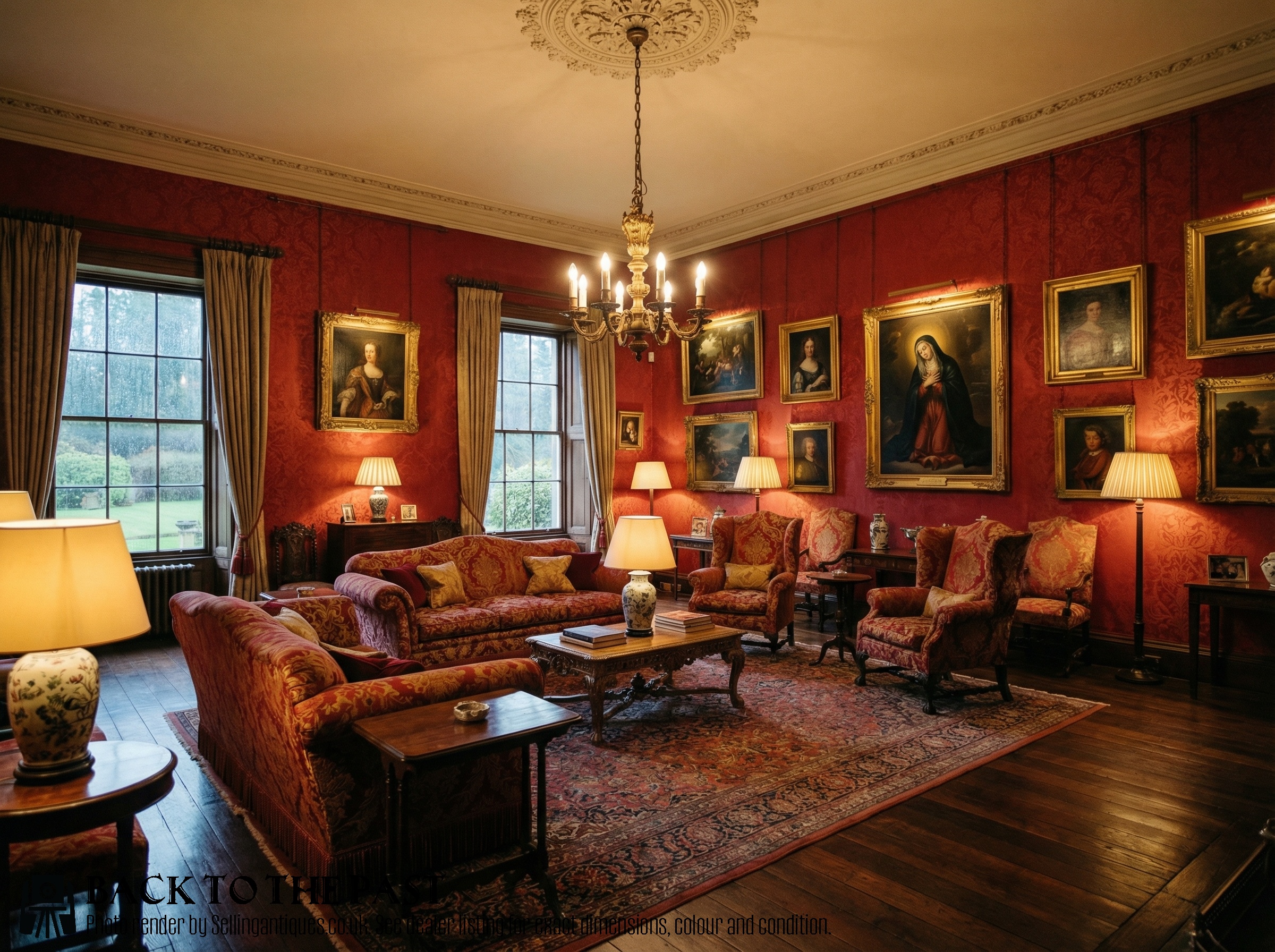
Candle Arm Ceiling Light
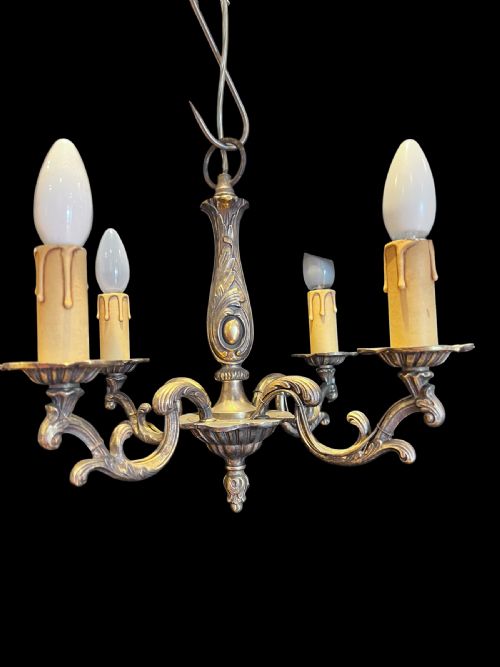
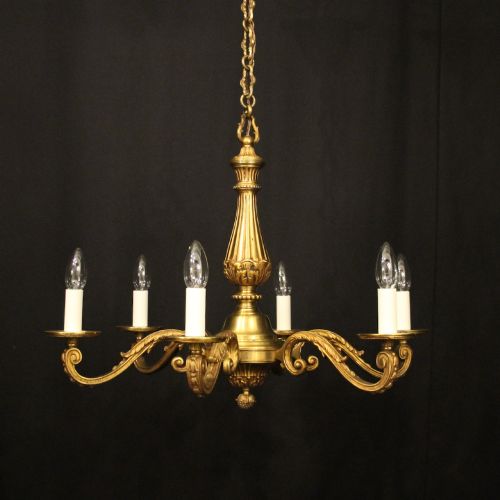
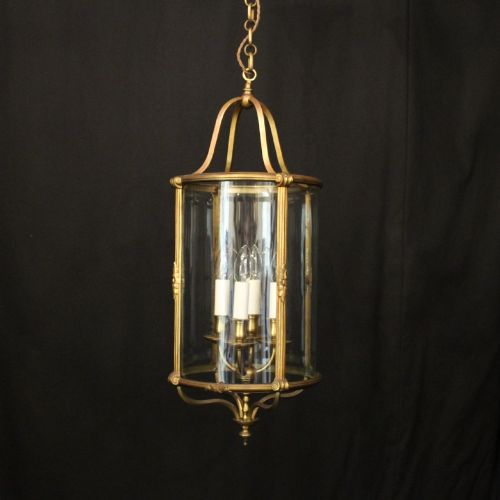
A candle arm ceiling light spans grand chandeliers and hanging lanterns designed to project illumination outward from multi-branched brackets. When you search for a candle arm ceiling light, you encounter fixtures originating predominantly from French, English, and Dutch workshops across the nineteenth and early twentieth centuries.
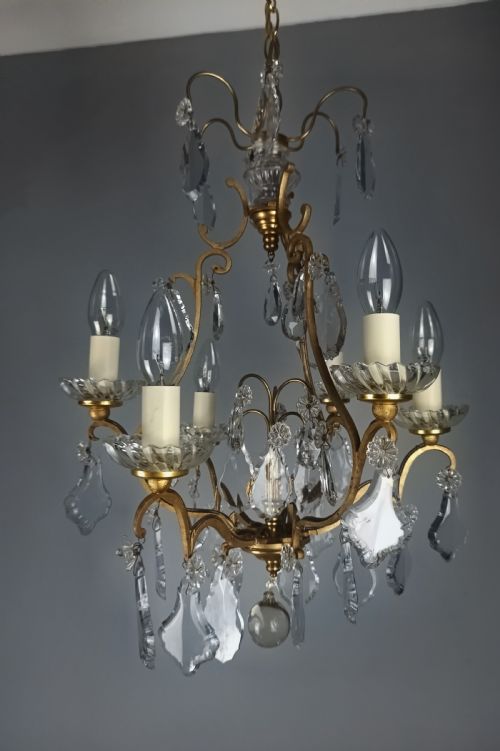
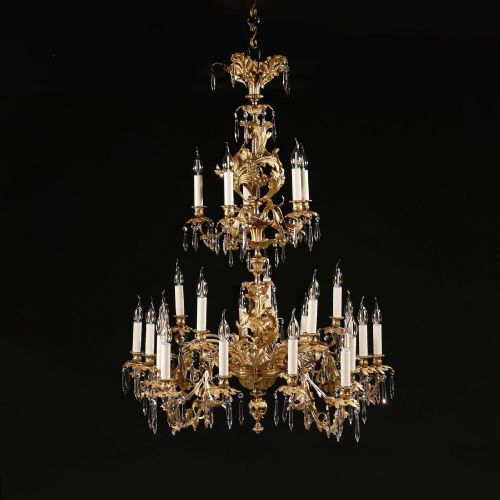
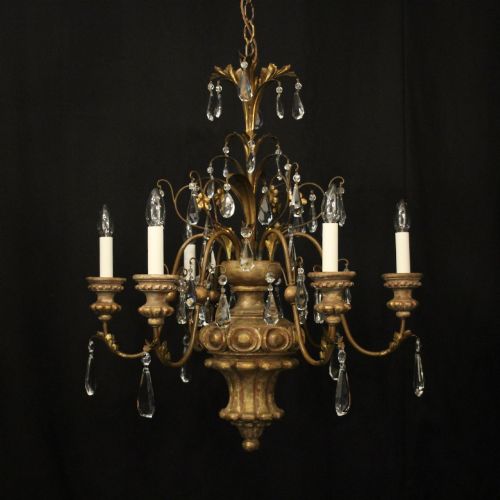
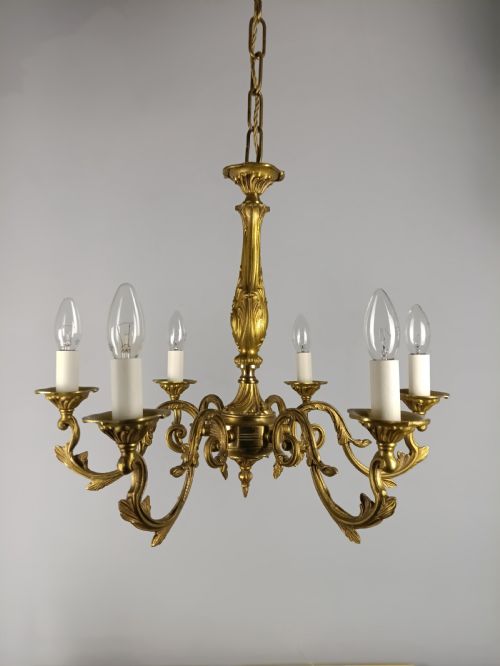
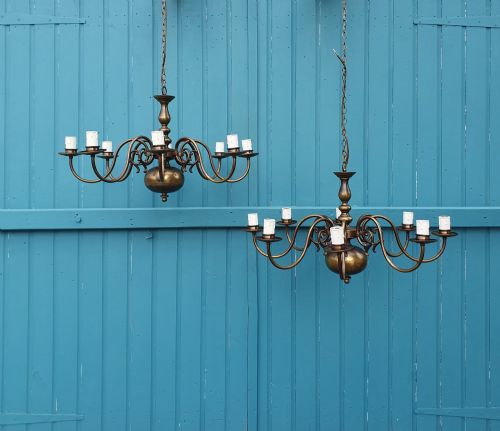
The selections on this page heavily feature French chandeliers executed in gilt bronze, brass, and crystal, alongside English brass fixtures and Dutch-style copper designs. These pieces range from simple three-branch lights to twenty-five light showpieces spanning Edwardian, Art Deco, and revival styles.
Makers and designers from periods such as the 1930s, 1920s, and the nineteenth century shaped these objects for high ceilings in formal rooms. Surviving examples retain their original arm configurations, often wired for modern use while preserving the proportion of the initial candle-simulating tiers.
Materials and construction
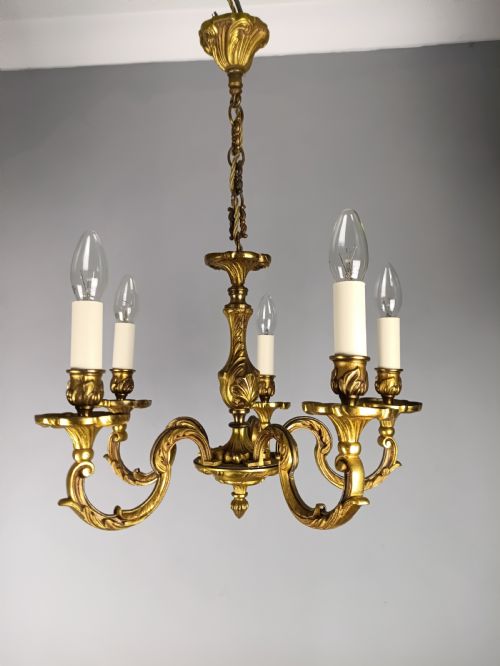
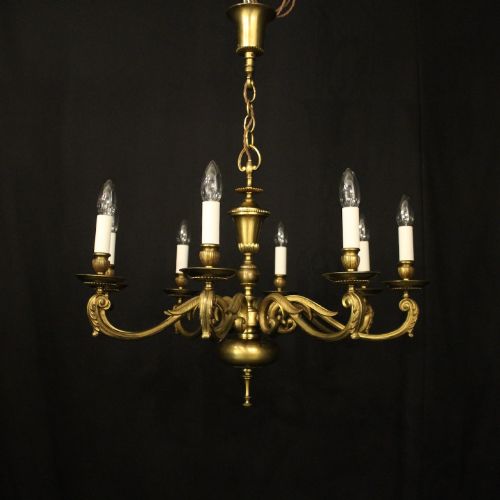
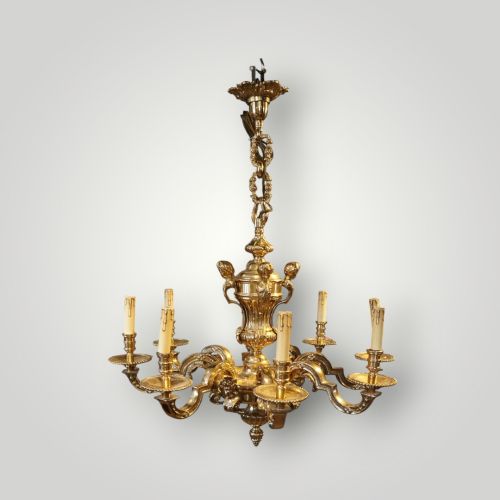
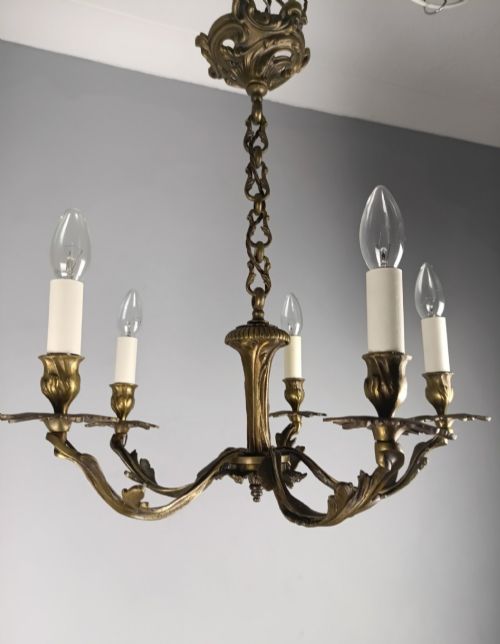
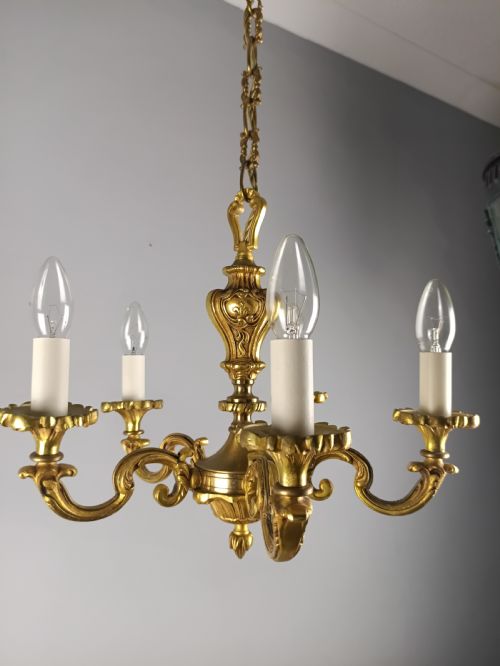
Foundry work dominates the construction of these fixtures, utilising cast bronze, gilt metal, and brass for the structural frames and branching arms. Metalworkers employed sand casting and chasing techniques to produce crisp surface ornamentation, particularly visible on French rococo, neoclassical, and empire models.
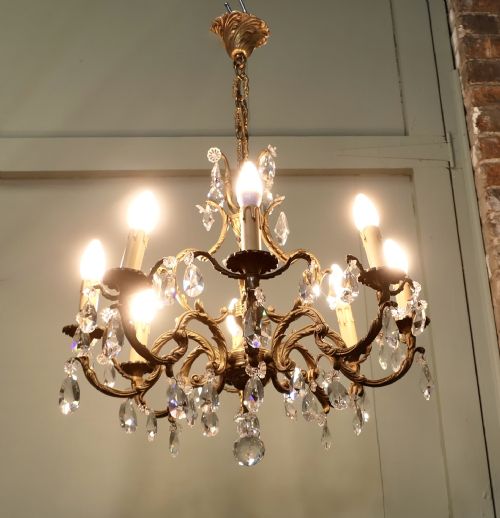
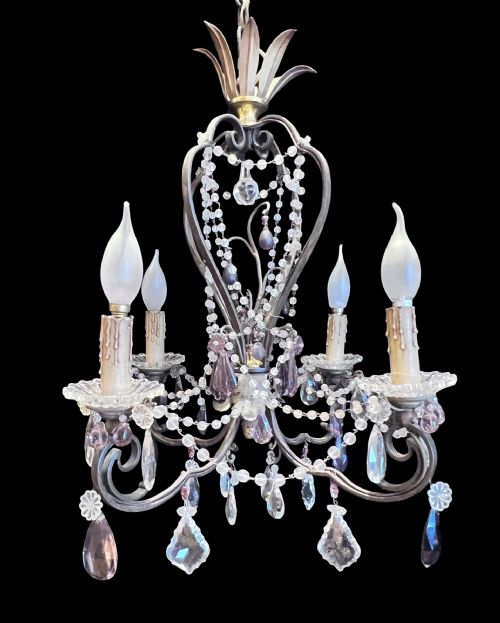
Glass and crystal components add considerable weight and brilliance, suspended from frames using wire loops or pinned mounts. Cut glass lustres, amethyst drops, and coloured crystal fruits catch and refract light from the internal bulbs.
Surface treatments range from fire gilding and silver plating to applied gesso and giltwood on Victorian frames. These finishes interact with the underlying bronze or brass to create varied patinas that develop depth over decades of exposure.
Some French chandeliers are secretly accessorised with crystal amber and mauve glass fruits dangling just beneath the candle arms.
Evaluating craftsmanship and integrity
The distinction between ordinary production and superior quality rests in the crispness of the metal chasing and the weight of the casting. Finer pieces display sharply defined acanthus leaves, balanced scrollwork, and arms that align symmetrically around the central stem.
The integration of crystal elements dictates upper-tier examples, where hand-cut glass lustres and coloured fruits show high refractive clarity without internal cloudiness or modern replacement parts. Original gilding intact on bronze or brass surfaces holds greater desirability than stripped or repainted metal.
Structural robustness in the central boss and arm joints separates sturdy architectural fixtures from weaker assemblies. Well-made frames support the downward pull of multiple candle arms and crystal drops securely without sagging or twisting at the seams.
G.E.C
The Candle Arm Ceiling Light Glossary
- Chandelier
- A branched ceiling-mounted lighting fixture designed to hold multiple light sources. They distribute illumination across large spaces while serving as central decorative focal points.
- Lustre
- A cut glass pendant or drop hung from the arms or crown of a lighting fixture. These pieces amplify light reflection and add visual sparkle.
- Gilt Bronze
- Bronze metal coated with a thin layer of gold or gold-coloured alloy, frequently termed ormolu in French pieces. It provides a durable, lustrous surface that resists tarnishing.
- Mazarin
- A specific multi-armed chandelier configuration often associated with elaborate seventeenth and eighteenth-century French and Dutch designs. This form utilises heavy bronze or brass casting with numerous candle branches.
- Gesso
- A plaster-based mixture applied to wooden or metal frames as a smooth base for gilding. It allows intricate moulded relief details to be applied before finishing with gold leaf.
Candle Arm Ceiling Light: Frequently Asked Questions
Can these antique lights use modern bulbs?
Most surviving fixtures accept standard modern candle-style LED bulbs once rewired to current safety standards. Electricians can easily adapt historical fittings to accommodate low-wattage LED alternatives that mimic candlelight without generating excessive heat.
Consult a qualified lighting restorer to inspect the internal wiring of older metal and crystal fixtures prior to installation. This ensures the vintage sockets and internal channels meet local electrical regulations.
How do I determine the correct hanging height?
A ceiling light suspended over a dining table generally hangs about thirty to thirty-six inches above the tabletop surface. In open hallways or living spaces, ensure the lowest point clears the floor by at least seven feet for safe clearance.
Consider the overall drop of the chandelier relative to your ceiling height when selecting a piece from this collection. Large multi-tier models require tall ceilings to maintain proper visual and spatial proportion.
How do I tell French and English styles apart?
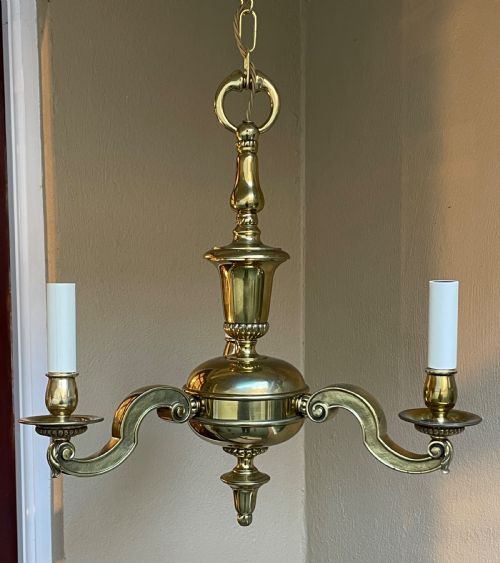
French fixtures typically showcase ornate rococo, neoclassical, or empire motifs with complex scrollwork, fire-gilt bronze, and abundant crystal drops. English examples often favour heavier cast brass structures with cleaner lines and restrained ornamentation.
Examine the casting quality and the style of the arm joints to identify regional manufacturing traits. Dutch and Flemish variants frequently incorporate heavy copper and brass components reflecting seventeenth-century maritime and domestic interior traditions.