

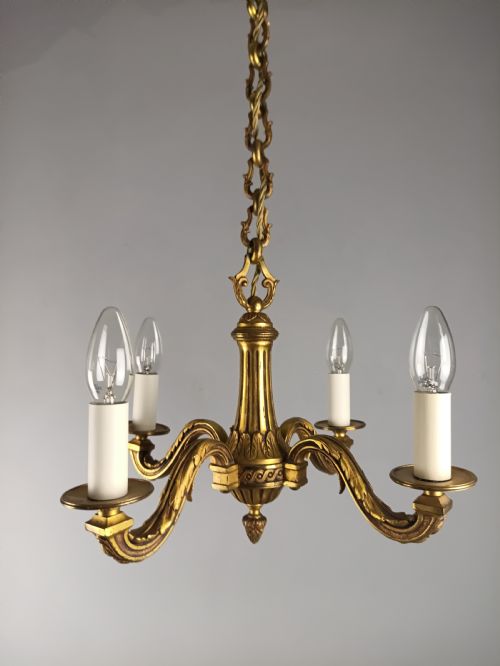
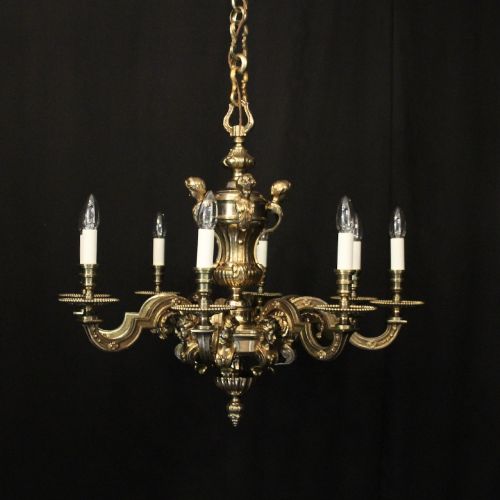
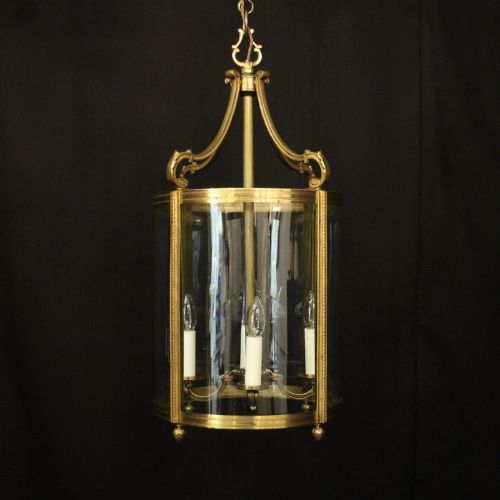
Gold Bronze Light Fitting
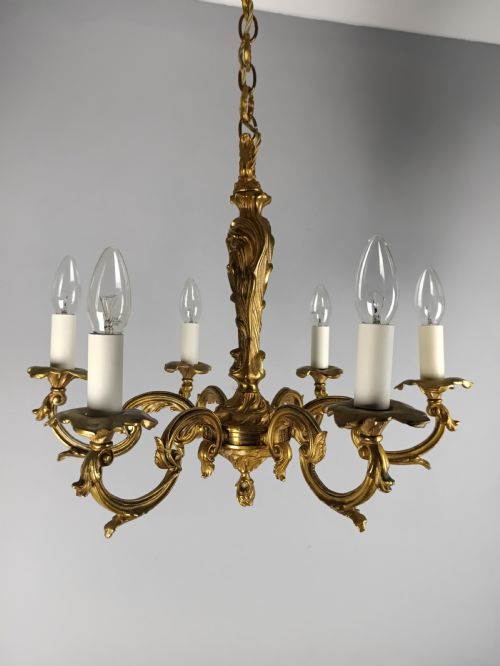
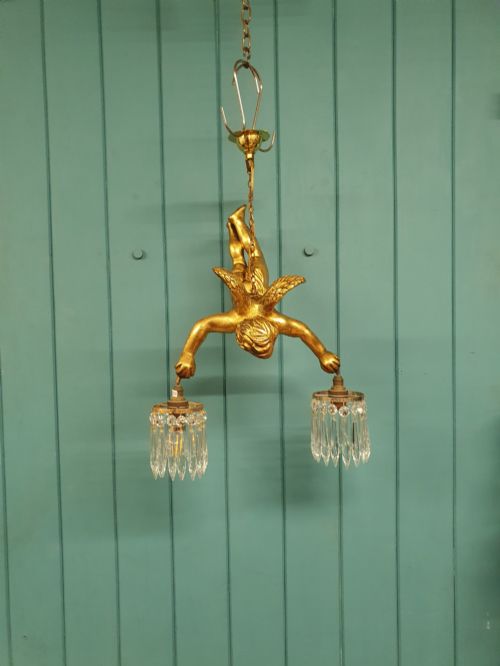
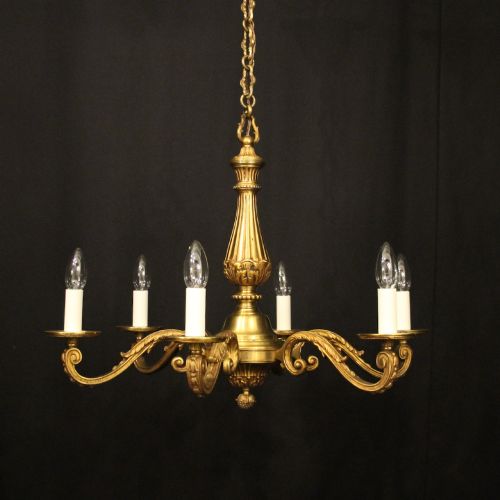
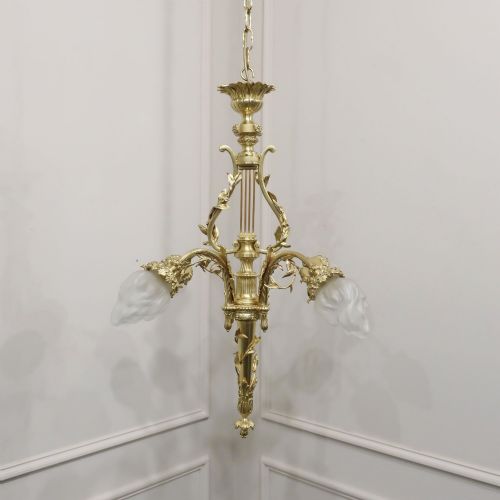
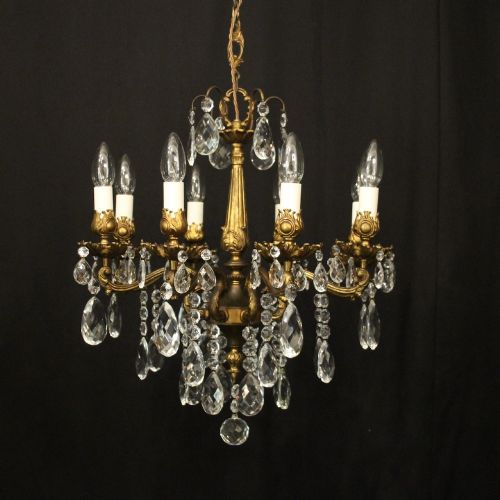
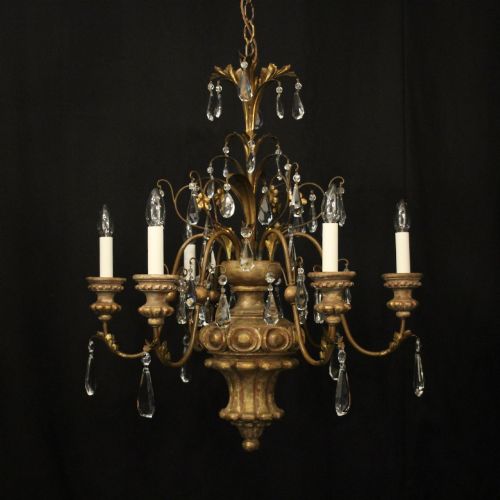
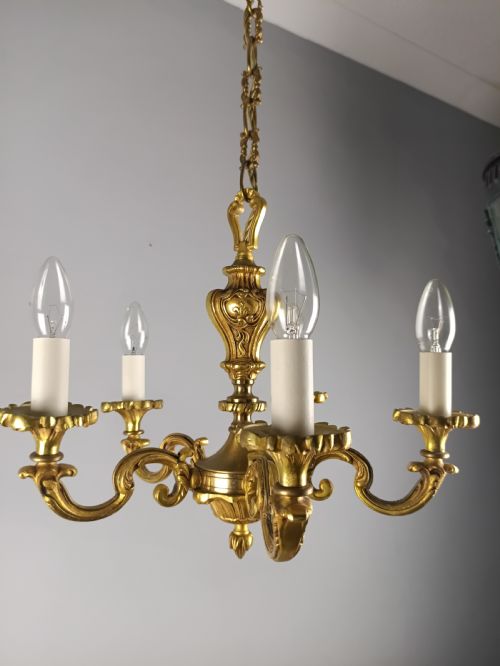
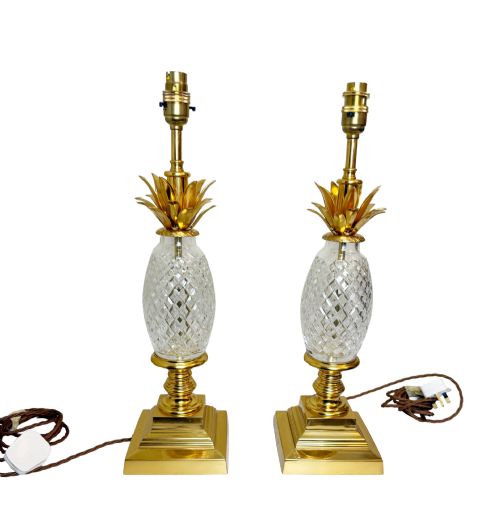
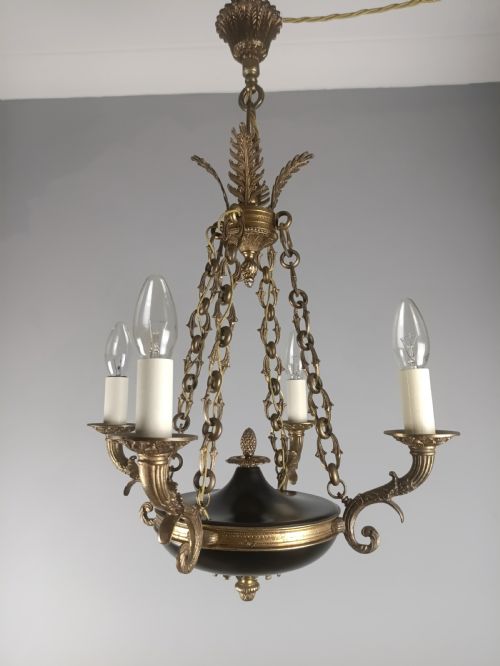
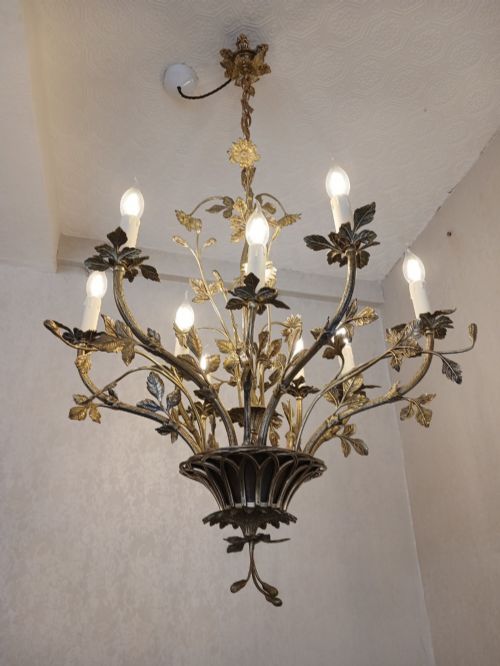
These gold bronze light fittings bring grand French and Italian period style to a room through cast metal and gleaming glass.
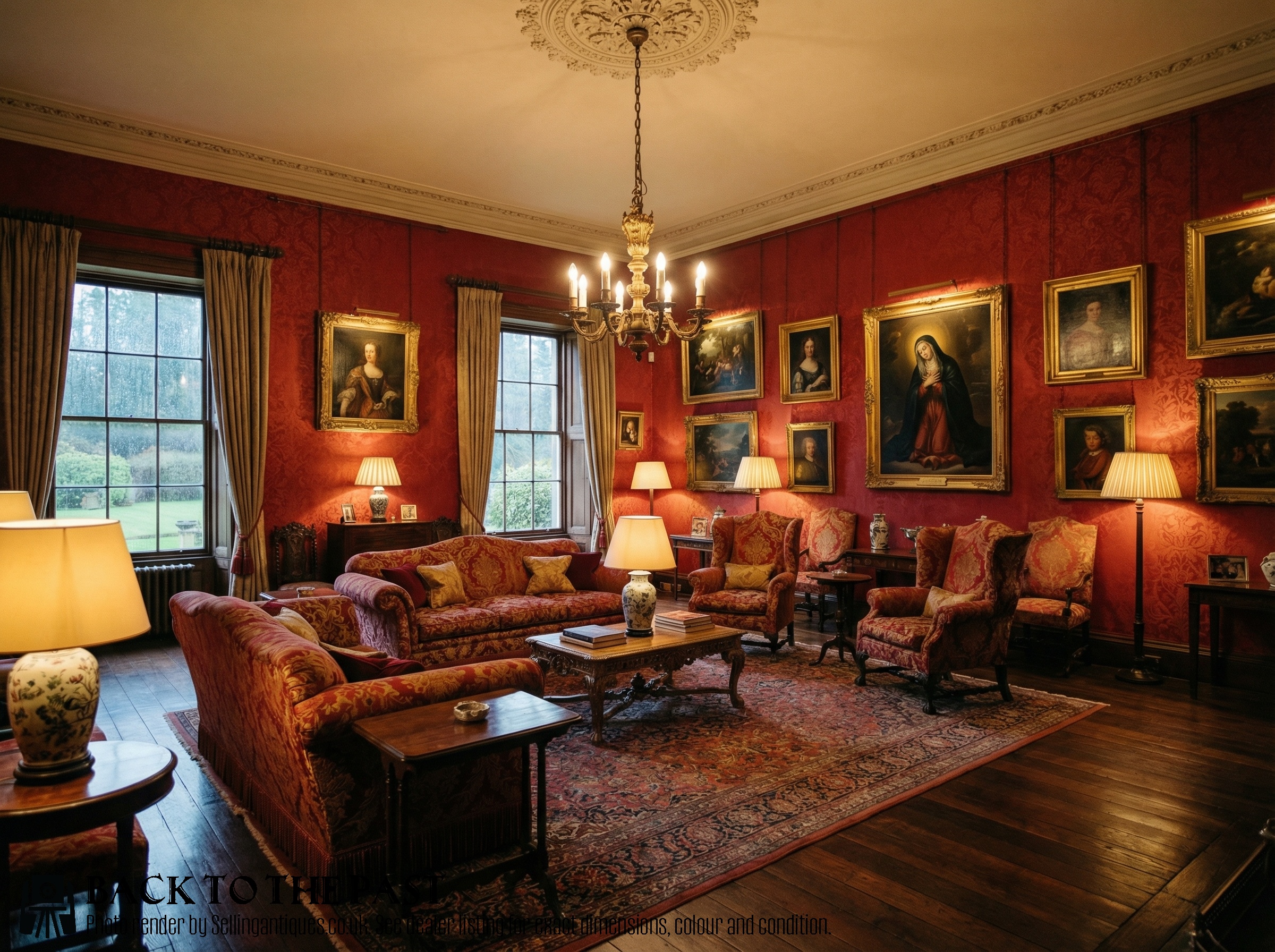
Gold Bronze Light Fitting
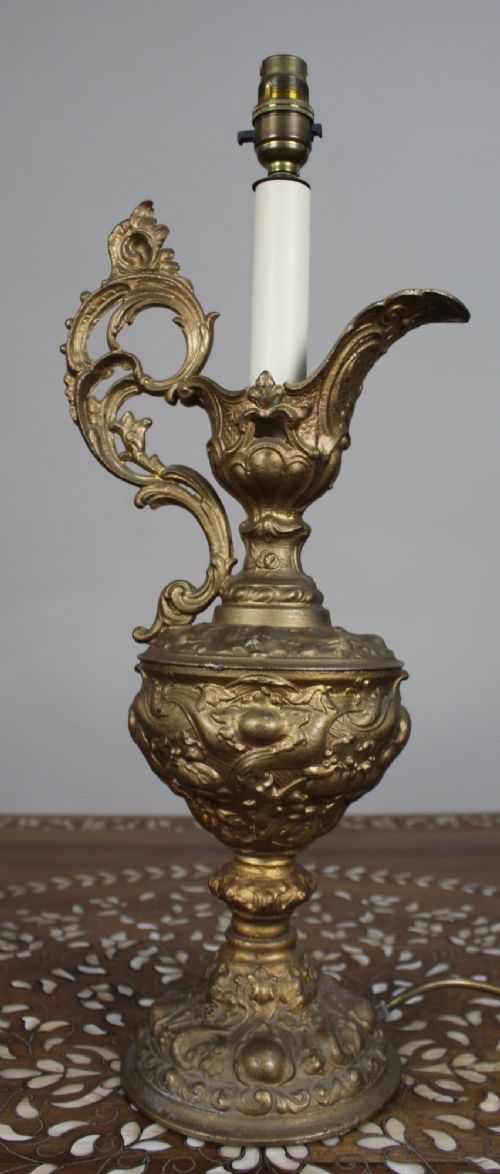
A gold bronze light fitting provides illumination through chandeliers, wall lights, lamps and hall lanterns originating from the nineteenth and early twentieth centuries. These pieces typically display French or Italian design influences, ranging from straightforward Empire models to elaborate Rococo and Neoclassical creations.
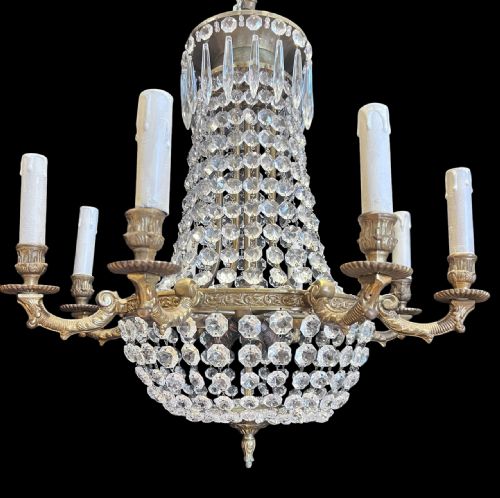
The most common version met on this page is the multi-light French chandelier cast in gilded bronze or brass, frequently ornamented with crystal drops. Buyers seek these items to introduce period character and warm metallic reflection into domestic interiors.
Materials and construction methods
Metalwork relies heavily on casting bronze, brass and spelter, which is subsequently gilded to achieve a rich golden surface finish. These metallic frames are built to support significant weight, particularly when combined with glass or metal components.
Transparent elements take the form of cut crystal drops, spikes and beads, wired or pinned directly into the metal armature. Wall lights, table lamps and ceiling fixtures utilise these combined materials to catch and refract light across the room.
Listings span periods from the nineteenth century through the Edwardian era up to nineteen-thirty, with French designs predominating.
Assessing quality in period lighting
Quality rests upon the crispness of the cast metal ornamentation and the depth of the gilding applied to the bronze or brass surface. Finer examples display sharp, well-defined decorative details such as floral motifs, torch shapes or figural elements rather than soft, blurred casting.
The integration of the crystal and glass components distinguishes superior pieces from simpler ones, with hand-cut crystal drops producing clearer refraction than moulded glass. Heavier multi-tier frames and complex multi-arm configurations require more intricate engineering and design execution.
The Gold Bronze Light Fitting Glossary
- Ormolu
- A technique of applying finely ground high-carat gold to a bronze object, creating a warm metallic lustre.
- Sconce
- A wall-mounted light fixture designed to hold multiple candles or electric bulbs against a vertical surface.
- Spelter
- An alloy of zinc and other metals utilised as a cost-effective alternative to bronze for cast decorative figures.
- Tent and waterfall
- A chandelier configuration where strings of crystal beads form an upper cone shape dropping down to a wider bowl.
- Lyre
- A symmetrical U-shaped decorative frame resembling an ancient musical instrument, often seen on Neoclassical pieces.
Gold Bronze Light Fitting: Frequently Asked Questions
How do I wire an antique light fitting?
Period metal fittings require professional rewiring to meet modern electrical safety standards before installation in a ceiling or wall.
A qualified electrician can thread modern internal wiring through the hollow bronze arms without damaging the historic structure.
Are these lights electrified or for candles?
Almost all fixtures listed use electric lamp holders configured to imitate candle sleeves or bulbs.
Conversion from oil or candle to electricity happened at various stages in the twentieth century for practical domestic use.
How do I clean a gilded bronze chandelier?
Dust the metal and crystal components gently using a soft feather duster or dry microfibre cloth.
Avoid chemical cleaning products or abrasive cloths that can strip the fragile gold leaf or gilding from the bronze surface.
What is the difference between gilt bronze and ormolu?
Gilt bronze refers broadly to any bronze object covered with a thin layer of gold leaf or gold paint.
Ormolu specifically describes mercury gilding applied to bronze during the eighteenth and nineteenth centuries to produce an exceptionally durable finish.
How do I determine the period of a chandelier?
Dating relies on stylistic clues such as the symmetry of Empire design or the elaborate curves of Rococo revival.
Construction fasteners, wiring access points and the specific composition of the metal also help specialists estimate the manufacturing decade.