


Antique Brass Box
An antique brass box holds small treasures with a satisfying weight and gleam that modern containers simply cannot match.
Antique Brass Box
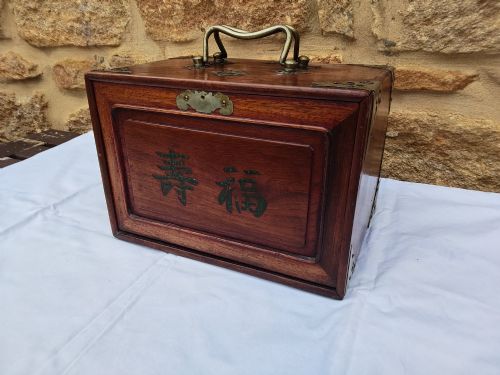
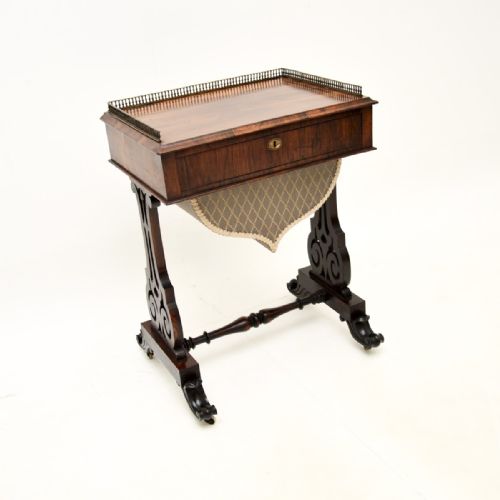
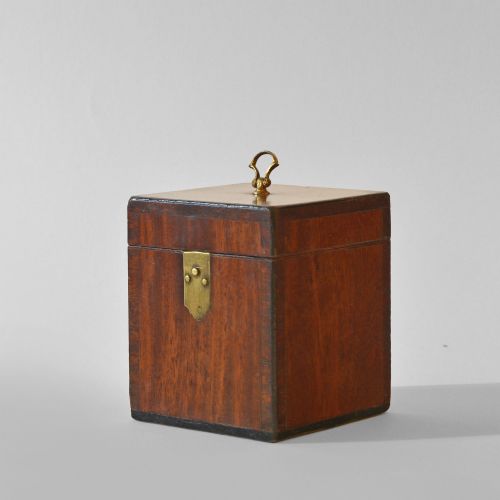
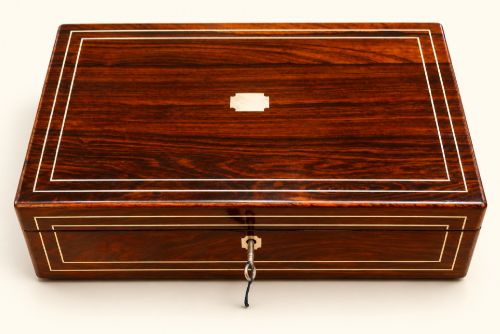
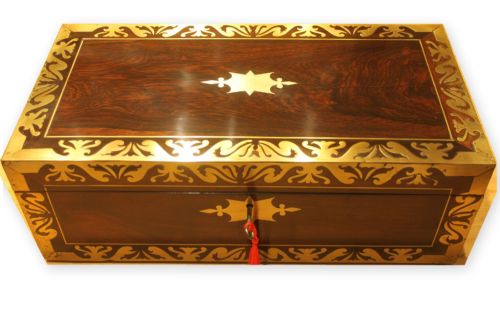
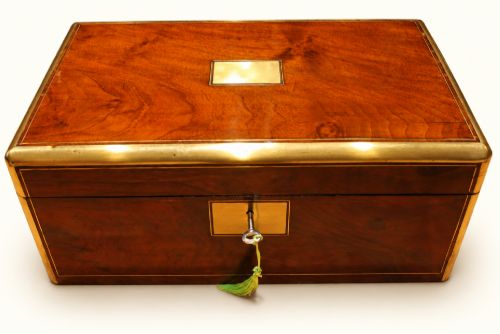
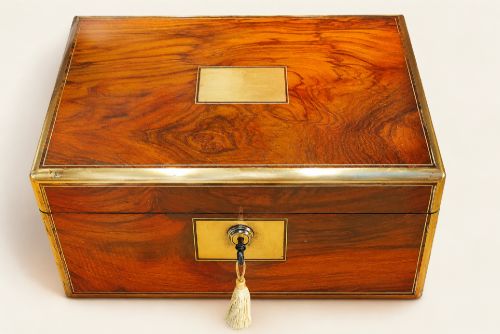
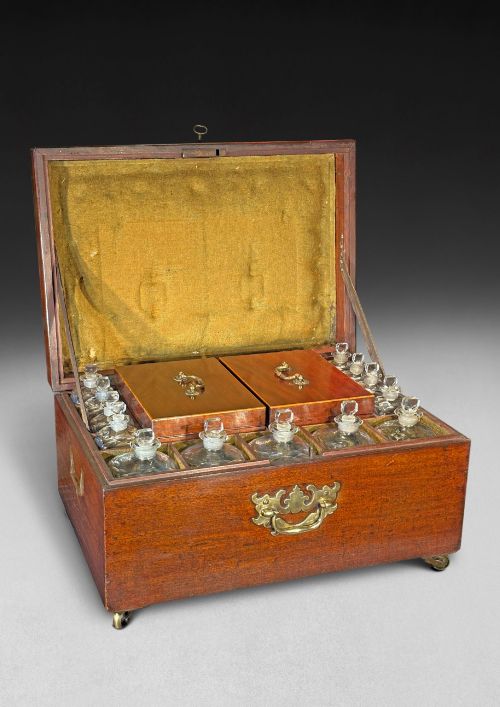
An antique brass box encompasses a diverse array of utilitarian and decorative containers spanning the eighteenth, nineteenth and early twentieth centuries. Buyers encounter everything from pocket snuff boxes and tobacco tins to substantial rosewood or burr walnut writing slopes reinforced with heavy brass mounts.
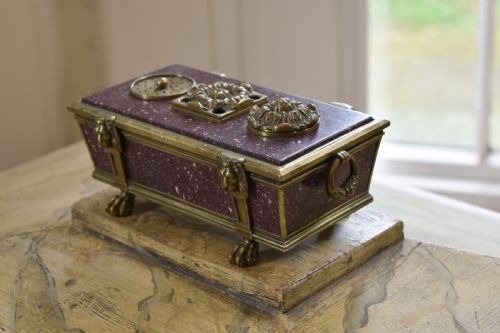
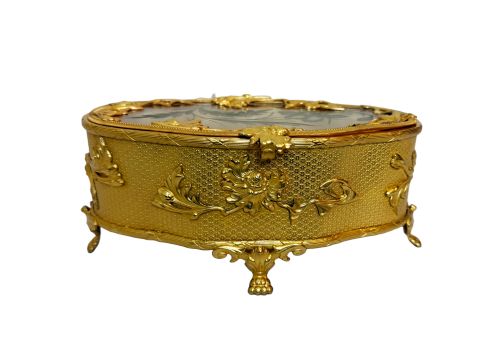
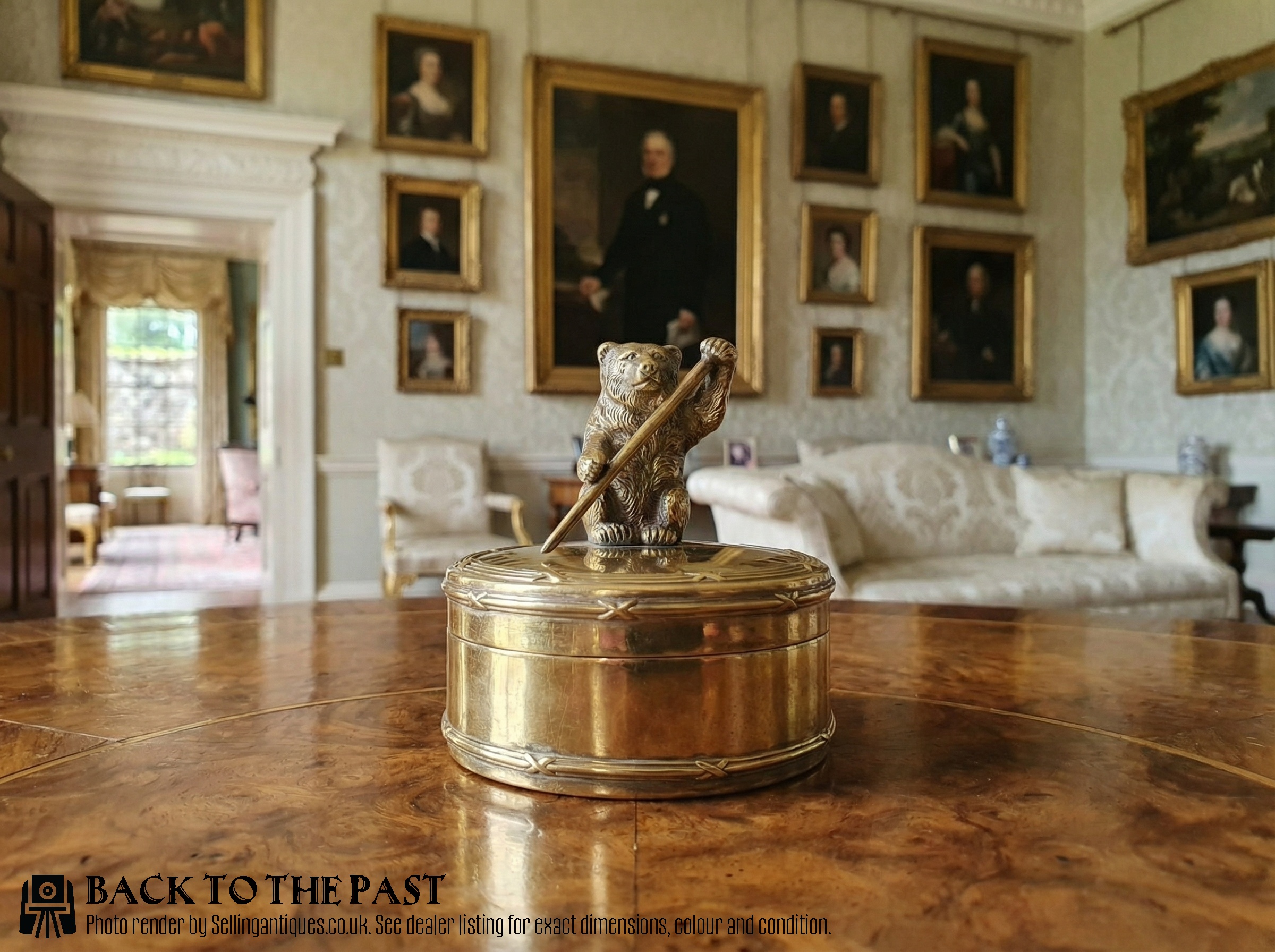
The selection ranges from Dutch Baroque tobacco boxes and Jugendstil jewellery caskets to novelty containers featuring bear finials. These pieces reflect the evolving domestic and personal storage habits of past centuries, combining metalwork with timber cores like teak, mahogany and coromandel.
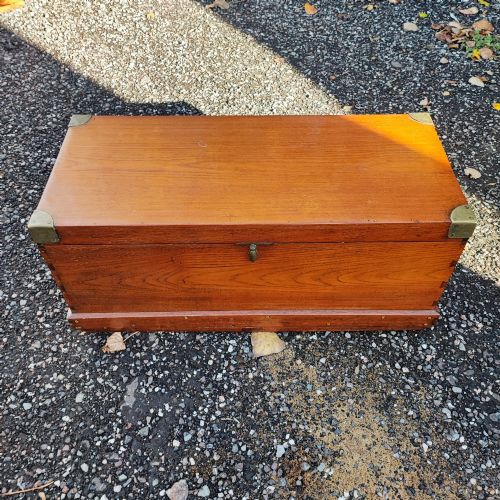
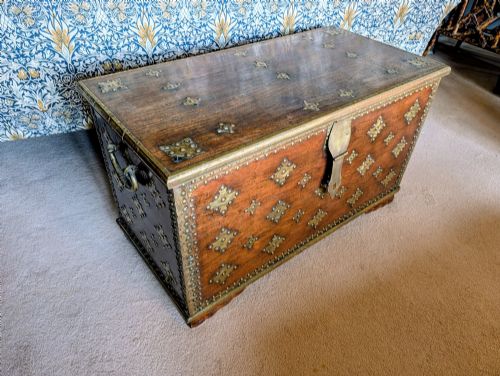
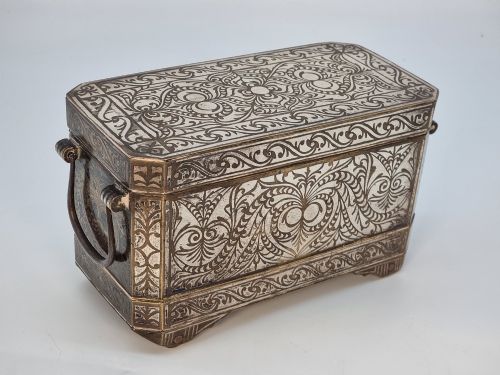
Smaller examples serve as trinket or pill boxes, while larger specimens function as stationery boxes, strongboxes and campaign chests. Each object demonstrates how functional hardware was elevated through decorative engraving, inlay and structural brass banding.
How they were made
The construction of these pieces relies on heavy gauge brass sheets, cast metal elements and solid timber foundations. Makers utilised dovetail joints, brass pins and flush-fitting hinges to secure the metallic mounts to woods such as burr walnut, rosewood and teak.
Surface decoration involves fine hand engraving, relief casting, enamelling and piquet work where tiny brass wire and pins are driven into wood or fruitwood. Internal fitments often include velvet or leather linings, mirrored lids and partitioned compartments tailored for stationery, jewellery or smoking requisites.
Antique Brass Box Retail Price Guide 2026
Typical asking prices for brass box among the pieces listed under this phrase on Sellingantiques today, from the lower quarter to the upper quarter. They describe what is for sale here now, not the wider market.
What varies in quality
Quality rests upon the gauge of the brass, the precision of the mitre joints and the depth of figure in the supporting timbers like burr walnut and coromandel. Finer specimens display thick, heavy gauge metalwork that sits completely flush with the wood, whereas simpler items utilise thinner brass plating fixed with basic pins.
The sophistication of the internal mechanism and fitments also defines the tier of the piece. Superior boxes incorporate secret drawers, panelled leather writing surfaces, bevelled glass panels and fully functional locks with original keys.
Erhard and Sohne
The Antique Brass Box Glossary
- Campaign box
- A portable container designed for travel, featuring recessed brass drop handles and reinforced corners to withstand rigorous transit.
- Snuff box
- A small pocket-sized container originally intended to hold dry powdered tobacco, often fashioned from brass or engraved metal.
- Piquet work
- A decorative technique where tiny brass pins or wire are tapped into a wooden surface in geometric or floral patterns.
- Jugendstil
- The continental European counterpart to Art Nouveau, characterised by flowing organic lines and stylized floral motifs seen on metalwork from around nineteen hundred.
- Writing slope
- A desk box featuring an inclined writing surface that typically folds open to reveal compartments for stationery, inkwells and pens.
Antique Brass Box: Frequently Asked Questions
How do I date an antique brass box?
Dating relies on combining the construction style of the timber box with the manufacturing techniques of the brass mounts. Earlier eighteenth-century pieces often feature heavy gauge engraved sheet brass, while Victorian examples frequently combine cast mounts with burr walnut or coromandel.
Examining the interior linings, hinge types and lock mechanisms provides further clues. Makers marks, engraved dates or inscriptions also help narrow down the exact decade of manufacture.
What were small brass boxes used for?
Pocket-sized brass containers served primarily for storing tobacco, snuff or vestas in an era before modern packaging. Many featured hinged lids and engraved surfaces commissioned for specific dates or owners.
Larger variations functioned as trinket boxes or pill containers for dressing tables. Their robust metal construction protected delicate contents from moisture and daily wear.
Can I use these boxes for daily storage?
These containers adapt easily to modern interiors for holding small accessories, keys or stationery. Sturdy timber-lined varieties with leather interiors protect modern jewellery and desk items just as they did in the nineteenth century.
Ensure that delicate internal silk or velvet linings are treated with care. Heavy items should not be forced into compartments designed for slim writing instruments or documents.